
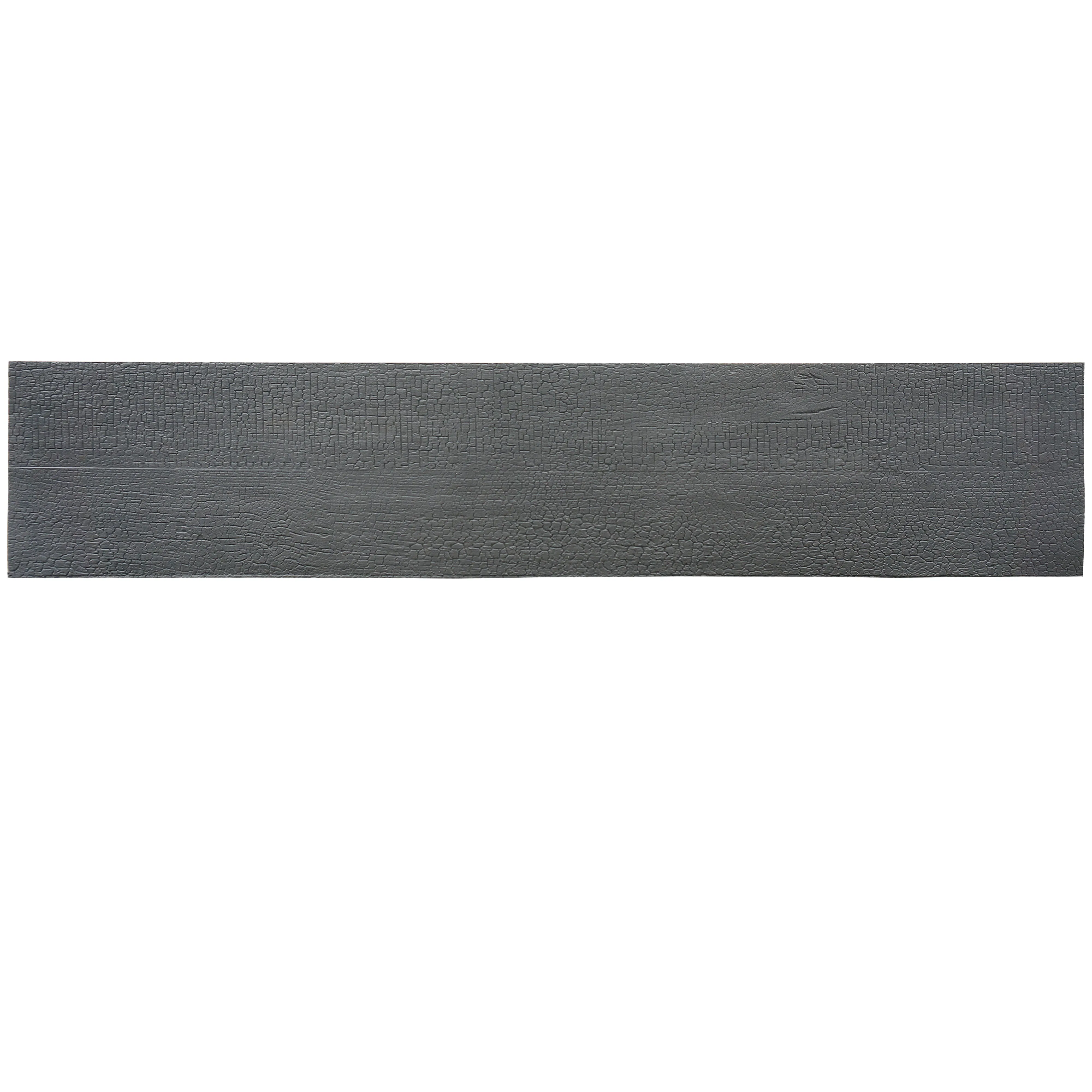
Picture this: You're standing in a home improvement store, staring at a wall of wood boards. Some are smooth and polished, others rough and weathered, but one section catches your eye—a stack of charcoal burnt wood boards, their surfaces swirled with deep, smoky hues and textured grooves that look like they've been kissed by fire. You've heard they're durable, eco-friendly, and add instant character to any space, but as you reach for one, a thought hits you: How do you know this board is actually good ? Not just pretty, but built to last, resistant to the elements, and worth the investment.
Choosing the right charcoal burnt wood board isn't just about picking the one that matches your aesthetic. It's about understanding the science behind its creation, and one factor that often gets overlooked could make or break your project: pH balance. In this guide, we're breaking down everything you need to know about charcoal burnt wood boards, why pH testing is non-negotiable, and how to run your own checks at home. By the end, you'll be equipped to spot a quality board from a dud—and maybe even impress the salesperson with your newfound expertise.
Let's start with the basics. Charcoal burnt wood board—also called shou sugi ban, a traditional Japanese technique—isn't your average piece of lumber. It's created by burning the surface of wood (usually cedar, pine, or cypress) with a torch until it chars, then brushing off the loose ash to reveal a layer of carbonized wood beneath. This process does more than just create a striking, almost sculptural texture; it transforms the wood's properties, making it resistant to rot, pests, and moisture. Think of it as nature's armor, but with a dramatic flair.
These days, it's not just for temples or traditional homes. Designers love it for kitchen backsplashes, accent walls, outdoor patios, and even furniture. Its earthy, organic vibe pairs surprisingly well with modern minimalism, industrial chic, and rustic decor alike. But here's the catch: Not all burnt wood boards are created equal. The quality of the wood, the burning technique, and yes—its pH level—can vary wildly between manufacturers. And that's where things get tricky.
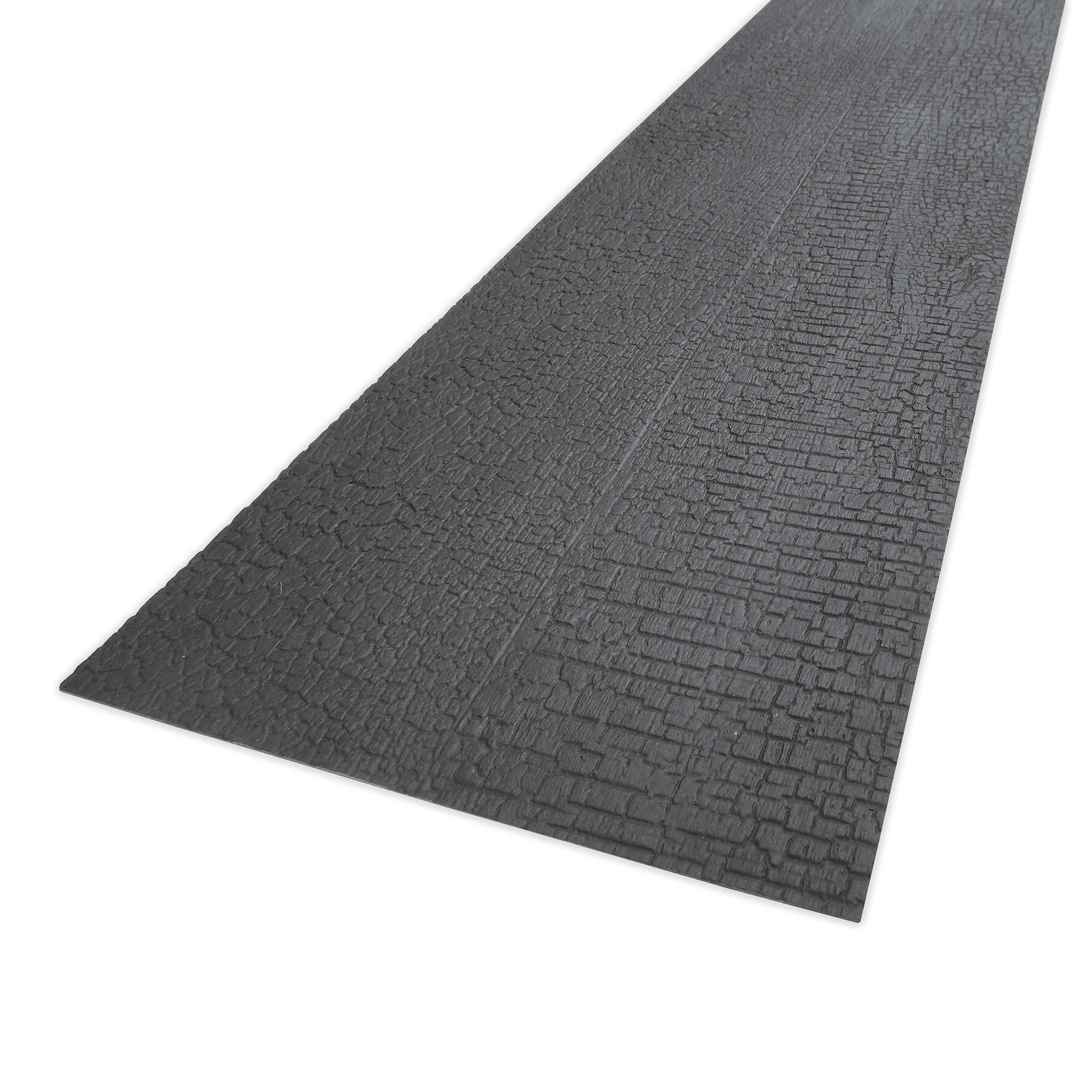
You might be thinking, "pH? Isn't that something you test in a swimming pool or a science class?" Yep—but it's also critical for wood. pH is a measure of how acidic or alkaline a substance is, on a scale from 0 (highly acidic) to 14 (highly alkaline). Pure water is neutral at 7.0. For charcoal burnt wood boards, pH isn't just a number; it's a window into how stable, durable, and long-lasting the board will be.
Here's why: Wood is a natural material, and its pH is influenced by everything from the tree species to the burning process. When wood is charred, the high heat changes its chemical composition. Ideally, the carbonization should create a surface that's slightly acidic to neutral, which helps repel moisture and resist mold growth. But if the pH is too far off—too acidic (below 5.0) or too alkaline (above 8.0)—problems start to creep in.
Too acidic, and the wood might break down over time, becoming brittle and prone to cracking. Too alkaline, and it could react with moisture in the air, leading to warping, discoloration, or even attracting pests. Imagine installing a beautiful burnt wood accent wall in your bathroom, only to find it warping six months later because the pH was off. Not exactly the "low-maintenance" dream you signed up for.
So, what's the sweet spot? Most experts agree that a pH range of 5.5 to 7.5 is ideal for charcoal burnt wood boards. This range ensures the wood is stable, resistant to decay, and less likely to react negatively with sealants or finishes down the line. Now, how do you test that?
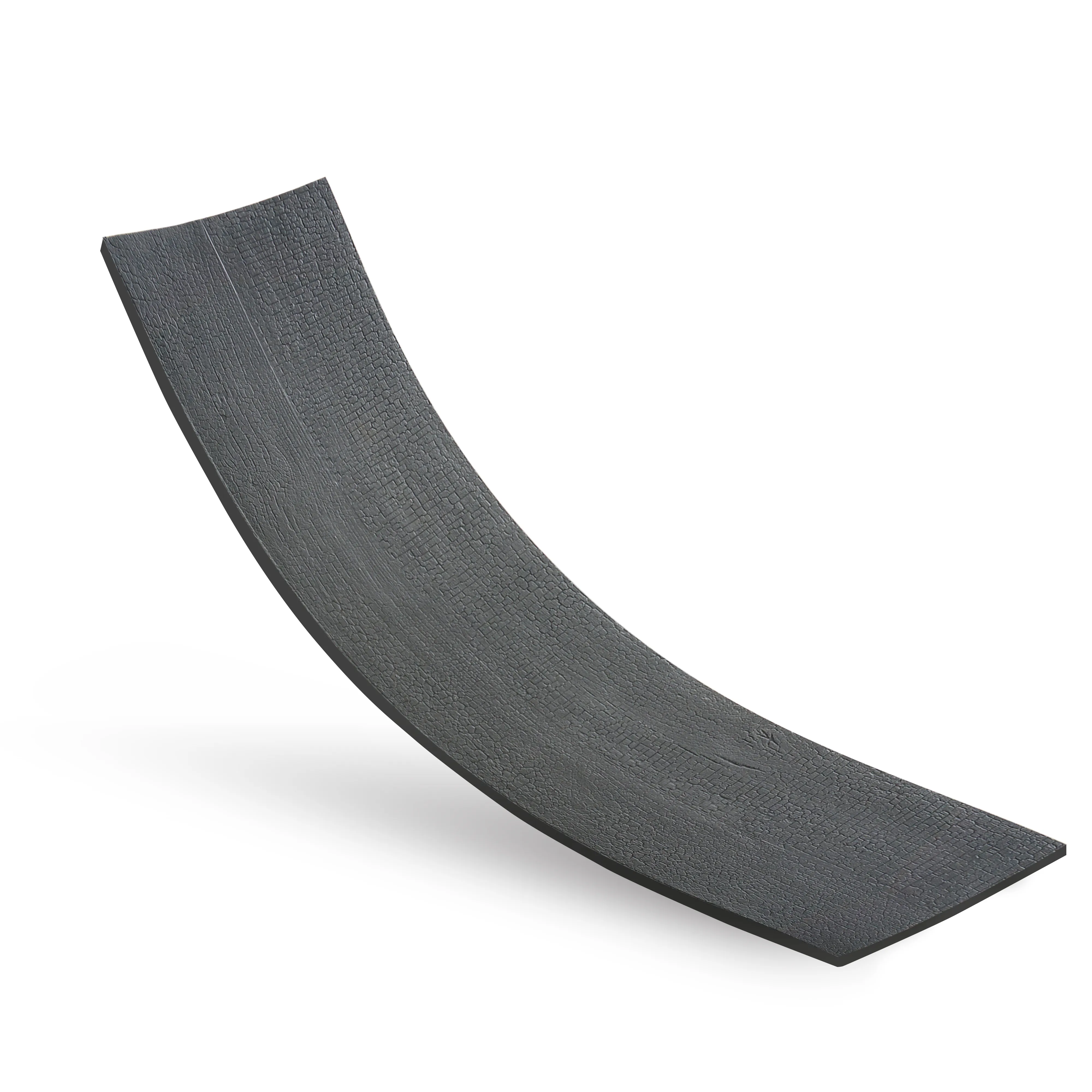
You don't need a lab to test a wood board's pH. With a few simple tools and 15 minutes, you can run a basic test that'll tell you everything you need to know. Here's your step-by-step checklist, complete with what to look for and why each step matters.
| Step | Action | Tools You'll Need | Ideal Result | What to Watch For |
|---|---|---|---|---|
| 1 | Collect a Sample | Small piece of the board (scrap or sawdust), gloves | Fresh, uncoated wood from the charred layer | Avoid boards with thick paint/sealant—they'll skew results |
| 2 | Prepare the Solution | Distilled water, small bowl, mortar and pestle (or spoon) | Mix 2 tbsp sawdust with 4 tbsp distilled water; let sit 5 minutes | Use distilled water only—tap water has minerals that affect pH |
| 3 | Test with a pH Meter | Digital pH meter (under $20 online), tissue | pH reads between 5.5–7.5 | Meters can drift—calibrate first with pH 7.0 buffer solution |
| 4 | Check for Consistency | Repeat test on 2–3 different spots on the board | All readings within 0.5 of each other | Big swings (e.g., 5.0 in one spot, 7.0 in another) mean uneven burning |
| 5 | Compare to Manufacturer Specs | Product label or manufacturer's website | Your results match their stated pH range | Manufacturers who don't list pH? Red flag—ask for data |
Pro tip: If you don't have a pH meter, pH test strips (the kind used for aquariums or gardening) work in a pinch. They're less precise, but they'll still give you a ballpark range. Just make sure to follow the strip's instructions—some need to sit in the solution for 30 seconds, others only 10.
I once helped a friend test a batch of boards she'd ordered online, and one strip turned bright orange—way below 5.0. She reached out to the company, and they admitted they'd rushed the burning process, leading to uneven carbonization. She returned them and found a better supplier—and saved herself from a wall that would've warped in a year. Moral of the story: Always test.
pH testing is crucial, but it's just one piece of the puzzle. To really feel confident in your choice, it helps to compare charcoal burnt wood boards to other popular materials. Let's take a look at a few common alternatives and how they measure up in terms of pH, durability, and vibe.
Wood grain board is everywhere these days—and for good reason. It mimics the look of real wood with a printed or embossed pattern, often on a plywood or MDF base. It's cheaper than charcoal burnt wood and comes in endless finishes. But here's the thing: Its pH is usually more neutral (around 6.5–7.0), thanks to the synthetic adhesives and coatings. That sounds good, but it lacks the natural resistance of charred wood. Without that carbon layer, it's more prone to scratches and water damage. If you want the wood look on a budget, it's a solid pick—but don't expect it to hold up outdoors or in high-moisture areas like bathrooms.
Fair-faced concrete is the cool, minimalist cousin of burnt wood. It's raw, uncoated concrete with visible pores and a smooth, almost sculptural finish. Its pH? Highly alkaline, usually around 12.0–13.0. That makes it super durable (concrete's high pH resists mold and pests), but it's also porous—meaning it stains easily and needs regular sealing. If you're going for an industrial vibe, it's stunning, but it lacks the warmth of burnt wood. Think of it as the difference between a concrete jungle and a cozy cabin.
Travertine (beige) is a classic for a reason. This natural stone has soft, earthy tones and a porous, almost honeycombed texture that adds warmth to any space. Its pH is slightly alkaline, around 7.5–8.0, which is stable but means it's sensitive to acidic cleaners (think vinegar or lemon juice). It's durable for floors and walls, but it's heavy—installing it requires professional help—and it needs to be sealed annually to prevent staining. If you love natural materials but want something smoother than burnt wood, travertine (beige) is a great option, but it's pricier and less DIY-friendly.
Rough granite stone (beige) is the tank of the material world. It's hard, scratch-resistant, and comes in rich, speckled patterns. Its pH is neutral to slightly alkaline (6.5–7.5), making it super stable. But it's also heavy, expensive, and the rough texture can be tough to clean. It's perfect for high-traffic areas like kitchen countertops, but it lacks the organic, tactile feel of burnt wood. Think of it as the reliable workhorse versus the artistic statement piece.
Even with a pH test in hand, it's easy to get swayed by shiny marketing or a pretty display. Here are the mistakes I see people make most often—and how to steer clear of them.
This is the big one. I get it—testing feels like extra work, especially when you're eager to start your project. But remember that friend I mentioned earlier? She almost skipped testing because the boards "looked cool." Don't be that person. A 15-minute test could save you hundreds of dollars (and a lot of frustration) down the line.
Not all wood burns the same. Cedar, for example, has natural oils that make it more resistant to rot, even before burning. Pine, on the other hand, is softer and can char unevenly, leading to lower pH in some areas. Ask the supplier what species they use, and do a quick Google search—some woods are better suited for burning than others.
Where will your board live? A covered porch in a dry climate is way different from a bathroom in a humid city. Charcoal burnt wood is moisture-resistant, but if you're installing it somewhere with constant water exposure (like a shower wall), even a good pH won't save it. Pair it with a high-quality sealant (look for pH-neutral options) and ensure proper ventilation.
It's tempting to grab the cheapest board on the shelf, but burnt wood is a case where you often get what you pay for. Low-cost boards might be burnt too quickly (leading to uneven pH) or made from lower-quality wood. I've seen $20 boards that fell apart in a year and $50 boards that still look new after five. Invest in quality—your future self will thank you.
Charcoal burnt wood is durable, but it's not indestructible. It needs occasional love: a quick wipe with a damp cloth, re-sealing every 2–3 years (outdoors) or 4–5 years (indoors), and avoiding harsh chemicals like bleach. If you're not up for that, consider a lower-maintenance option like fair-faced concrete or wood grain board.
Okay, you've tested the pH, picked the perfect board, and installed it. Now what? With a little care, your burnt wood can last decades. Here's how to keep it looking its best:
One last thing: Don't be afraid to embrace its imperfections. Burnt wood is supposed to look a little rough around the edges—that's part of its charm. A few nicks or a slight color variation only add to its story.
Choosing a charcoal burnt wood board isn't just about picking a material—it's about investing in a piece of art that'll grow with your space. By testing pH, comparing alternatives, and avoiding common mistakes, you're not just buying a board; you're building something that'll stand the test of time.
So the next time you're standing in that home improvement store, holding a charred board in your hand, you'll know exactly what to do: Check the pH, trust your gut, and imagine all the meals, conversations, and memories that'll unfold around it. Because when you choose wisely, that board isn't just part of your home—it's part of your story.
Recommend Products












