Alright, let's talk about building materials, specifically Gobi Panels. If you're knee-deep in planning a new construction or a renovation, you've probably realized that choosing the right materials is super important. It's not just about aesthetics, though that's definitely a big part of it. It's about durability, performance, cost-effectiveness, and even how quickly you can get things done. Today, we're diving deep into one of those crucial decisions: picking the perfect thickness for your Gobi Panels. And trust me, it's a decision that can make or break your project's success, both in terms of look and long-term performance.
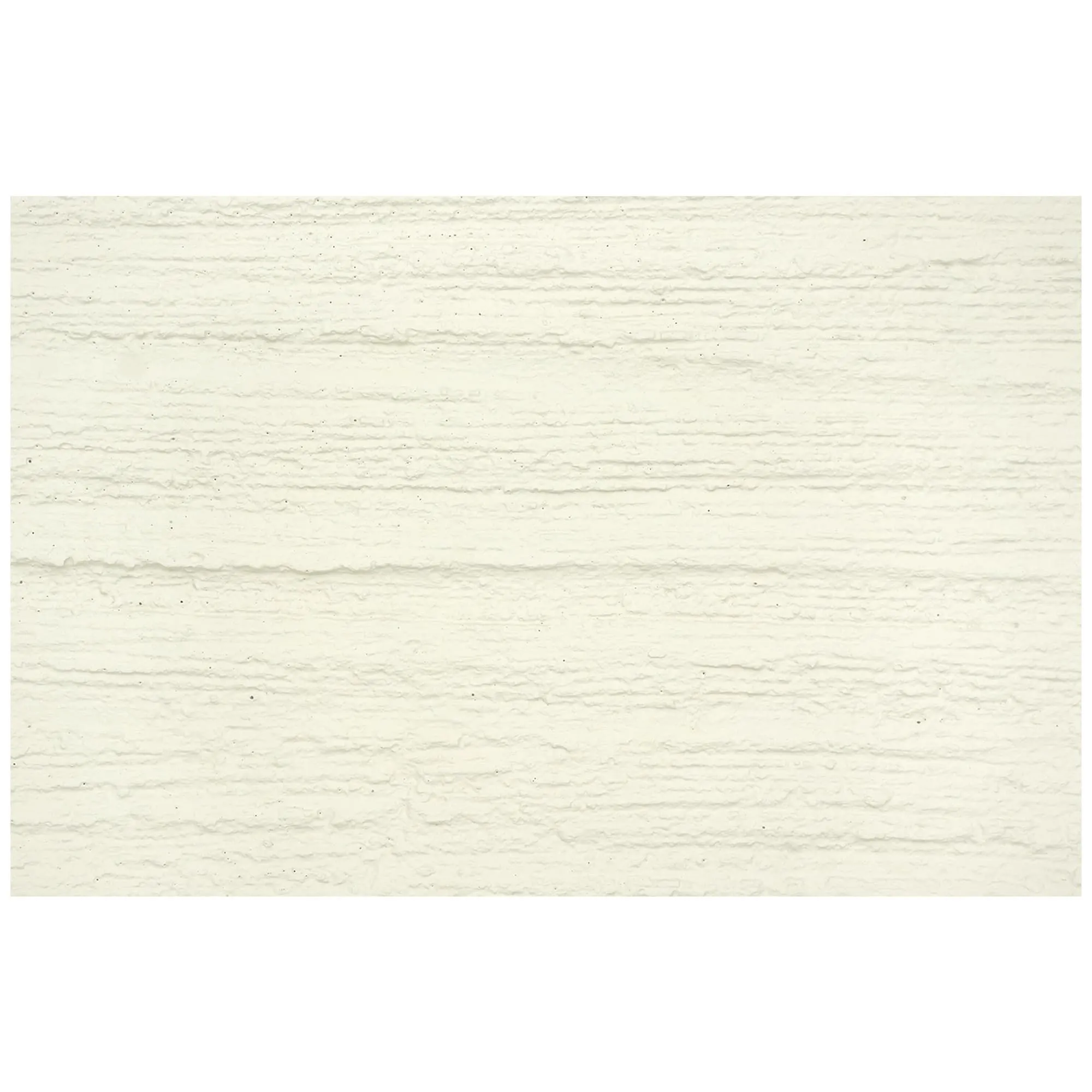
When we talk about Gobi Panels, we're essentially talking about a fantastic innovation in modern construction materials. Here at COLORIA GROUP, we're particularly proud of our **MCM (Modified Cementitious Material) series products**. These aren't your average run-of-the-mill panels; they're engineered for performance, versatility, and sustainability. Our MCM panels, sometimes referred to as Gobi panels due to their robust and earthy texture potential, are designed to give architects, builders, and homeowners an incredible range of options for both internal and external finishes. So, let's get down to brass tacks and figure out how to choose the right thickness for these game-changing materials.
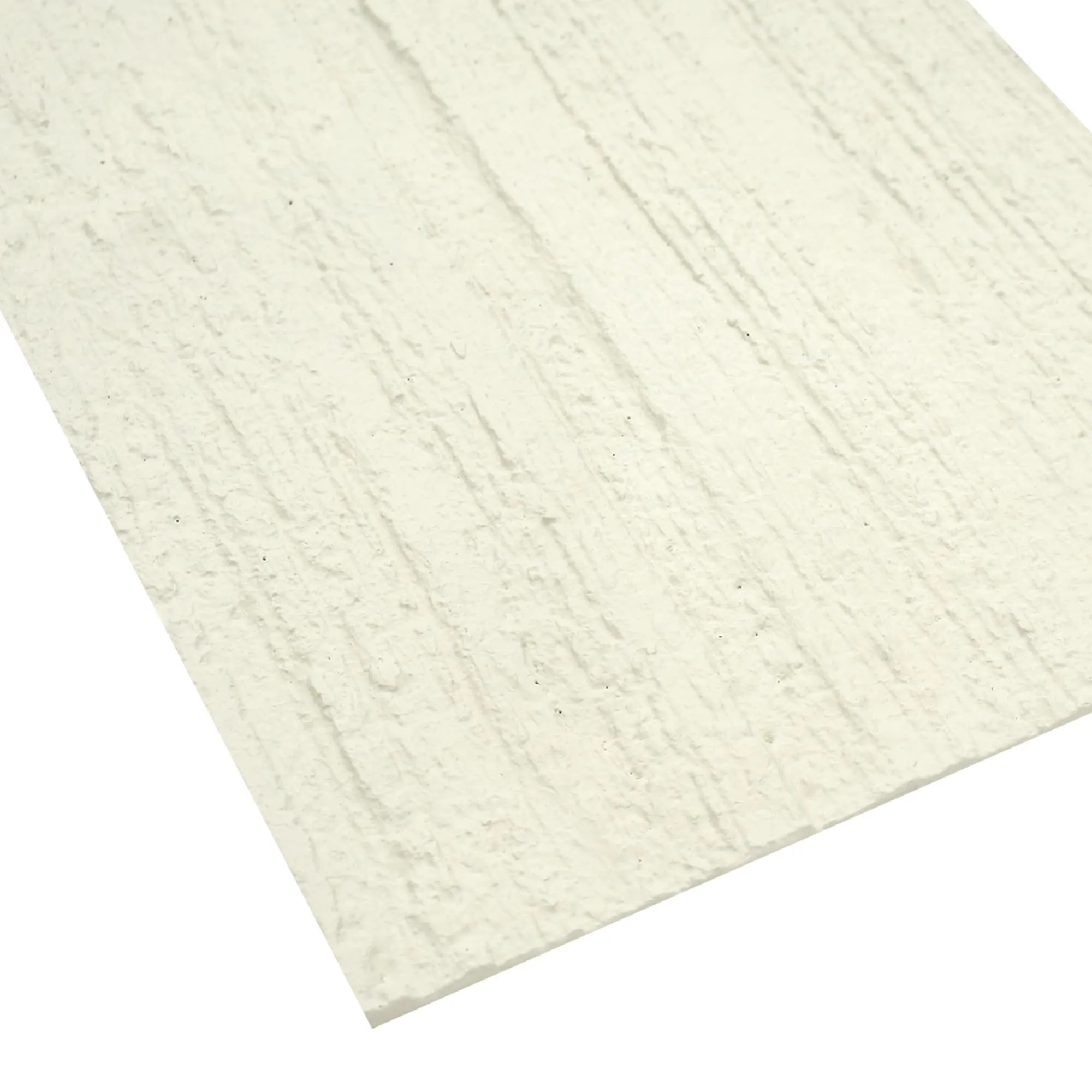
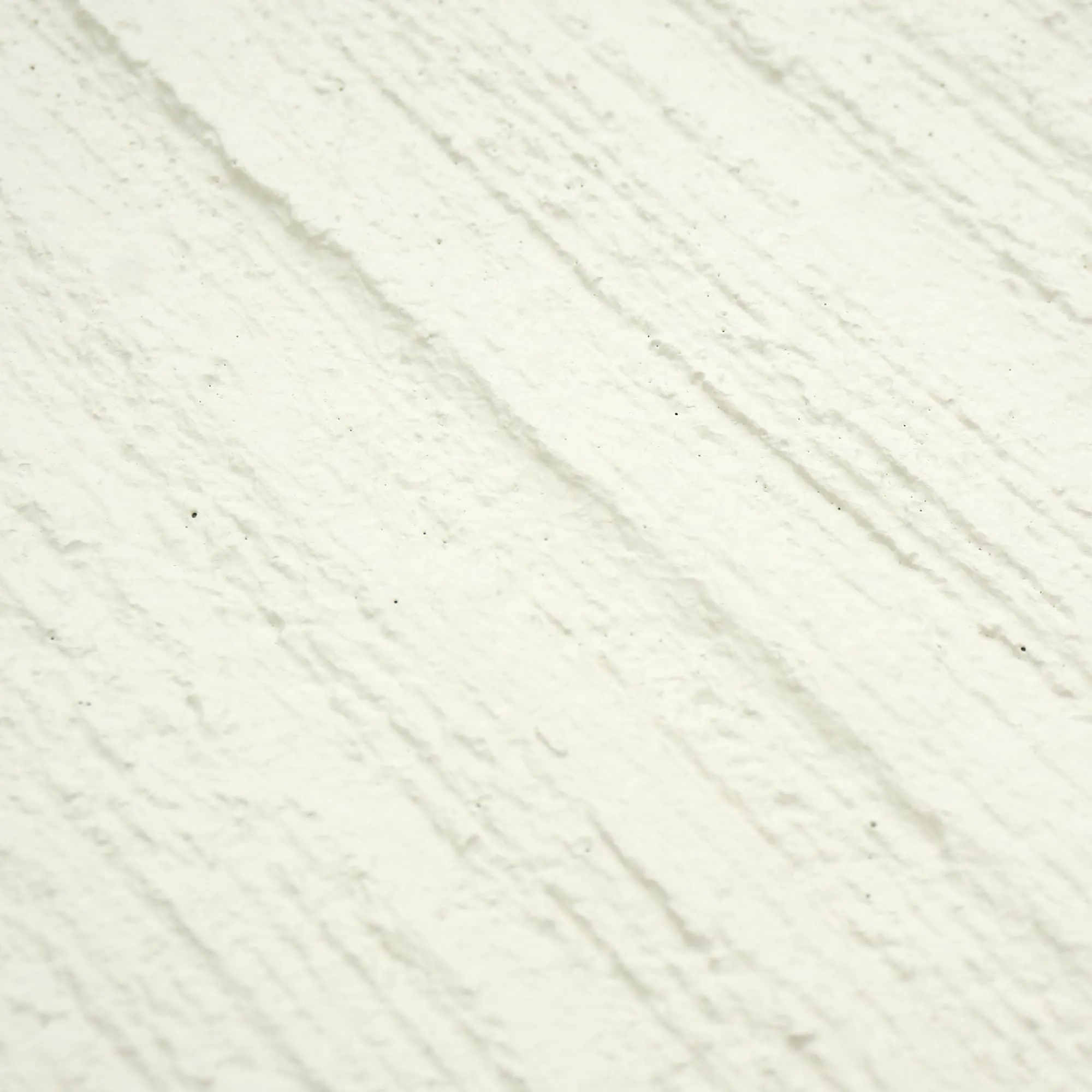
Before we even start talking about thickness, it's good to have a solid grasp of what Gobi Panels – or our MCM panels – actually are. Imagine a material that feels like stone, looks like brick or wood, but is incredibly lightweight, flexible, and eco-friendly. That's essentially what we're offering with our **MCM series products**. They're made from inorganic mineral powders, plant fibers, and other natural aggregates, all modified to create a composite material that's super durable and versatile.
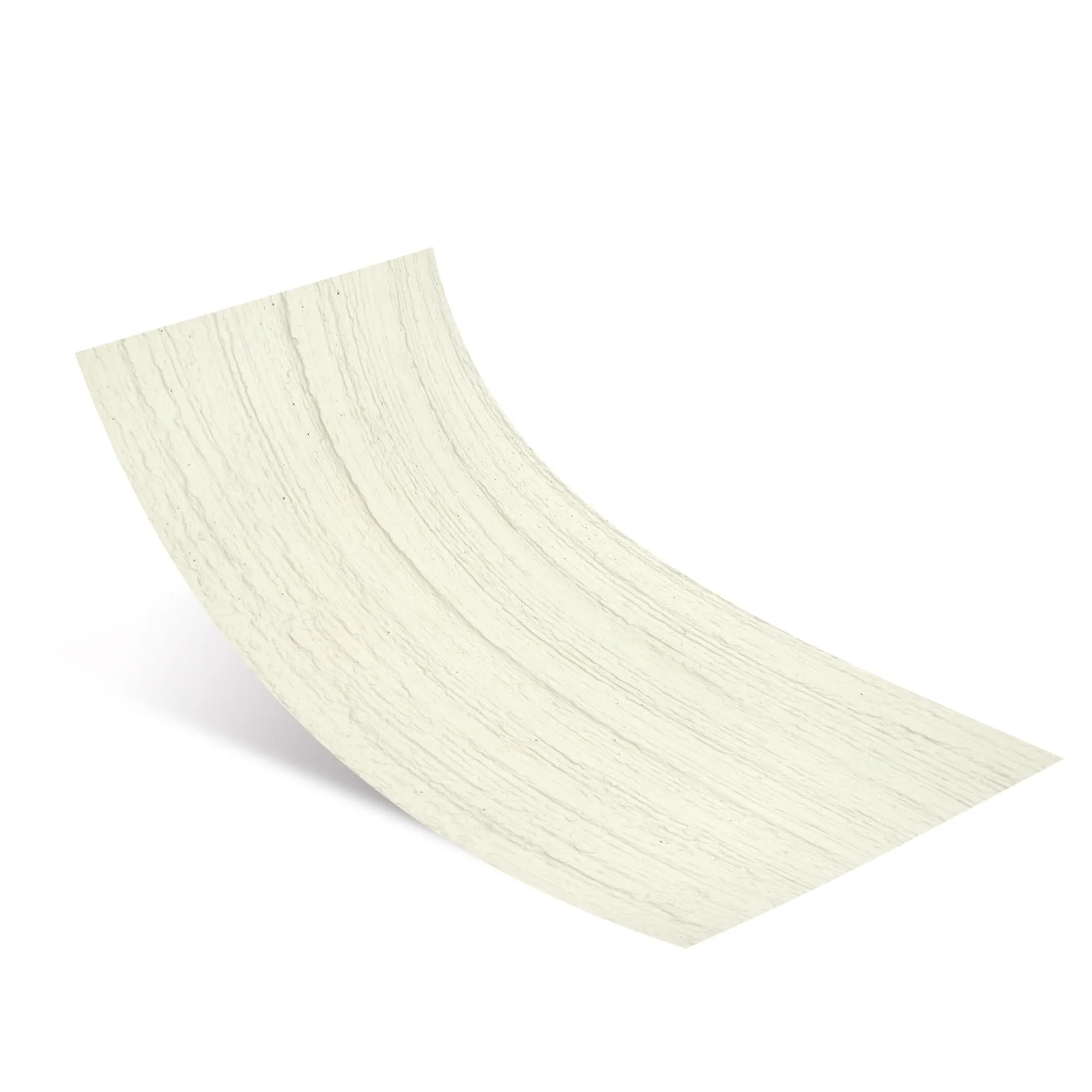
One of the biggest advantages of these materials, which COLORIA GROUP champions, is their ability to mimic natural textures without the heavy environmental footprint or the logistical challenges of natural stone or timber. From the sleek finish of our **MCM Big Slab Board Series** to the intricate patterns achievable with our **MCM 3D Printing Series**, these panels bring a whole new level of design freedom. And because they're so flexible, they can be applied to curved surfaces, making them a designer's dream.
You might think, "A panel is a panel, right? Does a millimeter or two really make a difference?" Oh, it absolutely does! The thickness of your Gobi Panel directly impacts several critical aspects of your project:
-
Durability and Impact Resistance:
Thicker panels generally offer greater resistance to impact, abrasions, and general wear and tear. This is a huge factor, especially in high-traffic areas or on exterior facades exposed to the elements.
-
Weight:
Thinner panels are lighter, which can reduce structural load on buildings, simplify transportation, and make installation easier and faster. This translates to cost savings on labor and potentially on foundation requirements.
-
Thermal and Acoustic Performance:
While MCM panels themselves have good insulation properties, thickness can play a role in their overall contribution to a building's energy efficiency and sound dampening.
-
Cost:
Generally, thicker panels use more raw material, leading to a higher unit cost. Balancing this with performance needs is key to staying within budget.
-
Aesthetic Impact:
Sometimes, a thicker panel can provide a more substantial, robust look, which might be desirable for certain architectural styles. Other times, a thinner, more delicate profile is preferred.
-
Installation Requirements:
Different thicknesses might require different adhesives, substrates, or fastening methods.
Alright, now that we know why thickness is important, let's break down the specific factors you need to weigh when making your decision. Think of this as your checklist before you finalize your order from COLORIA GROUP.
This is often the first and most obvious differentiator.
-
Residential Projects:
For homes, apartments, or smaller residential buildings, the panels generally face less heavy use and abuse. Interior applications might prioritize aesthetics and ease of installation over extreme durability. For exterior residential facades, while still needing to withstand weather, the likelihood of heavy impact is lower than in a bustling commercial environment. Here, you might lean towards thinner panels to save on cost and weight, especially for accent walls or decorative features.
-
Commercial Projects:
Think about shopping malls, airports, schools, hospitals, or large office buildings. These spaces see massive foot traffic, frequent cleaning, and higher chances of accidental impact. For these demanding environments, especially in high-traffic areas, a thicker panel is almost always the safer bet. Our **MCM Project Board Series** is specifically designed with commercial applications in mind, offering enhanced durability. Thicker panels will hold up better against bumps, scrapes, and the general wear and tear that comes with constant public interaction.
Where exactly are these panels going? This makes a huge difference.
-
Interior Applications:
Inside a building, panels are protected from the harshest elements. For feature walls, decorative panels, or general wall cladding in low-traffic areas like bedrooms or offices, a thinner panel (e.g., 2.5mm - 5mm) might be perfectly adequate. They are lighter, easier to cut, and often more cost-effective. However, for areas like corridors, lobbies, or kitchens in commercial settings, where scuffs and spills are common, opting for a slightly thicker panel (e.g., 5mm - 8mm) would provide better longevity and resistance to damage.
-
Exterior Applications:
This is where your Gobi Panels really earn their stripes. Exterior walls are constantly battling sun, rain, wind, temperature fluctuations, and potential impacts. For facades, especially those exposed to strong winds or potential debris, a thicker panel (e.g., 8mm - 12mm or even more for specific designs) provides superior structural integrity, impact resistance, and long-term weatherability. Our **MCM Flexible Stone** product, for instance, with its inherent flexibility, combined with appropriate thickness, offers excellent protection against external stressors. COLORIA GROUP designs these materials to stand up to the toughest climates, and thickness is a key part of that resilience.
Let's not forget the look! Sometimes, the thickness itself contributes to the overall aesthetic.
-
Substantial Look:
If you're going for a robust, heavy-duty, or grand architectural statement, a thicker panel can visually reinforce that impression. Think of solid stone walls; thicker panels can mimic that solidity more effectively.
-
Sleek and Modern:
For a minimalist or contemporary design where clean lines and a less obtrusive finish are desired, thinner panels might be more appropriate. They create less visual bulk and can blend seamlessly into the background.
-
3D Effects and Customization:
Our **MCM 3D Printing Series** opens up incredible possibilities for texture and depth. While the "printed" texture adds dimension, the base thickness of the panel still matters for structural integrity and how pronounced the 3D effect appears.
The surface you're applying the panels to and how you plan to attach them are crucial.
-
Flat and Stable Substrates:
If your substrate (like a perfectly flat cement board or plaster wall) is in excellent condition and perfectly level, you have more flexibility with thinner panels. The substrate will provide much of the structural support.
-
Irregular or Weak Substrates:
If the existing wall isn't perfectly flat, or if you need to bridge small imperfections, a slightly thicker panel can sometimes offer more rigidity and mask minor undulations. However, it's always best practice to prepare your substrate thoroughly first.
-
Adhesive vs. Mechanical Fasteners:
Most MCM panels are installed using high-strength adhesives. Thicker panels might sometimes require additional mechanical fasteners (like screws or clips) for extra security, especially in exterior or high-stress applications. Always refer to COLORIA GROUP's specific installation guidelines for the chosen product and thickness.
Let's be real, money talks.
-
Material Cost:
Thinner panels are generally less expensive per square meter because they use less material. If you have a tight budget, opting for the thinnest panel that still meets your performance requirements is a smart move.
-
Labor Cost:
Lighter, thinner panels are easier to handle, cut, and install, potentially reducing labor costs and speeding up project timelines.
-
Long-term Value:
While thicker panels might have a higher upfront cost, their superior durability and reduced need for maintenance or replacement in demanding environments can offer better long-term value. Consider the total cost of ownership, not just the initial purchase price.
This is non-negotiable. Always check with your local building authorities.
-
Some regions or specific building types might have minimum thickness requirements for exterior cladding materials, especially concerning fire safety, wind load resistance, or seismic performance.
-
COLORIA GROUP ensures its products meet international standards, but local interpretations can vary. Always consult your architect or contractor who is familiar with local regulations. Our team is also here to provide technical specifications and guidance.
To give you a better idea, let's look at some typical thicknesses you might encounter and where they shine. Keep in mind that COLORIA GROUP offers a range of customized options across our **MCM Big Slab Board Series** and **MCM Project Board Series** to fit almost any specification.
-
Characteristics:
Extremely lightweight, highly flexible, easiest to cut and install.
-
Best for:
-
Interior decorative walls in low-traffic residential areas.
-
Ceiling applications where weight is a critical factor.
-
Furniture surfacing or decorative elements where minimal thickness is desired.
-
Temporary installations or exhibition booths.
-
Considerations:
Less impact resistance, requires a very flat and stable substrate.
-
Characteristics:
Good balance of flexibility, durability, and weight. A popular choice for a wide range of projects.
-
Best for:
-
General interior wall cladding in both residential and light commercial settings.
-
Exterior residential facades in less extreme climates.
-
Renovation projects where adding too much weight is a concern.
-
Backsplashes or accent walls in kitchens/bathrooms.
-
Considerations:
Offers reasonable impact resistance for most applications.
-
Characteristics:
Increased durability and rigidity, excellent impact resistance.
-
Best for:
-
High-traffic interior commercial spaces (lobbies, corridors).
-
Exterior facades in commercial buildings or residential homes in areas with moderate weather exposure.
-
Areas where more robust protection is needed without excessive weight.
-
Applications with our **MCM 3D Printing Series** where structural depth is desired.
-
Considerations:
Slightly heavier and less flexible than thinner options, might require more robust cutting tools.
-
Characteristics:
Maximum durability, highest impact resistance, creates a very substantial look.
-
Best for:
-
Demanding exterior commercial facades, especially high-rises or buildings in harsh climates.
-
Areas prone to heavy impact (e.g., loading docks, industrial applications).
-
Architectural features requiring a sense of permanence and solidity.
-
High-end residential exteriors desiring maximum longevity and performance.
-
Considerations:
Heavier, more expensive, might require specialized handling and installation techniques.
|
Thickness Range
|
Key Characteristics
|
Ideal Applications
|
Typical Use Cases (COLORIA Group)
|
|
2.5mm - 3.5mm
|
Ultra-lightweight, high flexibility, easy handling.
|
Interior decor (low traffic), ceilings, furniture facing.
|
Decorative elements, specific custom interior projects.
|
|
4mm - 6mm
|
Good balance of weight & durability, versatile.
|
General interior walls, residential exterior facades.
|
Standard residential cladding, accent walls (MCM Big Slab).
|
|
7mm - 9mm
|
Enhanced durability, good impact resistance, rigid.
|
High-traffic commercial interiors, moderate exterior facades.
|
Commercial lobbies, schools, larger residential exteriors (MCM Project Board).
|
|
10mm - 12mm+
|
Maximum durability, superior impact resistance, robust feel.
|
Demanding commercial exteriors, industrial applications, high-impact zones.
|
High-rise facades, public transport areas, monumental architecture (MCM Flexible Stone for heavy-duty).
|
At COLORIA GROUP, we understand that every project is unique. That's why we don't just offer a standard range of products; we provide **one-stop solution provider** services that cater to your specific needs. Our decades of industry experience, coupled with our global reach (including our agency in Saudi Arabia, which helps us understand diverse market requirements), mean we're perfectly positioned to guide you.
Remember:
Choosing the right thickness for your MCM panels is a strategic decision that impacts aesthetics, durability, cost, and installation. Don't rush it! Consult with experts and consider all factors carefully.
We're not just selling panels; we're selling solutions. Here's how we help you nail down the perfect thickness:
-
Consultation:
Our team of experts is ready to discuss your project specifics – from the architectural style to the environmental conditions and budget. We'll help you assess the requirements.
-
Product Knowledge:
With our deep understanding of the **MCM series products**, we can advise on which series (e.g., **MCM Big Slab Board Series** for large format elegance, or **MCM Project Board Series** for robust engineering applications) and what thickness will perform best.
-
Customization:
Need something very specific? Because we focus on custom solutions, we can often produce panels to precise thickness requirements, ensuring a perfect fit for your design vision and functional needs.
-
Technical Support:
We provide comprehensive technical data and installation guidelines to ensure that whatever thickness you choose, it's installed correctly for maximum performance and longevity.
Let's imagine a scenario: a new high-rise commercial building in a bustling urban center. The architect wants a sophisticated, stone-like finish but needs a lightweight, sustainable material that can withstand significant wind loads and potential impact from urban activity (like window cleaning equipment, etc.).
-
Initial Thought:
"Let's use our standard 5mm MCM panels, they look great."
-
COLORIA GROUP Consultation:
Our team would step in. We'd consider the height of the building, which exposes it to higher wind pressures. We'd factor in the commercial nature of the building, implying higher potential for maintenance and external impacts. We'd also discuss the lifespan expectations for such a prominent structure.
-
Recommendation:
Instead of 5mm, we might recommend our **MCM Project Board Series** in an 8mm or even 10mm thickness. Why?
-
The added thickness provides significantly better rigidity and resistance to wind deformation.
-
It enhances impact resistance, crucial for exterior surfaces that might encounter cleaning cradles or occasional debris.
-
While slightly heavier, it's still dramatically lighter than natural stone, maintaining the benefits of reduced structural load.
-
The thicker panel offers a more substantial appearance, aligning with the grand scale of a high-rise.
-
Outcome:
The client gets a beautiful, durable facade that meets all performance requirements, thanks to a carefully considered choice of panel thickness, backed by COLORIA GROUP's expertise.
Beyond the practicalities of thickness, it's worth highlighting the environmental benefits of COLORIA GROUP's MCM panels. In an age where sustainability is paramount, our materials offer a truly green alternative. They are manufactured using sustainable processes, with a significant reduction in energy consumption compared to traditional firing processes for ceramics or quarrying for natural stone. They are also incredibly resource-efficient. This commitment to green practices is inherent in all our **MCM series products**, regardless of thickness. So, when you choose the right Gobi panel thickness from us, you're not just making a smart practical decision, you're making a responsible environmental one too.
The lightweight nature of thinner panels also plays into sustainability by reducing fuel consumption during transportation and lessening the embodied energy in the structure itself. Even our thicker panels remain significantly lighter than their traditional counterparts, contributing to an overall greener building process. We believe that high-performance materials should also be high-performing for the planet, and that's a core value at COLORIA GROUP.
Choosing the right Gobi Panel thickness for your project isn't a minor detail; it's a fundamental decision that will affect the longevity, performance, aesthetic, and cost-effectiveness of your build. It requires a thoughtful consideration of your project type, the specific application area, your design aspirations, and the practicalities of installation and budget.
From the sleek elegance of our **MCM Big Slab Board Series** to the robust engineering of our **MCM Project Board Series**, and the innovative textures of our **MCM 3D Printing Series**, COLORIA GROUP offers a comprehensive range of **Modified Cementitious Material** products. Our role as a **one-stop solution provider** means we're here to help you navigate these choices, ensuring you select the ideal thickness that perfectly balances performance, aesthetics, and value.
Whether you're designing a residential masterpiece or a sprawling commercial complex, remember that COLORIA GROUP is your trusted partner. With our decades of experience, global presence, and unwavering commitment to quality and innovation, we're dedicated to providing the high-quality interior and exterior finishes that bring your architectural visions to life. So, when you're ready to make that crucial decision about panel thickness, remember to reach out to the experts who live and breathe architectural materials. We're here to help you build better, smarter, and more beautifully.