
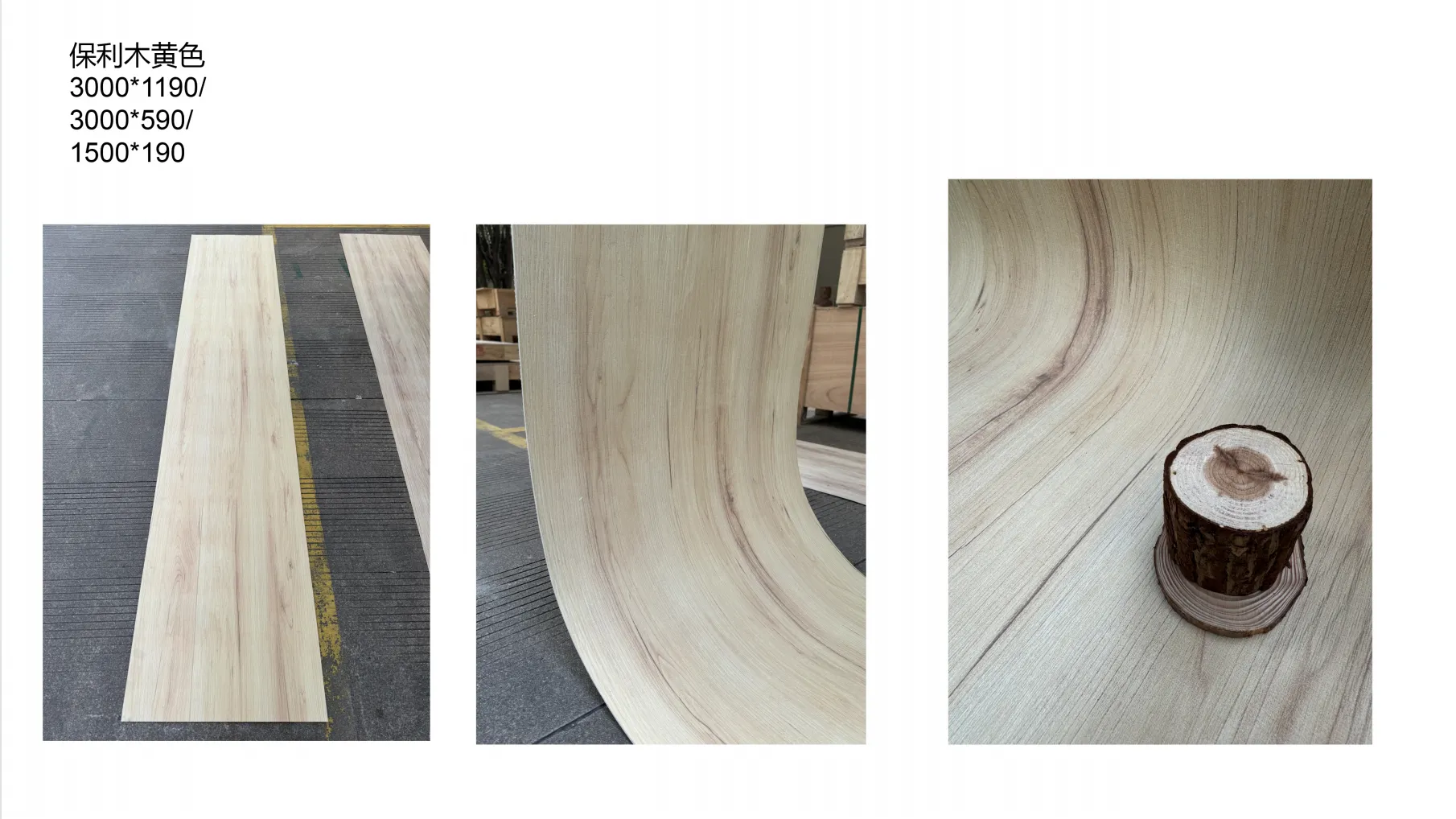
Navigating thickness options doesn't have to be overwhelming—here's how to pick the perfect fit for durability, style, and budget.
If you're new to poly wood, you're not alone. It's one of those materials that's gained popularity quietly, but once you learn its perks, it's easy to see why. Poly wood (short for "polyethylene wood") is a composite material—think of it as the practical cousin of traditional lumber. It's made by blending recycled plastic (like milk jugs and detergent bottles) with wood fibers, resulting in a board that's resistant to rot, warping, and pests. No splinters, no annual staining, no worrying about termites munching through your hard work. Sound too good to be true? It's not—though, like any material, its performance hinges on one critical choice: thickness.
But here's the thing: poly wood isn't a one-size-fits-all product. Walk into a hardware store or browse an online supplier, and you'll find boards ranging from wafer-thin ½-inch sheets to beefy 2-inch planks. And while "thicker = better" might seem like a safe rule, it's not always the case. A 2-inch board might be overkill for a decorative wall panel, just as a ½-inch board would buckle under the weight of a deck's foot traffic. So how do you strike that balance?
Choosing thickness isn't about guesswork—it's about asking the right questions. Let's break down the factors that should guide your decision, with real-world scenarios to make it concrete.
The first question to ask: what are you building? A deck, a fence, a bookshelf, or a accent wall? Each project puts unique demands on your poly wood boards, and thickness directly impacts how well they'll hold up.
Let's get specific: If you're building a deck, "weight" isn't just people—it's the grill, the patio set, the cooler full of ice. A 1-inch board can handle about 50 pounds per square foot (psf) of live load (that's people and movable objects), while a 1.5-inch board bumps that up to 75 psf. If you're planning a deck that seats 10+ people, skip the ¾-inch boards—they'll start to flex over time.
For furniture, consider "point loads"—like a heavy planter on a bench. A ¾-inch board might sag under a 50-pound pot, but a 1-inch board will stay flat. When in doubt, ask: What's the heaviest single thing that will sit on this board? If it's over 30 pounds, lean thicker.
Poly wood is moisture-resistant, but it's not invincible. In humid climates (looking at you, Florida and the Pacific Northwest), thinner boards are more prone to expansion and contraction. Why? Thinner material has less mass to stabilize it, so it might warp or gap in wet/dry cycles. If you live somewhere with high humidity or frequent rain, add ¼ to ½ inch to your initial thickness estimate.
Extreme temperatures are another culprit. In Arizona, where summer temps hit 110°F, poly wood can soften slightly. Thicker boards hold their shape better in heat, so a 1-inch board will outperform a ¾-inch board on a sunbaked deck. Conversely, in cold climates, thinner boards are more likely to crack if they're stepped on when frozen (though poly wood is more flexible than wood, so this is less of an issue).
Thickness isn't just functional—it changes the look of your project. A 1.5-inch deck board has a bold, substantial feel that screams "permanent" and "luxurious." It pairs well with modern or rustic designs where the material itself is a focal point. On the flip side, a ½-inch wall panel has a delicate, airy look—great for minimalist or coastal styles where you want texture without bulk.
This is where materials like wood grain board come into play. If you love the look of real wood but want the durability of poly, wood grain poly boards mimic the texture of oak, cedar, or teak. Thicker wood grain boards (1 inch+) enhance that "authentic" feel, while thinner ones read more like a subtle accent. It's all about balancing what your eyes want with what your project needs.
Let's talk money. Thicker boards cost more—sometimes 30-50% more than their thinner counterparts. If you're on a tight budget, you might be tempted to go thin to save cash. But here's the catch: undersizing now could mean replacing boards later, which is way costlier. A ¾-inch deck board that sags after a year isn't a "deal"—it's a headache.
Pro tip: Prioritize thickness for high-stress areas (like decking) and save on decorative elements (like wall panels). You'll get the best of both worlds: durability where it counts, and savings where it doesn't.
| Thickness | Best For | Max Live Load | Ideal Environment | Installation Tip |
|---|---|---|---|---|
| ½ inch | Wall panels, decorative accents, lightweight shelves | Up to 15 psf (light items only) | Indoor or covered outdoor spaces (low moisture) | Use adhesive or small nails—screws may split thin boards |
| ¾ inch | Picket fences, planter boxes, lightweight furniture | Up to 30 psf (occasional foot traffic, small pots) | Mild climates (low humidity, moderate temps) | Space screws 12-16 inches apart for stability |
| 1 inch | Decking (light-moderate traffic), outdoor tables, privacy fences | Up to 50 psf (regular foot traffic, large planters) | Most climates (humid, dry, or coastal—add ¼ inch in extreme humidity) | Use joists spaced 16 inches apart for decking to prevent sagging |
| 1.25–1.5 inches | Heavy-use decks, commercial projects, load-bearing furniture | Up to 75+ psf (parties, grills, heavy machinery) | Extreme climates (high humidity, heavy rain, intense sun) | Pair with pressure-treated joists for maximum support |
*Psf = pounds per square foot. Always check manufacturer specs for exact load limits—this table is a general guide.
Even with the best intentions, it's easy to second-guess your thickness choice. Here are three pitfalls to steer clear of:
We get it—no one wants to skimp on durability. But buying 1.5-inch boards for a decorative wall panel is like using a sledgehammer to hang a picture. You'll pay more, struggle with heavier materials during installation, and end up with a clunky look that doesn't fit your design. Thickness should match function—nothing more, nothing less.
Here's a secret: thickness works with your supporting structure, not alone. A 1-inch deck board will sag if your joists are spaced 24 inches apart instead of 16. Always check the manufacturer's guidelines for joist spacing—most recommend 12–16 inches for 1-inch boards. Skimping on joists to save money? You'll negate the benefits of a thick board entirely.
Poly wood expands and contracts with temperature changes—even more so with thicker boards. If you butt boards together tightly, they'll warp or buckle in the heat. Leave a ¼-inch gap between boards (wider in hot climates) to let them breathe. It's a small detail, but it makes a huge difference in longevity.
Sometimes, seeing how thickness plays out in actual projects is the best teacher. Here are three examples from homeowners and DIYers who nailed their poly wood thickness choice:
Project: 12x16-foot deck in Atlanta (hot, humid summers, mild winters)
Challenge: The homeowner wanted to host monthly BBQs with 8–10 people, plus a built-in grill and outdoor sofa.
Thickness Choice: 1.25-inch poly wood boards with wood grain texture (to mimic cedar)
Why It Worked: "I went with 1.25 inches because Atlanta's humidity worried me—thinner boards might warp," said the homeowner. "The wood grain look was a bonus; guests still think it's real wood! Two years later, no sagging, even when the grill's on and the sofa's full."
Project: 6-foot privacy fence in Charleston, SC (coastal, salty air, high humidity)
Challenge: The homeowner needed a fence that could withstand salt spray and strong coastal winds without rotting.
Thickness Choice: 1-inch poly wood boards (paired with 4x4 pressure-treated posts)
Why It Worked: "I originally wanted ¾-inch to save money, but my contractor pointed out that wind would push thinner boards around," they said. "The 1-inch boards feel solid—even in storms, the fence doesn't rattle. And no rusted nails or peeling paint—total game-changer."
Project: Accent wall in a living room in Portland (indoor, low moisture)
Challenge: The homeowner wanted a modern, textured wall without the maintenance of real wood.
Thickness Choice: ½-inch poly wood boards with a smooth, white finish (paired with fair-faced concrete for an industrial-modern vibe)
Why It Worked: "Thin was the way to go here—thicker boards would've made the room feel cramped," they explained. "The ½-inch boards are lightweight, easy to cut, and the white finish pops against the fair-faced concrete. Guests always comment on how 'high-end' it looks, and I've never had to clean or seal it."
Thickness is critical, but it's not the only material choice you'll make. Depending on your project, you might want to mix poly wood with complementary boards to boost style or function. Here are a few worth considering:
If you love the texture of oak, maple, or teak but hate sanding and staining, wood grain poly boards are your best friend. They're available in the same thicknesses as regular poly wood, but their surface mimics the knots, grains, and color variations of real lumber. Use them for decking or furniture where aesthetics matter most—guests will do a double-take when you tell them it's not wood.
For eco-conscious projects, bamboo mat board is a standout. Made from fast-growing bamboo fibers (a renewable resource) bonded with resin, it's lighter than poly wood but still durable. It's ideal for accent walls, lightweight shelves, or furniture where you want a natural, earthy look. Pair it with ¾-inch poly wood for a mix of sustainability and strength.
If you're going for an industrial or minimalist vibe, fair-faced concrete (unfinished, raw concrete) pairs surprisingly well with poly wood. Use thin poly wood boards (½-inch) for wall panels and fair-faced concrete for countertops or flooring. The contrast of warm poly wood and cool concrete creates a modern, layered look—no maintenance required.
Choosing poly wood board thickness doesn't have to feel like guesswork. Start by asking: What's my project? How much weight will it bear? What's the climate like? And what look am I going for? Use the table above as a guide, avoid the common mistakes, and don't be afraid to mix thicknesses (e.g., 1-inch for decking, ½-inch for railings) to save money without sacrificing quality.
Remember, the best thickness is the one that makes your project last—without overcomplicating installation or blowing your budget. Whether you're building a deck, a fence, or a simple shelf, poly wood is a material that rewards careful planning. So take a deep breath, measure twice, and pick the thickness that feels right for your project. You've got this.
Recommend Products












