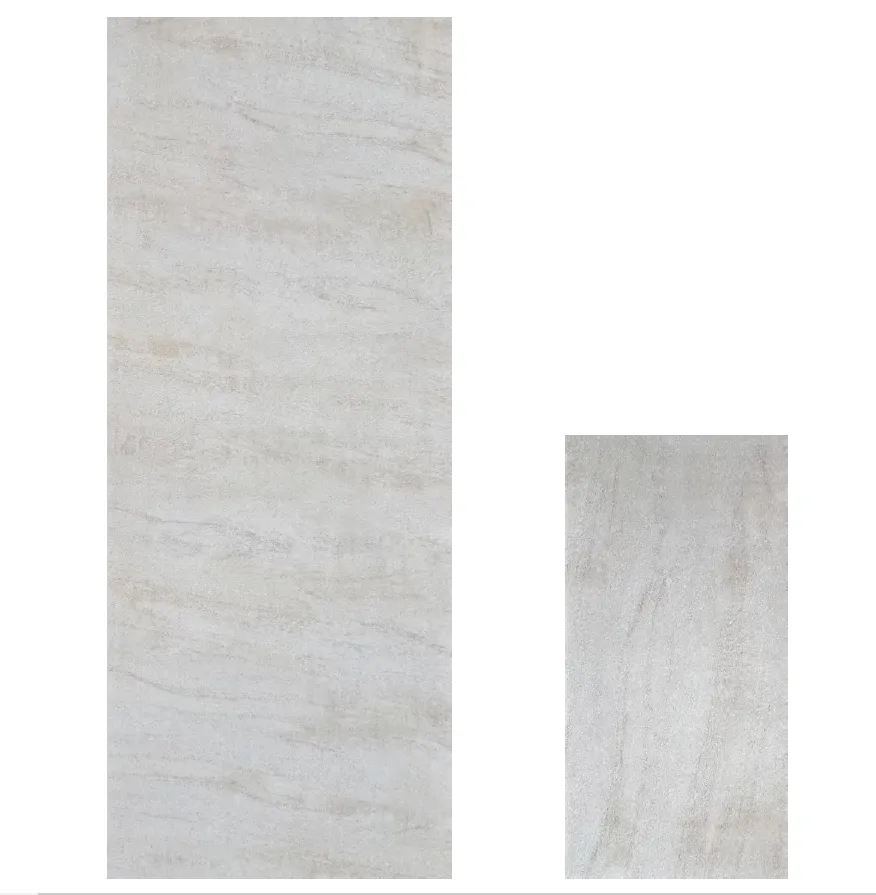
There's something almost poetic about marble stream stone. Its soft, flowing veins mimic the gentle movement of water over time, bringing a touch of nature's calm into homes, offices, and public spaces. But here's the thing: even the most stunning stone can fall flat if its thickness isn't chosen with care. Whether you're revamping a kitchen backsplash, designing a hotel lobby floor, or adding an accent wall to your living room, the thickness of your marble stream stone slabs isn't just a technical detail—it's the quiet foundation that shapes both beauty and function. Let's dive into how to get it right.
Why Thickness Isn't Just a Number
Think of
marble stream stone as more than a surface—it's a material with a personality. Thickness is like its backbone: too thin, and it might lack the strength to stand up to daily life; too thick, and it could feel (or worse, overwhelm the space). But it's not just about durability. Thickness affects how the stone interacts with light, how it feels under your hand, even how it ages. A 10mm slab might glow softly when backlit, while a 30mm slab exudes a sense of solidity that turns a countertop into a statement piece.
And let's not forget practicality. Installing a slab that's too heavy for your wall studs or too thin for a high-traffic floor can lead to cracks, warping, or even safety issues. So, choosing thickness isn't just about aesthetics—it's about respecting the stone's nature and your space's needs.
The Key Factors That Guide Thickness Choices
There's no one-size-fits-all answer here. The "right" thickness depends on a dance between where you're using the stone, what you need it to do, and how you want it to look. Let's break down the most important factors.
1. Where Will the Stone Live? (Application Matters)
A slab for a bathroom wall has different demands than one for a restaurant floor. Let's map this out:
Vertical Surfaces (Walls, Backsplashes, Accent Panels):
Here, weight is often the biggest concern. Walls aren't designed to hold endless pounds, so thinner slabs (think 10-15mm) are usually the way to go. They're easier to mount, lighter on structural supports, and can even be curved or shaped for creative designs. Imagine a bathroom with a 12mm
marble stream stone accent wall—the stone's delicate veins would shine without weighing down the room.
Horizontal Surfaces (Countertops, Floors, Tables):
These take more abuse. Countertops get sliced, spilled on, and leaned on; floors handle foot traffic, furniture, and the occasional dropped object. Thicker slabs (20-30mm) are better here—they're sturdier, less prone to chipping, and can handle the wear and tear of daily life. A kitchen countertop in 25mm
marble stream stone? It'll stand up to years of meal prep while looking just as elegant as the day it was installed.
Exterior Use (Patios, Facades):
Outdoors, the stone battles weather, temperature swings, and moisture. Thicker slabs (30mm+) are safer here, as they're more resistant to freezing, thawing, and UV damage. A patio with 35mm
marble stream stone slabs won't crack easily when rain seeps in and freezes, ensuring your outdoor space stays beautiful through seasons.
2. What's the Environment Like? (Think Traffic, Moisture, and Climate)
A quiet home office floor vs. a busy hotel lobby? Night and day. High-traffic areas (like retail stores or airport lobbies) need thicker slabs (25-30mm) to resist scratches and dents. Moisture-prone spaces (bathrooms, poolsides) might lean toward medium thickness (20mm) with proper sealing—thinner slabs can absorb water if not sealed, but thicker ones add unnecessary weight.
Climate plays a role too. In areas with extreme temperature changes (like a desert or a cold, snowy region), thicker slabs (30mm+) are more stable. They're less likely to expand or contract with heat and cold, reducing the risk of cracks.
3. What's Your Design Vision? (Aesthetics and Style)
Do you want a sleek, minimalist look? Thin slabs (10-15mm) can create that "floating" effect, making walls feel light and spacious. They're perfect for modern, airy interiors where the stone's veins take center stage without adding visual bulk.
If you're going for a bold, luxurious vibe—think a grand fireplace surround or a statement countertop—thicker slabs (30mm+) deliver. Their heft adds a sense of permanence and opulence, like a piece of art you can touch.
And let's not forget texture. Thicker slabs can handle more aggressive finishes (like bush-hammered or chiseled edges) without losing structural integrity, adding depth to your design.
4. Budget and Practicality
Thicker slabs usually cost more—both in material and installation (heavier slabs need more labor and sometimes special equipment). If you're working with a tight budget, medium thickness (20mm) often hits the sweet spot: durable enough for most uses, but not as pricey as 30mm+.
Also, consider long-term maintenance. Thinner slabs may need more frequent sealing or repairs in high-traffic areas, which can add up over time. Sometimes, spending a bit more upfront on a thicker slab saves hassle later.
Now that we know the "why," let's look at the "what."
Marble stream stone slabs typically come in three main thickness ranges. Here's how to choose between them.
|
Thickness Range
|
Best For
|
Advantages
|
Considerations
|
|
10-15mm (Thin Slabs)
|
Vertical walls, backsplashes, lightweight furniture, decorative panels
|
Lightweight (easy to install), cost-effective, ideal for curved surfaces or backlighting
|
Less durable for high-impact areas; may need reinforcement for large spans
|
|
20-25mm (Medium Slabs)
|
Kitchen countertops, bathroom vanities, low-to-medium traffic floors, indoor flooring
|
Balances durability and weight; versatile for most residential/commercial uses
|
Not ideal for extreme outdoor conditions (e.g., heavy frost)
|
|
30mm+ (Thick Slabs)
|
High-traffic floors (malls, hotels), exterior patios, fireplace surrounds, statement pieces
|
Maximum durability; resists chipping/scratches; adds visual weight and luxury
|
Heavier (needs strong support); higher cost; harder to handle/install
|
Example: The Restaurant Owner's Dilemma
A restaurant owner wants to use marble stream stone for their dining room floors and bar countertop. For the floors (high traffic, spills, chairs scraping), 25mm slabs make sense—durable enough to handle daily wear but not overly heavy. For the bar (where customers lean, glasses clink, and bartenders work), 30mm adds a premium feel and stands up to constant use. The accent walls? 12mm slabs keep the space light and let the stone's veins pop against the warm lighting.
When to Break the Rules (Yes, It's Allowed!)
Sometimes, your project might call for something outside the "standard" ranges. For example:
Ultra-Thin Slabs (8mm):
These are rare but possible for specialized uses, like custom furniture or decorative screens. They require extra care during installation and are not for high-impact areas.
Extra-Thick Slabs (40mm+):
Think of grand entryways or luxury hotel lobbies where the stone is meant to awe. These are statement pieces, often used as monolithic slabs (no seams) for maximum drama.
The key here is to work closely with your supplier and installer. They can help you assess if a non-standard thickness is feasible for your space and needs.
A Quick Guide to Making Your Final Choice
Still feeling unsure? Try this step-by-step checklist:
1.
Define the space:
Is it a wall, floor, countertop, or exterior? Indoor or outdoor?
2.
Assess traffic/use:
Will it get light, medium, or heavy wear?
3.
Check structural support:
Can your walls/floor handle the weight? (Consult a contractor if unsure.)
4.
Pin down your style:
Sleek and minimal, or bold and luxurious?
5.
Set your budget:
Balance upfront cost with long-term maintenance.
Once you have answers, match them to the thickness ranges above. And when in doubt, ask for samples! Many suppliers will let you test small slabs to get a feel for weight and appearance.
Wrapping Up: Let the Stone Shine
Marble stream stone is more than a building material—it's a storyteller, carrying the beauty of natural streams into your space. Choosing the right thickness ensures that story is told well, for years to come. Whether you opt for the lightness of 12mm or the grandeur of 30mm, remember: thickness is the bridge between your vision and the stone's potential. Treat it with care, and your marble stream stone will reward you with beauty, durability, and a space that feels uniquely yours.