
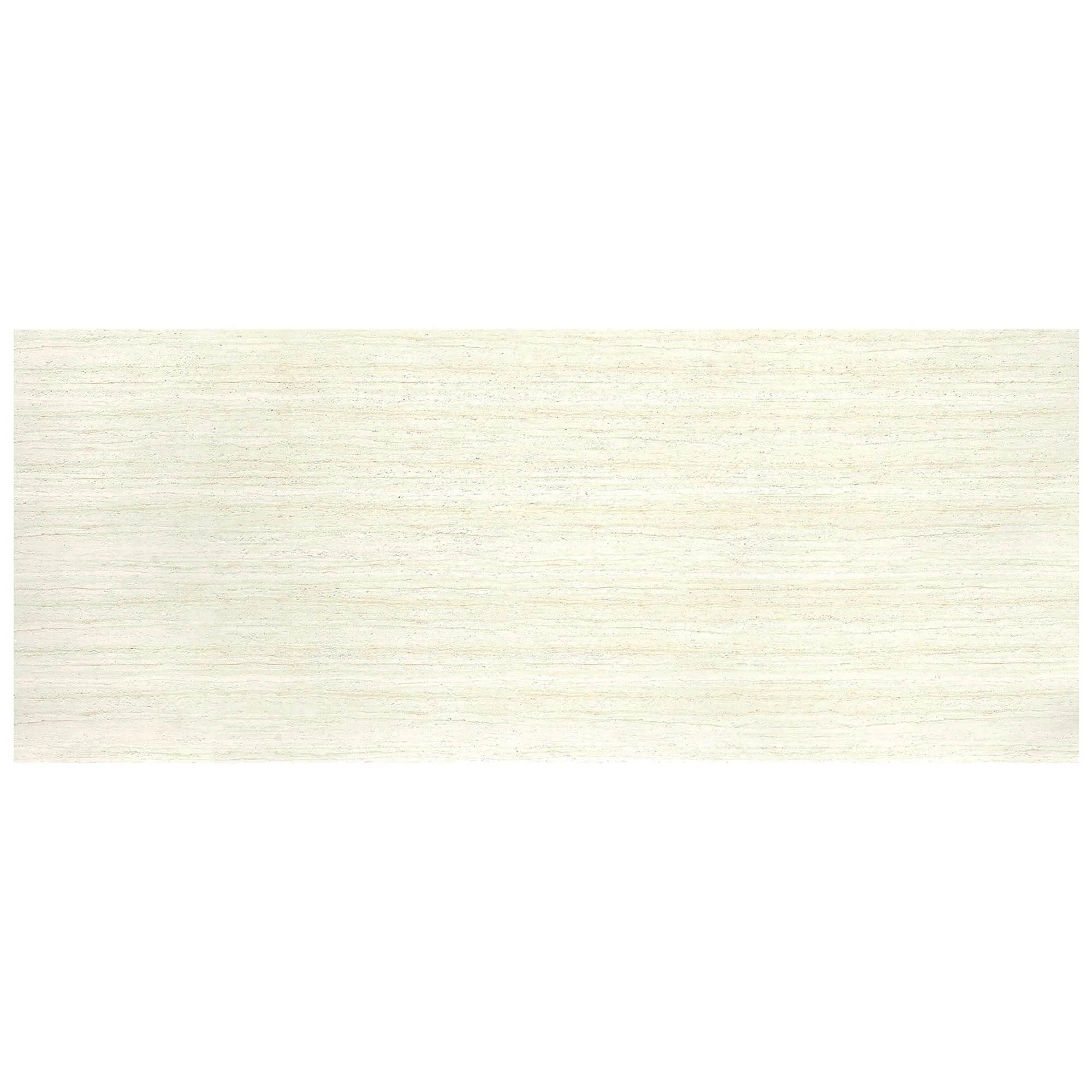
Walk into any well-designed commercial space—a bustling café, a sleek office lobby, or a high-end retail store—and you'll notice something subtle yet powerful at work: thread patterns. Not the kind stitched into fabric, but the intentional lines, textures, and weaves that run through walls, floors, furniture, and even ceilings. These patterns are the unsung heroes of interior design, quietly shaping how we feel, how we move, and how we remember a space. They're not just about aesthetics; they're about storytelling. The right thread pattern can turn a generic room into a memorable brand experience, while the wrong one? It might fade into the background, or worse, clash with the space's purpose. So how do you pick the one that clicks? Let's dive in.
Before we get into the "how," let's talk about the "why." Thread patterns—whether they're the linear grooves in a linear travertine (claybank) wall, the woven texture of a weaving (khaki) panel, or the fine, precise lines of fine line stone (grey) —do more than look pretty. They guide the eye, create rhythm, and even influence mood. Think about it: a space with soft, organic thread patterns (like the natural veining in travertine) feels calm and inviting, while sharp, geometric lines (like those in fine line stone) signal modernity and focus. In commercial settings, where first impressions last and customer retention is key, that mood matters. A restaurant aiming for a cozy, "home away from home" vibe might lean into warm, woven patterns, while a tech startup's office might opt for sleek, linear designs to convey innovation. Thread patterns also play a functional role: they can hide wear and tear, add grip to floors, or even absorb sound. In short, they're the bridge between form and function—and getting that bridge right starts with understanding what you need.
Choosing a thread pattern isn't about picking what looks "nice"—it's about aligning with your space's goals, audience, and practical needs. Here are the three big questions to ask:
Every commercial space has a "voice." A boutique selling artisanal skincare might want to whisper "luxury" and "natural," while a co-working space might shout "collaboration" and "energy." Your thread pattern should amplify that voice. For example, weaving (khaki) —with its soft, tactile texture and earthy tone—speaks to warmth and authenticity. It's the kind of pattern that makes customers think, "This brand cares about comfort and nature." On the flip side, fine line stone (grey) —with its crisp, uniform lines—says "precision" and "sophistication," making it perfect for a law firm or a high-end tech showroom. Even the color of the pattern matters: linear travertine (claybank) , with its warm, terracotta-like hue, adds a sense of groundedness, while a cooler stone might feel more clinical. The key? Start by defining your brand's personality, then let the thread pattern be its accent.
A busy airport lounge sees thousands of feet daily; a boutique hotel lobby might have guests lingering with coffee. The foot traffic, usage, and even the time of day people visit will dictate how durable and low-maintenance your thread pattern needs to be. Take linear travertine (claybank) , for example. Travertine is naturally porous, but when treated, it's surprisingly tough—ideal for spaces with moderate foot traffic, like a café or a boutique. Its organic, slightly uneven lines also do a great job of hiding scuffs, which is a win for high-use areas. Fine line stone (grey) , on the other hand, is often sealed and polished, making it easy to wipe clean—perfect for a restaurant kitchen backsplash or a retail checkout counter where spills happen. And weaving (khaki) ? While beautiful, woven materials (like those used in wall panels or upholstery) might not hold up to heavy rubbing in a mall food court. Save them for low-traffic zones, like a hotel's reading nook or a spa's relaxation area. Always ask: Will this pattern stand up to daily life here?
Thread patterns don't exist in isolation—they interact with lighting, furniture, and the room's layout. A narrow hallway, for instance, can feel wider with horizontal thread patterns, while vertical lines can make a low ceiling seem taller. Wood line patterns, with their long, vertical grains, are a classic trick for adding height to a space. Meanwhile, weaving (khaki) with its crisscrossing lines can add visual interest to a large, empty wall without overwhelming it. Lighting matters too: matte finishes (like in some travertine) soften harsh overhead lights, while glossy fine line stone (grey) can reflect light, brightening a dim room. And don't forget about scale—tiny, intricate patterns might get lost in a vast open office, while bold, wide lines could feel chaotic in a small café. The best thread patterns work with the space, not against it.
Now that you know what to consider, let's look at some standout materials. We've picked five that are versatile, on-trend, and proven to work in commercial settings—each with its own personality and purpose.
| Pattern Type | Material | Visual Effect | Ideal Space | Key Benefit |
|---|---|---|---|---|
| Woven Texture | Weaving (Khaki) | Soft, tactile crisscross lines; warm, earthy tone | Boutiques, spas, hotel lobbies | Adds coziness and organic warmth; inviting to touch |
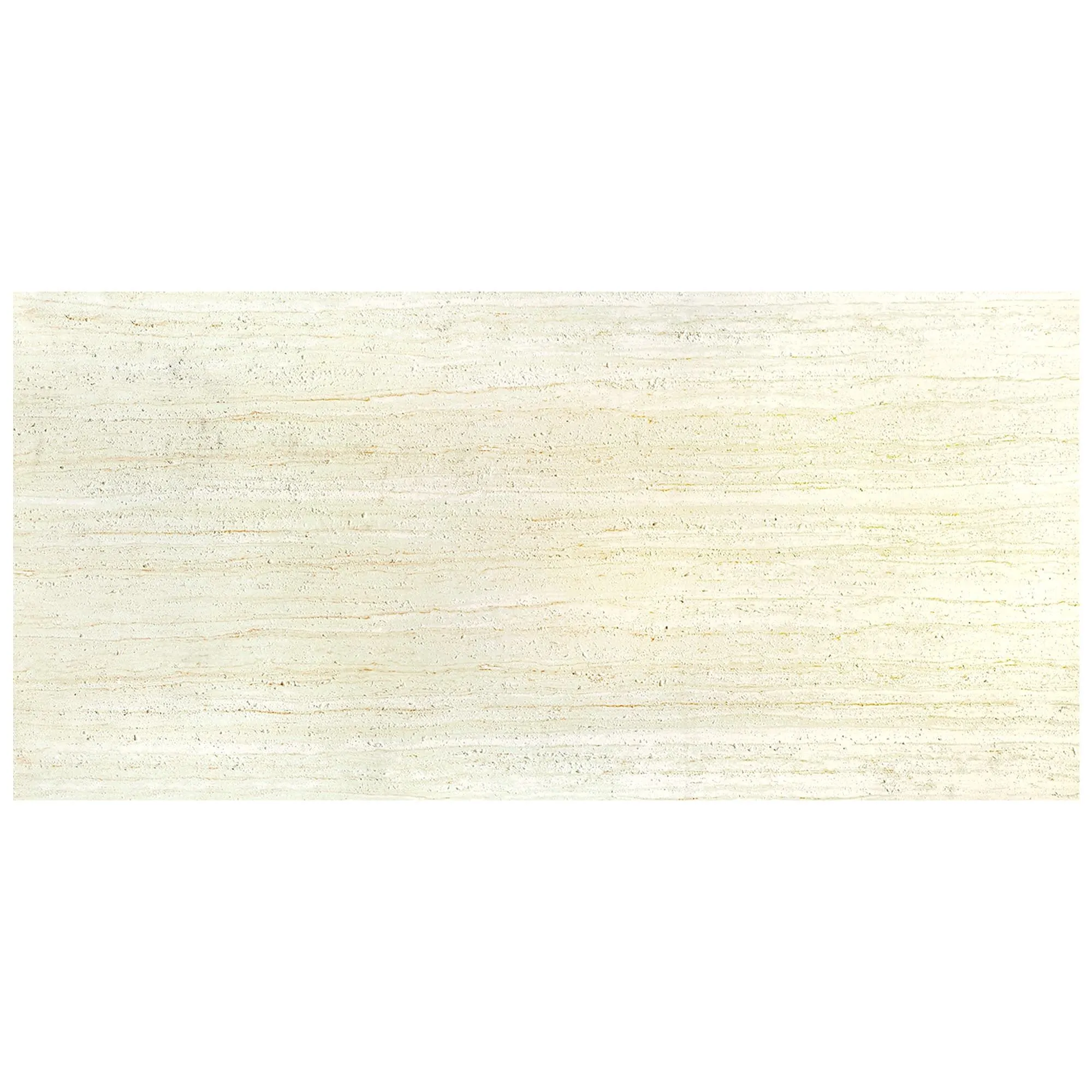
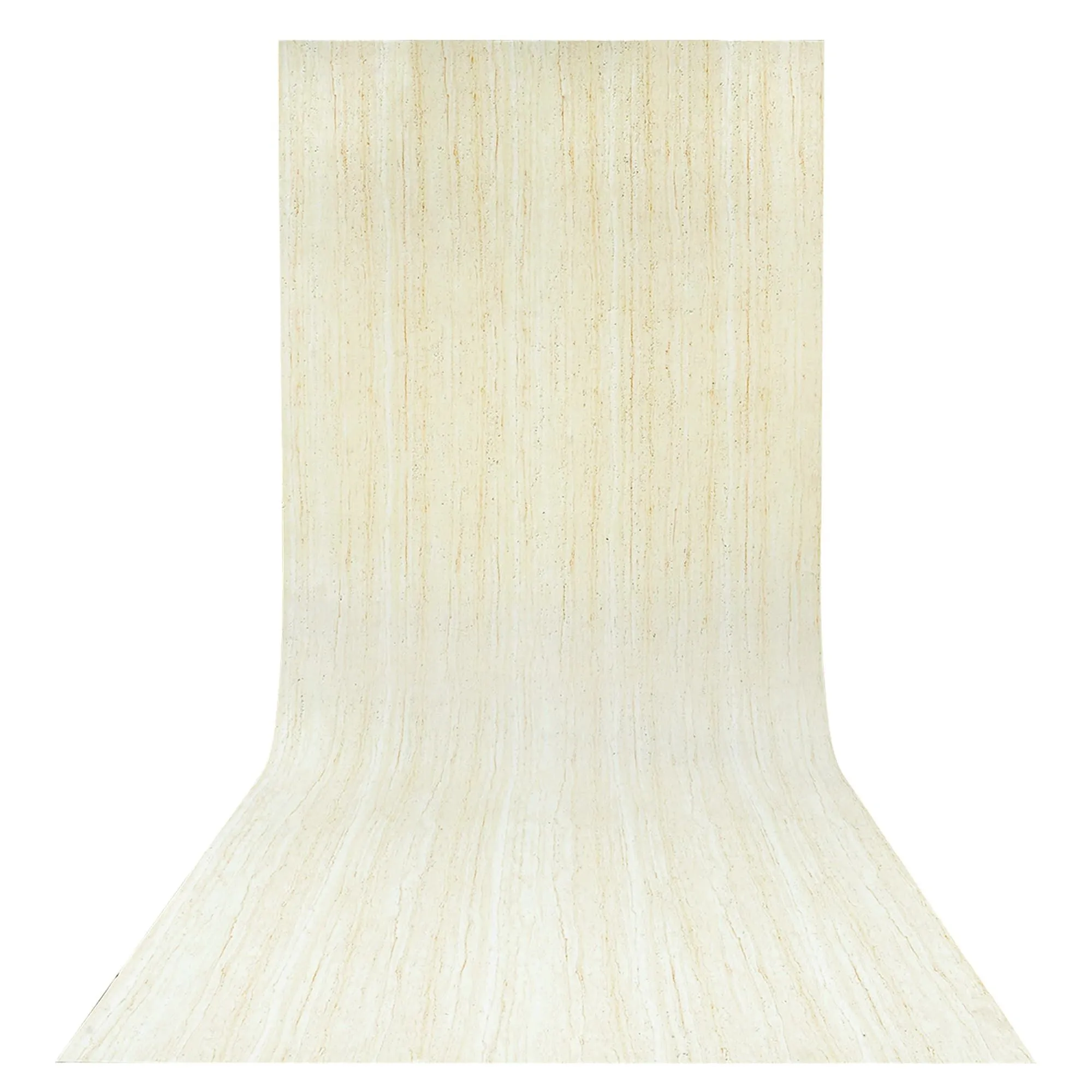
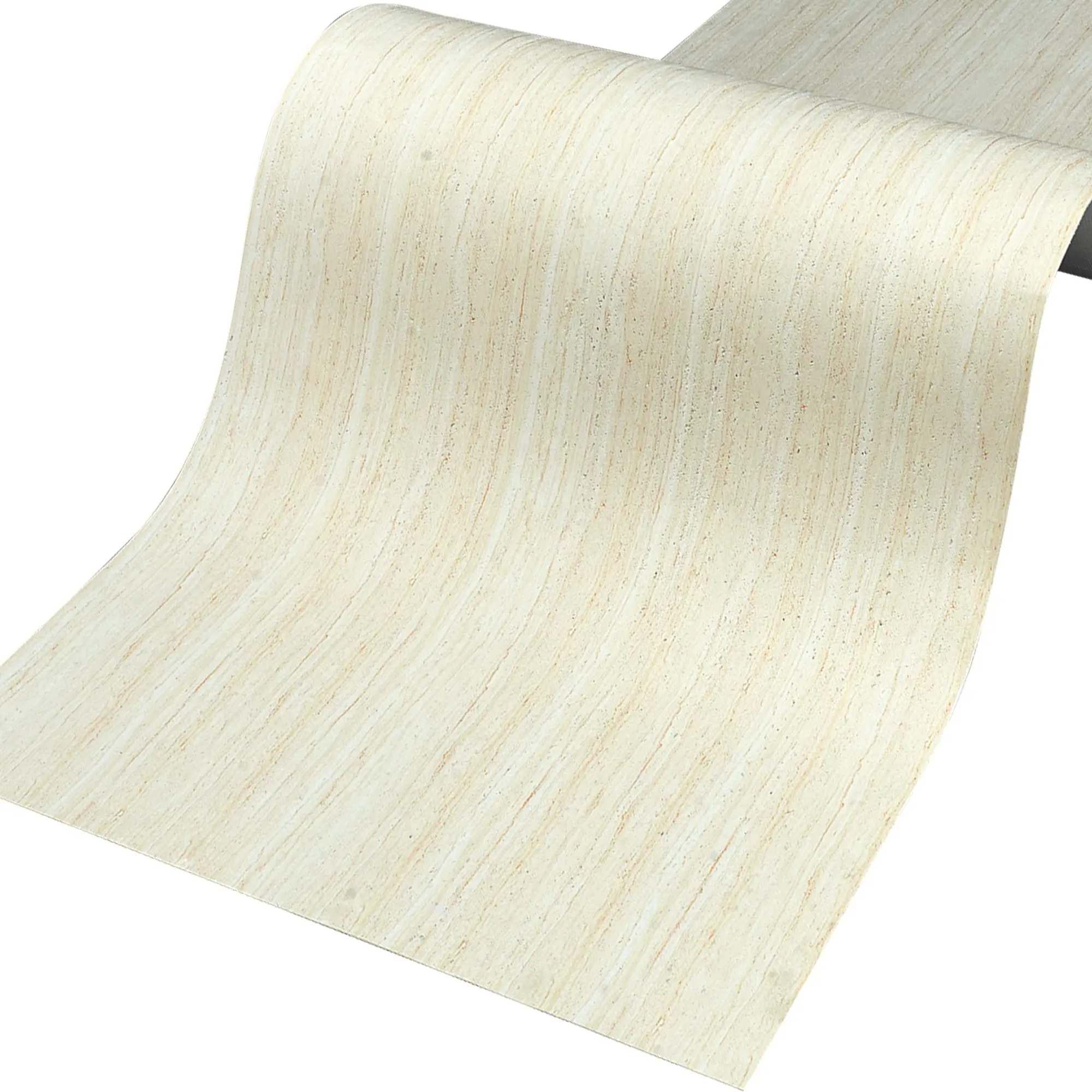
| Organic Linear | Linear Travertine (Claybank) | Natural, irregular horizontal lines; terracotta/clay hue | Cafés, farm-to-table restaurants, co-working spaces | Earthy and approachable; hides wear well |
| Sleek Modern | Fine Line Stone (Grey) | Crisp, uniform vertical/horizontal lines; cool, neutral grey | Tech offices, luxury retail, corporate lobbies | Conveys precision and modernity; easy to clean |
| Warm Natural | Wood Line | Long, vertical/horizontal grains; varies from light to dark wood tones | Restaurants, libraries, co-working spaces | Adds warmth and texture; versatile with most decor |
| Subtle Accent | Thread (Subtle Weave) | Thin, delicate lines; often used as a border or inlay | Reception desks, furniture trim, wall art | Adds detail without overwhelming; elevates simple designs |
Let's zoom in on weaving (khaki) because it's such a versatile player. Imagine a wall panel made of woven natural fibers in a soft khaki shade—think of it as a textile for your walls. It's not just visual; it's tactile. Run a hand over it, and you'll feel the gentle bump of the weave, which adds a layer of comfort missing from cold stone or metal. In a boutique selling handmade jewelry, this texture reinforces the brand's "artisanal" vibe. In a hotel lobby, it softens the space, making guests feel welcome. The khaki color is key here too—it's neutral enough to pair with bold accent colors (like deep greens or burnt oranges) but warm enough to avoid feeling sterile. Just remember: woven materials need protection from moisture, so skip them in bathrooms or outdoor patios. Indoors, though? They're magic.
Linear travertine (claybank) is like bringing a slice of the outdoors in—without the mess. Travertine is a natural stone formed by mineral deposits, and its "threads" are the horizontal layers of sediment that built up over time. No two pieces are exactly alike, which gives it a lived-in, authentic feel. The claybank color (a warm, earthy brownish-orange) is universally appealing—it works with both modern and rustic decor. In a farm-to-table restaurant, it ties the space to the "from the earth" menu. In a co-working space, it adds a grounding element, helping people focus. And because the lines are organic (not perfectly straight), it hides scratches and stains better than polished marble. Pro tip: Pair it with warm lighting to make the claybank hue glow—you'll turn a plain wall into a focal point.
If linear travertine (claybank) is nature's storyteller, fine line stone (grey) is the minimalist poet. This material is all about precision: think thin, evenly spaced lines etched into a smooth, cool grey stone. It's sleek, it's sharp, and it screams "contemporary." In a tech startup's office, it aligns with the brand's "innovative" image. In a luxury car dealership, it adds a sense of exclusivity. The grey color is a chameleon—it pairs with bold accents (like red or black furniture) for drama or with whites and beiges for a calming, monochromatic look. And because it's often sealed, it's a breeze to maintain—just wipe with a damp cloth. The only catch? It shows fingerprints, so avoid it in areas where people might lean (like a bar counter) unless you're okay with frequent cleaning.
Still not sure how to apply this? Let's look at three commercial spaces that nailed their thread pattern choices—and why they worked.
A small café in Portland wanted to stand out in a city full of coffee shops. Their vibe? "Cozy, like grandma's kitchen, but with a modern twist." They chose weaving (khaki) wall panels for their main seating area. The soft, woven texture added warmth, while the khaki color complemented their wooden tables and greenery. Customers raved about how "inviting" the space felt, and the owners noticed people stayed longer—ordering second lattes and pastries. The key? They used the weaving in a low-traffic area (above booths, not near the busy counter), so it stayed looking fresh. Lesson: Pair woven patterns with natural materials for a timeless, welcoming feel.
A software company in Austin wanted their new office to feel "collaborative but not chaotic." They chose linear travertine (claybank) for their open workspace floors. The earthy, organic lines added visual interest without distracting from meetings, and the claybank color kept the space feeling warm (important in a city known for its heat). Employees reported feeling more relaxed in the space, and the HR team noticed better teamwork—likely because the travertine's natural texture made the open office feel less sterile. Plus, the stone held up to rolling chairs and daily foot traffic, with only minor scratches after a year. Lesson: Natural linear patterns can humanize high-tech spaces.
A high-end watch retailer in New York wanted their store to feel "exclusive and sophisticated." They opted for fine line stone (grey) on their accent walls, pairing it with black display cases and gold lighting. The crisp, grey lines added a modern edge, while the stone's sleek finish made the watches (the real stars) pop. Customers commented on how "upscale" the store felt, and sales increased by 15% in the first quarter. The secret? They used the fine line stone sparingly—only on two walls—so it didn't overwhelm the space. Lesson: Use bold, modern patterns as accents, not the main event.
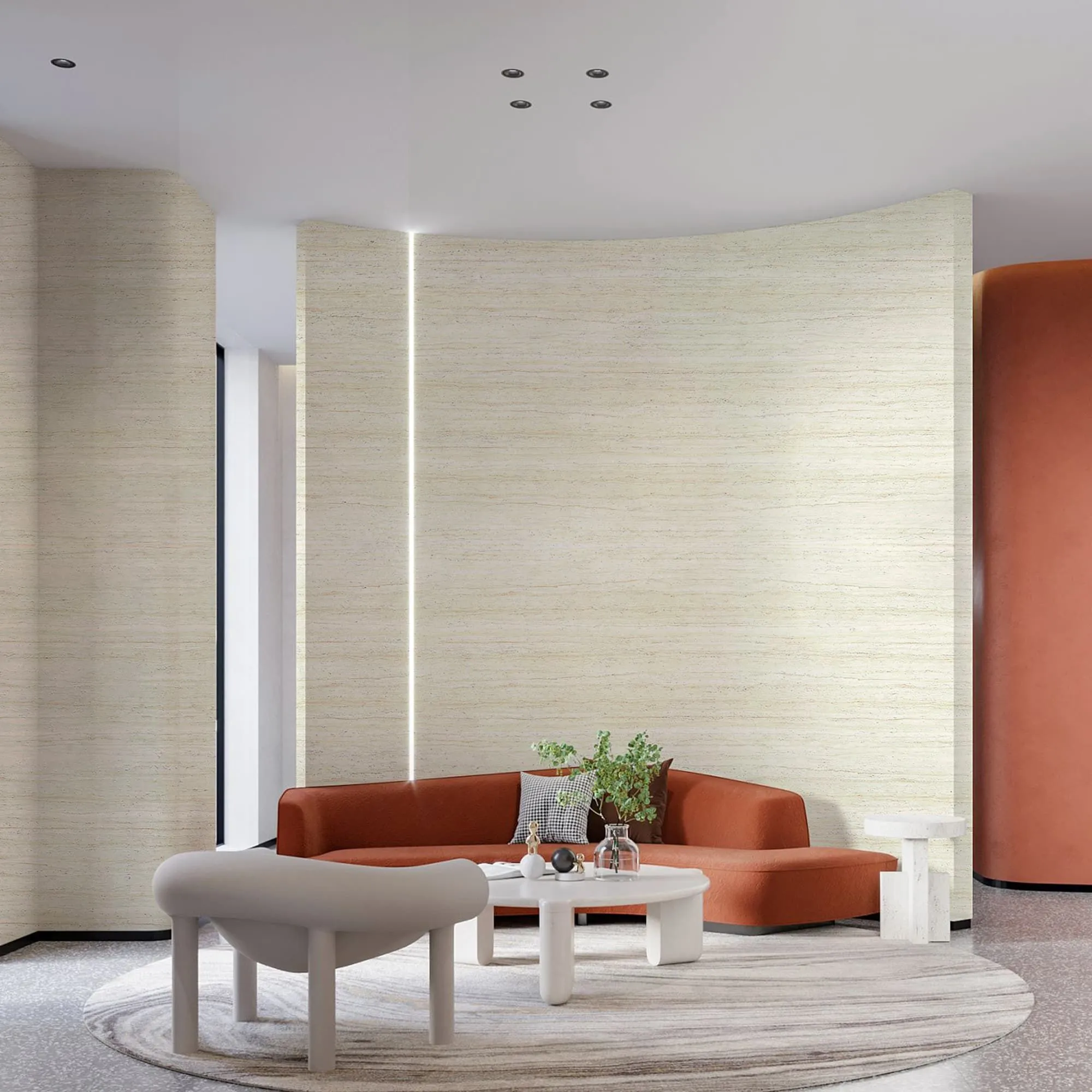
Choosing the right thread pattern isn't about following trends—it's about finding the one that aligns with your space's purpose, your brand's voice, and the people who'll use it. Whether you go with the warm coziness of weaving (khaki) , the earthy charm of linear travertine (claybank) , or the modern sleekness of fine line stone (grey) , remember: these patterns are more than just decoration. They're part of your space's identity. They'll greet customers, calm employees, and make your brand memorable. So take your time, test samples in different lighting, and don't be afraid to mix and match (a little wood line here, a touch of thread there). When you get it right, you won't just have a well-designed space—you'll have a space that feels like it was made for them . And that's the real power of thread patterns.
Recommend Products












