
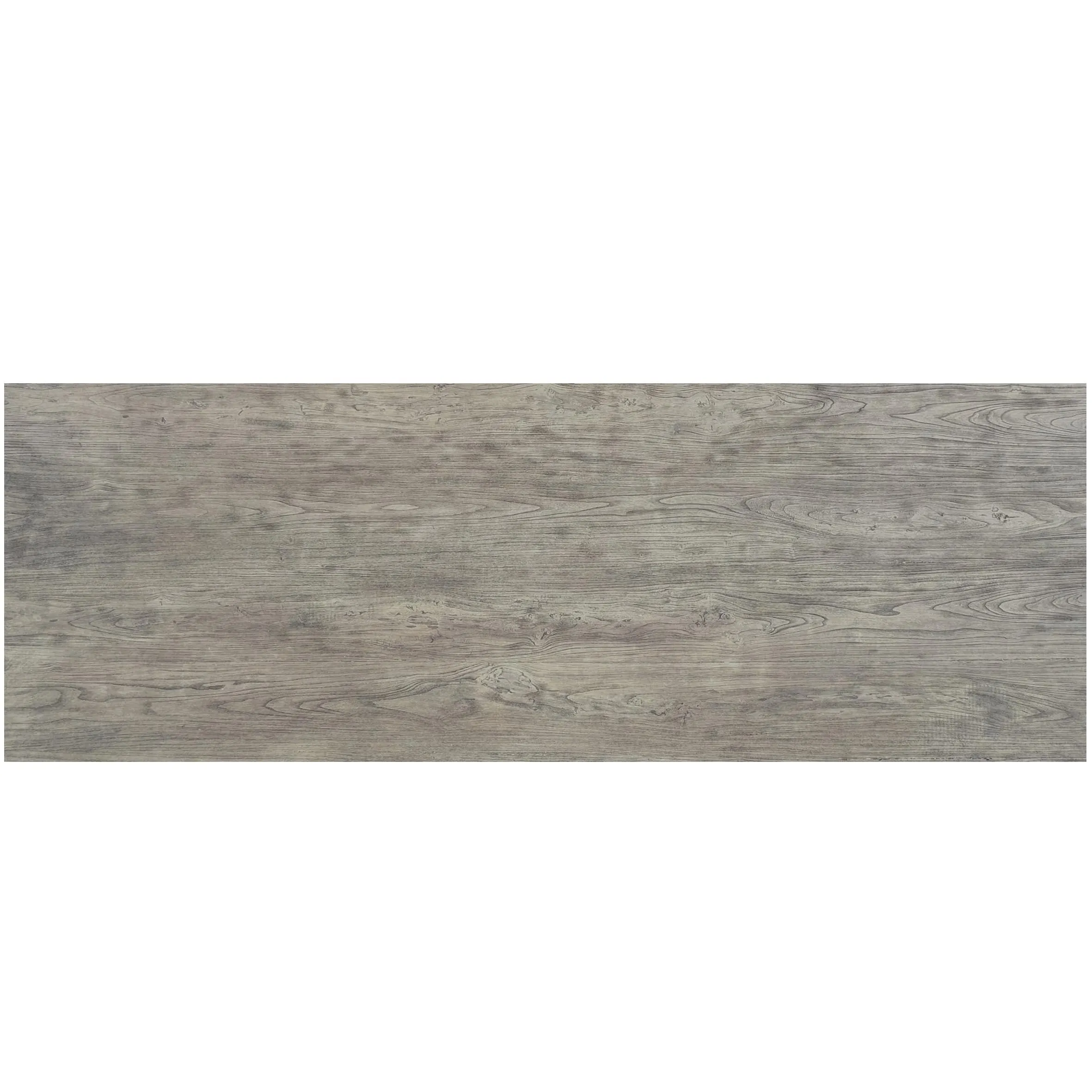
Choosing the right wood grain board for your construction or renovation project requires careful consideration of material properties, application requirements, and long-term performance. With advances in building material technology, Modified Clay Materials (MCM) have emerged as a superior alternative to traditional wood products, offering authentic aesthetics with enhanced durability and sustainability. This guide will help you navigate the selection process to find the perfect wood grain board for your specific needs.
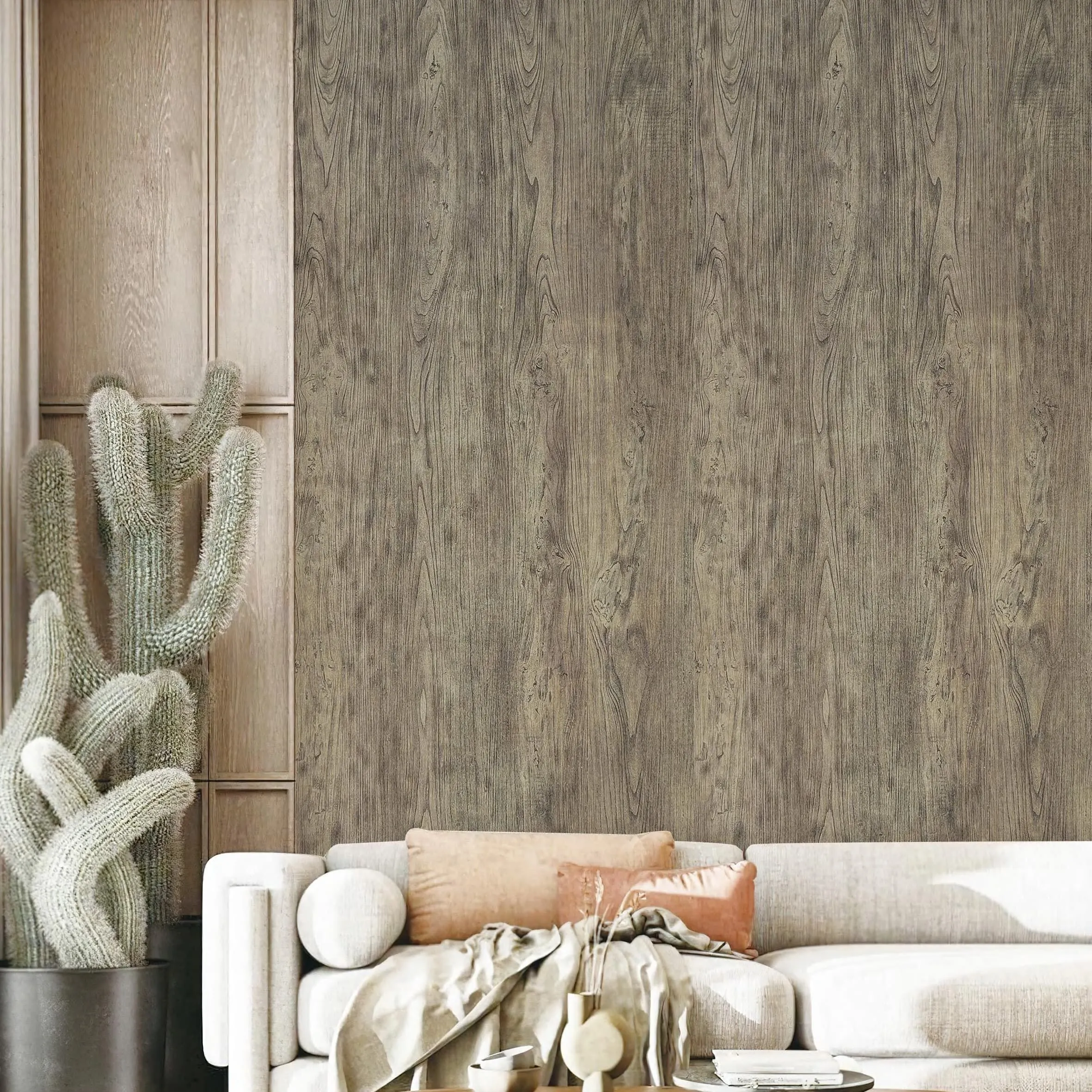
Wood grain boards are surface materials designed to replicate the natural beauty and texture of real wood. While traditional options include solid timber, veneers, and laminates, innovative wood grain board solutions using Modified Clay Materials have revolutionized the industry. These advanced materials combine the warmth and elegance of natural wood grain with exceptional durability, weather resistance, and environmental sustainability.
Unlike conventional wood products that are susceptible to moisture damage, warping, and insect infestation, MCM wood grain boards maintain their structural integrity in diverse environmental conditions. This makes them ideal for both interior applications like feature walls and cabinetry, and exterior uses including façade cladding and outdoor decorative elements.
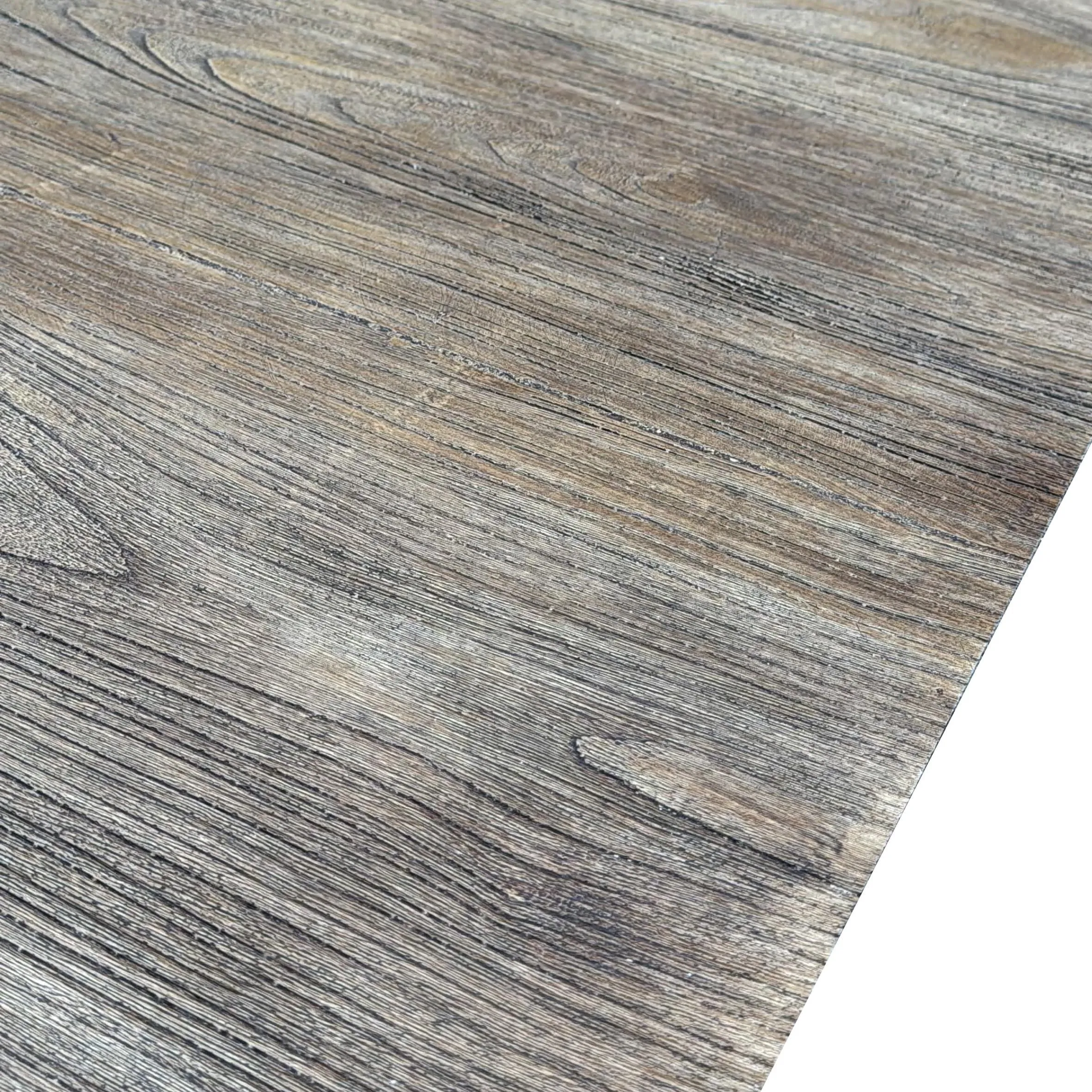
The first step in choosing the right wood grain board is understanding where it will be installed. Interior applications typically face less environmental stress, allowing for a wider range of material options. However, exterior applications demand materials that can withstand UV exposure, temperature fluctuations, moisture, and wind-driven debris.
Tip: For exterior applications, prioritize boards with proven UV stability and moisture resistance ratings. MCM wood grain boards typically offer superior performance in outdoor environments compared to traditional laminates or real wood.
Durability directly impacts long-term cost and satisfaction. Traditional wood products may require regular sealing, staining, or refinishing to maintain their appearance and prevent degradation. In contrast, advanced MCM wood grain boards are engineered to resist scratching, fading, and moisture absorption without extensive maintenance routines.
Consider the expected lifespan of the material. While budget-friendly laminates might last 10-15 years, high-quality MCM building materials can maintain their appearance and structural integrity for decades with minimal upkeep. This longevity translates to lower total cost of ownership despite potentially higher initial investment.
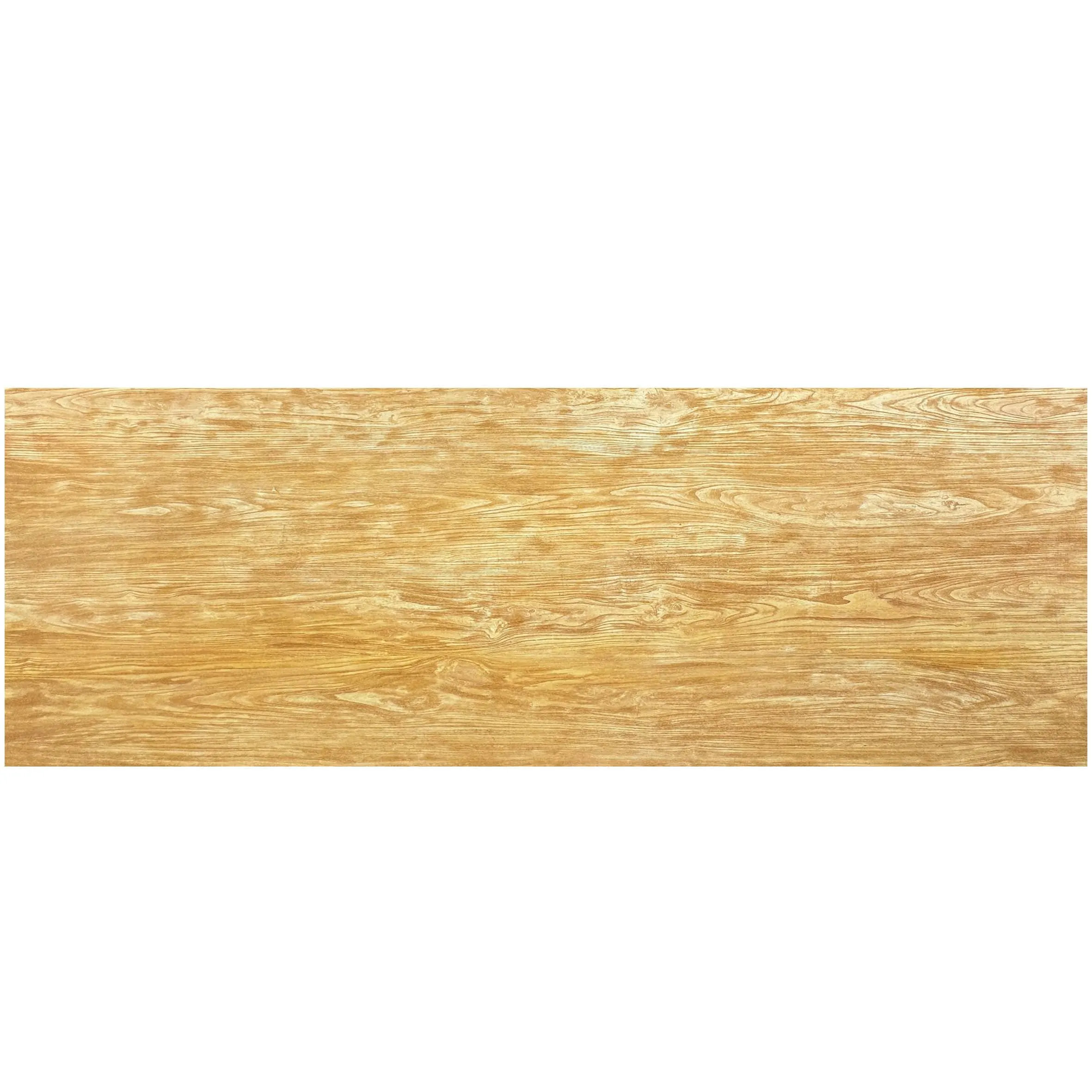
The visual appeal of wood grain boards depends on the quality of texture reproduction. Lower-quality products often display repetitive patterns that look artificial under close inspection. Premium options use advanced manufacturing techniques to create unique, realistic grain patterns with tactile texture that closely mimics natural wood.
MCM technology allows for remarkable design flexibility. Products like the Wood Line and Zen Wood Panel series offer diverse aesthetic options ranging from contemporary sleek finishes to rustic reclaimed wood appearances. This versatility enables designers to achieve their vision without compromising on material performance.
Different wood grain board systems require specific installation approaches. Consider whether your project can accommodate mechanical fastening, adhesive bonding, or specialized track systems. The weight and thickness of the material affect structural requirements and labor costs.
Flexible stone panels and MCM boards often feature lighter weight than natural stone or solid wood, reducing structural load and simplifying installation. Some systems are designed for DIY installation, while others require professional expertise to ensure proper performance and warranty coverage.
Sustainable building practices increasingly influence material selection. Traditional hardwood harvesting can contribute to deforestation and habitat loss. Engineered alternatives that reduce demand for old-growth timber align with green building principles and may contribute to LEED certification points.
MCM wood grain boards represent an environmentally conscious choice. By utilizing abundant clay minerals and reducing dependence on harvested timber, these materials offer aesthetic excellence with minimal environmental footprint. Additionally, their longevity reduces replacement frequency, further decreasing lifetime environmental impact.
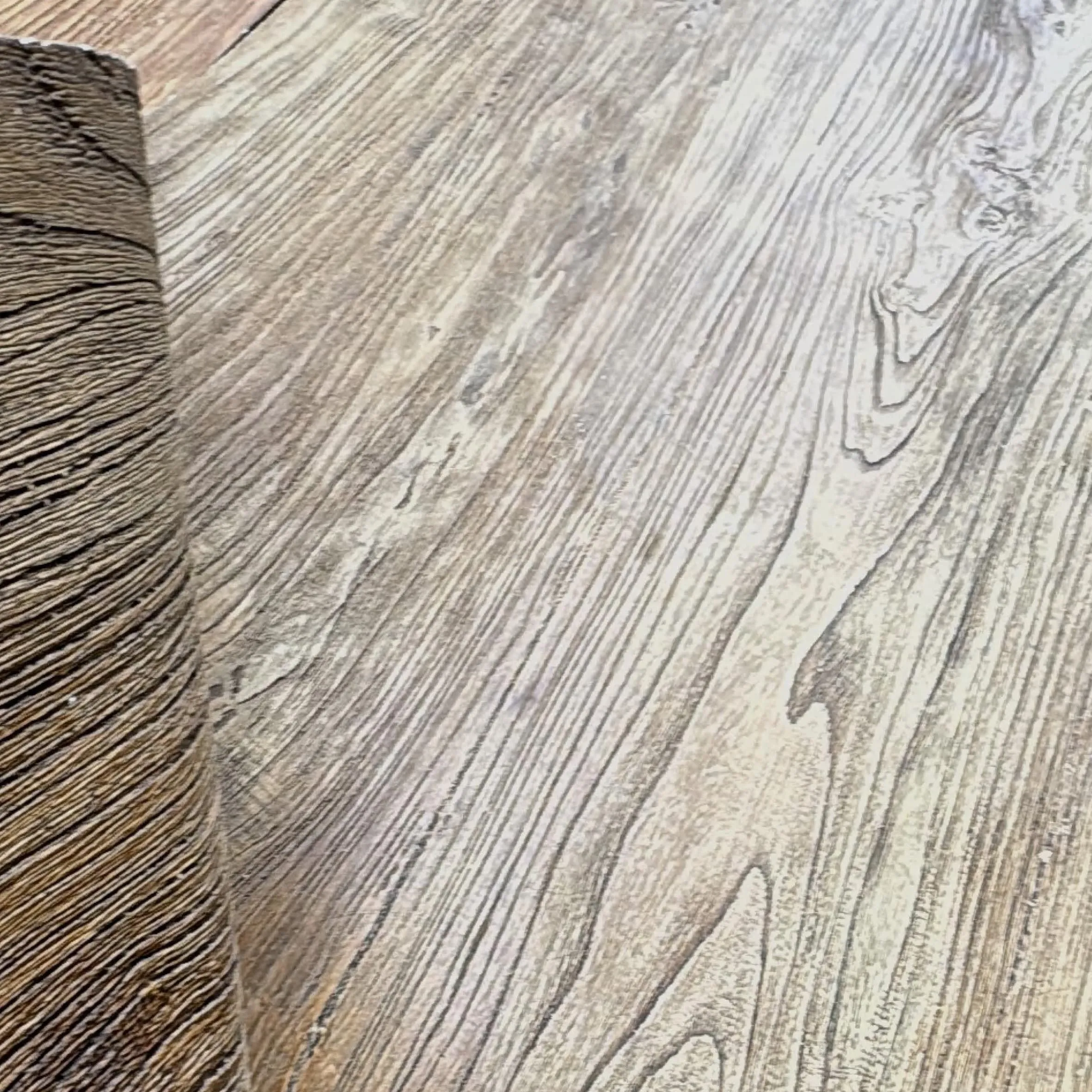
Real wood veneers offer authentic grain patterns and the natural warmth of timber. They can be refinished multiple times and develop character over time. However, they require careful humidity control and regular maintenance. Best suited for interior applications with stable environmental conditions and owners committed to ongoing care.
HPL products provide excellent durability and scratch resistance at moderate price points. Available in countless patterns, they work well for cabinetry, furniture, and light commercial flooring. Limitations include inability to repair damage and potential edge delamination in high-moisture environments.
Modified Clay Material boards represent cutting-edge technology in decorative surface materials. These products combine realistic wood grain aesthetics with exceptional durability, weather resistance, and design flexibility. Key advantages include:
Leading MCM products like the Wood Grain Board, Sawing Wood Board, and Poly Wood Board series from MCM project board series offer architects and designers versatile solutions for achieving wood aesthetics in demanding applications where traditional materials would fail.
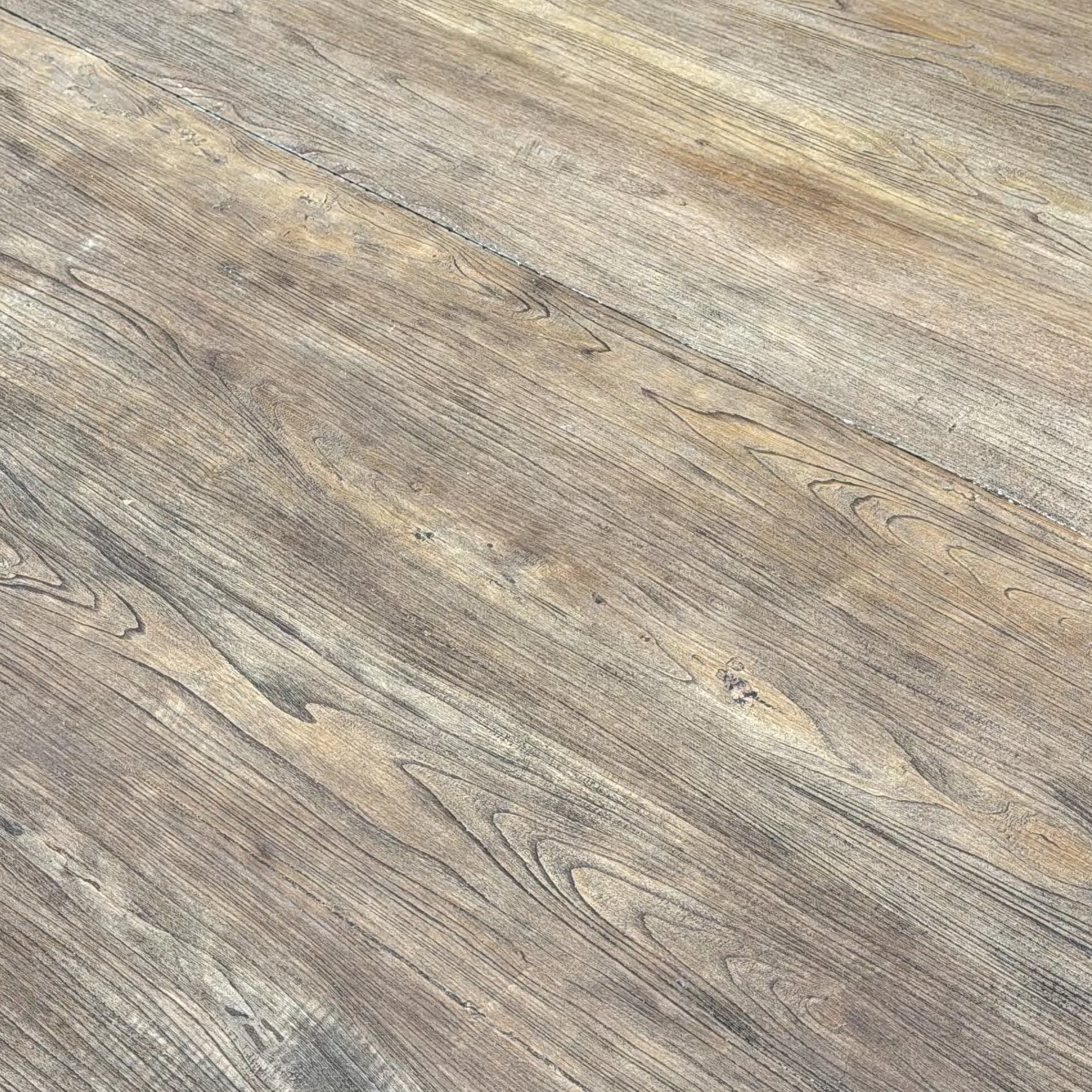
Follow this systematic approach to choose the optimal wood grain board for your project:
Step 1: Define Application Requirements
Document specific needs including location (interior/exterior), exposure conditions, traffic levels, and performance expectations. This creates a baseline for evaluating material options.
Step 2: Establish Budget Parameters
Determine total budget including materials, installation, and long-term maintenance. Remember that initial cost differs from lifetime cost—higher-quality materials often provide better value over time.
Step 3: Request Physical Samples
Obtain samples from potential suppliers and evaluate them in the actual installation environment. Check appearance under both natural and artificial lighting, assess texture quality, and verify color consistency.
Step 4: Verify Technical Specifications
Review product data sheets for relevant performance metrics including abrasion resistance, water absorption, fire rating, and UV stability. Ensure specifications meet project requirements and local building codes.
Step 5: Check Warranty and Support
Evaluate warranty terms covering fading, delamination, and structural defects. Reputable manufacturers stand behind their products with comprehensive coverage and responsive customer service.
Step 6: Confirm Installation Requirements
Assess whether installation can be completed in-house or requires professional contractors. Factor installation costs and timeline into project planning.
Selecting the right wood grain board requires balancing aesthetic preferences, performance requirements, budget constraints, and environmental considerations. Traditional wood veneers offer unmatched authenticity but demand careful maintenance and controlled environments. High-pressure laminates provide cost-effective durability for many applications but cannot match the performance of advanced materials in challenging conditions.
For projects demanding exceptional durability, weather resistance, and authentic aesthetics, MCM wood grain boards represent the optimal solution. These innovative materials deliver the warmth and beauty of natural wood grain while offering superior performance in both interior and exterior applications. Their sustainability credentials, combined with minimal maintenance requirements, make them an excellent choice for forward-thinking construction and renovation projects.
By carefully evaluating your specific needs, reviewing technical specifications, and consulting with experienced suppliers, you can confidently select a wood grain board solution that delivers lasting satisfaction and value. Remember to request samples, verify certifications, and ensure proper installation to maximize the performance and lifespan of your chosen material.
Recommend Products












