Picture this: You're standing in your backyard, coffee in hand, staring at the blank exterior wall of your home. Or maybe you're an architect, spreadsheets open, trying to finalize materials for a commercial project. Either way, one question keeps nagging at you:
What thickness should the wood grain board be?
It's not just a detail—it's the difference between a facade that shines for decades and one that warps, cracks, or looks awkwardly out of place in five years.
Wood grain board, with its warm, organic look, is a popular pick for exteriors, but getting the thickness right? That's where the magic (and the stress) happens. Let's break this down, step by step, so you can choose with confidence.
First Things First: What Even Is Wood Grain Board?
Before we dive into thickness, let's make sure we're all on the same page.
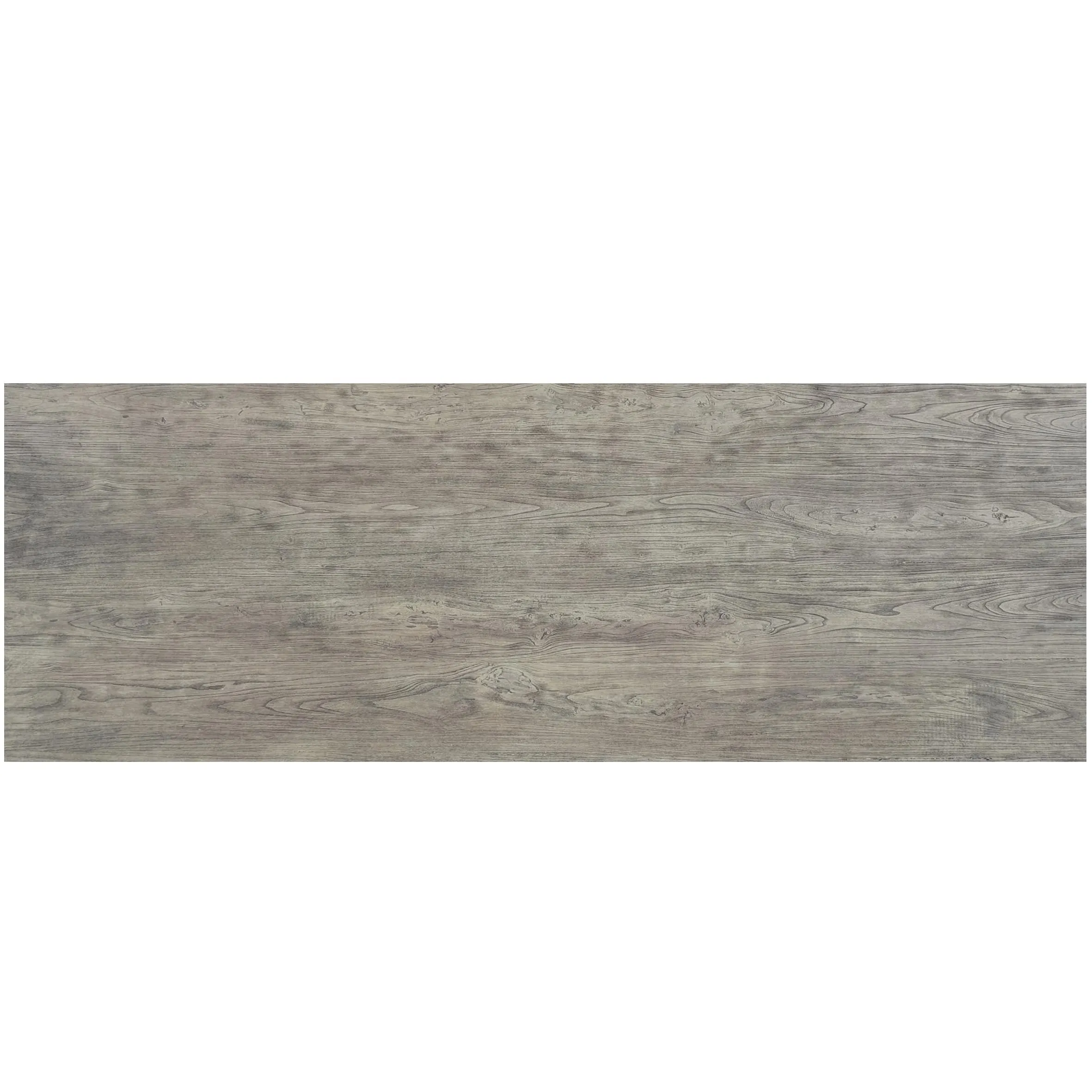
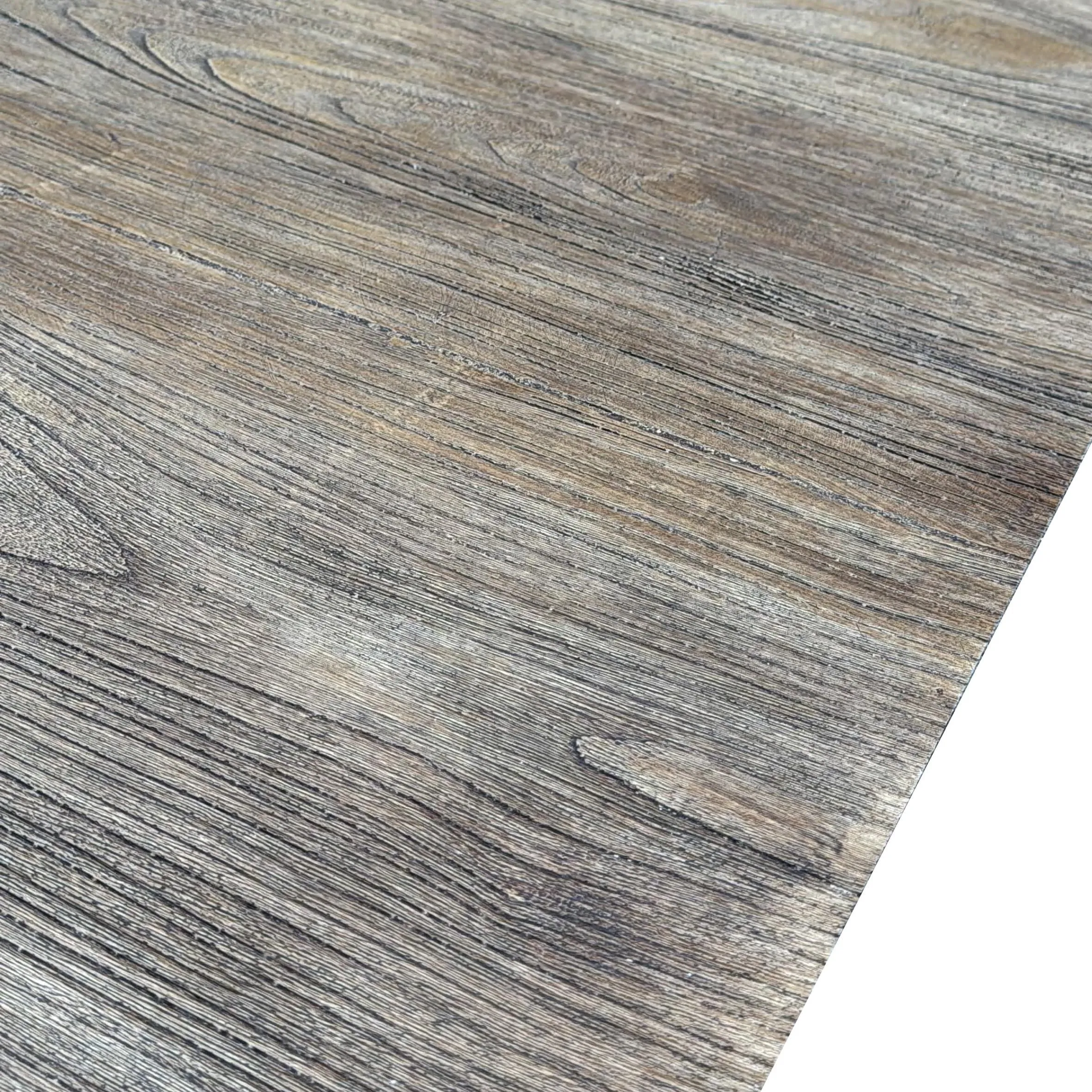
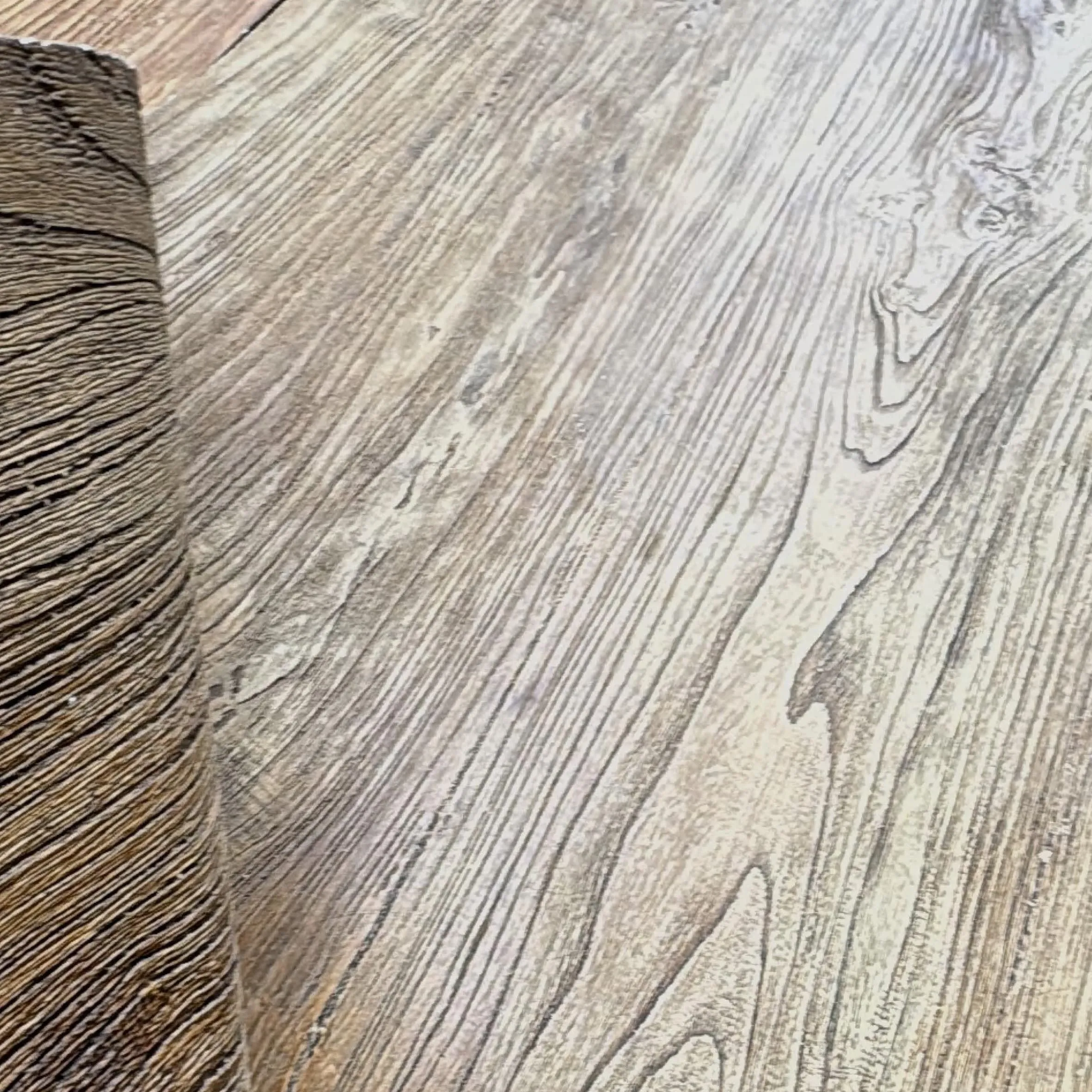
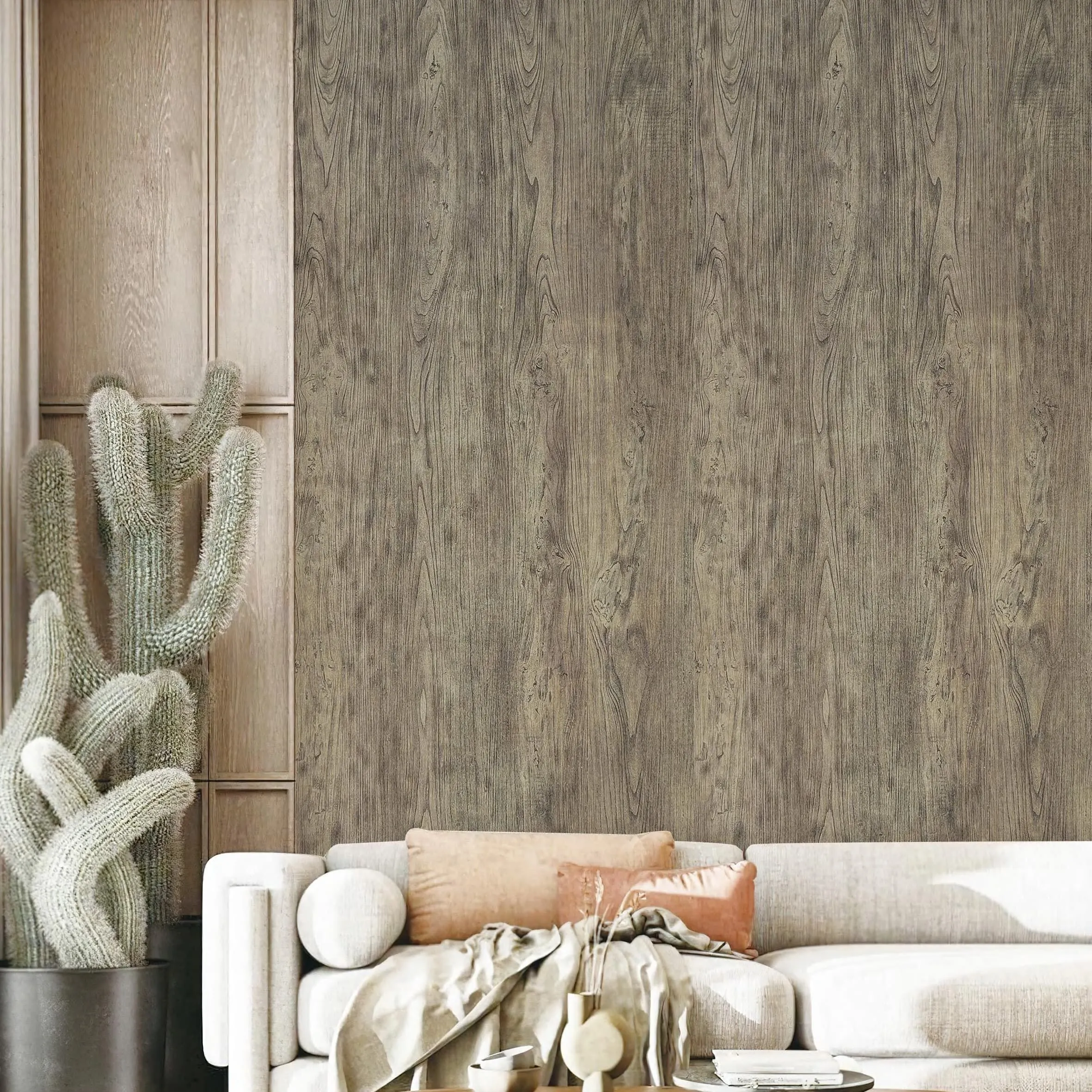
Wood grain board is exactly what it sounds like: a building material designed to mimic the look of real wood, but often made from engineered composites, PVC, or modified wood fibers. It's durable, resistant to rot and pests (unlike real wood), and comes in a range of finishes that can fool even the keenest eye. What sets it apart from, say,
MCM flexible stone (a lightweight, flexible cladding option) or
fair-faced concrete (that raw, industrial look) is its ability to bring warmth and texture without the high maintenance of natural timber. But here's the kicker: its performance—how well it holds up to rain, wind, and sun—depends heavily on how thick it is. So let's talk about why thickness matters, and how to pick the right one for your project.
Factor 1: Climate—Your Environment Calls the Shots
Your local weather isn't just small talk—it's the single biggest factor in choosing
wood grain board thickness. Let's break it down by scenarios:
Humidity and Rain:
If you live somewhere damp—think Seattle, the Pacific Northwest, or a coastal town—moisture is your board's worst enemy. Thin boards (3-6mm) might warp or swell when they absorb water, especially if they're not properly sealed. Medium thickness (7-12mm) tends to hold up better here; the extra density gives it more stability against expansion. For areas with monsoon seasons or constant drizzle? You might even lean toward thick (13-20mm) to add an extra barrier against moisture penetration.
Temperature Swings:
Places with extreme temperature shifts—like the Midwest, where it's -10°F in winter and 95°F in summer—put stress on materials.
Wood grain board expands in heat and contracts in cold; thin boards can buckle under these changes, while thicker ones (13mm+) have more mass to resist warping. On the flip side, if you're in a mild climate (hello, Southern California or the Mediterranean), thin to medium thickness might work just fine—less risk of dramatic movement means less need for extra bulk.
Wind and Weather Events:
Coastal areas with high winds, or regions prone to storms, need boards that can handle pressure. Thicker boards (13-20mm) are stiffer, so they're less likely to flutter or crack in gusts. They also attach more securely to framing—think of it like nailing a thin sheet of paper vs. a thick cardstock to a wall; the cardstock stays put when the wind picks up.
Real-Life Example:
A beach house in Florida (high humidity, hurricane winds) vs. a cabin in Colorado (dry air, cold winters). The Florida home would likely opt for 15mm
wood grain board—thick enough to resist moisture and wind. The Colorado cabin? Maybe 9mm—less moisture risk, so medium thickness balances durability with a cozy, rustic look.
Factor 2: Structural Needs—It's Not Just About Looks
Let's get practical: Your
wood grain board isn't just a pretty face—it has a job to do structurally. Here's what to consider:
Span Length:
If your boards are covering long distances between supports (like wall studs or deck joists), thickness matters. For example, if you're cladding a large exterior wall with studs spaced 16 inches apart, a thin 5mm board might sag between studs over time. Bump that up to 10mm, and suddenly it has the rigidity to stay flat. As a rule of thumb: the farther apart your supports, the thicker the board needs to be.
Load-Bearing:
Is your
wood grain board part of a walkable surface (like a deck or patio) or just a decorative facade? Decks take foot traffic, furniture, maybe even a grill—so they need thick, sturdy boards (15-20mm) to avoid bending or breaking. Facades, which are mostly just holding themselves up, can get away with thinner options (7-12mm), unless they're in a high-wind area (then, as we covered, thicker is better).
Substrate Compatibility:
What are you attaching the board to? If your exterior wall is made of
fair-faced concrete (smooth, solid), even thin boards can adhere well with the right adhesives. But if you're attaching to a uneven surface, like rough granite stone (beige) with its bumpy texture, thicker boards (10mm+) can bridge gaps and hide imperfections better than thin ones, which might follow the substrate's unevenness and look wavy.
Factor 3: Aesthetic Goals—Thickness Shapes the Vibe
Okay, let's talk about the fun part: how thickness affects how your project
looks
.
Wood grain board's thickness can make or break your design vision.
Modern vs. Rustic:
Thin boards (3-6mm) have a sleek, minimalist look—perfect for modern homes with clean lines. They lie flat, creating a smooth, almost seamless facade that reads as "contemporary." Thicker boards (13mm+), on the other hand, have more depth. The grain pops more, and the boards cast subtle shadows, giving off a rustic, cabin-like vibe. Think of it like the difference between a flat paint and a textured one—both nice, but totally different feels.
Building Proportion:
A tiny cottage with thick 20mm boards might look top-heavy, like it's wearing oversized shoes. Conversely, a large commercial building with thin 5mm boards could look insubstantial, like it's wrapped in paper. Match the thickness to the building's scale: smaller structures often shine with medium (7-12mm) boards, while larger ones can pull off thicker (15mm+) without looking clunky.
Color and Grain Visibility:
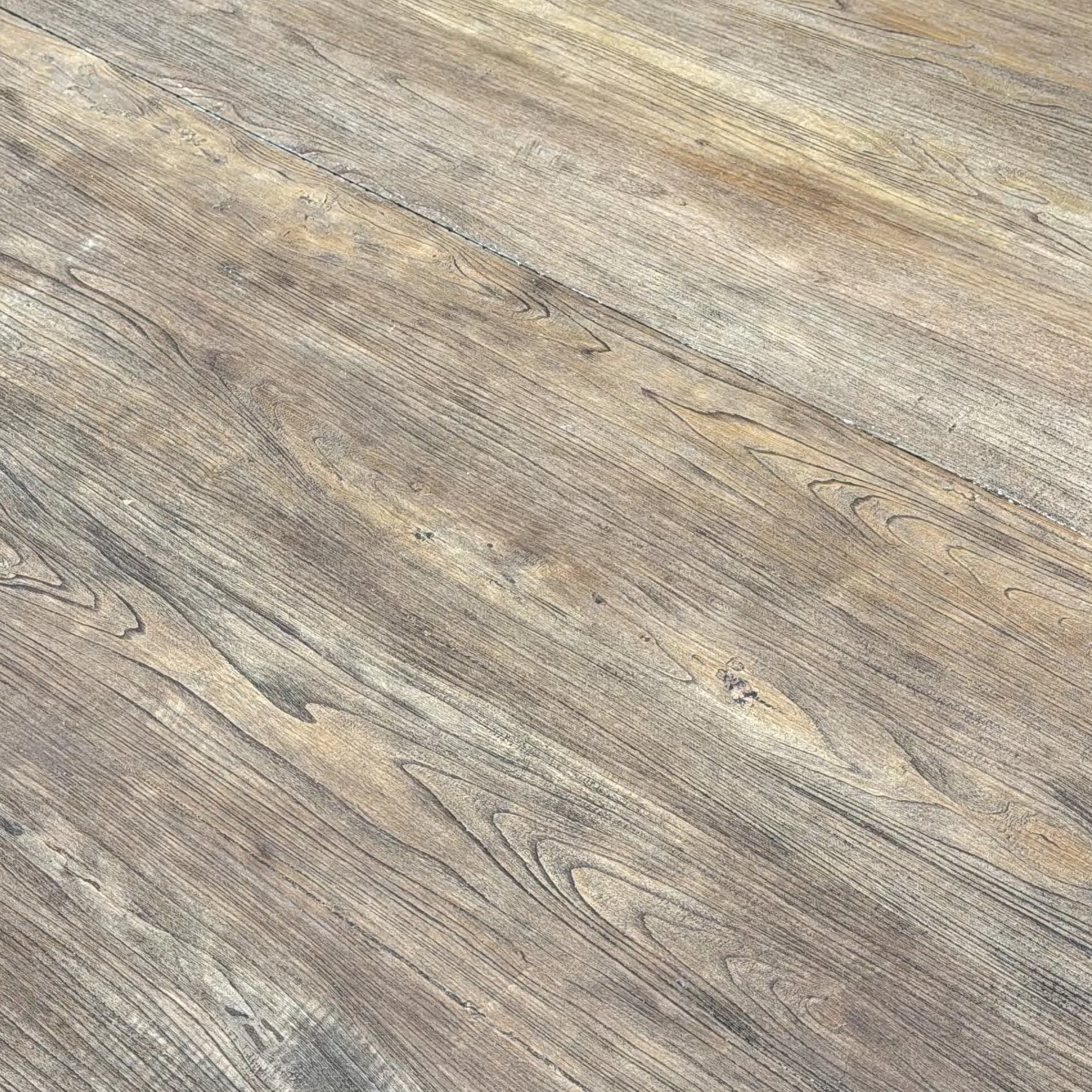
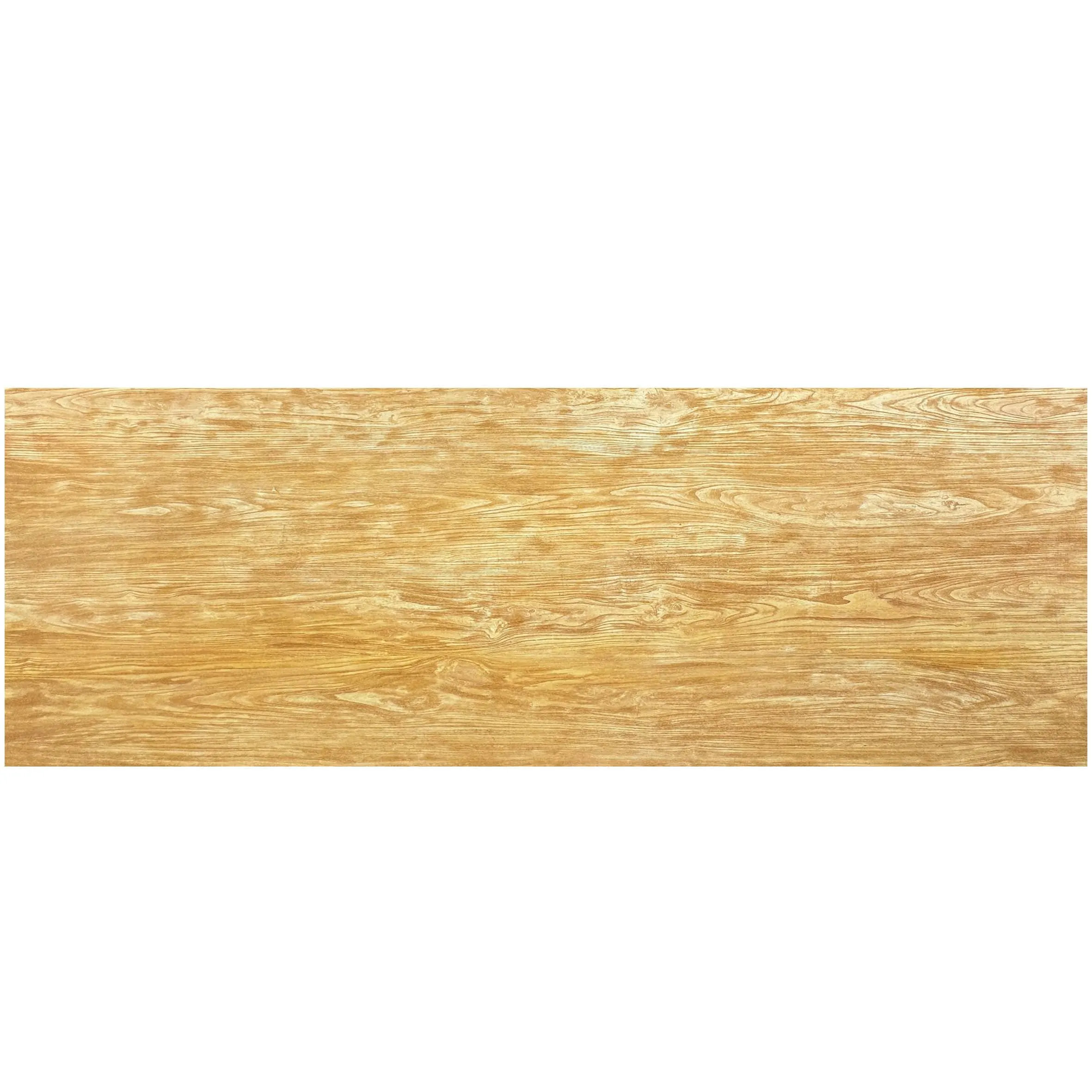
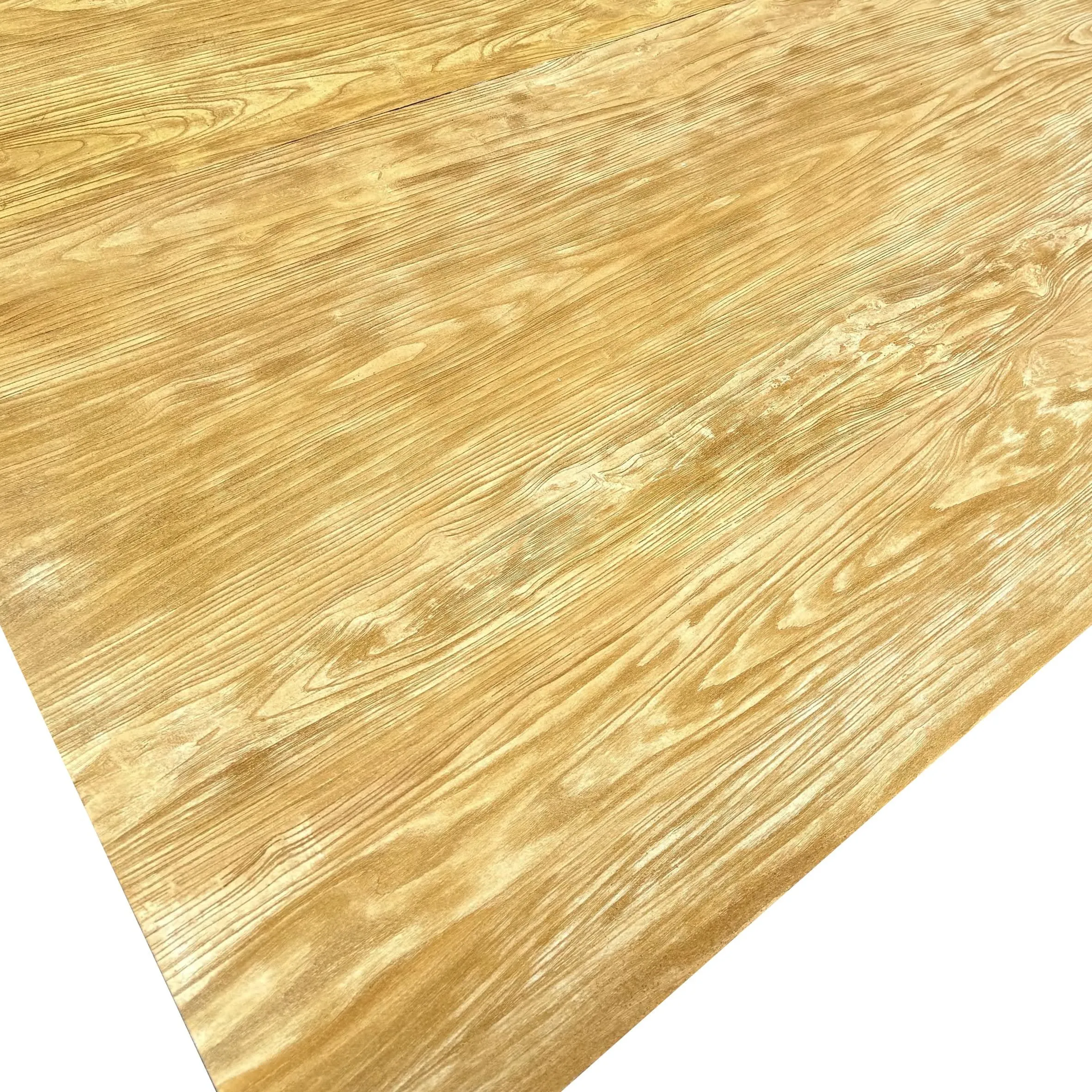
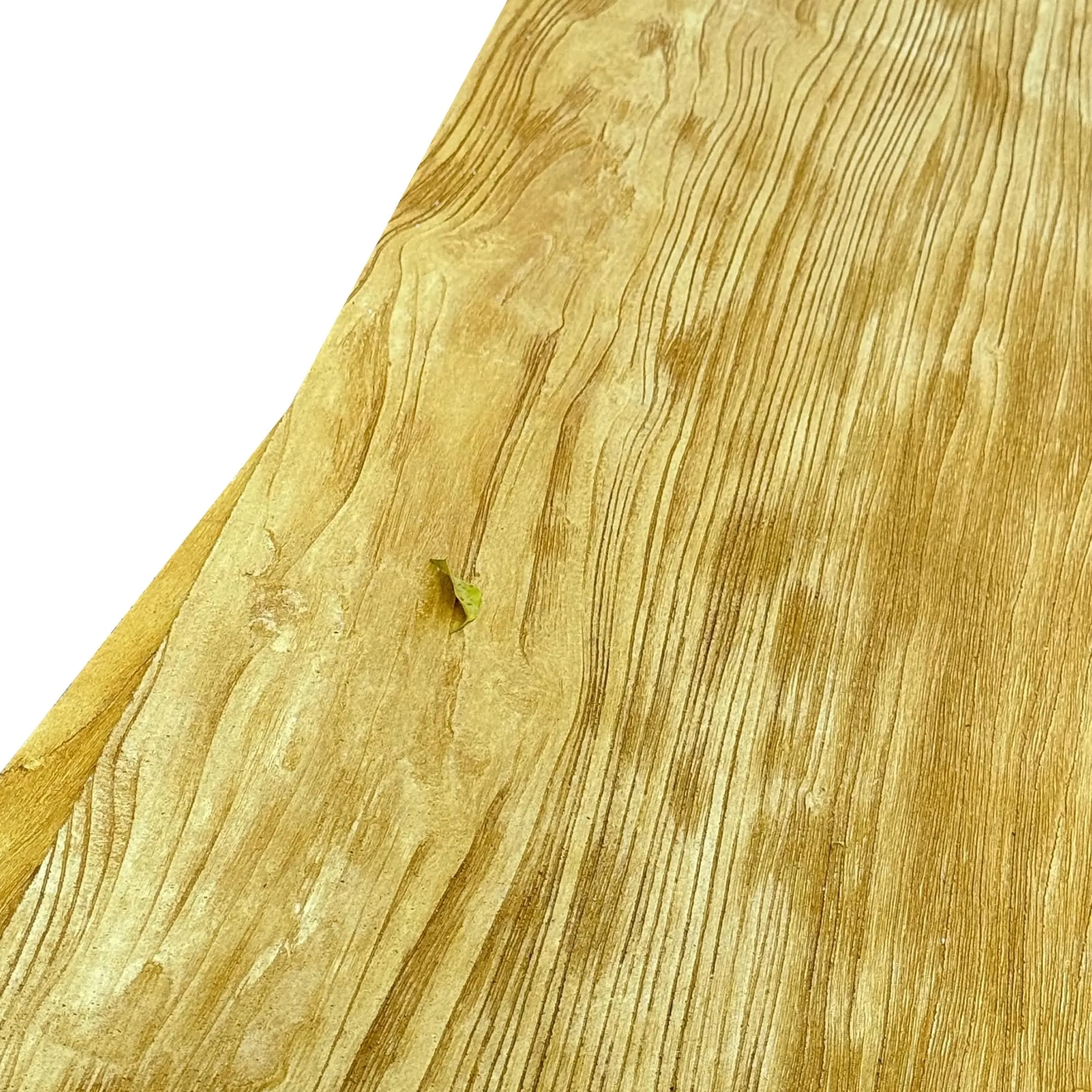
Thicker boards often have more pronounced grain patterns—since there's more material, the texture (like knots or wood lines) is deeper and more visible. If you're going for a "real wood" look, thicker is better. If you want a muted, uniform appearance (say, a light wood tone for a modern exterior), thin to medium might be the way to go.
Factor 4: Installation—Thickness Affects How It Goes Up
Let's not forget about the people who'll actually install the boards. Thickness impacts weight, handling, and tools needed:
Weight and Handling:
Thin boards (3-6mm) are lightweight—great for DIY projects or installations where workers are carrying materials up ladders. A 4x8 sheet of 5mm
wood grain board might weigh 15 pounds; the same sheet in 18mm could weigh 40 pounds. That extra weight means more labor, maybe even a crane for large sheets. If you're working with a small crew, medium thickness (7-12mm) is often the sweet spot—sturdy but manageable.
Fasteners and Tools:
Thicker boards need stronger fasteners. A 5mm board might secure with small brad nails, while 18mm requires screws or heavy-duty staples. You'll also need tools that can handle the thickness—standard shears might cut through 6mm, but 15mm might need a circular saw with a fine-tooth blade. Factor this into your budget and timeline!
Factor 5: Maintenance—Thicker Isn't Always "Lower Maintenance"
You might think: "Thicker boards are tougher, so they'll need less upkeep, right?" Not always. Here's the nuance:
Wear and Tear:
Thicker boards (13mm+) do resist scratches and dents better than thin ones—good news for high-traffic areas like deck edges or porch railings. But they're also heavier, which can put more stress on fasteners over time. If those fasteners loosen, a thick board is harder to reattach than a thin one.
Finishing and Refinishing:
If you ever want to repaint or restain your
wood grain board, thicker boards have more material to sand down—so you can refinish them more times than thin ones. But if you're using a pre-finished board (most are), this might not matter. For example, a 10mm pre-finished board will last just as long as a 15mm one if the finish is high quality—thickness doesn't protect the finish, the finish protects the board.
Wood Grain Board Thickness Comparison: The Cheat Sheet
To make this easier, here's a quick reference table to match thickness with your project's needs:
|
Thickness Range (mm)
|
Best For (Climate/Setting)
|
Structural Support
|
Aesthetic Impact
|
Installation Notes
|
|
3-6mm (Thin)
|
Mild climates, low humidity, no extreme winds; decorative facades only
|
Low—needs close stud spacing (12 inches or less)
|
Sleek, modern, minimal texture; best for smooth substrates
|
Lightweight, easy to cut; risk of warping in damp areas
|
|
7-12mm (Medium)
|
Moderate climates, low to medium humidity; facades, soffits, low-traffic decks
|
Moderate—works with standard stud spacing (16-24 inches)
|
Balanced texture; versatile for modern or rustic looks
|
Manageable weight; good for DIY or small crews
|
|
13-20mm (Thick)
|
Humid/coastal areas, high winds, heavy rain; high-traffic decks, commercial buildings
|
High—spans longer distances; resists sagging and impact
|
Bold, rustic texture; deep grain visibility
|
Heavier; needs strong fasteners and power tools
|
|
20mm+ (Extra Thick)
|
Extreme conditions (hurricanes, blizzards); load-bearing structures (heavy decks, benches)
|
Maximum—supports weight and resists severe weather
|
Substantial, industrial look; makes a statement
|
Requires heavy equipment for installation; high labor cost
|
When to Consider Alternatives: Wood Grain Board vs. the Rest
Wood grain board is fantastic, but it's not the only option. Let's quickly compare it to other materials to make sure you're making the best choice:
MCM Flexible Stone:
If you want the look of stone but need something lightweight,
MCM flexible stone (as thin as 2-3mm) is a great pick. It's flexible, so it works on curved surfaces, but it lacks the warmth of wood grain. Best for modern, industrial exteriors where stone aesthetics matter more than texture depth.
Fair-Faced Concrete:
Ultra-durable and low-maintenance, but it's heavy (thick slabs) and has a cold, utilitarian look. Great for warehouses or minimalist homes, but not ideal if you're going for a cozy, natural vibe.
Rough Granite Stone (Beige):
Natural stone with tons of character, but it's extremely heavy (thick slabs require strong structural support) and expensive.
Wood grain board mimics natural texture at a fraction of the weight and cost.
Choosing the right
wood grain board thickness for your exterior project isn't about picking the "best" option—it's about picking the
right
option for
your
needs. Start by assessing your climate, structural requirements, and aesthetic goals, then use the table above to narrow it down. And remember: when in doubt, consult a professional. A local contractor or architect will know your area's quirks (like that random microclimate in your neighborhood!) and can help you strike the perfect balance between durability, looks, and budget. With the right thickness, your
wood grain board exterior won't just look great—it'll stand the test of time, weather, and whatever else your environment throws at it. Happy building!