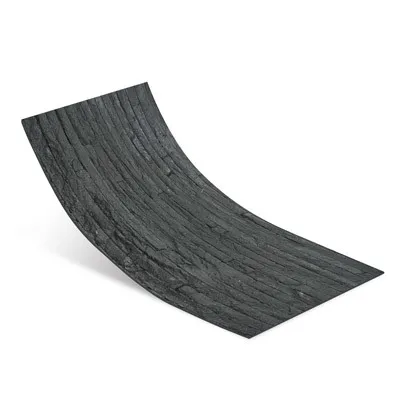
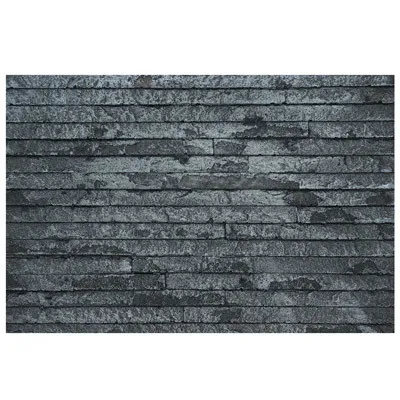
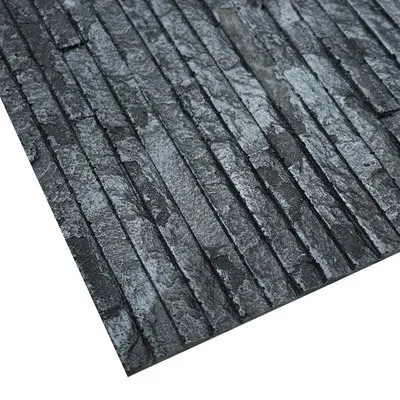
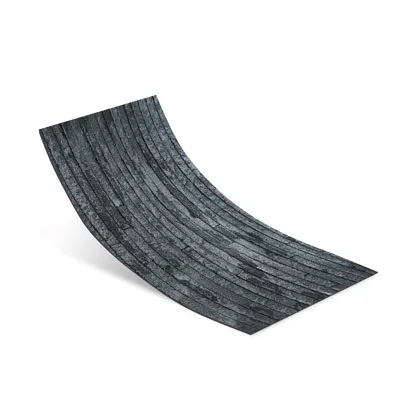
If you've ever stepped into a space adorned with Dark Grey Muretto Stone, you know there's something almost magnetic about it. Its deep, moody hues—like a stormy sky captured in stone—add a sense of (calm) and sophistication to floors, walls, or countertops. Maybe you fell in love with it for your kitchen backsplash, or perhaps it's the statement wall in your living room that always draws compliments. But here's the thing: that same beauty that makes it stand out also makes it tricky to keep clean. Scratches, water spots, or harsh chemicals can turn its smooth surface dull, and no one wants that.
I've talked to homeowners, interior designers, and stone care experts over the years, and one question comes up time and again:
"How do I clean this stuff without ruining it?"
It's a fair worry. Dark Grey Muretto Stone, part of the broader Muretto stone family (you might have seen its lighter cousin, Muretto stone (beige), in softer spaces), has a unique composition—slightly porous, with subtle veining that can trap dirt if you're not careful. Clean it wrong, and you could end up with streaks, etches, or even permanent discoloration. But clean it right? It'll stay as striking as the day it was installed.
In this guide, we're breaking down everything you need to know to keep your Dark Grey Muretto Stone looking its best. No fancy gadgets, no confusing jargon—just practical, step-by-step advice that works whether you're dealing with a daily wipe-down or a stubborn stain. Let's start with why this stone needs a little extra TLC, then dive into the tools, the process, and the habits that will make maintenance feel like second nature.
Why Dark Grey Muretto Stone Needs Special Care
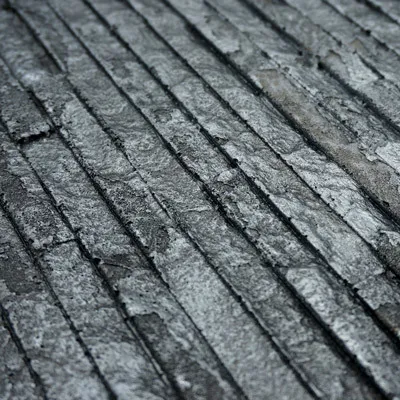
First, let's get to know your stone better. Dark Grey Muretto Stone is a type of engineered stone, but don't let that fool you—it's not as indestructible as some might think. Unlike fair-faced concrete, which is prized for its raw, industrial durability, Muretto stone has a more refined texture. Its surface is smoother, with tiny pores that can absorb liquids if left unattended. Think of it like a sponge: spill something acidic (like lemon juice) or oily (like cooking grease), and those pores will soak it up, leading to stains that are tough to budge.
Another thing to watch for? Scratches. While it's harder than, say, travertine (beige), which is known for its natural pitting, Dark Grey Muretto Stone's dark color makes even small scratches more visible. A rogue gravel particle tracked in on your shoe, or a scouring pad with harsh bristles, can leave behind tiny marks that catch the light and dull the stone's finish over time.
And here's a common misconception: "If it's dark, stains won't show as much, right?" Wrong. In fact, water spots, soap scum, or even dust buildup can show up more noticeably on dark surfaces. Ever noticed how a smudge on a black car stands out more than on a white one? Same idea here. That's why regular, gentle cleaning is key—not just occasional deep cleans.
Tools You'll Need (And What to Avoid)
Before we grab the cleaning supplies, let's talk about what to use—and what to keep far, far away. The right tools will make cleaning easier and safer, while the wrong ones could cause damage before you even start. Here's a breakdown of the essentials:
Now, what should you
never
use? Stay away from vinegar, bleach, ammonia, or any cleaner labeled "heavy-duty" or "abrasive." These are too acidic or alkaline and can eat away at the stone's protective sealant (more on that later) or leave permanent marks. Even some "all-purpose" cleaners have hidden chemicals that are bad news. When in doubt, check the label: if it says "for use on marble or travertine," it's probably safe for Muretto stone too.

Step-by-Step: Cleaning Dark Grey Muretto Stone
Whether you're doing a quick clean after cooking or tackling a week's worth of dust, follow these steps to keep your stone spotless without damage:
1
Start with a Dry Dusting
Dust might seem harmless, but when mixed with moisture (like a wet wipe), it turns into a gritty paste that can scratch the stone. Grab a clean microfiber cloth and gently wipe the surface in long, overlapping strokes. For floors, a dry microfiber mop works best—sweeping with a broom can push dust into corners or scratch the surface if the broom has stiff bristles. Take your time here: getting rid of loose dirt first makes the rest of the cleaning process much easier.
2
Treat Stains Immediately (The Sooner, the Better)
Spills happen—coffee drips, sauce splatters, or even a forgotten glass of water. The key is to act fast. For liquid spills: Blot (don't rub!) with a clean, dry microfiber cloth. Rubbing will spread the stain and push it deeper into the pores. If it's an oil-based stain (like olive oil or makeup), sprinkle a tiny bit of baking soda on the area (yes, baking soda is safe here—its mild abrasiveness won't scratch, and it absorbs oil) and let it sit for 5-10 minutes, then blot away. For acidic spills (like wine or citrus), wipe with a damp cloth right away, then dry thoroughly to prevent etching.
Pro tip: If the stain has already set (we've all been there—life gets busy!), mix a paste of pH-neutral cleaner and distilled water, apply it to the stain, cover with plastic wrap (to keep it moist), and let it sit overnight. The paste will draw the stain out, and you can wipe it away in the morning.
3
Gentle Washing with pH-Neutral Cleaner
For a deeper clean (think: weekly maintenance), mix your pH-neutral stone cleaner with distilled water in a spray bottle—follow the instructions on the cleaner for dilution (usually 1 part cleaner to 4 parts water). Lightly spray the surface, then wipe with a damp microfiber cloth. Work in small sections (about 2x2 feet) so the cleaner doesn't dry before you wipe it off—dried cleaner can leave streaks. For grout lines (if your Muretto stone is tiled), use a soft-bristled brush to gently scrub away dirt, then wipe with a damp cloth to rinse.
Avoid oversaturating the stone: You want the cloth to be damp, not soaking wet. Excess water can seep into the pores and cause water spots or, over time, weaken the stone's structure. If you're cleaning floors, a damp mop (wring it out well!) is better than a bucket of water.
4
Rinse (If Needed) and Dry Thoroughly
Most pH-neutral cleaners don't require rinsing, but if you notice any residue (a hazy film), wipe the area with a clean, damp cloth dipped in distilled water. Then, dry the surface immediately with a dry microfiber cloth. This step is non-negotiable: leaving water to air-dry will result in mineral deposits (those annoying white spots) that are tough to remove. For countertops, you can even use a fan to speed up drying if you're in a hurry.
Dos and Don'ts for Dark Grey Muretto Stone Care
Do's
-
Dust or sweep regularly (daily for high-traffic areas like floors).
-
Blot spills immediately—time is your enemy here.
-
Use coasters under glasses, especially for acidic drinks like soda or wine.
-
Place mats under cutting boards on countertops to avoid scratches.
-
Seal the stone every 1-2 years (we'll talk more about sealing later!).
-
Test any new cleaner on a small, hidden area first (like the back of a tile) to check for discoloration.
Don'ts
-
Don't use vinegar, lemon juice, or other acidic cleaners—they'll etch the surface.
-
Don't use scouring pads, steel wool, or abrasive brushes—they scratch!
-
Don't let standing water sit on the stone (e.g., a leaky faucet on a countertop).
-
Don't use steam cleaners—high heat can damage the sealant and warp the stone.
-
Don't drag heavy furniture across Muretto stone floors—use felt pads under legs.
-
Don't ignore scratches or stains—address them quickly to prevent permanent damage.
Long-Term Maintenance: Sealing and Beyond
Cleaning is important, but sealing is what will keep your Dark Grey Muretto Stone protected for years to come. Think of sealant as a shield: it fills in the pores, making it harder for liquids to penetrate and stains to set. Most Muretto stone comes pre-sealed, but that sealant wears off over time—especially in high-moisture areas like bathrooms or kitchens.
How do you know when it's time to reseal? Here's a quick test: Sprinkle a few drops of water on the stone. If the water beads up (like it would on a newly waxed car), the sealant is still good. If it soaks into the stone within 5-10 minutes, it's time to reseal. For most homes, this means sealing every 12-24 months, but check the manufacturer's recommendations for your specific stone.
Sealing is easier than you might think:
-
Clean the stone thoroughly (follow the steps above) and let it dry completely (24 hours is best).
-
Apply a stone-specific sealer with a clean microfiber cloth, working in small sections.
-
Let it sit for the time recommended on the sealer (usually 5-10 minutes), then wipe away any excess with a dry cloth.
-
Let it cure for 24-48 hours before using the surface—no walking, placing items, or cleaning during this time!
Beyond sealing, there are a few habits that will extend the life of your stone. For floors, sweep or vacuum (with a soft brush attachment) regularly to avoid grit buildup. For countertops, avoid placing hot pans directly on the surface—use trivets. And if you notice a small scratch, don't panic: there are stone repair kits available that can fill in minor scratches with a color-matched compound. For deeper damage, call a professional stone restorer—they have the tools to buff out scratches or re-polish the surface.
How Does This Compare to Other Stones?
You might be wondering how caring for Dark Grey Muretto Stone stacks up against other popular materials. Let's take a quick look:
Travertine (beige):
Travertine is more porous than Muretto stone, so it needs sealing more often (every 6-12 months). It's also more prone to etching from acidic substances, so you'll want to be extra careful with spills. Cleaning-wise, the steps are similar—gentle cleaners, no abrasives—but travertine may require more frequent dusting to prevent dirt from settling in its natural pits.
Fair-faced concrete:
This material is much more durable and less porous than Muretto stone. You can use slightly stronger cleaners (still avoid bleach or acid!) and even pressure wash outdoor concrete surfaces. But it's also more prone to staining if not sealed, and its rough texture can trap dirt, so regular sweeping is a must.
Marble:
Marble is softer and more sensitive than Muretto stone—acidic cleaners will etch it instantly, and it scratches easily. It requires sealing every 3-6 months and very gentle cleaning (just warm water and a soft cloth for daily care). If you love the look of marble but want something lower-maintenance, Dark Grey Muretto Stone is a great alternative.
Final Thoughts: Enjoy the Beauty, Keep It Simple
At the end of the day, caring for Dark Grey Muretto Stone isn't about perfection—it's about consistency. A little daily attention, the right tools, and avoiding harsh chemicals will go a long way in keeping that deep, rich color and smooth finish intact. Remember, this stone is meant to be lived on, not locked away. Spills will happen, life will get messy, but with the tips in this guide, you'll know exactly how to handle it.
Whether you're a homeowner who invested in this stone because you fell in love with its aesthetic, or a designer helping clients maintain their spaces, the goal is the same: to let the stone's natural beauty shine. And trust me, when guests walk in and comment on how "stunning" your walls or floors look, you'll be glad you took the time to care for them properly.
So grab your microfiber cloth, stock up on pH-neutral cleaner, and make stone care part of your routine. Your Dark Grey Muretto Stone will thank you—and so will your future self, when it still looks as good as the day it was installed.