
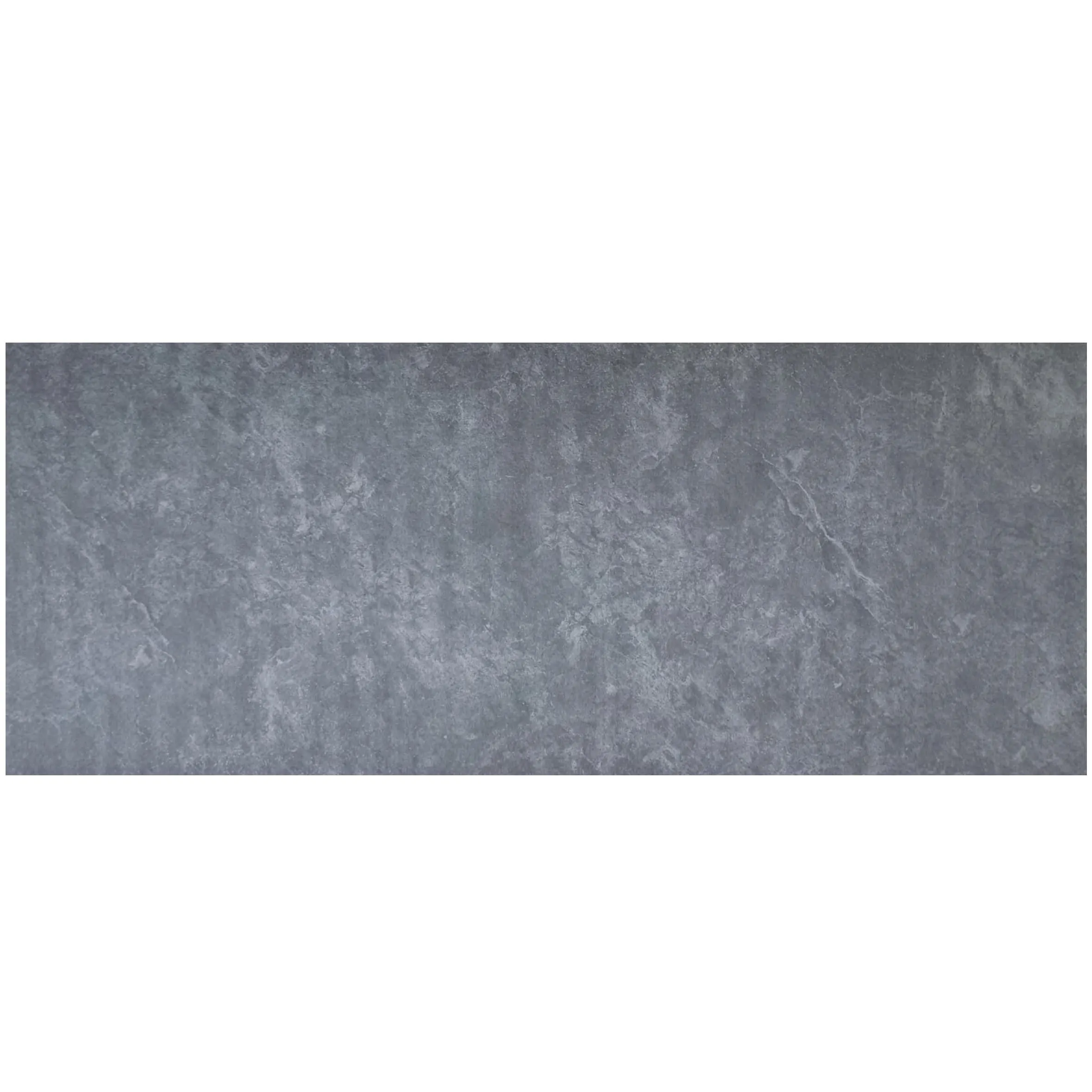
So, you've fallen for the allure of marble interstellar gray—those soft, smoky gray tones swirled with subtle, almost cosmic veining that turn a kitchen backsplash or bathroom vanity into a statement piece. It's elegant, modern, and somehow manages to feel both timeless and fresh. But then life happens: a splash of coffee, a drippy lemon wedge, or a rogue ketchup spill lands on that pristine surface, and suddenly you're panicking. "Did I just ruin it?" Let's breathe. With the right care, your marble interstellar gray will stay as striking as the day it was installed. Let's dive into how to keep it spotless, why it needs special attention, and which products to reach for (and which to avoid like the plague).
First, let's talk about what makes marble interstellar gray so unique—and why it's not as "bulletproof" as, say, fair-faced concrete or polish concrete. Marble is a metamorphic rock, formed from limestone under heat and pressure, which gives it that signature crystalline structure and veining. But here's the catch: it's porous. Think of it like a sponge with tiny, invisible holes. Liquids, especially acidic ones, can seep in quickly, leaving stains or etch marks (those dull, cloudy spots that ruin the shine). Unlike polish concrete, which is dense and resistant to most spills, marble interstellar gray needs a little extra TLC to maintain its luster.
And that "interstellar gray" pattern? Those delicate veins and subtle color variations are part of its charm, but they also mean that even small stains will stand out more. A smudge on a solid-colored surface might blend in, but on marble interstellar gray? It's like a typo on a beautiful poem—hard to ignore. But don't let that scare you! With a few simple habits, you'll keep those veins looking sharp and that gray base glowing.

We've all been there: grabbing the first cleaner under the sink when we see a spill. But when it comes to marble interstellar gray, some of the most "go-to" cleaners are actually its worst enemies. Let's debunk the myths and avoid these pitfalls:

Now that we know what to avoid, let's stock your cleaning caddy with marble-friendly options. The golden rule? Stick to pH-neutral, non-abrasive cleaners. Here's what works:
| Safe Products | Why They Work | Best For |
|---|---|---|
| Mild dish soap (e.g., Dawn) | pH-neutral, gentle, and effective at cutting grease without stripping the stone. | Daily spills, light grease, or general wiping. |
| pH-neutral stone cleaner (e.g., StoneTech Revitalizer) | Formulated specifically for marble and other natural stones; won't etch or discolor. | Weekly deep cleans or when dish soap isn't enough. |
| Baking soda (mixed with water) | A mild abrasive (yes, really—when used gently!) that can lift stains without scratching. | Oil-based stains (like olive oil or makeup) when mixed into a paste. |
| Hydrogen peroxide (3%) | Lightly bleaching, but gentle enough for organic stains (coffee, wine) when used sparingly. | Dark stains on light-colored marble (test in an inconspicuous spot first!) |
Pro tip: Always test a new cleaner on a hidden corner (like under the sink or behind a tile) before using it on the main surface. Better safe than sorry!

Let's break it down into simple, actionable steps—whether you're dealing with a fresh spill, a daily wipe-down, or a stubborn stain.
Prevention is key here! Get into the habit of wiping up spills immediately—especially acidic ones like soda, juice, or tomato sauce. For daily dust and light dirt:
Even with daily wipes, a weekly deep clean helps lift grime that's starting to build up. Here's how:
Accidents happen. Let's troubleshoot the most common stains and how to banish them:
These are tricky because oil loves to seep into marble's pores. Act fast!
Acidic and colorful, these can leave both a stain and etch marks. First, neutralize the acid!
Etch marks aren't stains—they're damage to the marble's surface where acid has eaten away the polish. To fix them, you'll need to "re-polish" the area:

You might be wondering, "Is all marble this high-maintenance?" Or, "Would polish concrete have been easier?" Let's clear the air:
Marble Interstellar Gray vs. Polish Concrete: Polish concrete is a workhorse. It's dense, non-porous, and resistant to stains, acids, and scratches. Great for high-traffic areas or busy kitchens where spills happen daily. But it lacks the natural veining and warmth of marble interstellar gray. If you prioritize durability over elegance, polish concrete might be your match. But if you adore marble's beauty, the extra care is worth it.
Marble Interstellar Gray vs. Travertine (Beige): Travertine, like marble, is porous and sensitive to acids—so it needs similar care. The main difference? Travertine has more visible pores (those small holes) and a more matte, earthy look, while marble interstellar gray is smoother and more polished. If you love travertine (beige)'s rustic charm, you'll need the same gentle cleaning routine as with marble.
Marble Interstellar Gray vs. Marble Veil White: Marble veil white is another stunning option, with soft white tones and delicate veining. It's just as porous as marble interstellar gray, so the cleaning rules are identical. The only difference? Stains might show more on white marble, so you'll want to be extra vigilant with spills.
Even with perfect cleaning habits, sealing your marble interstellar gray is non-negotiable. A good sealer acts as a barrier, slowing down liquid absorption and giving you more time to wipe up spills. Here's how to do it:
Marble interstellar gray isn't just a building material—it's a design choice that adds depth, sophistication, and a touch of luxury to any space. Yes, it needs more care than fair-faced concrete or polish concrete, but that care is minimal once you get into the habit. Remember: blot spills immediately, skip the vinegar, reach for pH-neutral cleaners, and seal regularly. With these steps, your marble interstellar gray will remain the star of your home for years to come—no panic required.
So go ahead, enjoy that morning coffee (with a coaster, of course), host that dinner party, and let your marble interstellar gray shine. It's worth every gentle wipe and careful step.
Recommend Products












