Masonry stone, whether it's a time-honored traditional material or an innovative modern solution like our
MCM (Modified Cementitious Material)
, adds unparalleled character, durability, and beauty to any architectural project. From grand facades to intricate interior details, stone surfaces are designed to impress and endure. However, even the most robust materials require proper care to maintain their pristine appearance and extend their lifespan. Dirt, grime, environmental pollutants, and even organic growth can diminish the aesthetic appeal and, if left unaddressed, potentially compromise the material's integrity over time.
At COLORIA GROUP, we understand the importance of not just providing
high-quality interior and exterior decoration materials
, but also ensuring our clients have the knowledge and tools to maintain them. As a
one-stop solution provider
, we're here to guide you through the intricacies of masonry cleaning, covering both traditional stone and our advanced MCM products. This comprehensive guide will help you effectively clean and preserve your masonry, ensuring it continues to contribute positively to the beauty and longevity of your residential or commercial projects.
Understanding Your Masonry Material: The First Step to Effective Cleaning
Before you even think about grabbing a brush or a cleaner, the most crucial step is to correctly identify the type of masonry material you're dealing with. Different stones and materials react differently to various cleaning agents and methods. Using the wrong approach can lead to irreparable damage, discoloration, or etching.
Traditional Masonry Materials: A Quick Overview
-
Natural Stone:
This category includes a vast array of materials like granite, marble, limestone, sandstone, slate, and travertine. Each has unique properties:
-
Granite:
Very hard, dense, and non-porous. Generally resistant to acids, but highly polished surfaces can etch.
-
Marble & Travertine:
Softer, porous, and primarily composed of calcium carbonate. Highly susceptible to etching from acidic cleaners.
-
Limestone & Sandstone:
Porous and can be quite soft. Acid-sensitive. Prone to biological growth like algae and moss.
-
Slate:
Denser than many other stones, but can be brittle. Generally resistant to acids.
-
Brick:
Made from fired clay. Porosity varies. Can suffer from efflorescence (white salt deposits) and biological growth.
-
Concrete & Concrete Block:
Porous and can be stained easily. Can also develop efflorescence.
Introducing MCM: The COLORIA GROUP Advantage
Here at COLORIA GROUP, we're particularly proud of our
MCM (Modified Cementitious Material) series products
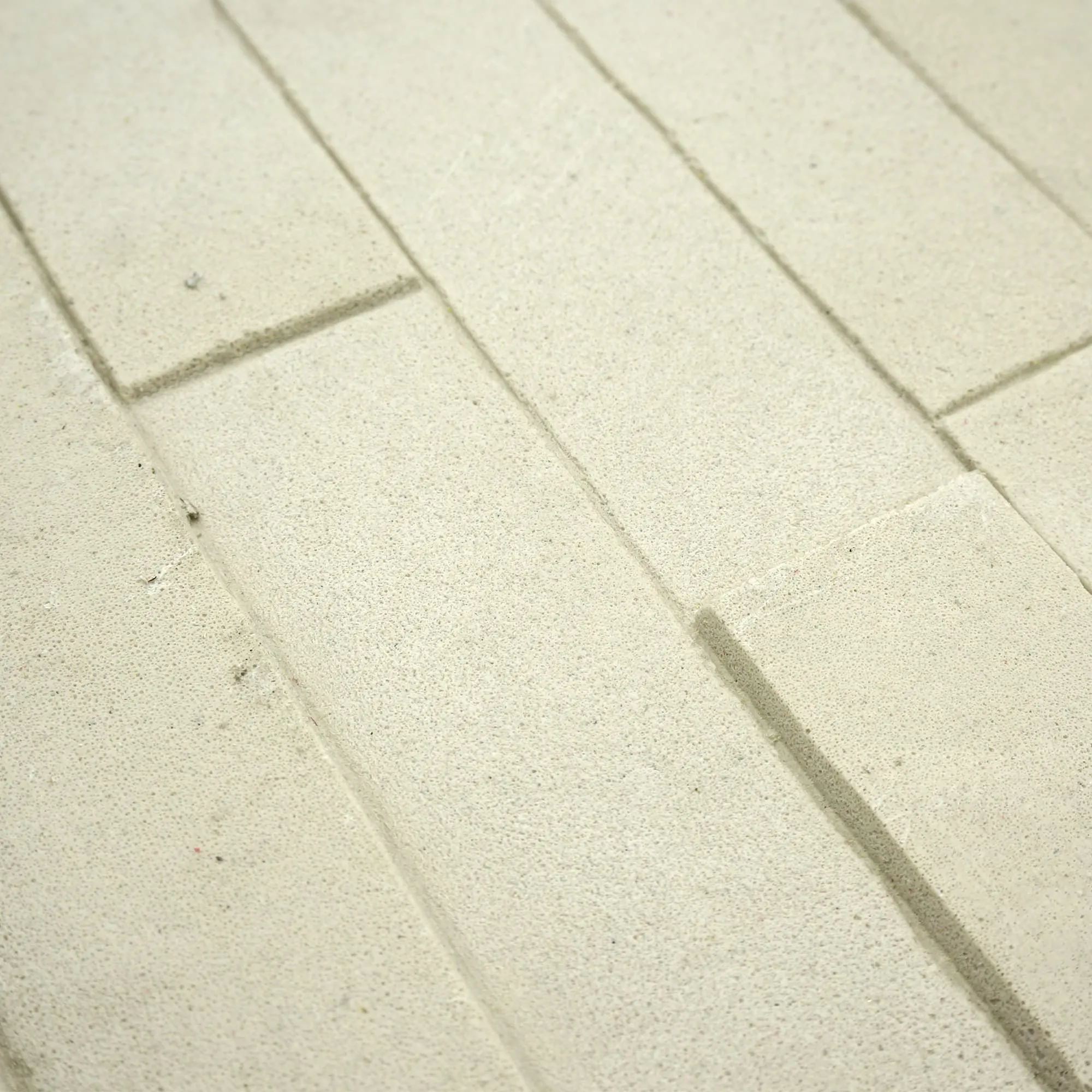
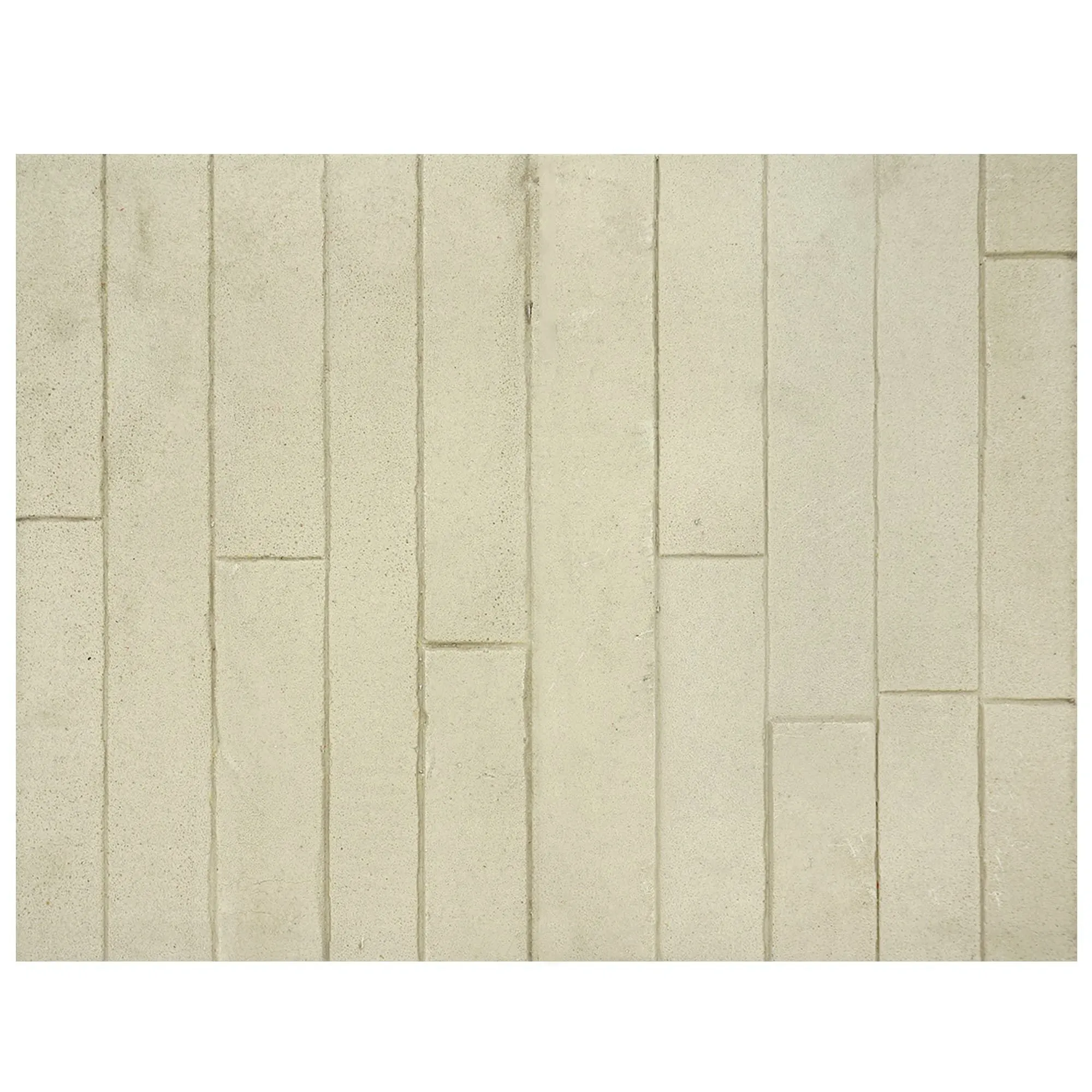
, which represent a significant leap forward in building materials. MCM is an innovative material engineered to replicate the aesthetics and feel of natural stone, wood, leather, or other textures, but with superior performance characteristics and significant environmental benefits. Our MCM products are manufactured from natural mineral powders and plant fibers, making them incredibly
green and environmentally friendly
.
Our MCM product range includes:
-
MCM Big Slab Board Series:
Large format panels ideal for expansive facades and interiors, offering seamless beauty.
-
MCM Project Board Series:
Versatile and robust boards designed for various architectural applications, ensuring durability and style.
-
MCM 3D Printing Series:
Allowing for unprecedented customization and intricate designs, opening new doors for architectural creativity.
-
MCM Flexible Stone
:
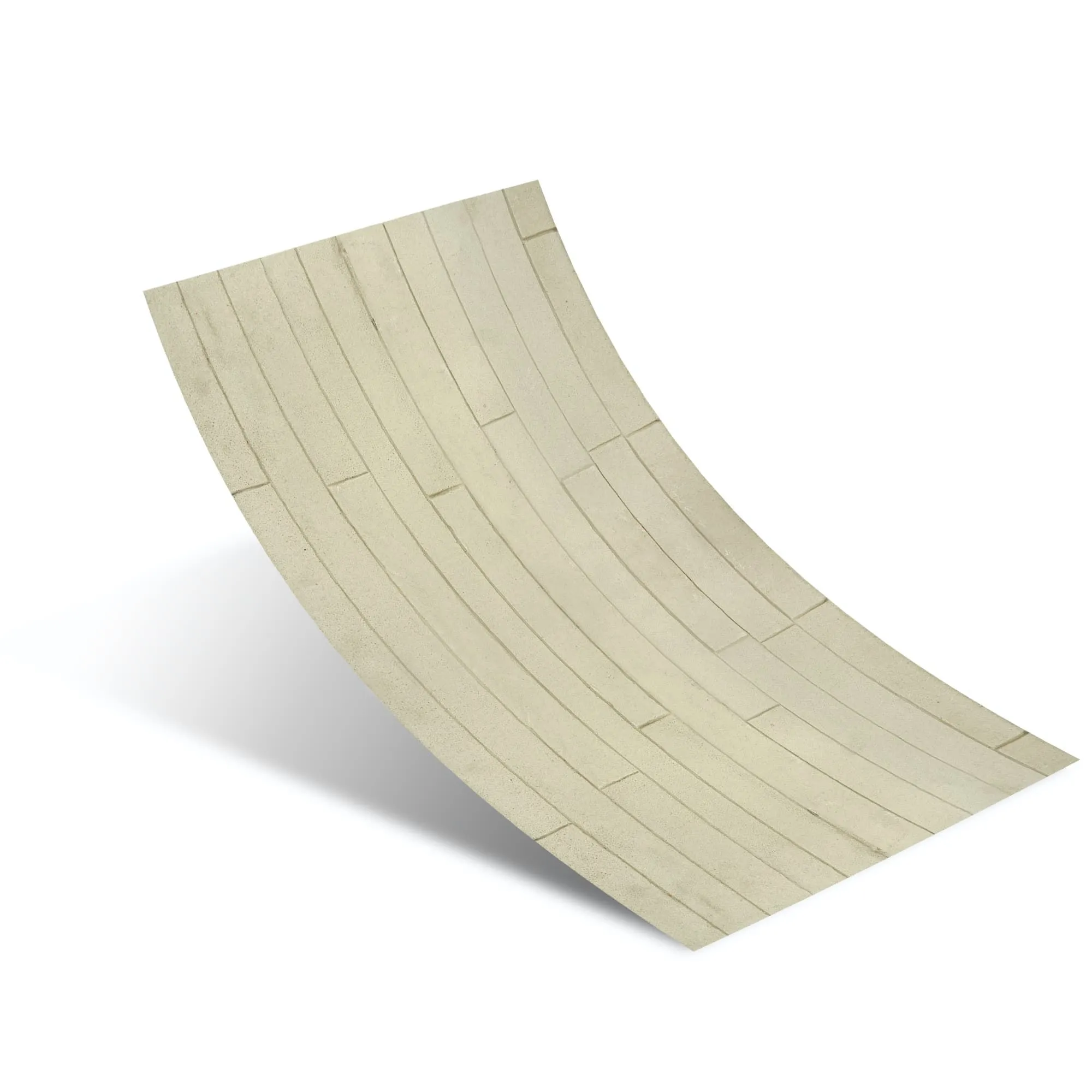
A revolutionary product that offers the look and feel of natural stone with remarkable flexibility, making it perfect for curved surfaces or situations where weight is a concern.
These materials are not just aesthetically pleasing; they are designed for longevity, weather resistance, and ease of maintenance. Understanding their unique composition is key to their care, which often simplifies the cleaning process compared to many traditional stones.
General Principles for Masonry Cleaning: Applicable to All Materials
Regardless of whether you're dealing with delicate marble or robust MCM, certain universal principles apply to all masonry cleaning projects. Adhering to these guidelines will help ensure safety, prevent damage, and yield the best results.
1. Safety First, Always!
-
Personal Protective Equipment (PPE):
Always wear appropriate PPE, including gloves, eye protection, and often a mask, especially when using chemical cleaners or pressure washers.
-
Ventilation:
Ensure good ventilation if cleaning indoors or in enclosed spaces.
-
Protect Surrounding Areas:
Cover plants, adjacent surfaces, and anything that might be damaged by overspray or runoff.
2. Identify the Stain and Its Source
Knowing what caused the stain is half the battle. Is it organic (algae, moss, mildew, leaves)? Inorganic (rust, efflorescence, mineral deposits)? Or something else (oil, grease, paint)? Different types of stains require different cleaning approaches. For example, an alkaline cleaner is usually effective for organic stains, while an acidic cleaner might be needed for mineral deposits (but caution is paramount with acid-sensitive stones!).
3. Test, Test, Test!
This cannot be stressed enough. Before applying any cleaning solution or method to a visible area, always test it on an inconspicuous spot. This could be a small corner, behind a fixture, or on a spare piece of the material. Observe the results for several hours or even a day to ensure there are no adverse reactions like discoloration, etching, or streaking.
4. Start Gentle, Escalate Gradually
Always begin with the mildest possible cleaning method and solution. If that doesn't work, slowly increase the intensity. This principle minimizes the risk of damage.
-
Start with plain water and a soft brush.
-
Move to water with a mild, pH-neutral detergent.
-
Consider specialized commercial cleaners designed for your specific material and stain type.
-
Only as a last resort consider stronger chemical or mechanical methods, and always with extreme caution.
5. Rinse Thoroughly
After cleaning, always rinse the surface thoroughly with clean water to remove all traces of the cleaning agent. Residue can lead to new stains or damage over time.
Cleaning Traditional Masonry Materials: Methods and Considerations
Here, we'll delve into common cleaning methods tailored for traditional stone, brick, and concrete. Remember to always follow the general principles outlined above.
A. Water-Based Cleaning
1. Gentle Scrubbing with Water and Detergent
For light dirt, dust, and superficial grime, often the simplest method is the most effective.
-
Preparation:
Wet the surface thoroughly with clean water.
-
Application:
Apply a solution of warm water and a pH-neutral detergent (like dish soap, but ensure it's truly neutral and residue-free) to the surface.
-
Scrubbing:
Use a soft-bristle brush (nylon or natural bristles) or a sponge to gently scrub the surface in small sections. Avoid wire brushes, especially on softer stones, as they can scratch.
-
Rinsing:
Rinse thoroughly with clean water, ensuring all soap residue is removed.
Best for:
General dirt, light grime, fresh spills on most traditional stones, brick, and concrete.
Caution:
Always test first.
2. Pressure Washing (Use with Extreme Caution)
Pressure washing can be highly effective for stubborn dirt, mold, and mildew on robust materials. However, it's a double-edged sword and can cause significant damage if not done correctly.
-
Equipment:
Use a pressure washer with a wide fan tip (e.g., 25-40 degrees) and keep the pressure setting as low as possible while still being effective (typically under 1000-1500 PSI for most masonry).
-
Distance:
Hold the nozzle at least 12-18 inches away from the surface. Closer distances can blast away mortar, etch soft stones, or force water deep into porous materials.
-
Technique:
Use an even, sweeping motion. Never aim the spray at a single spot for too long. Work from top to bottom to prevent streaking.
-
Material Specifics:
-
Granite, Slate, Dense Concrete:
Can often handle moderate pressure.
-
Limestone, Sandstone, Brick, Marble, Travertine:
Highly susceptible to damage. Use very low pressure or avoid altogether. High pressure can erode the surface, damage mortar joints, and even force water into the wall cavity, leading to moisture problems.
Best for:
Heavily soiled, dense, non-porous surfaces like granite or dense concrete.
Caution:
Not recommended for soft or porous stones, older masonry, or delicate surfaces. Always start with the lowest pressure and test thoroughly. Consider professional help for large or delicate areas.
B. Chemical Cleaners
When water alone isn't enough, specialized chemical cleaners can be used. Their selection depends heavily on the stain type and the masonry material.
1. Alkaline Cleaners (pH > 7)
-
Purpose:
Excellent for breaking down organic stains like algae, moss, mildew, grease, and oil.
-
Common Ingredients:
Often contain bleach (sodium hypochlorite), hydrogen peroxide, or other alkaline compounds.
-
Application:
Apply according to manufacturer's instructions. Often requires dwell time (leaving the cleaner on the surface for a period) before scrubbing and rinsing.
-
Compatibility:
Generally safe for most stones, including acid-sensitive ones, but always test as some strong alkaline solutions can cause issues with certain pigments or sealers.
Best for:
Organic stains on all traditional masonry, including marble, limestone, and sandstone.
Caution:
Can lighten or bleach some surfaces. Always test. Ensure good ventilation.
2. Acidic Cleaners (pH < 7)
-
Purpose:
Highly effective for removing efflorescence (white salt deposits), rust stains, mineral deposits (e.g., from hard water), and mortar residue.
-
Common Ingredients:
Muriatic acid (hydrochloric acid), phosphoric acid, sulfamic acid, or oxalic acid.
-
Application:
Dilute as recommended. Apply carefully, often with a brush. Follow dwell time instructions strictly.
-
Compatibility:
-
Safe for (generally):
Granite, slate, some bricks, and non-calcareous stones.
-
AVOID AT ALL COSTS ON:
Marble, limestone, travertine, and any other calcium carbonate-based stones. Acids will cause irreversible etching and dulling.
Best for:
Efflorescence, rust, mineral deposits on acid-resistant stones like granite and slate.
Caution:
Extremely corrosive. Always wear full PPE, pre-wet the surface (to prevent deep penetration), and neutralize with an alkaline solution (e.g., baking soda and water) after rinsing. Never use on acid-sensitive stones.
3. Poultices
Poultices are absorbent paste-like mixtures used to draw out deep-seated stains from porous materials.
-
Composition:
A liquid cleaning agent (e.g., hydrogen peroxide for organic stains, rust remover for rust) mixed with an absorbent filler (e.g., diatomaceous earth, kaolin clay, powdered chalk) to form a thick paste.
-
Application:
Apply a thick layer (about 1/4 to 1/2 inch) over the stain. Cover with plastic wrap and tape the edges to prevent it from drying out too quickly.
-
Dwell Time:
Allow it to sit for 12-48 hours, or as recommended by the specific poultice mixture. As it dries, it pulls the stain out of the stone.
-
Removal:
Once dry, gently scrape off the hardened paste with a plastic scraper. Rinse the area thoroughly with clean water.
-
Compatibility:
Effective for deep stains on almost all types of stone, as the chemical action is contained within the paste and less likely to spread or etch if properly formulated for the stone.
Best for:
Deep oil, grease, rust, or organic stains on porous traditional stones.
Caution:
Can be time-consuming. Requires careful formulation based on the stain and stone type. Always test.
C. Mechanical Cleaning (Generally Avoided or Professionally Handled)
Mechanical methods involve abrasion and are usually reserved for highly stubborn deposits or restoration work. They carry a significant risk of damaging the masonry surface and should generally be left to experienced professionals.
-
Abrasive Blasting (Sandblasting, Soda Blasting):
While effective for removing heavy paint, carbon buildup, or hardened grime, abrasive blasting can significantly erode the surface of most masonry, especially softer stones and historic brick. It can open up pores, making the material more susceptible to future staining and decay. Soda blasting is a milder alternative, but still requires extreme care.
-
Grinding/Sanding:
Used for removing scratches, deep etching, or unevenness, typically on polished stone surfaces like marble or granite. This is a highly skilled task usually performed by stone restoration specialists.
Recommendation:
For most DIY cleaning tasks, mechanical methods are too aggressive. If considering these, consult a professional masonry restoration expert.
Cleaning COLORIA GROUP's MCM Products: Simplified Maintenance
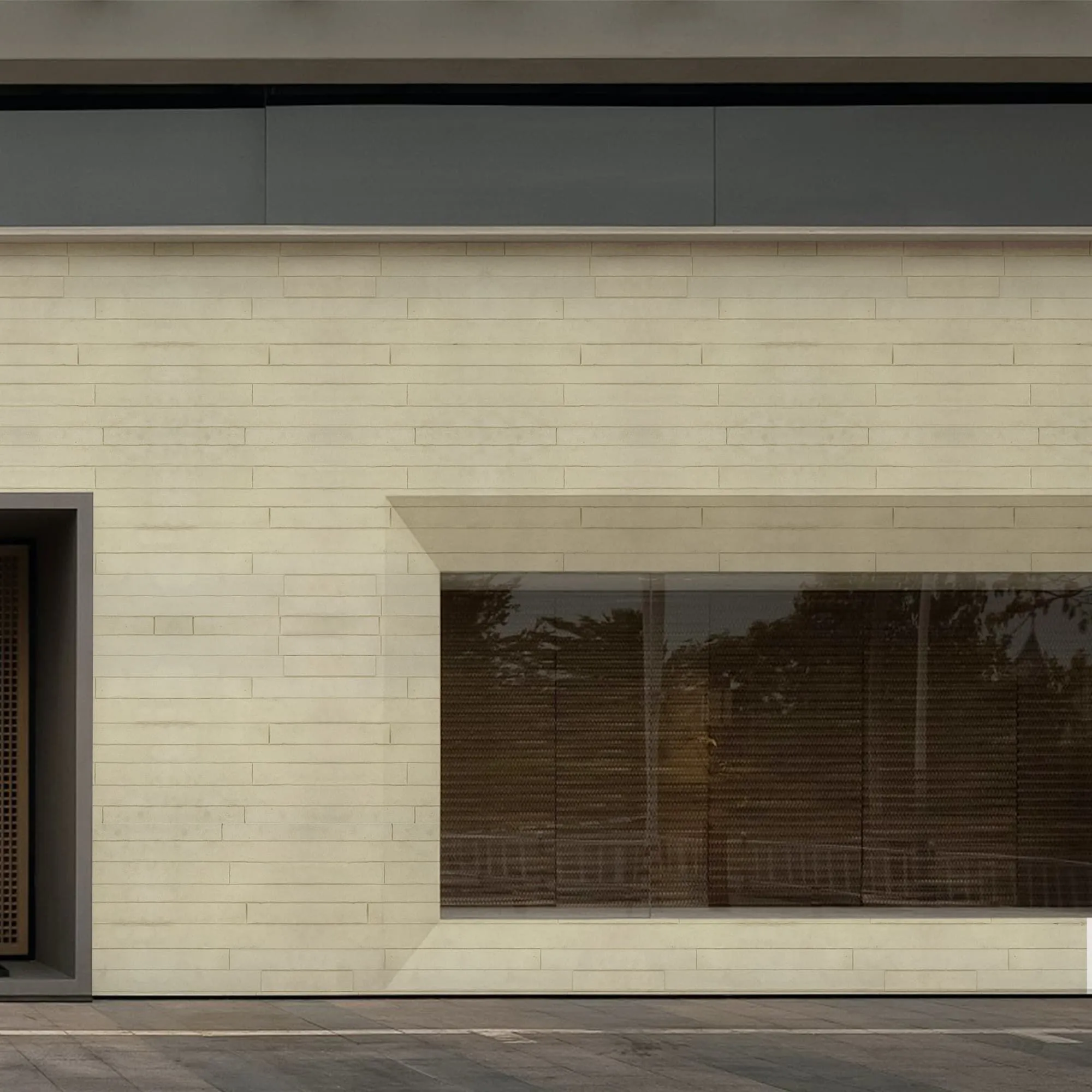
One of the significant advantages of COLORIA GROUP's MCM series, including our Big Slab Board, Project Board, 3D Printing Series, and Flexible Stone, is their engineered durability and relative ease of maintenance. Our MCM materials are designed to be low-maintenance, stain-resistant, and weather-resistant, making the cleaning process generally simpler and less fraught with the risks associated with traditional stone.
General Cleaning for All MCM Products
For routine cleaning and maintenance, our MCM products require a straightforward approach:
-
Dust and Loose Dirt:
For everyday dust and loose dirt, simply use a soft cloth, duster, or a vacuum cleaner with a brush attachment.
-
Light Grime and Fingerprints:
Wipe the surface with a damp cloth and mild, pH-neutral soap or detergent (e.g., diluted dish soap). Avoid harsh abrasive cleaners or scouring pads, as these can dull the finish.
-
Rinse:
Always follow with a wipe-down using a clean, damp cloth to remove any soap residue. Dry with a soft, clean cloth to prevent water spots, especially on polished finishes.
-
Outdoor MCM:
For exterior MCM panels, a gentle rinse with a garden hose can often remove accumulated dust and environmental pollutants. For more stubborn dirt, use a soft brush and a mild detergent solution, then rinse thoroughly. Pressure washing is generally acceptable at low pressure (under 1000 PSI) with a wide fan tip, but always test a small area first to ensure it doesn't affect the texture or finish.
Specific Stain Removal for MCM Products
While MCM is resistant to many common stains, accidents happen. Here's how to address specific types of stains:
1. Organic Stains (Mold, Mildew, Algae, Leaf Stains)
MCM materials are highly resistant to biological growth, but in very humid or shaded outdoor environments, some surface growth might occur.
-
Method:
Use a diluted solution of household bleach (e.g., 1 part bleach to 10 parts water) or a commercial non-acidic mold/mildew remover. Apply with a soft brush or sponge.
-
Dwell Time:
Let it sit for 5-15 minutes.
-
Rinse:
Scrub gently and rinse thoroughly with clean water.
Caution:
While MCM is color-stable, always test the bleach solution on an inconspicuous area first to ensure no discoloration.
2. Oil and Grease Stains
MCM's low porosity helps prevent deep penetration of oil and grease.
-
Method:
Apply a small amount of a mild degreaser or a strong solution of pH-neutral dish soap directly to the stain.
-
Dwell Time:
Allow it to penetrate for a few minutes.
-
Scrub & Rinse:
Gently scrub with a soft brush and rinse thoroughly. For stubborn, older stains, a commercial stone degreaser designed for engineered materials might be necessary, but always test.
3. Paint and Graffiti
Removing paint or graffiti from MCM requires careful action.
-
Fresh Paint:
If the paint is still wet, wipe it off immediately with a damp cloth.
-
Dried Paint/Graffiti:
Start with non-abrasive methods. Try carefully scraping off excess paint with a plastic scraper. Then, use a paint stripper or graffiti remover specifically formulated for non-porous surfaces, ensuring it is safe for engineered materials.
-
Test First:
Always test any chemical stripper in an inconspicuous area to ensure it doesn't damage the MCM's finish or color.
-
Rinse:
Rinse thoroughly after treatment.
4. Rust Stains
Rust can be tricky, even on MCM.
-
Method:
Use a commercial rust remover specifically designed for engineered stone or concrete. Look for formulas that are non-acidic or contain oxalic acid, which is generally safer than stronger acids.
-
Application:
Follow product instructions carefully. Often, these involve applying the remover, allowing it to dwell, and then scrubbing and rinsing.
-
Prevention:
The best approach is to prevent rust stains by ensuring metal fixtures near MCM surfaces are rust-proof or properly maintained.
Important Note on Acids for MCM:
While MCM is generally more resilient than natural calcareous stones, it is still advisable to avoid strong acidic cleaners unless specifically recommended by COLORIA GROUP for a particular product line or stain, and always after rigorous testing. Our materials are designed for longevity, and harsh chemicals can sometimes compromise their engineered properties over time.
Our
MCM Flexible Stone
offers unique advantages with its bendability and lightweight properties. Cleaning it largely follows the general MCM guidelines, but with an emphasis on maintaining its integrity.
-
Gentle Handling:
While durable, avoid excessively aggressive scrubbing that might distort the material or damage its surface texture.
-
No Harsh Abrasives:
Stay away from wire brushes or abrasive pads that could scratch the flexible surface.
-
Water & Mild Soap:
A damp cloth with mild soap is usually sufficient. Rinse thoroughly.
-
Drying:
Allow it to air dry naturally or wipe with a soft cloth.
Preventative Maintenance: The Best Cleaning Strategy
The easiest way to deal with stains and grime is to prevent them in the first place. A proactive approach significantly reduces the need for intensive cleaning.
1. Regular Cleaning Schedule
Establish a routine for regular cleaning. For interiors, weekly dusting and occasional wiping are usually sufficient. For exteriors, a seasonal wash with water and mild detergent can go a long way in preventing buildup.
2. Immediate Spill Cleanup
Address spills immediately, especially on porous materials. Blot (don't wipe) liquid spills to absorb as much as possible before they penetrate.
3. Sealing (for Traditional Porous Stones)
Many natural stones (especially marble, limestone, sandstone, and porous granite) benefit greatly from sealing. A penetrating sealer fills the pores of the stone, making it less susceptible to absorbing liquids and stains.
-
Frequency:
Sealing typically needs to be reapplied every 1-5 years, depending on the stone type, sealer type, and traffic/exposure.
-
MCM Products:
Our MCM materials are engineered with low porosity, often reducing or eliminating the need for additional sealing. However, specific product lines or applications might benefit from a recommended sealer – always check with COLORIA GROUP for guidance on your specific MCM product.
4. Good Drainage and Ventilation
Ensure proper drainage around exterior masonry to prevent standing water, which can lead to algae, moss, and efflorescence. Good ventilation in interior spaces helps prevent mildew growth.
5. Protect from Damage
-
Use doormats at entrances to reduce tracked-in dirt.
-
Place coasters under plant pots or furniture on stone surfaces to prevent water rings and rust stains.
-
Trim vegetation away from exterior walls to prevent organic buildup.
When to Call a Professional
While much of masonry cleaning can be handled with a DIY approach, there are times when professional intervention is not just recommended, but essential.
-
Extensive Damage:
If the masonry is crumbling, cracking, or showing signs of structural issues.
-
Deep or Unknown Stains:
For very old, deep, or unidentified stains that don't respond to mild methods.
-
Historic or Delicate Masonry:
Cleaning historic buildings or very delicate natural stones requires specialized knowledge to avoid irreversible damage.
-
Hazardous Materials:
If the stains involve hazardous substances (e.g., lead paint, asbestos), professional remediation is critical.
-
Large-Scale Projects:
For very large or complex cleaning projects, professionals have the equipment and expertise to do the job efficiently and safely.
-
Post-Construction Cleaning:
Removing mortar haze or construction-related grime often requires specific knowledge and products.
Conclusion: Preserving Beauty and Longevity with COLORIA GROUP
Maintaining the beauty and integrity of your masonry stone is an investment that pays off in enhanced aesthetics and prolonged structural life. Whether you're working with traditional materials or leveraging the advanced capabilities of COLORIA GROUP's
MCM (Modified Cementitious Material)
, understanding the right cleaning methods is paramount.
Our commitment at COLORIA GROUP is to provide not just exceptional
interior and exterior decoration materials
but also the support and expertise that empower our clients. Our MCM products, including the versatile MCM Big Slab Board Series, the robust MCM Project Board Series, the innovative MCM 3D Printing Series, and the remarkable
MCM Flexible Stone
, are designed with durability and ease of maintenance in mind, offering a
green and environmentally friendly
choice for modern architecture. By following the guidelines in this comprehensive guide, you can ensure that your masonry surfaces, both traditional and cutting-edge, remain stunning and resilient for years to come. Remember, a little knowledge and consistent care go a long way in preserving the elegance and value of your architectural investments. As your trusted
one-stop solution provider
, COLORIA GROUP is always here to assist with product-specific inquiries and best practices.
|
Material Type
|
Typical Dirt/Stains
|
Recommended Cleaning Method (Start Gentle!)
|
Key Cautions
|
|
Traditional: Granite, Slate, Quartzite
|
Dust, dirt, general grime, some organic growth, rust.
|
Mild soap & water, soft brush. Low-pressure wash (test first). Alkaline cleaners for organic. Specific rust removers.
|
High pressure can damage mortar. Avoid strong acids on polished granite (can etch).
|
|
Traditional: Marble, Limestone, Travertine
|
Dust, dirt, organic growth, water spots.
|
Mild soap & water, soft cloth. Alkaline cleaners for organic. Poultices for deep stains.
|
ABSOLUTELY NO ACIDS (causes etching).
Very low pressure for washing. Avoid abrasive scrubbers. Seal regularly.
|
|
Traditional: Brick, Concrete
|
Dirt, efflorescence, algae, moss, rust.
|
Mild soap & water, stiff brush. Low-pressure wash. Alkaline cleaners for organic. Acidic cleaners (diluted, tested) for efflorescence/rust (caution on brick color).
|
High pressure can damage mortar or surface. Acids can discolor brick or weaken concrete if not rinsed. Seal concrete.
|
|
COLORIA GROUP MCM Products (All Series)
|
Dust, light grime, fingerprints, most organic growth, oil, paint.
|
Damp cloth, mild pH-neutral soap. Soft brush. Diluted bleach for stubborn organic. Mild degreasers for oil. Specialized paint removers (test!).
|
Avoid harsh abrasives or wire brushes. Generally avoid strong acids. Low-pressure wash for exterior (test!). MCM is naturally resistant to many issues.
|













