
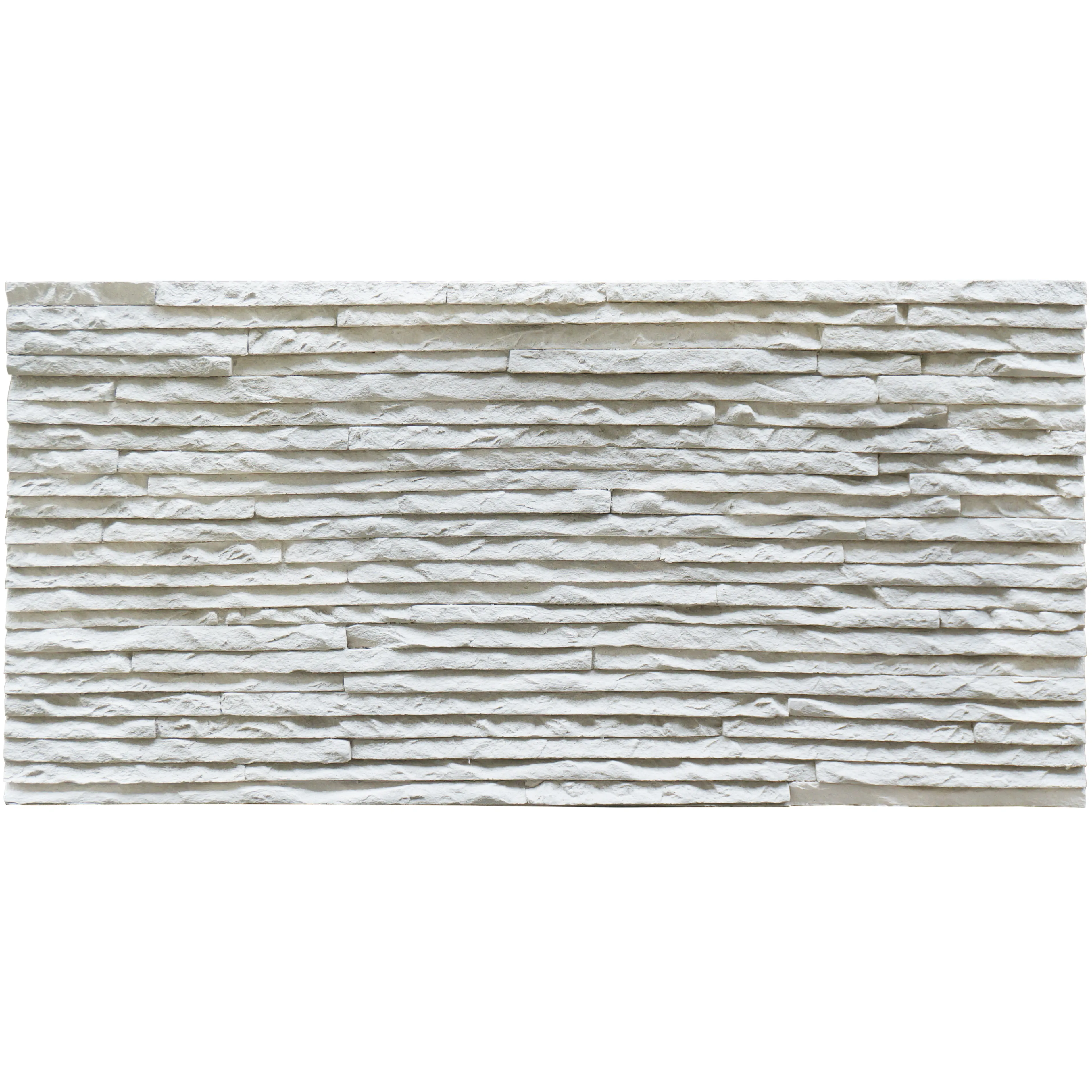
Before we start scrubbing, let's get to know the star of the show. Muretto stone (beige) is a type of engineered stone that's become a favorite in interior design for its soft, neutral hue and subtle, almost weathered texture. Think of it as the "cozy sweater" of building materials—it pairs beautifully with wood tones, pops of color, and even sleeker surfaces like fair-faced concrete or polish concrete . It's often used for backsplashes, accent walls, fireplace surrounds, and even flooring in low-traffic areas.
But here's what makes Muretto stone (beige) a bit tricky: it's slightly porous. Unlike, say, a wood grain board (which repels liquids if sealed) or polished marble (super dense), Muretto stone has tiny pores that can trap liquids and dirt. That porosity is part of its charm—it gives the stone depth and character—but it also means stains can sneak in if you're not quick. So, the key to keeping it clean? Being proactive and gentle.
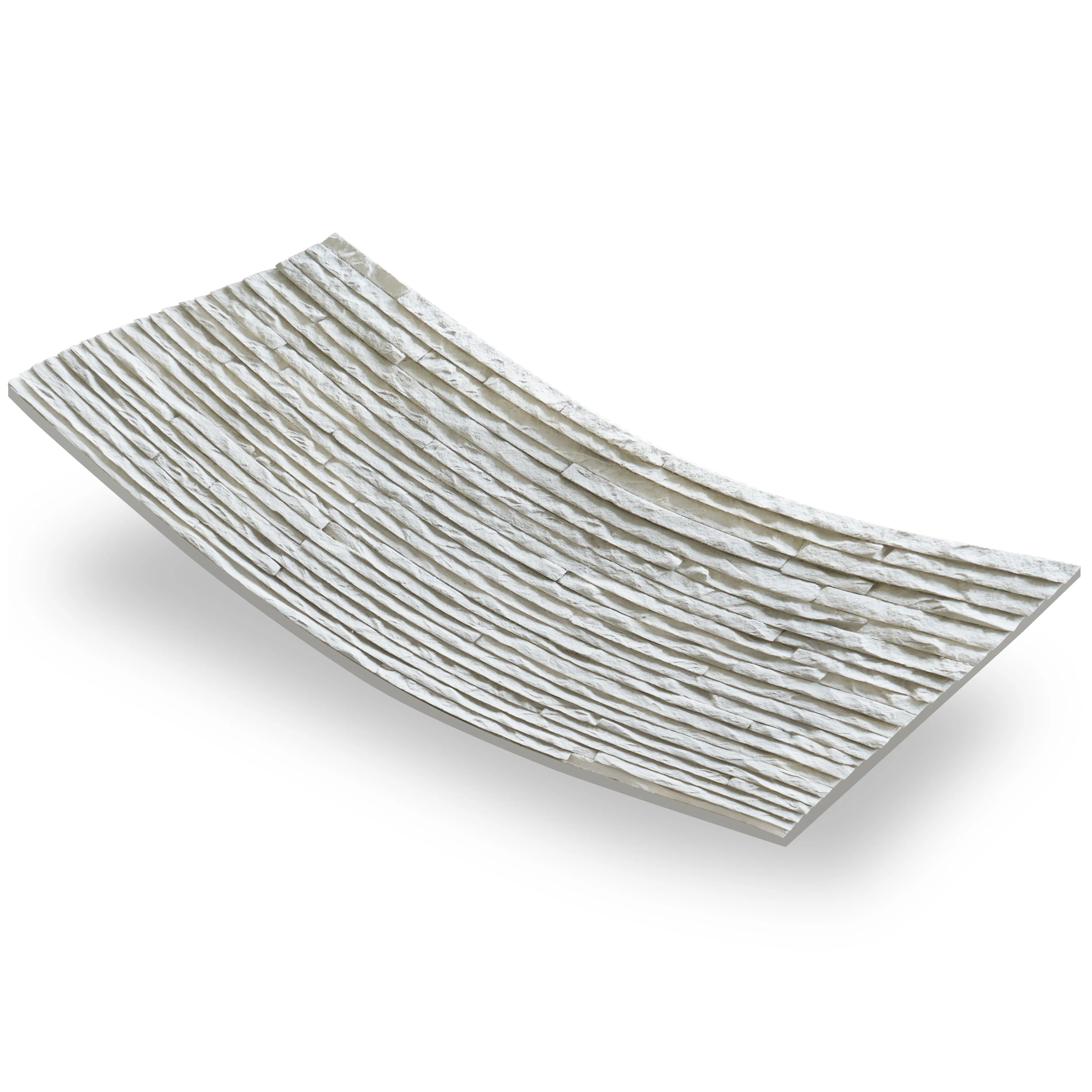
Let's talk about the enemies: stains. Muretto stone (beige) might look tough, but it's surprisingly susceptible to a few common culprits. Here's what to watch out for:
The good news? Most of these stains are preventable with quick action. The bad news? If you let them sit, they can become permanent. So, rule #1: Act fast! Blot (don't rub!) spills as soon as they happen. Rubbing pushes the liquid deeper into the pores—blotting soaks it up before it can set.
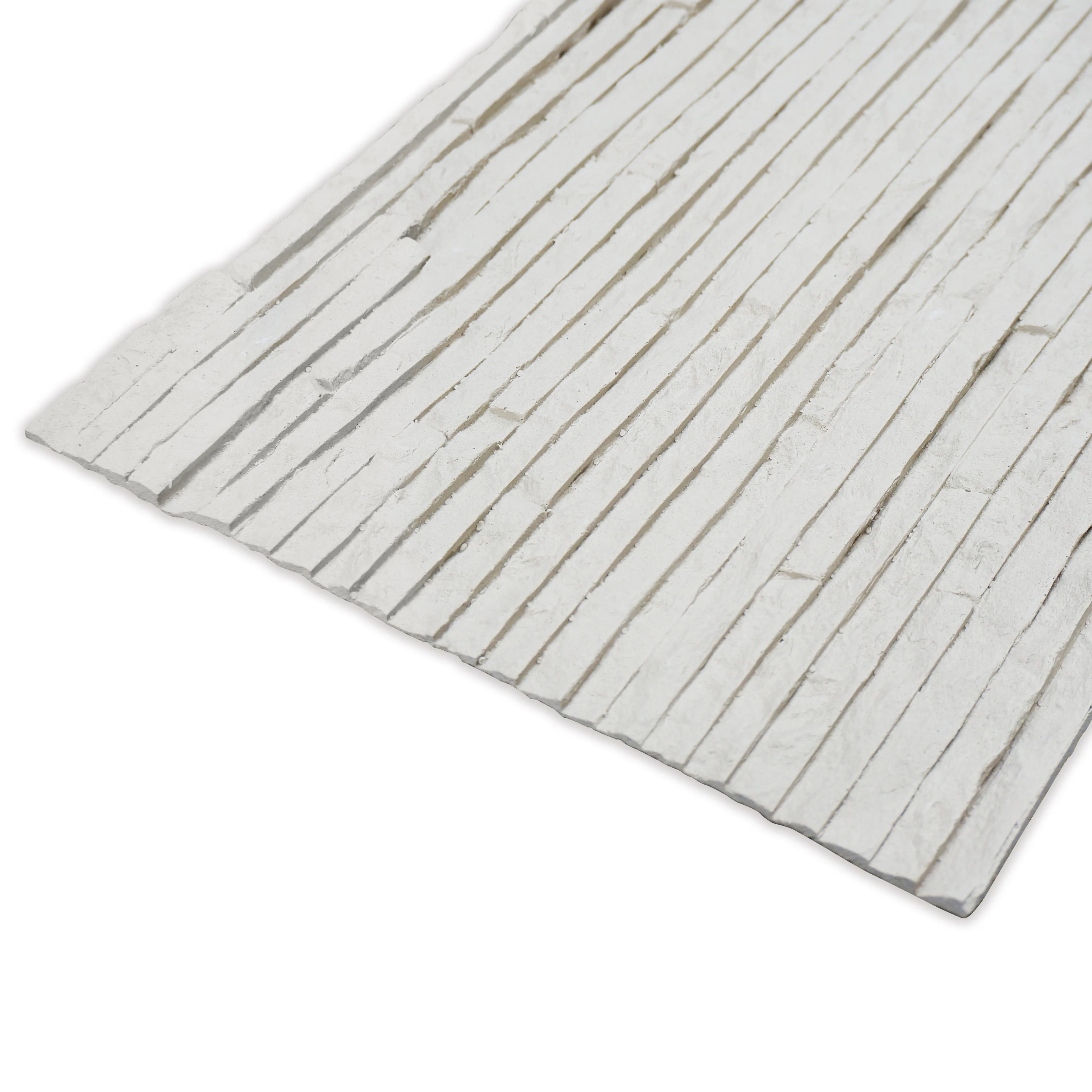
Walk down the cleaning aisle, and you'll see a million products claiming to "work on all stone." But Muretto stone (beige) is picky—harsh chemicals or abrasive formulas can etch its surface or strip away its natural color. Let's break down the best options, from DIY solutions to store-bought winners.
| Product Type | Best For | How to Use It | Pros | Cons |
|---|---|---|---|---|
| Baking Soda & Water Paste | Organic stains (coffee, wine), light dirt | Mix 3 parts baking soda with 1 part water to make a thick paste. Apply to stain, let sit 10-15 mins, then wipe with a damp cloth. | Natural, affordable, gentle on stone | Can leave a white residue if not rinsed well; not great for oil stains |
| pH-Neutral Stone Cleaner (e.g., StoneTech Revitalizer) | Daily cleaning, light stains, general upkeep | Spray directly on surface, wipe with a microfiber cloth. No rinsing needed. | Safe for porous stones, won't etch or discolor; often has a fresh scent | More expensive than DIY; some brands have strong fragrances |
| Hydrogen Peroxide (3%) | Tough organic stains (red wine, berry juice) | Dab a small amount on the stain with a cotton ball, cover with plastic wrap, let sit 30 mins. Rinse thoroughly. | Powerful on tough stains; disinfects too | Can lighten stone if left too long; test in an inconspicuous area first! |
| Dish Soap (Mild, Unscented) | Oil stains (cooking oil, butter) | Mix 1 tsp dish soap with 2 cups warm water. Dip a soft sponge in, gently scrub the stain, then rinse with clean water. | Easy to find; breaks down oil without harsh chemicals | Too much soap can leave streaks; avoid citrus-scented varieties (they're acidic!) |
| Travertine/Marble Cleaner (e.g., Black Diamond Stoneworks) | Deep cleaning, when you want to boost shine | Follow bottle instructions—usually spray, let sit 5 mins, wipe with a damp cloth. | Formulated for porous stones like Muretto; often contains conditioners to enhance texture | Not ideal for daily use (can build up); pricier than basic cleaners |
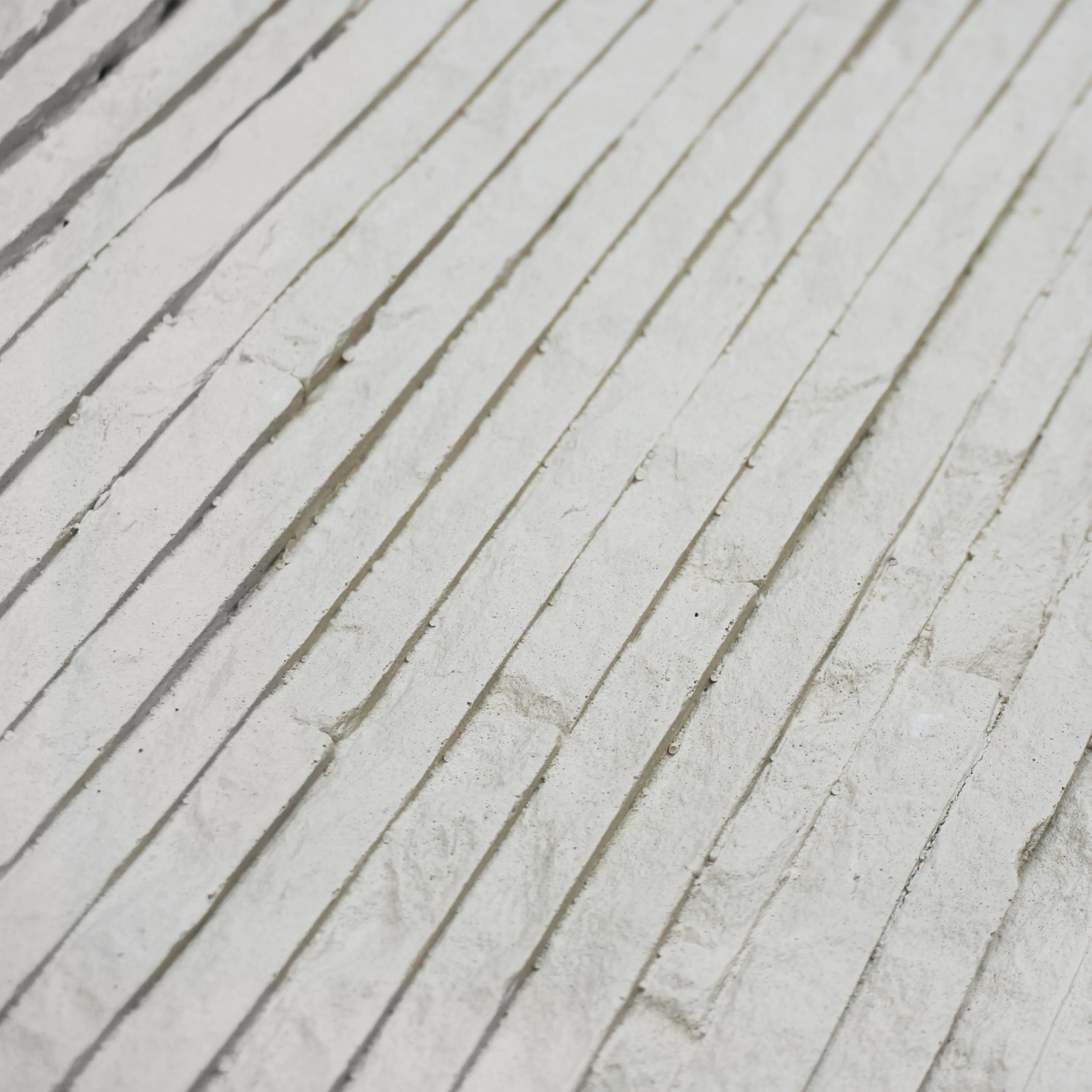
Now that you've got your products lined up, let's talk routine. Cleaning Muretto stone (beige) isn't a one-and-done task—it's a mix of daily habits and occasional deep cleans. Here's how to break it down.
You don't need to spend hours scrubbing every day—just a quick wipe-down to prevent dirt and spills from building up. Here's the drill:
1. Dust first. Use a dry microfiber cloth or a soft-bristled brush to sweep away dust, crumbs, or pet hair. If you skip this and go straight to wiping with water, you'll just push dirt around and risk scratching the stone.
2. Wipe with a damp cloth. Dip a microfiber cloth in warm water (no soap!) and wring it out well—you want it damp, not soaking. Gently wipe the surface, paying extra attention to areas prone to splatters (like behind the stove if it's a backsplash).
3. Dry immediately. Use a clean, dry microfiber cloth to buff the stone dry. This prevents water spots, which can show up as dull marks on Muretto's porous surface.
Once a week, step up your game with a pH-neutral stone cleaner (like the ones mentioned in the table). This helps lift any lingering grime that daily wiping misses. Here's how:
1. Prep the surface. Remove any items (like decor, dishes, or small appliances) from the stone. Dust again to avoid grinding dirt into the pores.
2. Apply cleaner. Spray the pH-neutral cleaner evenly across the surface. Let it sit for 2-3 minutes—this gives the formula time to break down oils and dirt, but don't let it dry!
3. Wipe and dry. Use a damp microfiber cloth to wipe away the cleaner, then buff dry with a second cloth. You'll notice the stone looks brighter and the texture more pronounced—hello, fresh vibes!
Let's be real: spills happen. The key is to act fast and use the right technique for the stain. Here's how to tackle the most common offenders:
Oil and Muretto stone (beige) are not friends. Oil seeps into pores quickly, so grab a paper towel and blot (don't rub!) the spill immediately. Once you've soaked up as much as possible, mix a drop of mild dish soap with warm water and gently scrub the area with a soft sponge (avoid anything scratchy, like a scouring pad). Rinse with warm water and dry thoroughly. If the stain lingers, try a paste of baking soda and water (as in the table) left on for 20 minutes—baking soda is a natural absorbent that can pull oil out of pores.
These are the drama queens of stains—they start light but darken over time. For fresh spills: blot, blot, blot with a paper towel. Then, mix equal parts water and hydrogen peroxide (3%) and dab the area with a cotton ball. Let it sit for 10 minutes, then rinse and dry. For older stains, cover the peroxide-soaked area with plastic wrap (to keep it moist) and leave it for up to 30 minutes. Check periodically—you don't want to lighten the stone!
Ever noticed white, chalky marks around your sink or shower? That's mineral buildup from hard water. For these, mix a 50/50 solution of water and white vinegar (yes, vinegar—*but only for mineral deposits!*). Dip a cloth in the solution, lay it over the spots, and let it sit for 5 minutes. Gently scrub with a soft brush, then rinse and dry. The acid in vinegar breaks down minerals without harming the stone (just don't use it on other stains—remember, Muretto is porous and vinegar is acidic!)
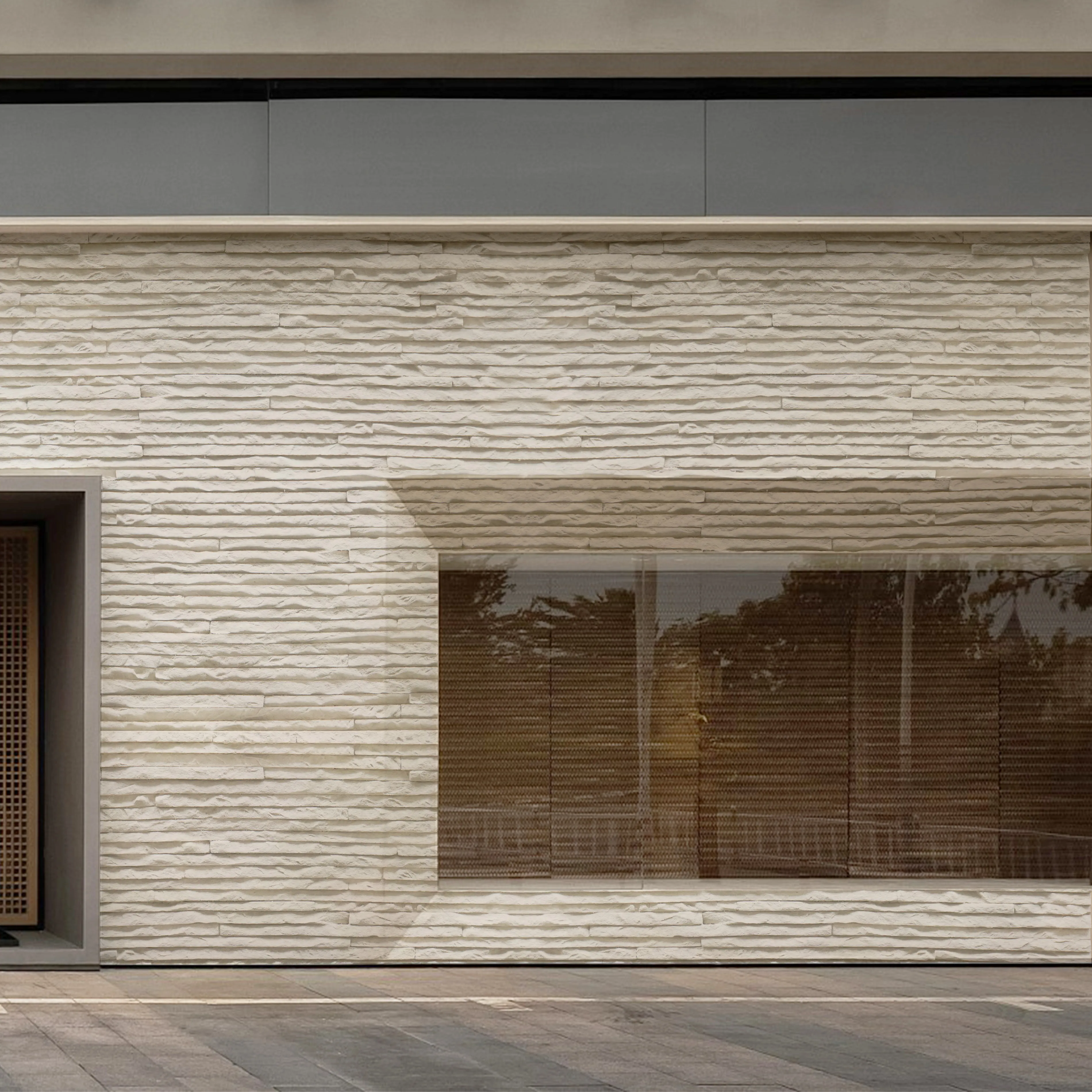
They say an ounce of prevention is worth a pound of cure—and that's never truer than with Muretto stone (beige). A few simple habits can save you from hours of scrubbing later:
This is non-negotiable. Muretto stone (beige) should be sealed when installed, and resealed every 1-2 years (or as recommended by the manufacturer). Sealer acts like a shield, filling in pores and repelling liquids. Think of it as a raincoat for your stone! Ask your installer about the best sealer for Muretto—look for a penetrating sealer (not a topical one, which can make the stone look plastic-y).
Hot pans, icy drinks, and oily dishes are public enemies #1-3. Keep coasters on your Muretto coffee table, trivets near the stove, and a mat under your toaster or coffee maker. It's a small step, but it prevents heat damage, water rings, and oil stains.
We've said it before, but it bears repeating: don't let spills sit. Even a few minutes can make the difference between a quick wipe and a stubborn stain. Keep a stack of microfiber cloths handy near your Muretto surfaces—out of sight, out of mind won't work here!
Stick to soft tools: microfiber cloths, soft sponges, and natural bristle brushes. Avoid steel wool, scouring pads, or abrasive cleaners—they'll scratch the stone's surface, making it more prone to staining in the future.
Sometimes, despite our best efforts, a stain just won't budge. Or maybe your Muretto stone (beige) is looking dull and lifeless, even after deep cleaning. That's when it's time to call a professional stone cleaner. They have access to stronger (but safe) cleaners and tools like steamers that can lift deep-set stains. They can also reseal the stone for you, ensuring maximum protection.
Signs it's pro time: stains that don't fade after 2-3 treatments, etching (dull, glassy marks from acidic spills), or a surface that feels rough even after cleaning (a sign the sealer is worn).
At the end of the day, cleaning Muretto stone (beige) isn't about perfection—it's about care. With a little knowledge, the right products, and consistent habits, you can keep this beautiful stone looking its best for years to come. Remember: it's okay if a spill happens. What matters is how you handle it. So, grab your microfiber cloth, stock up on pH-neutral cleaner, and give your Muretto stone the love it deserves. After all, it's not just a surface—it's part of the story of your home.
Now, go enjoy that coffee (with a coaster, of course) and admire your stunning, clean Muretto stone (beige). You've got this!
Recommend Products












