
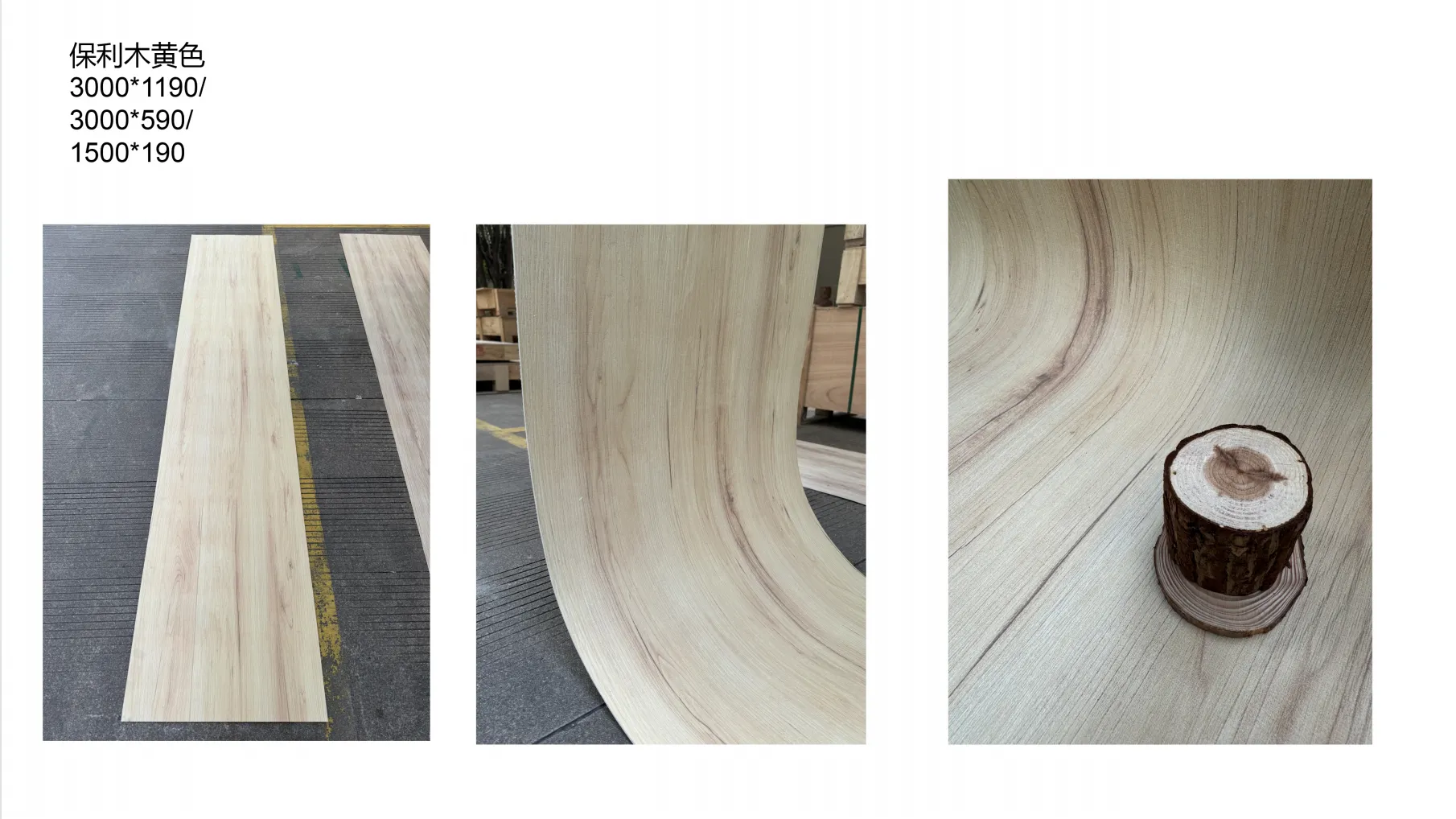
There's something about poly wood board that feels like a modern miracle, isn't there? It mimics the warm, natural look of wood—those subtle grains, the earthy tones—without the endless upkeep. Whether it's your backyard deck, patio furniture, or that sleek outdoor dining set you splurged on last summer, poly wood has a way of turning ordinary spaces into cozy retreats. But here's the thing: even tough materials need a little TLC. Ignore them, and that "new" look fades faster than you'd think. Let's dive into how to keep your poly wood board looking fresh, because trust me, a little care now saves a lot of hassle later.
First, let's get to know the star of the show. Poly wood board—sometimes called composite wood—is a blend of recycled wood fibers and plastic polymers. That combo is what gives it superpowers: resistant to rot, pests, and moisture, and way less likely to warp or splinter than real wood. It's why so many of us choose it for outdoor spaces; it handles rain, sun, and snow like a champ. But here's the catch: while it's low-maintenance, it's not no -maintenance. Dirt, pollen, bird droppings, and the occasional BBQ sauce spill can still take a toll if left unchecked. Think of it like a reliable friend—you don't need to dote on it, but checking in every now and then keeps the relationship strong.
You don't need a fancy toolkit for daily care—just a few minutes and some basic supplies. Let's start with the obvious: dust and debris. A soft-bristled broom or a microfiber cloth works wonders here. Sweep off your poly wood deck or wipe down your furniture once a day, especially if it's been windy. Pollen in spring, leaves in fall, or even just random dirt—these tiny particles can scratch the surface over time if they're ground in by foot traffic or rain.
For spots that need a little more attention, like a smudge from a wet glass or a bird dropping (we've all been there), grab a bucket of warm water and a mild dish soap. Dip a soft sponge or cloth into the soapy water, wring it out so it's damp (not soaking), and gently wipe the area. Rinse with clean water afterward to avoid leaving soap residue, which can attract more dirt. Pro tip: Avoid using abrasive brushes or scouring pads here—they might leave tiny scratches that dull the finish over time.
Even with daily care, stains happen. Maybe someone spills red wine at your dinner party, or a grease splatter from the grill lands on the table. The key is to act fast—and use the right method for the stain. Let's break down the most common culprits and how to fight back:
| Stain Type | Recommended Cleaner | Application Method | Drying Time | Pro Tips |
|---|---|---|---|---|
| Food & Beverages (ketchup, juice, wine) | Mild dish soap + warm water (1 tsp soap per 2 cups water) | Blot excess liquid first. Wipe with soapy cloth, then rinse with clean water. | 10-15 minutes | For stubborn stains, add a splash of white vinegar to the soapy water. |
| Oil & Grease (grill splatters, salad dressing) | Baking soda paste (3 parts baking soda + 1 part water) | Apply paste to stain, let sit 15 minutes. Scrub gently with a soft sponge, then rinse. | 20 minutes | Avoid using degreasers with bleach—they can fade color. |
| Mold & Mildew (damp corners, shaded areas) | 1:3 bleach to water solution (1 cup bleach + 3 cups water) | Spray lightly on the stain, let sit 5 minutes. Wipe clean with a damp cloth, rinse thoroughly. | 30 minutes | Wear gloves and work in a well-ventilated area. Rinse nearby plants to avoid bleach damage. |
| Bird Droppings & Pet Messes | White vinegar + water (1:1 ratio) | Soak the area with the mixture, let sit 5 minutes. Wipe with a soft sponge, rinse. | 15 minutes | Don't let droppings sit too long—they're acidic and can etch the surface. |
For really tough stains, like rust or ink, you might need a specialized composite cleaner (look for ones labeled safe for poly wood). Follow the instructions on the bottle, and remember: patience is key. Let the cleaner do its work, and avoid scrubbing too hard—you don't want to damage the surface.
Poly wood holds up well in all seasons, but each one brings unique challenges. Let's break down what to do when the weather shifts:
The sun's UV rays can fade poly wood over time, especially if it's in direct sunlight all day. To protect it, give your poly wood a "summer refresh" every 3-4 months. Mix a solution of warm water and a capful of composite deck cleaner (you can find these at home improvement stores), and scrub the surface with a soft brush. Rinse thoroughly, then let it dry. For extra protection, you can apply a UV-resistant spray designed for poly wood—just make sure it's compatible with your specific product (check the manufacturer's website if you're unsure).
Snow and ice can pile up on your poly wood deck or furniture, but resist the urge to shovel with a metal tool—those sharp edges can scratch! Use a plastic shovel instead, and sweep off light snow before it melts and refreezes (which can lead to slippery surfaces). If you need to melt ice, skip the rock salt—it can damage the poly wood's finish. Opt for calcium chloride instead, and sweep up any excess once the ice melts.
Spring is all about fresh starts. After the winter, give your poly wood a thorough cleaning to remove any dirt or debris that's built up. Check for loose screws or fasteners (like on deck boards or furniture joints) and tighten them—loose parts can cause the poly wood to warp over time. In fall, clear off leaves and pine needles regularly (they trap moisture, which can lead to mold) and give everything one last deep clean before winter hits.
Curious how poly wood stacks up against other popular materials? Let's take a quick look at two common alternatives: wood grain board and charcoal burnt wood board. Understanding the differences can help you appreciate why poly wood's maintenance routine is a breeze.
Wood grain board is often made from real wood with a printed or embossed grain pattern, which means it's more porous than poly wood. That porosity makes it prone to absorbing moisture, leading to rot or warping if not sealed annually. Poly wood, on the other hand, is non-porous—so water beads up instead of soaking in. While wood grain board might need sanding and re-staining every few years, poly wood skips all that. The tradeoff? Wood grain board has that authentic wood feel, but poly wood wins for long-term ease.
Charcoal burnt wood board (also called shou sugi ban) has a striking, textured look from being torched to resist rot. But that texture—while beautiful—can trap dirt and debris in its grooves. Cleaning it requires extra care: a soft-bristled brush to get into the crevices, and avoiding high-pressure washers that might strip the burnt finish. Poly wood's smooth, consistent surface is much easier to wipe clean, making it a better fit for busy households or anyone who'd rather spend time enjoying their space than cleaning it.
Even with the best care, you might run into a few hiccups. Here's how to fix them:
Minor scratches can often be buffed out with a dry, soft cloth—just rub gently in a circular motion. For deeper scratches, try a plastic polish (like the kind used for car dashboards) applied with a microfiber cloth. Let it sit for a minute, then buff away. The polish fills in the scratch and blends with the surrounding area.
If your poly wood looks dull or faded, a UV-resistant sealant can help restore its color. Apply it with a sponge or roller, following the manufacturer's instructions, and let it dry completely before using the surface again.
Poly wood is resistant to warping, but it can happen if water pools on it for too long (like a leaky planter or a puddle that doesn't drain). Check for drainage issues on your deck, and use furniture pads under planters to elevate them off the surface. If a board does warp, contact the manufacturer—many poly wood products come with warranties that cover defects like this.
I chatted with Maria Gonzalez, a landscaping contractor with 15 years of experience working with poly wood, and she shared some golden advice: "People think poly wood is 'set it and forget it,' but small habits make a huge difference. I have clients whose decks look brand new after 10 years because they sweep regularly and clean stains immediately. The biggest mistake? Using a power washer on high pressure—it can blast away the protective layer and leave the surface rough."
Other expert tips to keep in mind:
At the end of the day, cleaning and maintaining your poly wood board isn't just about keeping it looking good—it's about making the most of your outdoor space. When your deck is spotless, your furniture shines, and you don't have to worry about stains or damage, you're free to relax, host, and create memories. Poly wood was designed to simplify your life, not add stress, and with these tips, it will do just that.
So grab your broom, mix up that soapy water, and give your poly wood a little love this weekend. Trust me, it will thank you—and so will your future self, when you're still enjoying that beautiful, low-maintenance space years from now.
Recommend Products












