
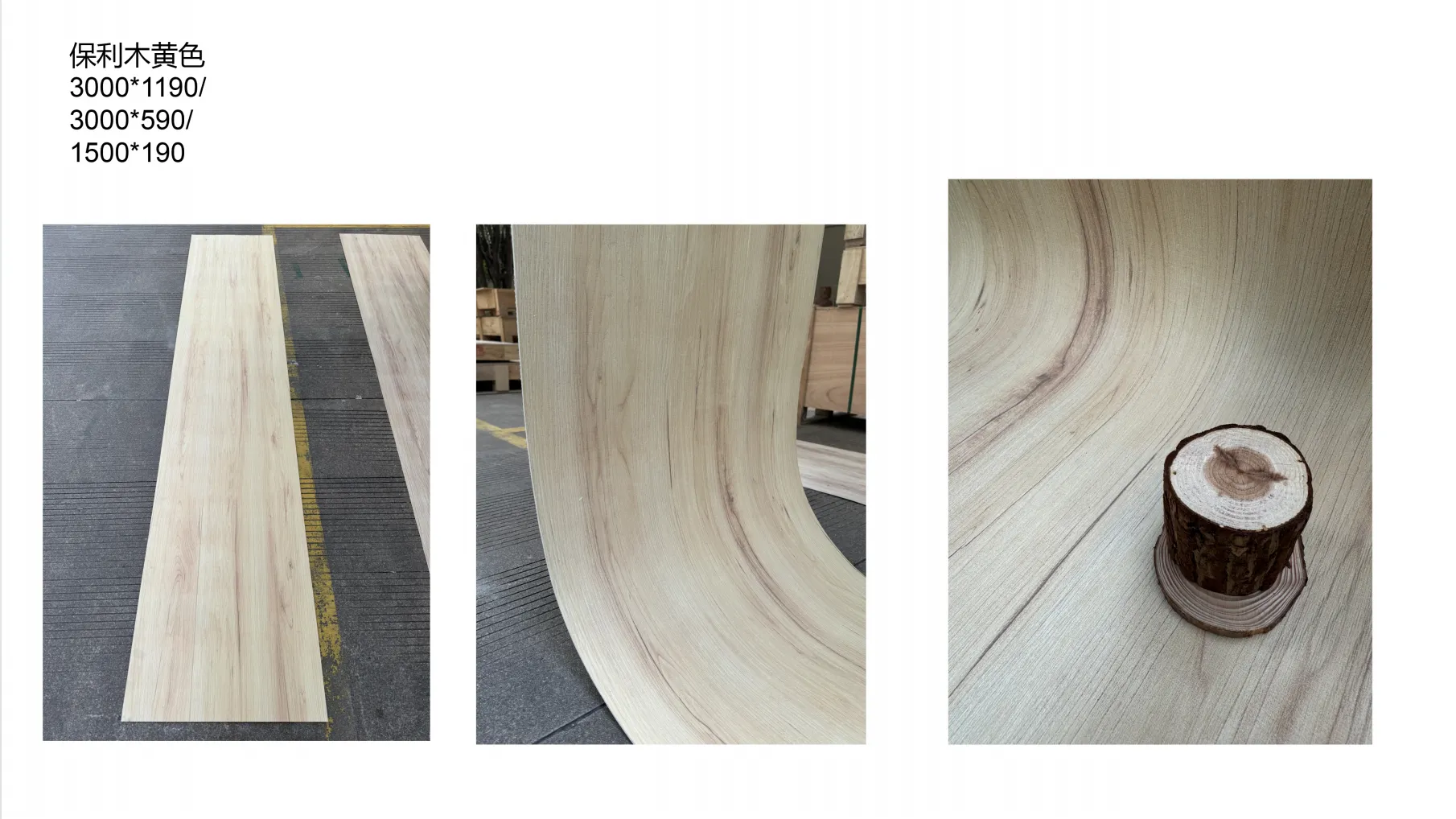
If you've ever stepped into a modern home, a trendy café, or even a sleek office space, chances are you've admired the warm, inviting look of wood surfaces. But here's the thing: real wood can be a high-maintenance diva. It warps in humidity, scratches easily, and demands constant polishing to stay looking fresh. That's where poly wood board comes in—and why it's become a favorite for homeowners and designers alike. It gives you that timeless wood aesthetic without the hassle… but only if you take care of it properly. Today, we're diving into everything you need to know about cleaning and maintaining poly wood board, from daily dusting to tackling tough stains. Whether you've just installed it in your backyard deck, kitchen cabinets, or living room accent wall, these tips will help keep it looking brand-new for years to come.
Before we get into the "how" of cleaning, let's make sure we're all on the same page about what poly wood board actually is. You might hear it called "polywood," "composite wood," or even "engineered wood," but at its core, it's a blend of recycled plastic (like HDPE) and wood fibers, often reinforced with additives to boost durability. Think of it as the ultimate team-up: the natural beauty of wood grain with the toughness of plastic. And when brands like COLORIA craft it using MCM flexible stone technology, you get even more perks—flexibility, resistance to weather, and a surface that's surprisingly easy to care for, even compared to materials like fair-faced concrete or traditional wood grain board.
So why do people love it? For starters, it's eco-friendly (hello, recycled materials!). It doesn't rot, fade, or attract pests like termites. It's perfect for both indoor and outdoor use—decking, patio furniture, wall panels, even kitchen countertops. But here's the catch: while it's tough, it's not invincible. Dirt, grime, and stains can still build up over time, dulling that rich wood-like finish. That's why knowing how to clean it properly isn't just about aesthetics—it's about protecting your investment.
Let's be real: no one wants to spend their weekends scrubbing surfaces. The good news is that poly wood board doesn't require hours of upkeep—just a little consistency. Think of it like brushing your teeth: daily habits (a quick wipe here, a dust there) prevent bigger problems (cavities… or in this case, stubborn stains) down the line. We'll break this down into three categories: daily maintenance, weekly cleaning, and deep cleaning for those "oops" moments.
Daily care for poly wood board is all about preventing buildup. Even if your space looks "clean," tiny particles of dust, pollen, or food crumbs can act like sandpaper over time, scratching the surface when you walk or wipe over it. Here's what to do:
Daily dusting and wiping will keep things looking tidy, but once a week, it's time to step up your game. This is when you'll tackle the grime that's too stubborn for a dry cloth—like the film that forms from cooking grease in the kitchen or the dirt that sticks after a rainstorm on your outdoor deck. Here's how to do it right:
Let's face it: life is messy. Whether it's a wine spill at a dinner party, a grease splatter from the grill, or a muddy paw print from your dog, stains happen. The key is to act fast and use the right method for the stain. Here's a breakdown of the most common culprits and how to tackle them:
These are the most common, and luckily, the easiest to handle if you catch them early. For fresh stains: Blot up as much liquid as possible with a paper towel (don't rub!). Then, mix equal parts white vinegar and water in a spray bottle. Spray the stain, let it sit for 5 minutes, then wipe with a damp cloth. For older stains, make a paste of baking soda and water (about 3 parts baking soda to 1 part water), apply it to the stain, and let it sit for 15-20 minutes. Gently scrub with a soft brush, then rinse and dry. The baking soda acts as a mild abrasive, lifting the stain without scratching the surface.
Oil stains can be tricky because they repel water. Start by sprinkling cornstarch or talcum powder on the stain—these absorb oil. Let it sit for 30 minutes to an hour, then sweep or vacuum it up. Next, use the same dish soap and warm water solution from your weekly cleaning, but add a drop of degreaser (like Simple Green) if the stain is stubborn. Scrub gently, rinse, and dry. For outdoor grill grease, try a citrus-based cleaner (the natural acids help break down oil) before moving to harsher options.
Mold loves damp, shaded spots—think under patio furniture or in bathroom corners. Mix a solution of 1 part hydrogen peroxide (3%) and 2 parts water in a spray bottle. Spray the affected area, let it sit for 10 minutes, then scrub with a soft brush. Rinse thoroughly and dry. Avoid bleach, as it can fade the color of your poly wood board and damage the surface over time. For severe mold, you might need to repeat the process, but with regular cleaning, it should stay at bay.
Rust can leave orange-brown spots that are tough to miss. For these, reach for lemon juice and salt. Squeeze fresh lemon juice onto the stain, sprinkle with salt, and let it sit for 15 minutes. The acid in the lemon breaks down the rust, and the salt adds gentle abrasion. Scrub with a soft brush, then rinse and dry. If the stain is old, you can use a rust remover like CLR, but again, test it on a hidden spot first and rinse *immediately* after use—these products are strong!
Cleaning is important, but prevention is even better. Here are some extra tips to help your poly wood board stay in top shape, whether it's indoors or outdoors:
Curious how poly wood board stacks up against other popular materials when it comes to cleaning and care? Let's do a quick comparison to put things in perspective:
At the end of the day, poly wood board hits that sweet spot: beauty *and* brains. It looks like wood, acts like plastic, and cleans up easier than both. And when you factor in COLORIA's MCM flexible stone technology, you get a material that's not just low-maintenance, but also versatile enough to fit any design style—from rustic cabins to modern lofts.
We know life gets busy, so here's a handy table to keep on hand for those "what do I do now?!" moments:
| Task | Tools Needed | Steps | Pro Tips |
|---|---|---|---|
| Daily Dusting | Microfiber cloth, soft broom | Wipe/dust surface; blot spills immediately | Follow the "grain" to avoid streaks |
| Weekly Cleaning | Warm water, mild dish soap, sponge/mop, dry towel | Mix soapy water; scrub gently; rinse; dry | Skip pressure washers—too harsh! |
| Wine/Oil Stains | Vinegar/water (wine) or cornstarch + dish soap (oil) | Blot first; apply solution; scrub; rinse | Act within 10 minutes for best results |
| Mold/Mildew | Hydrogen peroxide + water, soft brush | Spray, let sit 10 mins, scrub, rinse | Dry thoroughly to prevent regrowth |
| Monthly Maintenance | Felt pads, UV spray (if needed) | Add pads to furniture; inspect for damage | Trim plants to reduce debris |
At the end of the day, poly wood board is more than just a building material—it's an investment in your space's beauty and functionality. It's the deck where you host summer barbecues, the patio set where you sip morning coffee, the wall panel that ties your living room together. And like any investment, it needs a little love to thrive.
The good news? Caring for it doesn't have to be complicated. With daily dusting, weekly soapy water washes, and quick action on stains, you can keep that wood-like finish looking fresh for decades. And when you choose a quality product like COLORIA's poly wood board—crafted with MCM flexible stone technology—you're already starting with a material that's built to last, even with minimal effort.
So go ahead—enjoy your poly wood board. Host that party, let the kids play on the deck, cook up a storm in the kitchen. Just remember: a little cleaning today means a lot of beauty tomorrow. Your future self (and your space) will thank you.
Recommend Products












