
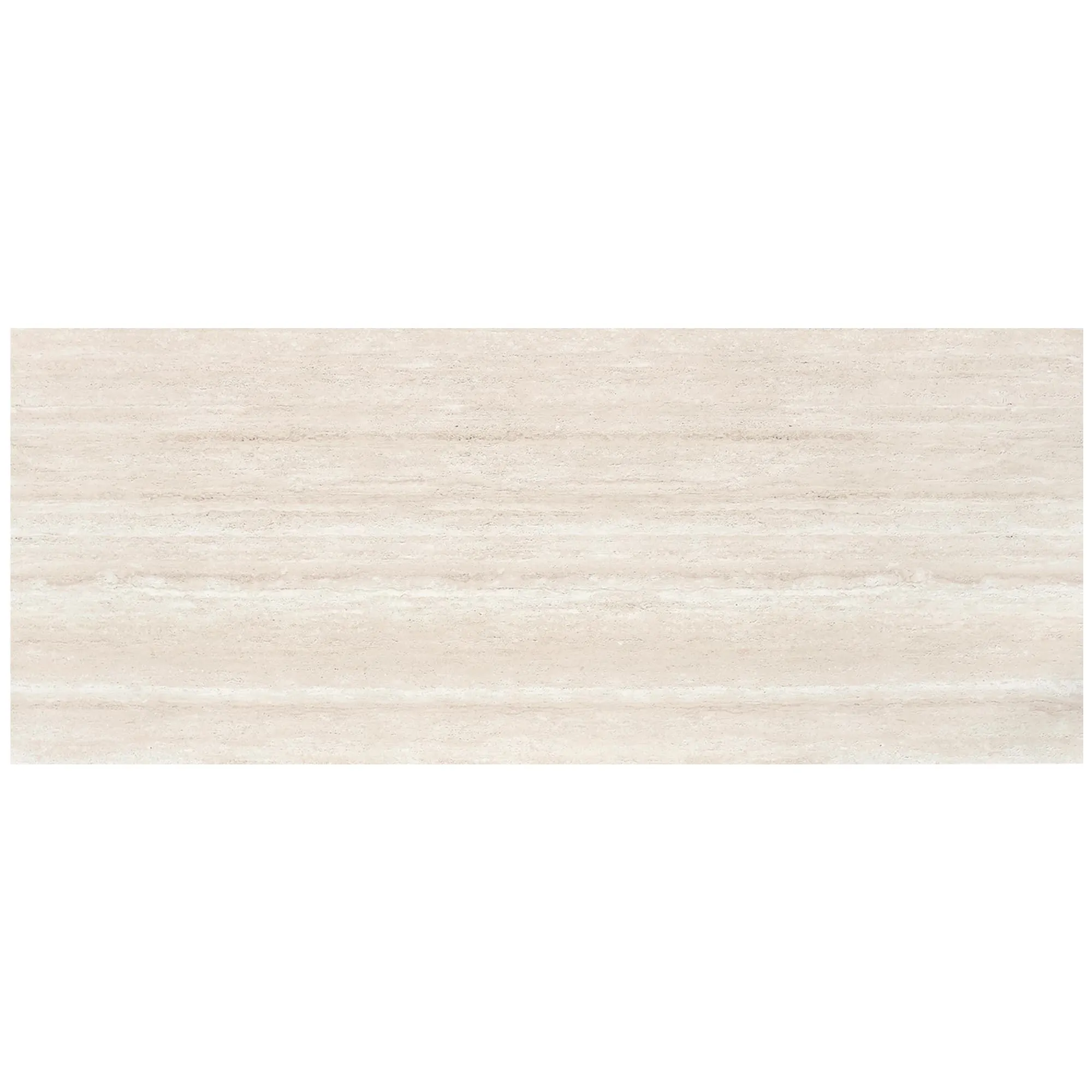
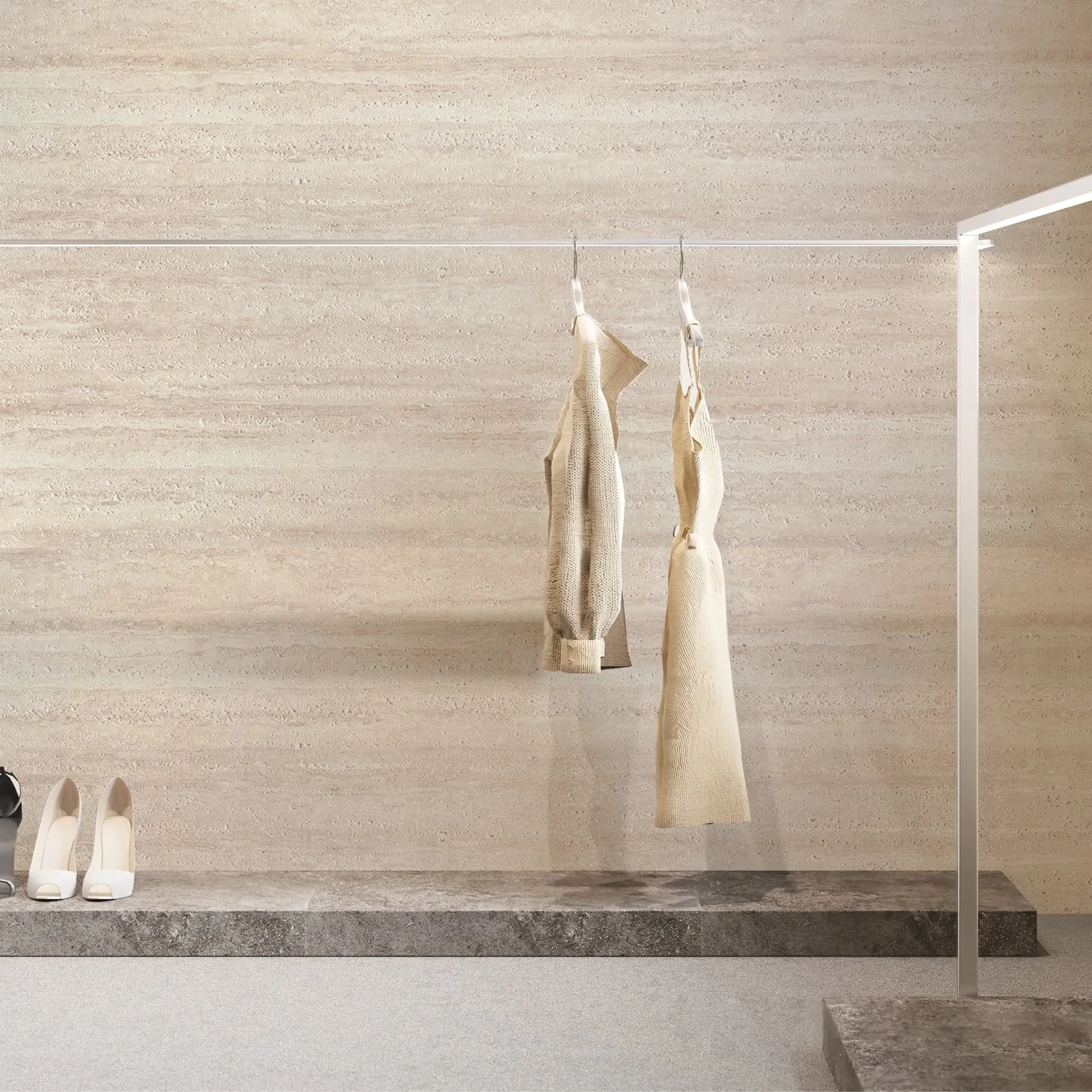
There's something uniquely comforting about Rona Yellow MCM. Maybe it's the way its warm, golden-yellow tones shift with the light—soft in the morning, rich at dusk—or how its textured surface adds depth to a room without feeling overwhelming. As part of MCM's project board series, this modified composite material panel is designed to mimic the earthy elegance of natural stone while being lighter, more durable, and easier to install than traditional options. But like any cherished piece in your home, it needs a little love to stay looking its best. And if you're someone who cares about both your space and the planet, eco-friendly cleaning is the way to go. Let's dive into how to keep your Rona Yellow MCM wall sparkling without harsh chemicals—because beauty shouldn't come at the cost of our health or the environment.
Before we grab the cleaning supplies, let's talk about why "green" cleaning isn't just a trend here. Rona Yellow MCM, like other flexible stone cladding options, is engineered to be resilient, but it's not invincible. Harsh chemicals—think bleach, ammonia, or heavy-duty tile cleaners—can strip away its protective coating, dull its color, or even etch its surface over time. And let's not forget about you: those fumes from traditional cleaners? They linger in the air, irritate lungs, and can even trigger allergies or headaches, especially if you have kids or pets running around. Then there's the planet: when you rinse those chemicals down the drain, they end up in waterways, harming aquatic life and disrupting ecosystems. Eco-friendly cleaning, on the other hand, uses gentle, plant-based ingredients that clean effectively without leaving a trail of destruction. It's a win-win-win: for your MCM, your home, and the world outside your door.
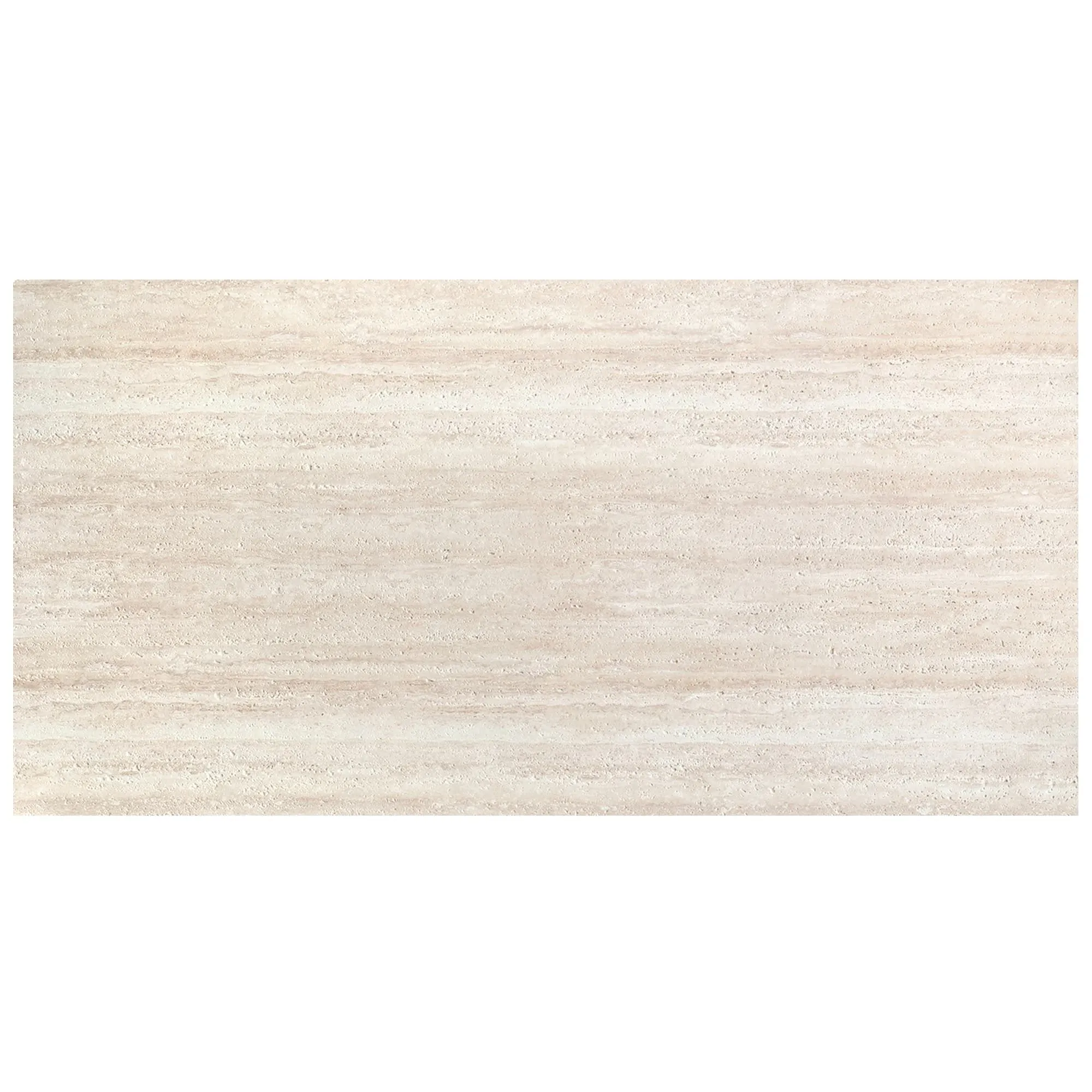
To clean Rona Yellow MCM properly, you need to know what you're working with. Unlike fair-faced concrete or polished marble, Rona Yellow MCM has a porous texture (though less so than natural travertine) that can trap dust and liquids if left unattended. Its color is embedded deep into the material, but prolonged exposure to strong acids or alkalis can still cause fading, especially in direct sunlight. The key here is to think "gentle but thorough." Imagine cleaning a vintage textile—you wouldn't toss it in the washer on high heat, right? The same logic applies: Rona Yellow MCM needs a light touch to preserve its character.
Another thing to love about this material? It's designed for real life. Whether it's in a busy kitchen, a high-traffic hallway, or an outdoor patio (yes, MCM is weather-resistant!), it can handle spills, splashes, and the occasional scuff. But that doesn't mean it's immune to damage. A coffee spill left overnight, or a rogue crayon mark from a tiny artist, can stain if not treated properly. The good news? With the right eco-friendly products and a little patience, most stains can be tackled without stress.
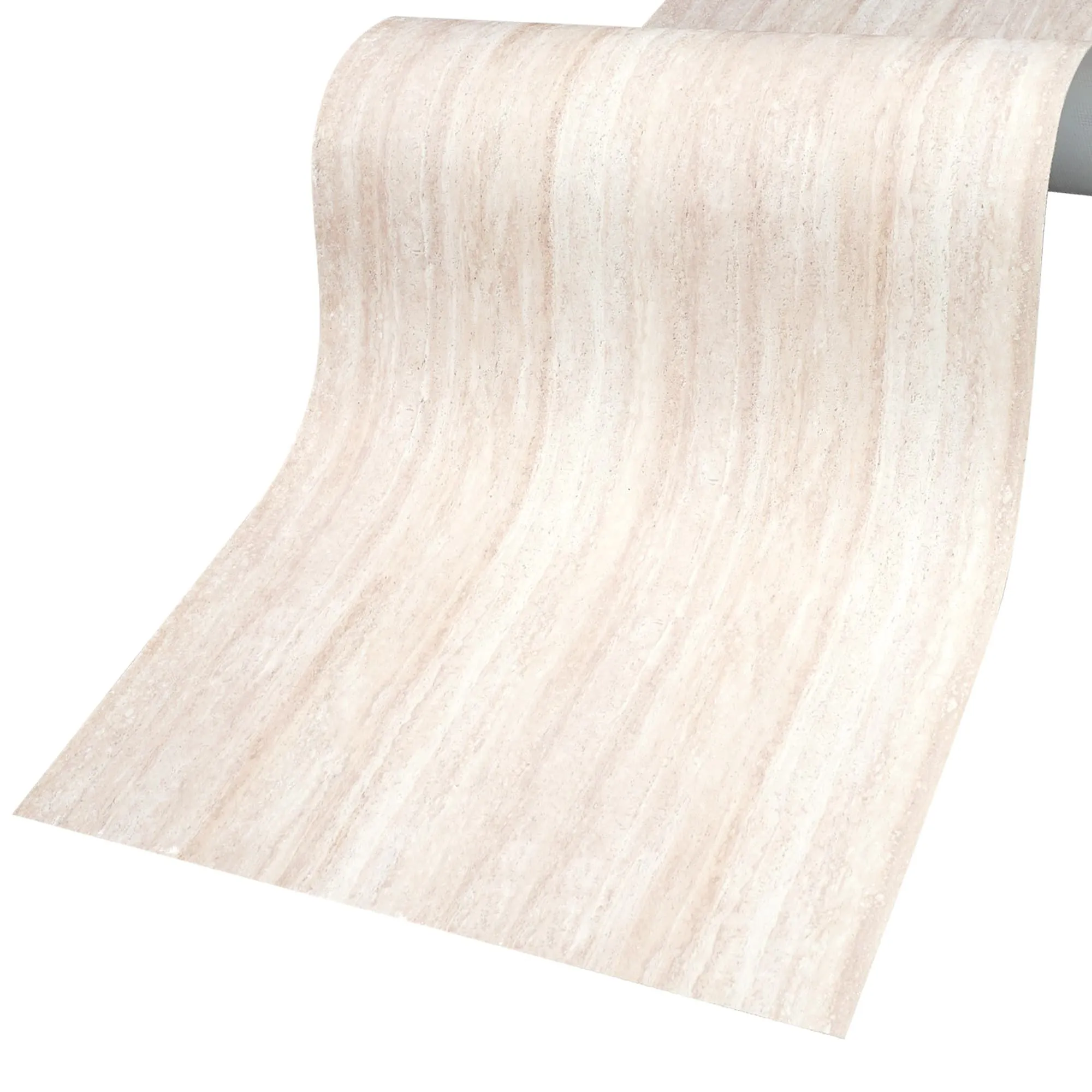
The first step to eco-friendly cleaning is knowing which products are safe for your Rona Yellow MCM. Below is a handy table to guide you—stick to these, and you'll avoid accidental damage while keeping things green.
| Product Type | Key Ingredients | Best For | How to Use | Why It Works |
|---|---|---|---|---|
| Distilled Water | Pure H2O (no minerals) | Daily dusting, rinsing | Wipe with a microfiber cloth dampened (not soaked) in water. | Mineral-free water prevents water spots; gentle enough for daily use. |
| Mild Castile Soap | Plant-based oils (olive, coconut) | Light dirt, food spills, fingerprints | Mix 3-4 drops with 1 cup warm water. Use a soft sponge to dab (not scrub). | Surfactants in castile soap lift grime without stripping the MCM's finish. |
| Baking Soda Paste | Baking soda + water (1:1 ratio) | Grease, oil stains, mildew | Apply a thin layer, let sit 10 mins, then wipe with a damp cloth. | Gently abrasive to lift tough stains without scratching; naturally alkaline to cut grease. |
| White Vinegar (Diluted) | Vinegar + water (1:10 ratio) | Hard water spots, soap scum | Spray lightly on the area, let sit 5 mins, then wipe with a damp cloth. | Mild acid breaks down mineral deposits; dilute to avoid damaging the MCM's surface. |
| Lemon Juice (Diluted) | Lemon juice + water (1:5 ratio) | Light stains, deodorizing | Dab on with a cotton ball, rinse with water, dry immediately. | Natural citric acid cuts through grime; leaves a fresh, citrusy scent. |
What to Avoid: Stay far away from bleach, ammonia, abrasive scouring pads (steel wool, Brillo), or cleaners with hydrochloric acid (often found in toilet bowl or tile cleaners). These can eat through the MCM's protective layer, fade its color, or create permanent scratches. Even some "natural" cleaners, like undiluted vinegar or hydrogen peroxide, can be too harsh—always dilute and spot-test first!
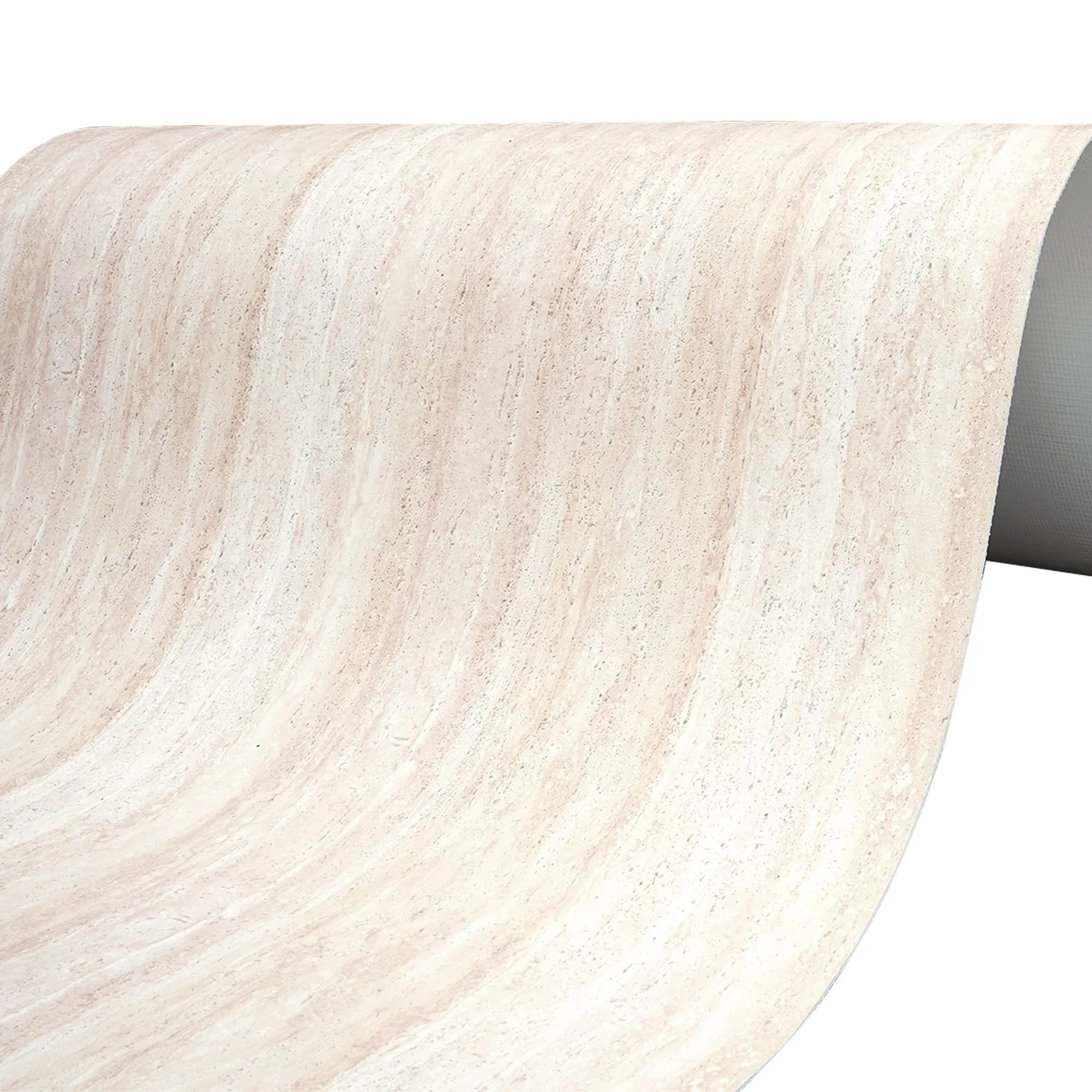
The best way to keep your Rona Yellow MCM looking fresh is to prevent dirt from building up in the first place. Daily dusting takes 2 minutes and makes a world of difference. Grab a soft microfiber cloth (the kind you use for glasses or electronics—they're lint-free and super gentle) and give the wall a quick once-over. Start at the top and work your way down to catch falling dust. If you have a textured MCM surface, gently run the cloth along the grooves—don't press too hard, as you don't want to push dust deeper into the pores. For high ceilings or hard-to-reach spots, a telescoping duster with a microfiber head works wonders. Think of it like brushing your teeth: quick, easy, and prevents bigger issues later.
Accidents happen—maybe you spilled a little orange juice at breakfast, or tracked mud in from the garden. The key here is to act fast. Blot, don't rub! Rubbing pushes the stain deeper into the MCM's texture; blotting soaks it up. Grab a clean, dry microfiber cloth and press firmly on the stain for 10-15 seconds. Repeat with a fresh part of the cloth until no more liquid transfers. Once the area is dry to the touch, mix a solution of 3 drops of mild castile soap (like Dr. Bronner's) with 1 cup of warm distilled water. Dip a soft sponge into the solution, wring it out until it's barely damp (you want it moist, not wet), and gently dab the stain. Work in small circles, starting from the edges and moving inward to avoid spreading the stain. Rinse the sponge in clean water, wring it out, and blot the area again to remove soap residue. Finally, dry with a microfiber cloth—no need to rub, just press and lift.
Grease from a splattering pan, ink from a leaky pen, or crayon art from a tiny Picasso—these require a bit more elbow grease, but still with eco-friendly tools. For grease, make a paste with baking soda and water (1:1 ratio, so 2 tbsp baking soda + 2 tbsp water). Apply a thin layer to the stain with a soft brush (an old toothbrush works, as long as the bristles are soft!), then let it sit for 10 minutes. The baking soda will gently absorb the grease. Wipe away the paste with a damp sponge, then rinse with clean water and dry. For ink or crayon, a few drops of lemon juice on a cotton ball can help—dab the stain, let it sit 30 seconds, then wipe with a damp cloth. The citric acid breaks down the pigments without harming the MCM.
If the stain is really stubborn (we're talking dried pasta sauce or motor oil), mix 1 part hydrogen peroxide (3%, the kind you find in drugstores) with 2 parts water. Dab it on with a cotton ball, let it sit 2 minutes, then rinse immediately. Hydrogen peroxide is a natural oxidizer that can lift tough stains, but it can lighten colors if left too long—so don't walk away! Always rinse thoroughly and dry after.
Even with daily care, your Rona Yellow MCM will benefit from a monthly deep clean to remove built-up dust and grime. For this, mix ½ cup white vinegar with 1 gallon of warm distilled water (the vinegar is diluted enough here to be gentle). Grab a soft mop (the kind with a microfiber pad) or a large microfiber cloth attached to a handle, and wipe the wall in small sections, starting at the top. This prevents drips from staining lower areas. After mopping, go over the wall with a clean, damp cloth to rinse away any vinegar residue, then dry with a microfiber cloth. If your MCM has deep grooves or texture, use a soft-bristle brush to gently scrub those hard-to-reach spots—just be careful not to scrub too hard, as you don't want to wear down the surface.
Eco-friendly cleaning isn't just about spot-treating stains—it's about preventing them in the first place. Here are a few long-term care tips to keep your Rona Yellow MCM wall vibrant for years:
Even with the best intentions, it's easy to slip up. Here are a few mistakes to steer clear of:
Using too much water: MCM is water-resistant, but soaking the wall can cause water to seep behind panels, leading to mold or warping. Always use damp (not wet) tools and dry thoroughly after cleaning.
Scrubbing with abrasive tools: Steel wool, scouring pads, or even rough sponges can scratch the MCM's surface. Stick to microfiber cloths, soft sponges, or soft-bristle brushes.
Ignoring stains: The longer a stain sits, the harder it is to remove. Even if you're in a hurry, take 30 seconds to blot a spill—you'll save yourself time (and stress) later.
Your Rona Yellow MCM wall is more than just a building material—it's a part of your home's story. It's the backdrop to morning coffee, evening conversations, and quiet moments of reflection. Cleaning it eco-friendly isn't just about keeping it clean; it's about honoring that story, and the planet we all share. With the right tools—distilled water, castile soap, baking soda, and a little patience—you can keep it looking beautiful for years to come. And when you step back and admire that warm, golden glow, you'll know you did it all without harming a thing. That's the real beauty of green cleaning: it's good for your home, good for you, and good for the world. Here's to many more years of enjoying your Rona Yellow MCM—clean, vibrant, and full of life.
Recommend Products












