Granite is absolutely stunning, isn't it? It adds this incredible touch of elegance and durability to any space, whether it's your kitchen countertop, a lavish floor in a commercial building, or even an exterior facade. Its natural beauty, with all those unique patterns and speckles, makes it a top choice for both residential and commercial projects. But even something as robust and beautiful as granite isn't completely immune to life's little mishaps. One common and particularly stubborn issue that can mar its perfect surface is rust.
Rust stains on granite can be incredibly frustrating to deal with. They can appear as unsightly orange, brown, or reddish marks that seem to cling to the stone, making your beautiful granite look tired and neglected. But don't despair! With the right approach and a good understanding of what causes these stains, you can effectively tackle them and restore your granite to its former glory. This comprehensive guide will walk you through everything you need to know about cleaning rust board granite, covering the essential 'Do's' and critical 'Don'ts' to ensure you protect your investment while getting rid of those pesky stains for good. We'll even touch upon how to prevent them in the first place and look at some innovative material solutions that might offer a fresh perspective for future architectural endeavors, perhaps even including advanced
MCM materials
.
Understanding Rust: The Enemy of Pristine Granite
Before we jump into cleaning, it's really helpful to understand what rust is and how it ends up on your beautiful granite. Rust, scientifically known as iron oxide, is what happens when iron or steel comes into contact with oxygen and moisture. It's a natural chemical reaction, and it's pretty relentless once it starts.
How Rust Stains Form on Granite:
-
External Sources:
This is the most common culprit. Think about metal objects left on your granite surface – maybe a leaky can of shaving cream, a forgotten tool, metal furniture legs, rusty nails, or even iron pots and pans. When moisture is introduced (a spill, humidity, rain), the iron in these objects oxidizes and the resulting rust residue seeps into the porous surface of the granite.
-
Internal Iron Content:
Less common, but still a factor. Some types of granite naturally contain small amounts of iron within their composition. While usually stable, prolonged exposure to moisture or certain chemicals can sometimes cause this internal iron to oxidize and bleed to the surface, creating an 'internal' rust stain. These can be particularly tricky because they originate from within the stone itself.
-
Water with High Iron Content:
If your area has well water or tap water with high iron levels, repeated exposure can leave behind iron deposits that eventually rust on the surface of the granite.
Granite, despite its hard appearance, is a porous material. This means it has tiny microscopic channels that can absorb liquids. While sealing helps, it doesn't make granite completely impermeable. When rust-laden moisture sits on the surface, it finds its way into these pores, setting up shop and creating that stubborn stain.
The "Don'ts": What NOT to Do When Cleaning Rust from Granite
When faced with a nasty rust stain, it's tempting to reach for the strongest cleaner you can find or scrub it vigorously. However, this is where you need to exercise extreme caution. Improper cleaning methods can do more harm than good, potentially causing irreparable damage to your expensive granite. Here's what you absolutely should avoid:
Don't Use Harsh, Acidic, or Abrasive Cleaners:
-
Bleach:
While a common household cleaner, bleach is generally too harsh for natural stone like granite. It can strip the sealant, dull the finish, and potentially react with the minerals in the stone, leading to discoloration or etching.
-
Vinegar, Lemon Juice, or Other Acids:
This is a big no-no! Granite contains calcium carbonate, which reacts very poorly with acids. Even mild acids like vinegar or lemon juice can etch the surface, leaving dull spots that are almost impossible to fix. Many DIY rust remedies suggest these, but they are dangerous for granite.
-
Ammonia-Based Cleaners:
Similar to bleach, ammonia can degrade the sealant and leave streaks or dullness.
-
Abrasive Scrubbers or Powders:
Steel wool, abrasive sponges, or powdered cleansers might seem like they'd scrub away the rust, but they will inevitably scratch the polished surface of your granite. These scratches collect dirt and make the stone look dull and worn.
-
General Bathroom/Tile Cleaners:
Many of these products contain strong acids or chemicals designed for ceramic tiles, not natural stone. Always check the label to ensure it's safe for granite or natural stone.
Don't Overlook Safety:
-
Ignoring Ventilation:
When working with any chemical cleaner, even those designed for granite, ensure good ventilation. Open windows and doors.
-
Skipping Protective Gear:
Always wear gloves to protect your hands from chemicals. Goggles are also advisable to protect your eyes, especially when mixing or applying poultices.
Don't Rush the Process:
-
Impatience:
Rust removal, especially for deep stains, takes time. Rushing the poultice drying process or not letting a commercial cleaner sit long enough will only lead to frustration and incomplete results.
-
Leaving Residue:
Failing to thoroughly rinse away cleaning solutions can leave behind chemical residues that might cause new problems or dull the stone over time.
Important Warning!
Never mix different cleaning chemicals. This can create dangerous fumes or ineffective, harmful solutions. Always follow the manufacturer's instructions precisely.
The "Do's": Your Step-by-Step Guide to Safely Cleaning Rust from Granite
Now that we know what to avoid, let's focus on the safe and effective methods for getting rid of those stubborn rust stains. The key is to use products specifically formulated for natural stone and to be patient and methodical.
Step 1: Preparation and Safety First
-
Clear the Area:
Remove all objects from the granite surface.
-
Protect Surrounding Areas:
Cover adjacent cabinets, flooring, or anything you don't want to expose to cleaning chemicals with plastic sheeting and painter's tape.
-
Ensure Ventilation:
Open windows and doors. If working indoors, consider using a fan to circulate air.
-
Wear Protective Gear:
Always wear chemical-resistant gloves and safety goggles. An apron might also be a good idea.
-
Test in an Inconspicuous Area:
This is CRUCIAL. Before applying any cleaning solution to the main stain, test it on a small, hidden spot of your granite (e.g., under a sink, inside a cabinet opening). Apply a small amount, let it sit for the recommended time, and then clean it off. Check for any discoloration, etching, or adverse reactions. If it looks good, proceed.
Step 2: Choosing Your Rust Remover
There are primarily two effective methods for rust removal from granite: commercial rust removers and the poultice method. The choice often depends on the severity and depth of the stain.
Option A: Commercial Granite Rust Removers (for surface or light to medium stains)
These products are specifically formulated to tackle iron oxide stains on natural stone without damaging the stone itself. They usually contain mild acids like phosphoric or oxalic acid, buffered to be safer for granite, or chelating agents that bind with the iron ions.
-
Application:
Follow the product instructions meticulously. Generally, you'll apply the liquid or gel directly to the stain, let it sit for a specified time (usually 5-15 minutes), and then wipe it off.
-
Rinsing:
After the dwell time, thoroughly rinse the area with clean water to remove all traces of the cleaner.
-
Drying:
Dry the area completely with a clean, soft cloth.
-
Repeat:
For stubborn stains, you might need to repeat the process several times.
Option B: The Poultice Method (for deep, embedded stains)
A poultice is a paste-like cleaning agent that's applied to the stain, covered, and allowed to draw the stain out of the stone as it dries. It's incredibly effective for deep-seated stains because the drying process creates a capillary action that pulls the stain up and into the poultice mixture.
Making a Poultice:
-
Absorbent Material:
Choose an absorbent material like kaolin clay, powdered chalk, talc, or even plain paper towels (though clay is better).
-
Chemical Agent:
For rust, you'll need a rust remover specifically designed for natural stone (e.g., commercial stone rust remover powder, or a specific oxalic acid powder).
-
Mixing:
In a non-metal bowl, slowly mix the chemical agent with the absorbent material and a small amount of clean water to form a thick, peanut-butter-like consistency. It should be moist enough to spread but not runny.
Applying the Poultice:
-
Spread it Thick:
Apply the poultice generously over the entire stain, extending about half an inch beyond the stain's edges. The layer should be about 1/4 to 1/2 inch thick.
-
Cover it Up:
Cover the poultice with plastic wrap (saran wrap works great). This keeps it from drying out too quickly and forces the chemical agent to work downwards into the stone.
-
Seal the Edges:
Use painter's tape to seal the edges of the plastic wrap, creating an airtight seal.
-
Let it Work:
This is where patience comes in. Let the poultice sit and dry completely, which can take anywhere from 12 to 48 hours, sometimes even longer depending on humidity and stain depth. As it dries, it pulls the stain out.
Removing the Poultice:
-
Gently Scrape:
Once completely dry and crumbly, carefully peel off the plastic wrap. Use a non-scratching plastic putty knife or spatula to gently scrape off the dried poultice. Avoid metal tools that could scratch the granite.
-
Rinse and Dry:
Thoroughly rinse the area with clean water to remove any remaining residue. Dry with a soft, clean cloth.
-
Inspect:
Check the area. If the stain is still visible, you may need to reapply the poultice. Deep stains often require multiple applications.
Step 3: Post-Cleaning Care
-
Re-seal (If Necessary):
After successful stain removal, especially if you had to do a deep clean or used a stronger poultice, your granite's sealant might be compromised. It's a good practice to re-seal the granite to protect it from future staining. Use a high-quality impregnating sealer specifically designed for natural stone.
-
Buff (If Needed):
If the cleaning process left any slight dullness, a specialized granite polish or buffing pad might help restore the shine.
Quick Tip for Different Stain Types
While this guide focuses on rust, always properly identify the stain type. Oil stains, for example, require a different poultice mixture using a solvent (like acetone or mineral spirits) instead of an acidic rust remover. Correct identification prevents further damage!
Preventing Future Rust Stains: A Proactive Approach
The best way to deal with rust stains is to prevent them from happening in the first place. A little vigilance and routine care can save you a lot of headache and hard work down the line.
Daily Habits and Routine Maintenance:
-
Wipe Up Spills Immediately:
This is the golden rule for granite. Don't let liquids, especially those from metal objects, sit on the surface.
-
Avoid Leaving Metal Objects on Granite:
This is the primary cause of rust stains. Always place metal cans (like shaving cream, hairspray), tools, cast iron cookware, or rusty decorative items on a protective coaster, tray, or cloth.
-
Use Coasters and Trivets:
Not just for metal, but for all items, especially hot pans or cold drinks that can cause condensation.
-
Regular Sealing:
Granite needs to be sealed periodically to maintain its stain resistance. The frequency depends on the type of granite and how much traffic it receives, but typically every 1-3 years is a good guideline. You can do a simple water test: if water beads on the surface, your seal is good; if it soaks in, it's time to re-seal.
-
Use pH-Neutral Cleaners:
For daily cleaning, stick to warm water and a mild, pH-neutral stone cleaner. Avoid harsh household cleaners.
-
Dry the Surface:
After cleaning or after any significant moisture exposure, always dry the granite surface with a soft cloth to prevent water spots and minimize lingering moisture.
Consider the Environment:
-
Outdoor Applications:
For exterior granite installations, especially in areas with high humidity or rainfall, be extra diligent. Ensure proper drainage and consider applying a penetrating sealer designed for outdoor use that offers enhanced protection against moisture and environmental elements.
-
Kitchens and Bathrooms:
These high-moisture areas are prime spots for rust. Pay special attention to areas around sinks and showers, where metal fixtures or items are common.
Beyond Granite: Exploring Modern Building Materials and Sustainable Solutions
While granite is a timeless choice, it's also worth considering how evolving material science is offering new perspectives on durability, maintenance, and aesthetics for architectural and design projects. For those looking for long-term, low-maintenance, and eco-conscious solutions, especially in demanding environments or for innovative designs, exploring advanced materials can be incredibly insightful.
Here at COLORIA GROUP, we are deeply committed to providing comprehensive,
one-stop solutions
for both residential and commercial projects. Our expertise spans decades in the building materials sector, and we pride ourselves on offering materials that not only look fantastic but also stand the test of time with minimal fuss. We understand that while traditional materials like granite have their charm, there's a growing demand for products that offer enhanced performance, customization, and environmental benefits.
Introducing MCM Materials: A Game Changer in Design and Durability
Our flagship offering, the
MCM (Modified Cementitious Material) series products
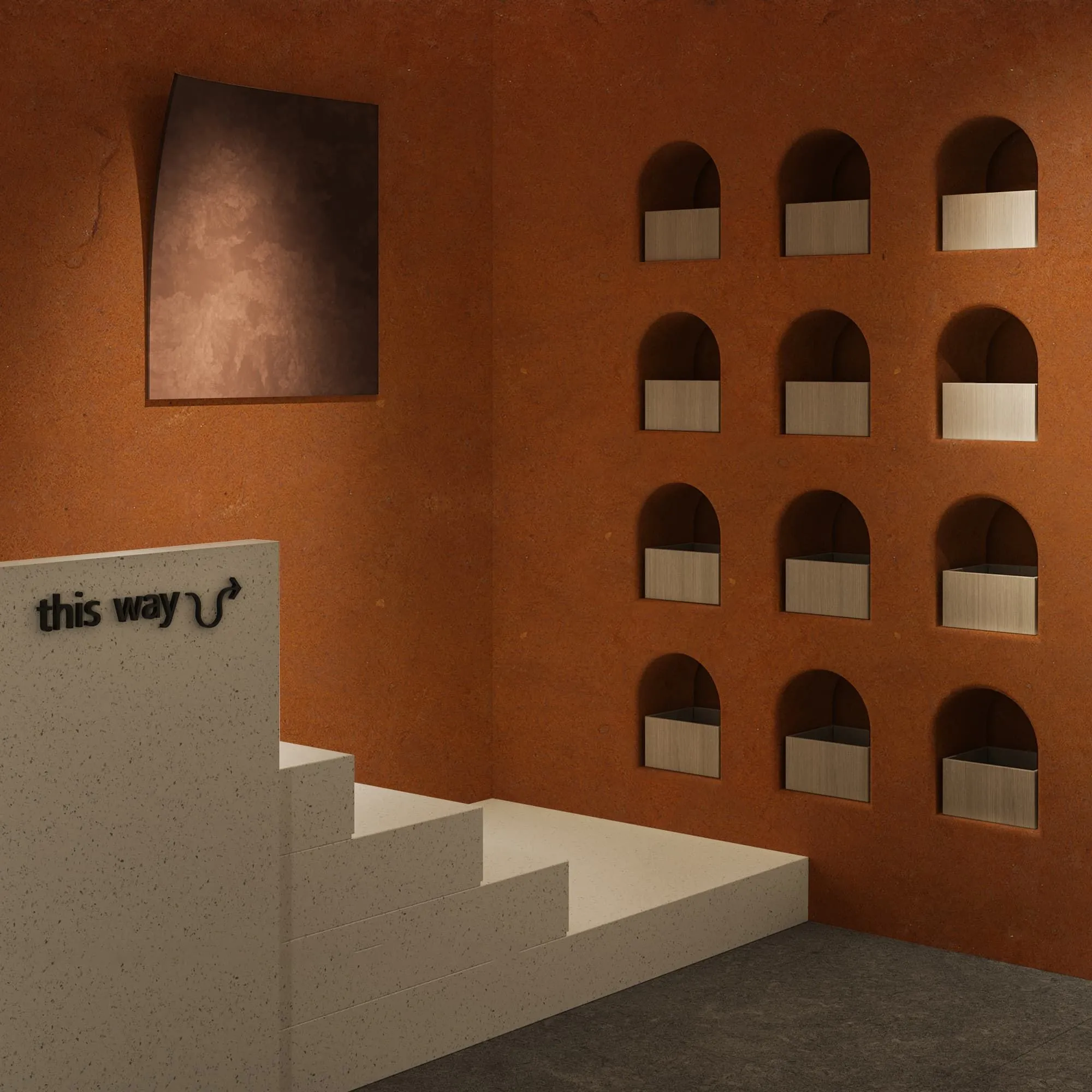
, represents a significant leap forward in architectural finishes. These materials are crafted from natural aggregates, minerals, and polymers, mimicking the aesthetics of natural stone, wood, brick, or even textiles, but with superior characteristics. They are designed for both interior and exterior wall decoration, offering an incredible blend of beauty, resilience, and sustainability.
Why Consider MCM as an Alternative or Complement?
-
Extreme Durability & Low Maintenance:
Unlike some natural stones that can be prone to staining or etching, MCM products are engineered for exceptional durability. They are highly resistant to water, UV radiation, abrasion, and fading. This translates directly to less time spent on rigorous cleaning and maintenance, and a significantly reduced risk of issues like rust stains. Imagine the peace of mind knowing your exterior facade or interior wall isn't constantly threatened by the elements or everyday spills!
-
Lightweight & Flexible:
Traditional granite slabs can be incredibly heavy, requiring extensive structural support and complicated installation. MCM materials, particularly our
flexible stone
series, are remarkably lightweight and pliable. This flexibility opens up entirely new design possibilities, allowing for applications on curved surfaces or in areas where heavy stone would be impractical. It also simplifies installation, reducing labor costs and project timelines.
-
Green and Eco-Friendly:
One of the core tenets of our MCM technology is its commitment to environmental responsibility. These materials often utilize recycled content and require less energy to produce compared to traditional quarrying and processing of natural stone. They are also breathable and non-toxic, contributing to healthier indoor environments and overall
sustainable solutions
for construction. This green aspect is increasingly crucial in modern architecture and aligns with global efforts for greener buildings.
-
Unparalleled Customization:
While natural stone offers unique patterns, MCM materials take customization to a whole new level. Our MCM Big Slab Board Series and MCM Project Board Series can be manufactured in a vast array of textures, colors, and patterns, allowing architects and designers almost limitless creative freedom. From replicating exotic marble to creating bespoke geometric designs, the possibilities for truly unique and personalized spaces are endless. This level of
customization
ensures that every project can achieve its distinct vision without compromise.
-
Innovative Applications with 3D Printing:
Our MCM 3D Printing Series is pushing the boundaries of architectural design. This technology allows for the creation of intricate, bespoke three-dimensional textures and forms that are impossible with traditional materials. Imagine facade elements with complex patterns or interior features that seamlessly blend art and function, all with the durability and sustainability of MCM.
For large-scale commercial developments or even discerning residential clients, materials like our MCM flexible stone provide robust, beautiful, and easy-to-maintain surfaces that offer a strong alternative to conventional choices. They minimize the risks associated with natural stone, such as specific cleaning requirements for rust, while maximizing design potential and environmental benefits.
Comparing Maintenance Needs: Granite vs. MCM Materials
Let's take a moment to compare the typical maintenance requirements, especially concerning issues like rust, between traditional granite and our innovative MCM materials.
|
Feature
|
Granite (Traditional)
|
COLORIA GROUP MCM Materials
|
|
Rust Staining Risk
|
Moderate to High (porous, contains iron, external metals)
|
Very Low (engineered for resistance, non-metallic composition)
|
|
Sealing Requirements
|
Regular (every 1-3 years typical)
|
Generally not required or minimal for specialized applications
|
|
Daily Cleaning
|
pH-neutral cleaners, prompt spill cleanup
|
Simple wiping with water/mild soap, very forgiving
|
|
Acid/Alkali Resistance
|
Poor (acids cause etching), some alkaline cleaners can dull
|
Good to Excellent (engineered for chemical stability)
|
|
UV & Weather Resistance (Exterior)
|
Good, but can fade or weather over time depending on type
|
Excellent (engineered for long-term outdoor performance)
|
|
Impact Resistance
|
Good, but can chip/crack under heavy impact
|
Good to Excellent (flexible options absorb impact better)
|
|
Customization & Flexibility
|
Limited to natural patterns and rigid slab forms
|
High (wide range of textures, colors, 3D printing, flexible forms)
|
|
Environmental Impact
|
Quarrying, heavy transport, energy-intensive processing
|
Lower embodied energy, often recycled content, breathable, sustainable solutions
|
As the table illustrates, while granite remains a beautiful choice, materials like COLORIA GROUP's MCM series offer compelling advantages, particularly in terms of reduced maintenance, superior durability against common issues like rust, and expansive design freedom through
customization
. This makes them an increasingly attractive option for those seeking high-performance, aesthetically versatile, and environmentally conscious
building materials
for their next project.
Final Thoughts: Protecting Your Investment and Looking Forward
Maintaining your granite surfaces free from rust stains comes down to a combination of careful prevention and, when necessary, diligent and correct cleaning. Remember the 'Don'ts' – especially avoiding harsh acids – and follow the 'Do's' with patience and the right products. Regularly sealing your granite is your best defense against moisture penetration and subsequent staining, including rust. By being proactive and prepared, you can ensure your granite continues to be a source of pride and beauty in your home or commercial space for many years to come.
And as you consider future projects or renovations, remember that the world of building materials is always evolving. Companies like COLORIA GROUP are at the forefront, developing innovative solutions like our MCM series that offer not just stunning aesthetics and durability but also tackle common maintenance challenges from the ground up, providing truly
sustainable solutions
that simplify care and expand design possibilities. Whether you're renovating an existing space or embarking on a new build, understanding these advanced materials can open up new avenues for lasting beauty and performance, free from the worry of common issues like rust. We're here to help architects, designers, and project managers navigate these choices, ensuring every project achieves its full potential.













