

Keeping Your MCM Flexible Stone Looking Stunning for Years to Come
You've spent weeks—maybe months—designing a space that feels uniquely *you*. It could be a home office where creativity flows, a kitchen that's the heart of family gatherings, or a commercial lobby that wows clients the second they walk in. And at the center of that design? Starry Red Travertine MCM. Its name alone evokes drama: deep, velvety reds swirled with flecks of gold and cream, mimicking the look of natural travertine but with the durability of modified composite material (MCM). It's not just a surface—it's a statement.
But here's the thing about statement pieces: they demand attention, including when it comes to care. Unlike smoother, more uniform materials like fair-faced concrete or the sleek epoch stone, Starry Red Travertine MCM has a textured, porous surface that traps dirt, absorbs spills, and shows wear if not maintained properly. Ignore its needs, and that "wow" factor fades fast—stains set in, colors dull, and suddenly your investment starts to look like an afterthought.
The good news? With the right know-how, keeping your Starry Red Travertine MCM looking brand-new is totally doable. This guide isn't just about "cleaning"—it's about preserving the character that made you fall in love with it in the first place. We'll break down everything from daily habits to deep-cleaning hacks, compare it to similar materials (looking at you, epoch stone and fair-faced concrete), and even debunk a few common myths. Let's dive in.
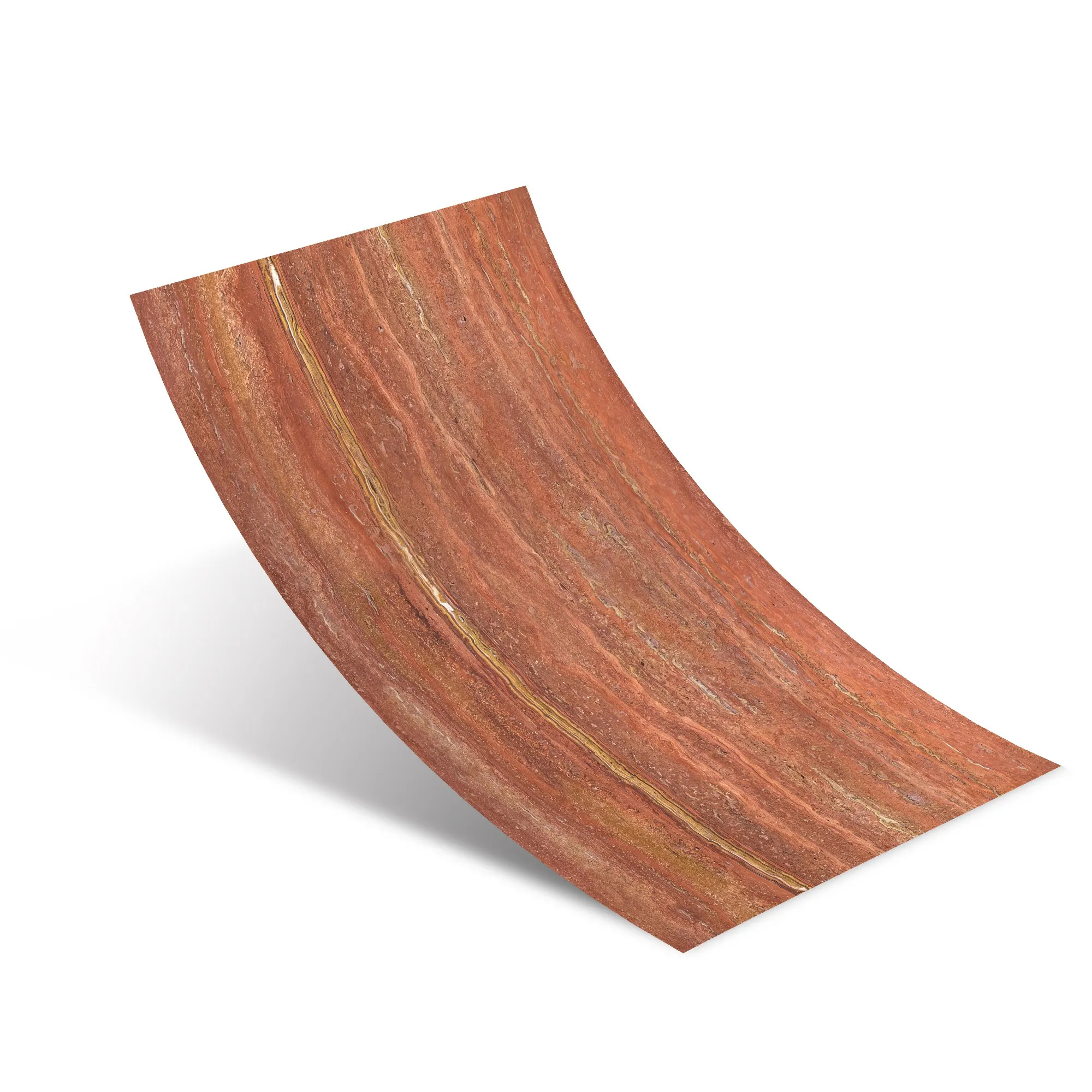
Before grabbing a sponge, let's talk about what you're actually cleaning. Starry Red Travertine MCM is part of the broader MCM flexible stone family—a line of modified composite materials designed to mimic natural stone (like travertine, marble, or granite) but with added benefits: flexibility, lightweight construction, and resistance to cracks. But unlike, say, the dense, non-porous foamed aluminium alloy board (vintage gold) or the smooth finish of century stone, travertine-inspired MCMs are intentionally crafted to replicate the *porosity* of natural travertine.
What does that mean for you? Porosity = tiny holes in the surface that can trap liquids, dirt, and grime. Think of it like a sponge: if you spill something and don't wipe it up quickly, it seeps in. For Starry Red Travertine, those pores are what give it that authentic, earthy texture—but they're also its Achilles' heel when it comes to stains. Compare that to fair-faced concrete, which, while porous, has a more uniform surface that's easier to seal evenly, or epoch stone, a denser composite that resists absorption better. Knowing this difference is key to avoiding mistakes.
Another factor? The color. That rich red hue isn't just surface-deep, but it's not impervious to fading. Harsh chemicals or abrasive scrubbers can strip away the top layer, dulling the red and making those golden flecks less vibrant. So, the goal isn't just to remove dirt—it's to do it gently, preserving the material's integrity.
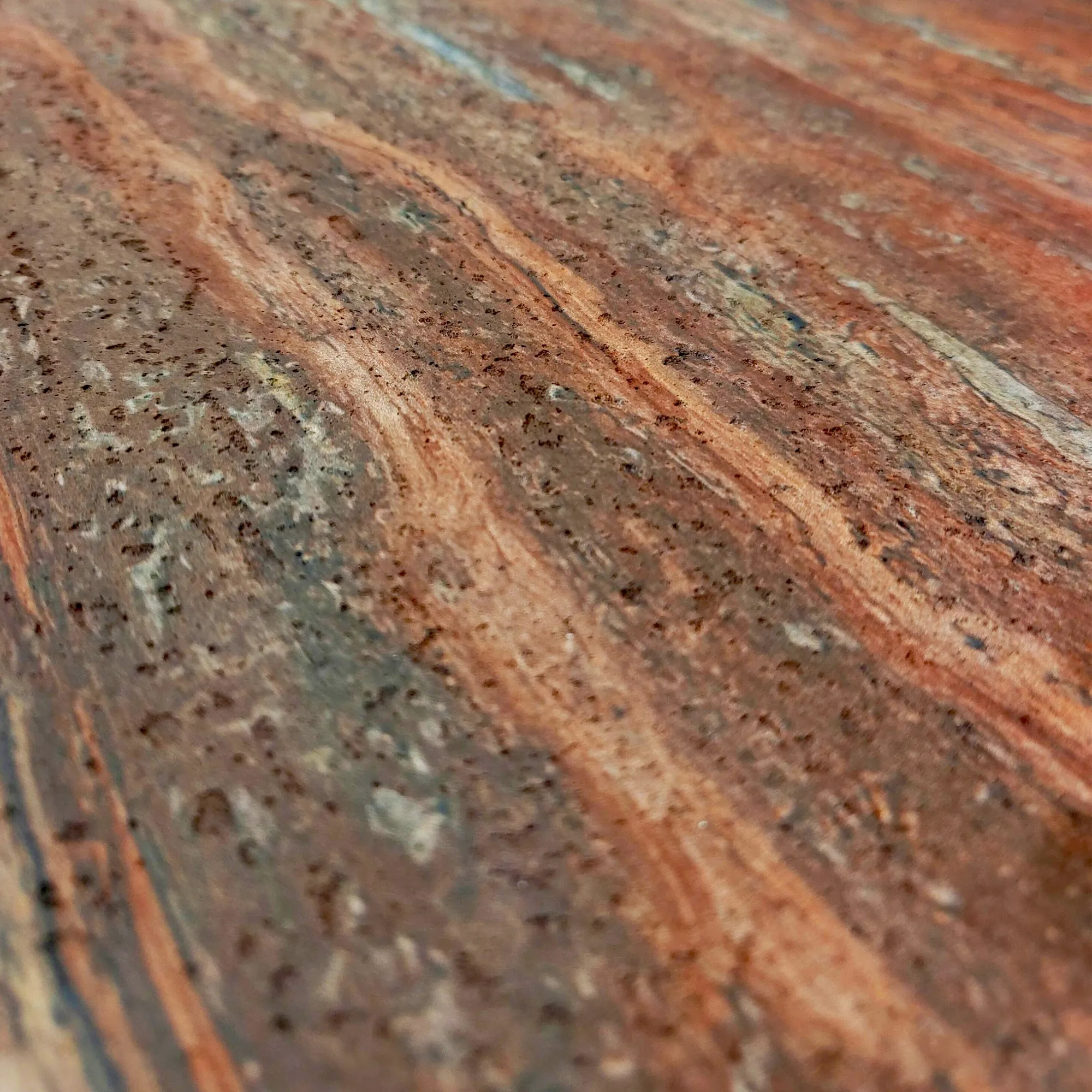
You don't need to deep-clean every day, but a little daily TLC goes a long way in preventing buildup. Here's how to make it a habit:
Remember that porosity we talked about? Spills—especially acidic ones like citrus juice, vinegar, or wine—start to absorb within minutes. Grab a soft, lint-free cloth (microfiber works best) and blot the spill gently. Don't rub—that pushes the liquid deeper into the pores. For water-based spills (like coffee or soda), plain water on the cloth should do. For oil-based spills (butter, salad dressing), a drop of mild dish soap (pH-neutral, like Dawn) on the cloth can help lift it before it sets.
Dust might seem harmless, but over time, those tiny particles act like sandpaper, scratching the surface when you wipe or walk over it. For vertical surfaces (like walls or backsplashes), use a feather duster or a dry microfiber cloth. For floors or countertops, sweep first with a soft-bristle broom, then follow up with a dry mop (avoid steam mops—heat can damage the sealant). Pro tip: Do this at least once a day in high-traffic areas, and you'll notice the surface stays brighter longer.
For daily cleaning (think: wiping down a kitchen backsplash after cooking or a bathroom vanity), skip the harsh stuff. Bleach, ammonia, and acidic cleaners (like vinegar-based sprays) eat away at the sealant and can etch the surface, leaving permanent marks. Instead, opt for a pH-neutral stone cleaner—look for labels that say "safe for travertine" or "neutral pH." Mix a few drops in warm water, dampen a microfiber cloth, and wipe gently. No need to soak the surface; a light wipe is enough.
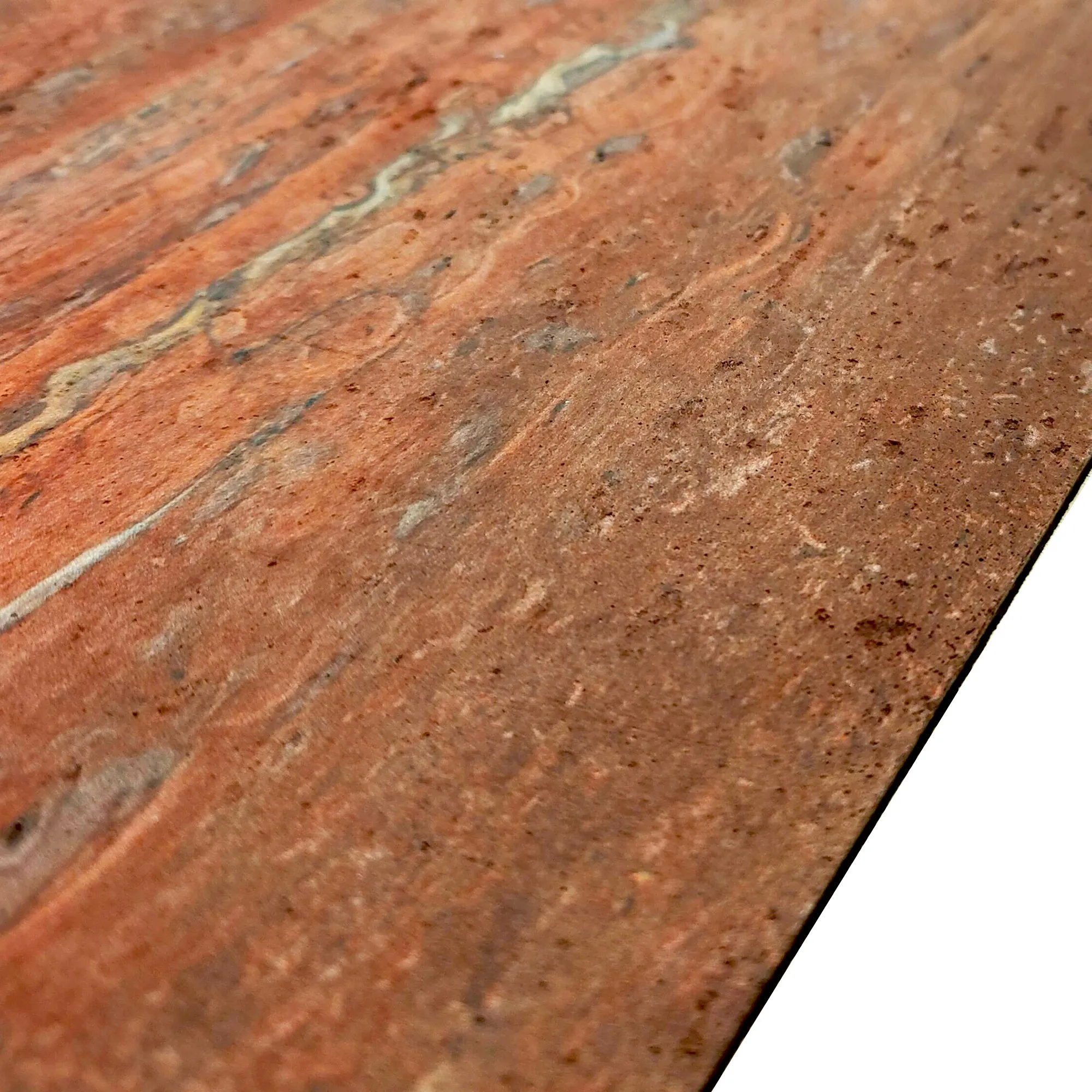
Even with daily care, grime builds up—especially in high-use areas like kitchen countertops or entryway floors. Every 2–3 months (or more often if you have kids or pets), it's time for a deep clean. Here's how to do it without damaging the stone:
Start by clearing the area: remove decor, dishes, or furniture (if it's a floor). Sweep or vacuum (with a soft brush attachment) to get rid of loose dirt and crumbs. This prevents scratching during the cleaning process.
Stick with that pH-neutral stone cleaner, but this time, use a slightly stronger dilution (follow the bottle's instructions—usually ¼ cup per gallon of warm water). Avoid anything with "grit" or "abrasive" in the name—even baking soda, which is often touted as a natural cleaner, can scratch the surface over time.
Dampen a soft sponge or mop in the solution and apply it to the surface in small sections (3x3 feet is a good size). Let it sit for 5–10 minutes—this gives the cleaner time to break down grease and grime without drying out. If it dries, it can leave streaks, so work quickly.
Use a non-abrasive sponge (the kind with a soft side, not the green scrubby side) to gently scrub the surface in circular motions. Focus on areas with visible buildup, but don't press too hard—you're trying to lift dirt, not scrape the stone. Once scrubbed, rinse the sponge or mop in clean water and wipe the area again to remove any cleaner residue. For floors, dry with a clean towel to prevent water spots; for walls or countertops, air-drying is fine, but a quick wipe with a dry cloth ensures no streaks.
After drying, run your hand over the surface. If it feels sticky or dull, you might have leftover cleaner. Repeat the rinse step with plain water to remove it—residue can attract more dirt over time, undoing your hard work.

Even with the best intentions, stains happen. The key is to act fast and use the right method for the stain type. Here's a breakdown of the most common culprits and how to tackle them:
These are the most common, and luckily, the easiest to fix if caught early. Blot the spill immediately with a dry cloth (don't rub!). Then, mix a paste of baking soda and water (equal parts) and apply it to the stain, covering it completely. Let it sit for 10–15 minutes—the baking soda will absorb the moisture and lift the color. Wipe away the paste with a damp cloth, then dry the area. For older stains, you might need to repeat the process once or twice. Avoid hydrogen peroxide here—it can bleach the red color.
Oil seeps into pores quickly, so time is critical. Blot as much as possible with a dry cloth, then sprinkle cornstarch or talcum powder over the stain—these absorb oil. Let it sit for 2–4 hours (or overnight for tough stains), then vacuum it up. If a residue remains, mix a drop of pH-neutral dish soap with warm water, dampen a cloth, and gently blot the area. Rinse with clean water and dry.
Ink is tricky, but not impossible. For water-based ink (like most ballpoint pens), dab the stain with a cloth dampened in rubbing alcohol (isopropyl alcohol, 70% concentration). Blot, don't rub—you don't want to spread the ink. For permanent marker, you might need a stronger solution: mix equal parts rubbing alcohol and hydrogen peroxide (test this on an inconspicuous area first to ensure it doesn't bleach the color). Apply with a q-tip, let sit for 5 minutes, then blot away. Repeat until the stain fades.
Rust can leave orange-brown marks that are tough to remove. Avoid using vinegar or lemon juice (acidic!)—they'll worsen the stain. Instead, buy a commercial rust remover specifically labeled safe for travertine (check the ingredients; oxalic acid is effective and gentle). Apply a small amount to the stain, let sit for 5–10 minutes, then rinse thoroughly with water and dry. Test in a hidden spot first to ensure it doesn't discolor the stone.
If daily cleaning is the "defense," sealing is the "armor." Sealing creates a barrier over the stone's pores, making it harder for liquids to absorb and stains to set. For Starry Red Travertine MCM, we recommend sealing every 6–12 months, depending on use. Kitchen countertops or floors in high-traffic areas might need sealing every 6 months; walls or low-use areas can go a year.
Pro tip: To test if your stone needs sealing, drop a few drops of water on the surface. If it beads up, the sealer is still working. If it soaks in within 5 minutes, it's time to reseal.
Not all MCM materials are created equal, and their cleaning needs can vary widely. To help you navigate, here's a quick comparison of Starry Red Travertine with two popular alternatives: fair-faced concrete and epoch stone.
| Material | Daily Cleaning | Stain Resistance | Sealing Frequency | Best For |
|---|---|---|---|---|
| Starry Red Travertine MCM | Damp microfiber cloth, pH-neutral cleaner | Moderate (porous, requires quick action on spills) | Every 6–12 months | Accent walls, backsplashes, low-traffic floors (high aesthetic appeal) |
| Fair-Faced Concrete | Mild soap and water, soft brush for textured areas | Low (very porous, prone to staining without sealant) | Every 3–6 months | Industrial-chic interiors, outdoor patios (durable but needs frequent sealing) |
| Epoch Stone | Warm water and mild detergent, can use soft scrub brush | High (dense composite, less porous than travertine) | Every 1–2 years | High-traffic areas, commercial spaces (low maintenance, durable) |
Even well-meaning homeowners make these errors. Steer clear of these pitfalls to keep your Starry Red Travertine looking its best:
With the right care, your Starry Red Travertine MCM can look as good in 10 years as it does today. Here are a few pro tips to ensure longevity:
While MCM is durable, it's not indestructible. Avoid dropping heavy objects (like pots or tools) on floors or countertops—they can chip the edges or crack the surface. Use furniture pads under chairs or tables to prevent scratches from movement.
Direct sunlight can fade the red color over time. If your Starry Red Travertine is near a window, use curtains or blinds during peak sunlight hours, or apply a UV-protective film to the window to reduce fading.
Every 2–3 years, hire a stone care professional to inspect the surface for cracks, worn sealant, or deep stains. They can re-seal the stone properly and address any issues before they become major problems.
Caring for Starry Red Travertine MCM might seem like extra work, but think of it as an investment in the beauty of your space. Those rich red tones and golden flecks aren't just a surface—they're a reflection of your style, a conversation starter, and a backdrop to life's moments. With daily wiping, prompt stain treatment, regular sealing, and a little common sense, you'll keep that "just installed" shine for years to come.
And remember: You're not alone. If you're ever unsure about a stain or cleaning product, test it in a hidden spot first (like the back of a countertop or a corner of the wall). When in doubt, consult a professional—better to be safe than sorry.
So go ahead—enjoy that Starry Red Travertine. Host dinners, spill coffee, let life happen. With the tips in this guide, you'll know exactly how to keep it looking as stunning as the day you fell in love with it.
Recommend Products











