
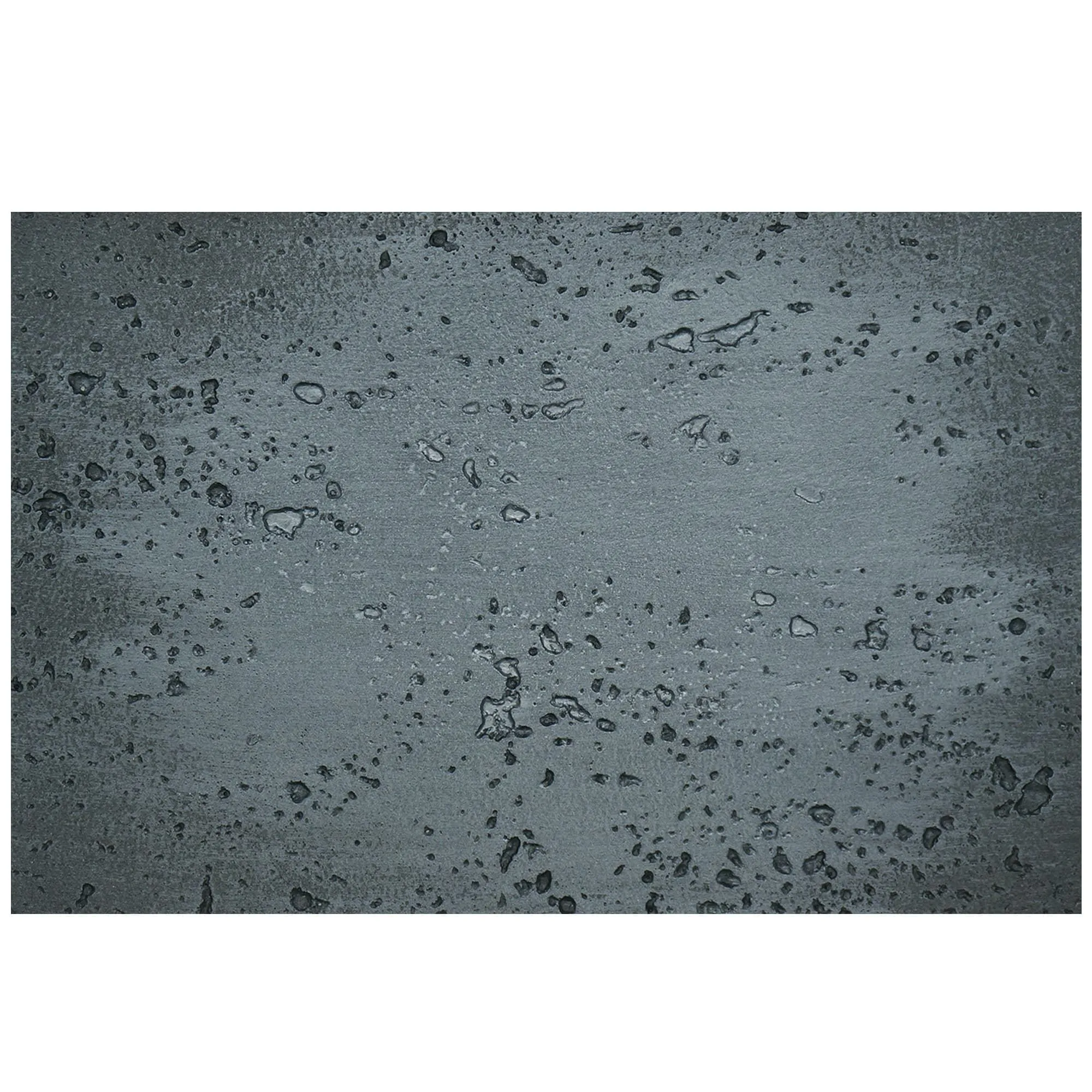
Travertine (Vintage Silver) isn't just a building material—it's a statement. With its soft, silvery-gray base and delicate, almost ethereal veining, it adds a touch of timeless elegance to any space. Whether it's gracing your kitchen backsplash, bathroom walls, or the floors of your entryway, this stone feels both modern and classic, like a piece of art you can walk on. But here's the thing: that beauty is fragile. Travertine is a natural stone with tiny pores and a porous surface, which means it's prone to stains, scratches, and etch marks if not cared for properly. Cleaning it the wrong way? You could dull that vintage silver sheen or even etch permanent marks into its surface. But don't worry—with the right tools, techniques, and a little patience, you can keep your Travertine (Vintage Silver) looking as stunning as the day it was installed. Let's dive in.
Before you grab a sponge, let's talk about what makes Travertine (Vintage Silver) unique. Unlike denser stones like granite or even polished concrete, travertine is formed from mineral-rich (hot spring water) that deposits calcium carbonate over time. This process creates a stone with a porous structure—think of it like a sponge with tiny holes. Those pores are what give travertine its characteristic texture, but they also make it absorbent. Spill a glass of red wine, and if you don't act fast, that liquid will seep into the pores and leave a stain. Even acidic substances like lemon juice, vinegar, or harsh cleaning sprays can react with the stone's calcium carbonate, causing "etch marks"—dull, lighter spots that ruin the smooth finish. And that "vintage silver" color? It's a subtle, muted tone that can easily be dulled by abrasive scrubbing or harsh chemicals. So, the golden rule here: gentle is key.
Compare this to fair-faced concrete, for example. Fair-faced concrete has a raw, industrial look with a dense, non-porous surface (when sealed) that can handle harsher cleaners. Or polish concrete, which is treated with a sealant to create a smooth, glossy finish that's more resistant to stains. Travertine (Vintage Silver) needs a lighter touch. Treat it like you would a delicate wool sweater—no rough brushes, no harsh detergents, just careful, intentional care.
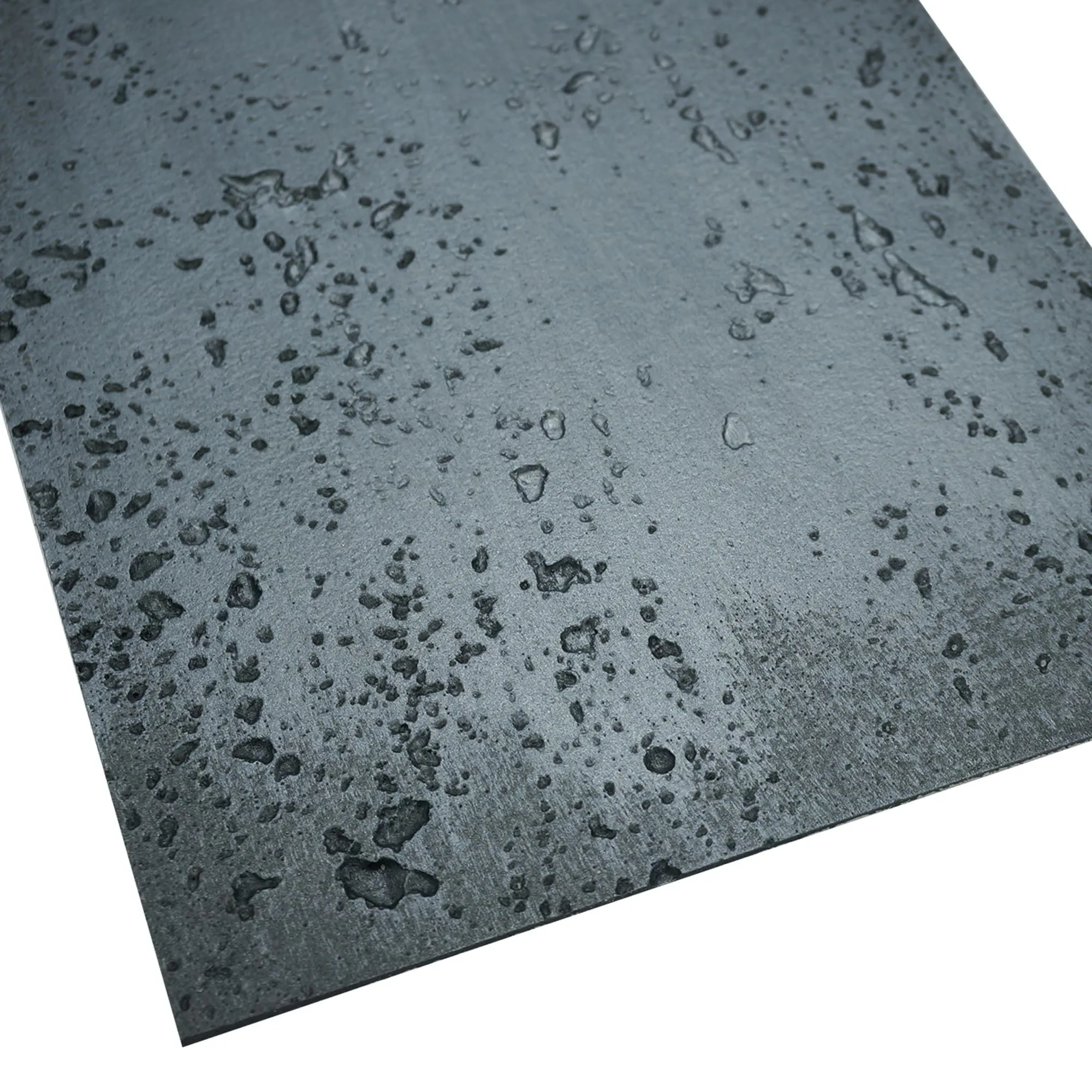
The right tools make all the difference. Here's a quick checklist of what you'll need for safe, effective cleaning. I've even made a table to keep it organized—no more guessing if that "all-purpose cleaner" under your sink is safe!
| Tools & Materials | Why You Need Them | What to Avoid |
|---|---|---|
| Soft-bristled brush (natural fiber or microfiber) | Gently lifts dirt from pores without scratching | Stiff-bristled brushes, steel wool, or scouring pads (they scratch!) |
| Microfiber cloths (lint-free) | Absorbs water and dirt without leaving streaks or lint | Paper towels (can leave tiny fibers; some have harsh chemicals) |
| pH-neutral stone cleaner (specifically for travertine) | Cleans without reacting with the stone's minerals | Acidic cleaners (vinegar, lemon, bleach), ammonia, or "all-purpose" sprays with citrus |
| Distilled water | Free of minerals that can leave spots (tap water has calcium/magnesium) | Tap water (minerals can build up and dull the surface over time) |
| Plastic putty knife (for dried spills) | Gently scrapes off dried food or gunk without scratching | Metal scrapers or blades (they'll leave permanent marks) |
| Spray bottle (for mixing cleaner and water) | Controls the amount of liquid (you don't want to oversaturate the stone) | Soaking the stone (excess water can seep into pores and cause stains) |
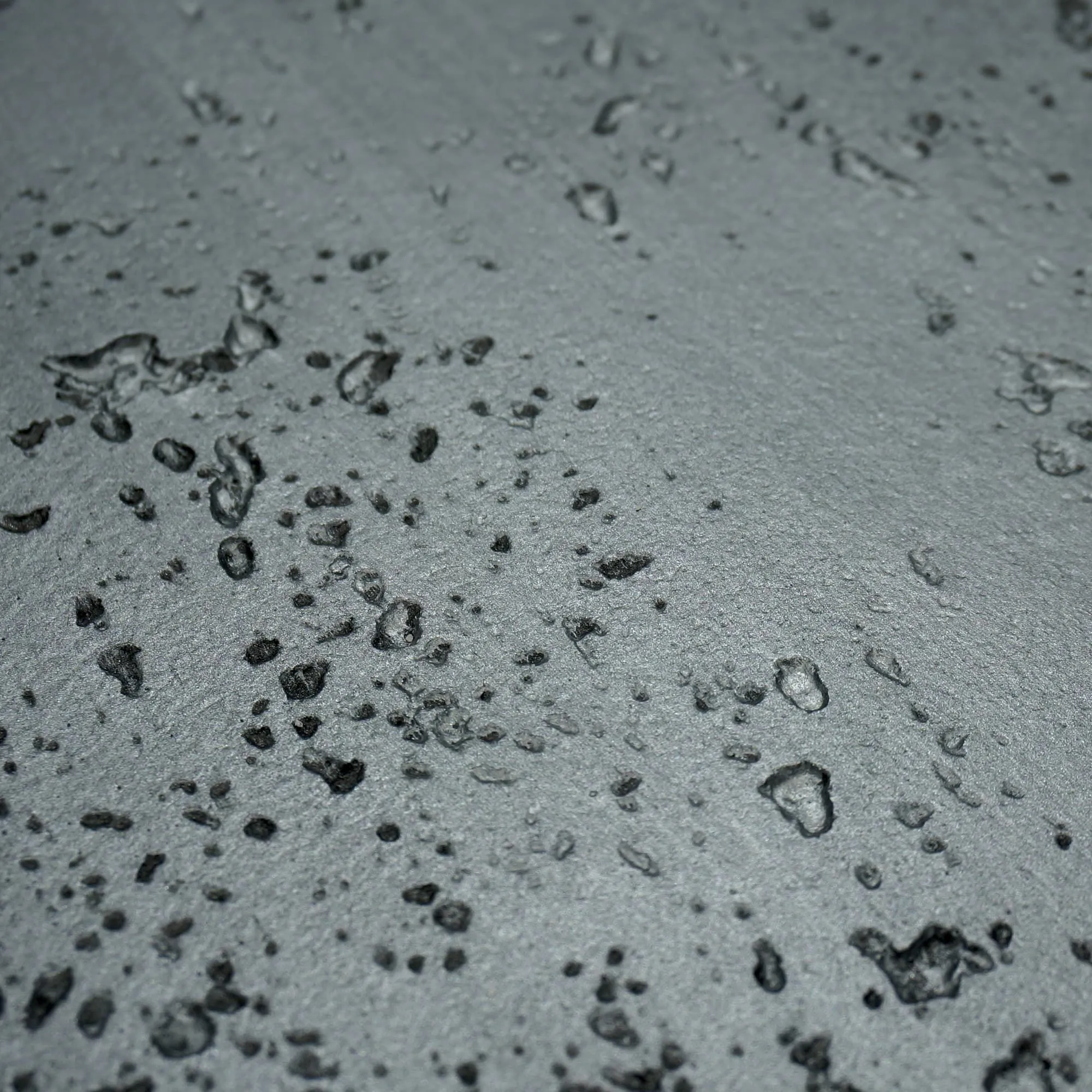
Now, let's break down the cleaning process into easy, actionable steps. We'll start with daily maintenance (because prevention is key!), then move to weekly cleaning, and finally, how to tackle tough stains without damaging the stone.
Dust and dirt might seem harmless, but when they build up, they act like sandpaper. Every time you walk on your Travertine (Vintage Silver) floors or wipe a dusty countertop, those tiny particles scratch the surface, dulling the finish over time. So, daily dusting is non-negotiable.
How to do it: Use a dry microfiber cloth or a soft, dry dust mop (avoid feather dusters—they just push dust around). For floors, sweep in gentle, overlapping strokes (no aggressive scrubbing!). For walls or countertops, wipe in a circular motion, focusing on corners and edges where dust likes to hide. This takes 2-3 minutes, but it's the best way to prevent scratches.
Even with daily dusting, grime (think: cooking splatters, foot traffic, or soap scum in the bathroom) will build up. Weekly cleaning is your chance to wipe this away before it becomes a problem. The goal here is to use as little water as possible and a gentle cleaner.
How to do it:
Step 1: Mix your cleaner. In a spray bottle, combine ¼ cup of pH-neutral travertine cleaner with 2 cups of distilled water. Shake gently to mix.
Step 2: Pre-dust the surface (yes, again!). Even a little dust can turn into mud when mixed with water, so make sure the area is dry and dust-free first.
Step 3: Spray a small section (about 2x2 feet) with the cleaner. Don't saturate—you want a light mist, not a puddle. Let it sit for 1-2 minutes to loosen grime, but don't let it dry.
Step 4: Wipe with a damp microfiber cloth. Use gentle, circular motions, and immediately dry the area with a clean, dry microfiber cloth. This "wipe and dry" step is crucial—standing water can seep into pores and cause water spots.
Step 5: Repeat until the entire surface is clean. Work in small sections to avoid letting the cleaner dry on the stone.
Spills happen. Maybe you forgot a glass of red wine on the counter, or a guest tracked oil from the garage onto the floor. The key is to act fast—but even if you didn't, there's still hope. Here's how to handle common stains on Travertine (Vintage Silver):
For organic stains (coffee, wine, juice): Blot the spill immediately with a clean, dry microfiber cloth—don't rub! Rubbing pushes the liquid deeper into the pores. Once you've blotted as much as possible, mix a paste of baking soda and distilled water (about 2 parts baking soda to 1 part water). Apply a thin layer over the stain, cover with plastic wrap, and let it sit overnight. The baking soda will draw the stain out. In the morning, gently wipe away the paste with a damp cloth and dry thoroughly.
For oil/grease stains (cooking oil, makeup): Blot first, then apply a few drops of pH-neutral dish soap (the kind for hand-washing dishes) to a damp cloth. Gently rub the stain in a circular motion, then wipe with a clean, damp cloth and dry. If the stain is stubborn, repeat with the baking soda paste method above.
For ink stains: Use a cotton ball dipped in rubbing alcohol (isopropyl alcohol). Blot the stain (don't rub!), then immediately wipe with a damp cloth and dry. Test the alcohol on a hidden spot first—some dyes in ink can react, so better safe than sorry.
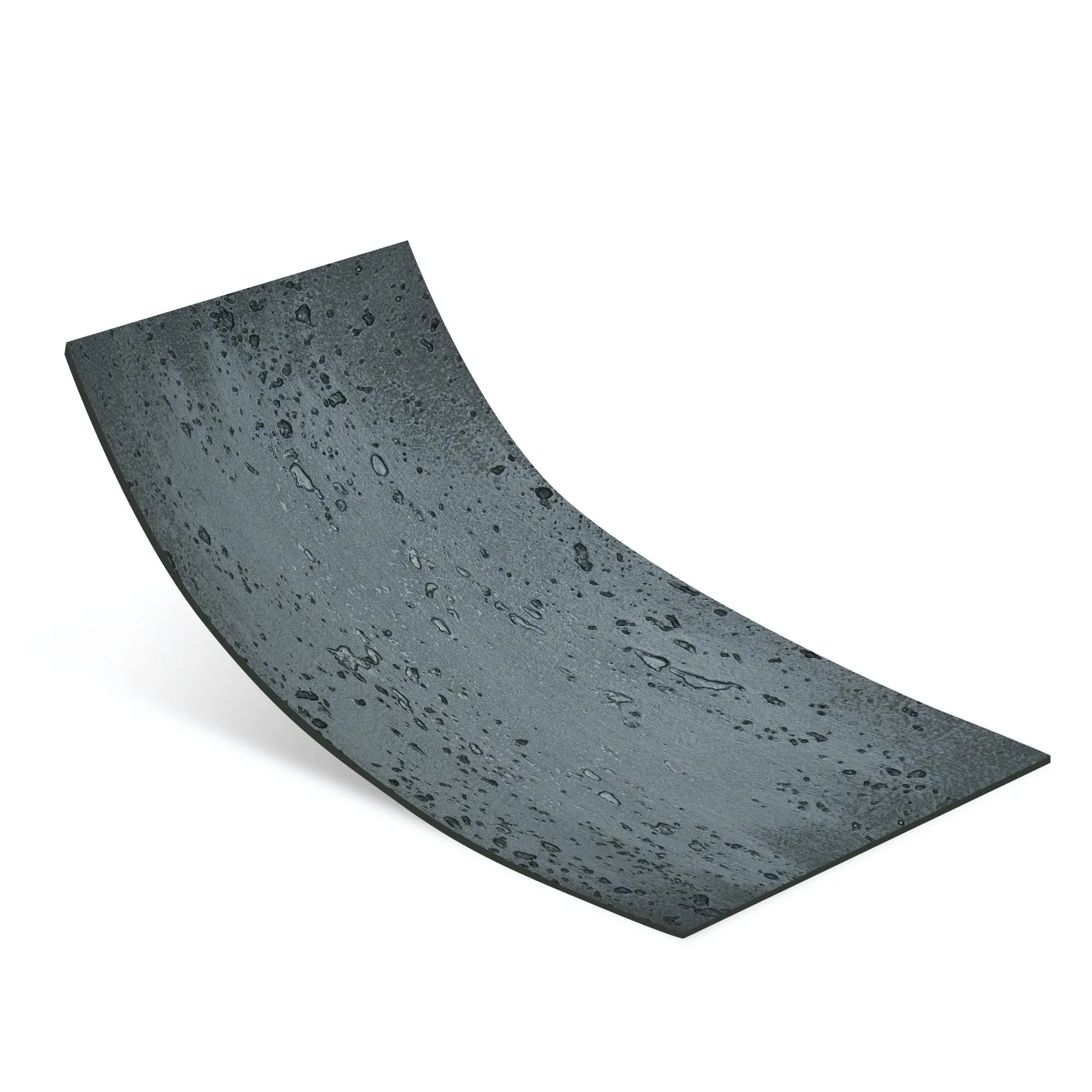
Even with perfect cleaning habits, Travertine (Vintage Silver) needs a little extra protection: sealing. A good stone sealer fills in those tiny pores, creating a barrier that repels liquids and stains. Think of it like a raincoat for your stone. Most travertine is sealed during installation, but that sealant wears off over time—usually every 1-3 years, depending on foot traffic and use. How do you know it's time to reseal?
Do the "water test." Sprinkle a few drops of distilled water on the surface. If the water beads up, the seal is still good. If it soaks into the stone and darkens the area, it's time to reseal. Sealing is easy to do yourself: just buy a pH-neutral travertine sealer (look for "penetrating sealer" for best results), apply a thin layer with a lamb's wool applicator, let it sit for 5 minutes, then wipe away excess with a clean cloth. Let it dry for 24 hours before using the surface.

Cleaning is important, but daily habits matter too. Here are a few extra tips to keep your Travertine (Vintage Silver) looking its best:
You might be wondering: "If I can clean my fair-faced concrete floors with soap and water, why can't I do the same for travertine?" Let's break it down. Fair-faced concrete has a dense, uniform structure that's less porous (when sealed), so it can handle mild detergents and even a little scrubbing. Polish concrete, similarly, is treated with a sealant that creates a hard, non-porous surface resistant to stains and scratches. Travertine (Vintage Silver), on the other hand, is porous and soft. Its surface is more like a natural sponge—absorbent and easily scratched. So, while you might use a mild all-purpose cleaner on fair-faced concrete, that same cleaner could etch travertine. And while polish concrete can handle a stiff brush for tough grime, travertine needs a soft brush to avoid scratching. The takeaway? Know your material, and adjust your cleaning routine accordingly.
Travertine (Vintage Silver) isn't just a building material—it's an investment in beauty. It's the kind of stone that makes guests pause and say, "Wow, this is stunning." And with the right care, it will keep wowing for decades. Remember: gentle cleaning, quick action on spills, regular sealing, and daily dusting are the secrets to preserving that soft, silvery sheen. Treat it with the respect it deserves, and your Travertine (Vintage Silver) will reward you with a lifetime of elegance. After all, a little care today means you'll be enjoying that vintage silver glow for years to come.
Recommend Products












