
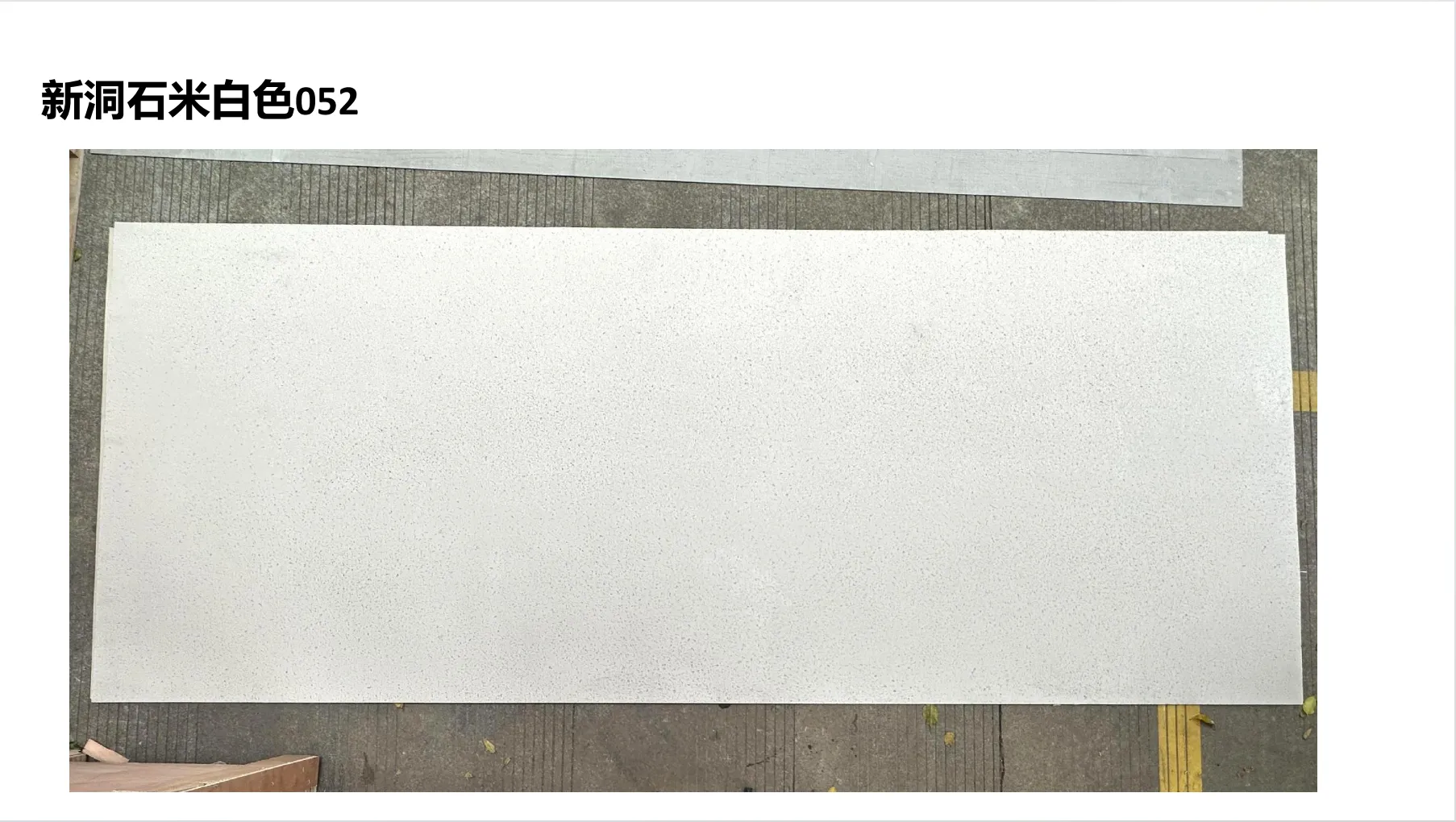
There's something almost magical about walking into a space adorned with White Travertino MCM. Its soft, creamy tones, subtle veining, and the way it catches light—whether in a modern kitchen backsplash, a cozy living room accent wall, or a sleek commercial lobby—can turn any area into a timeless retreat. But like any natural-inspired material, White Travertino MCM isn't just a pretty face; it's an investment in beauty that needs a little TLC to stay looking its best. If you've ever wondered how to keep those surfaces gleaming, free of stains, and as striking as the day they were installed, you're in the right place. Let's dive into the art of caring for White Travertino MCM, because preserving its elegance shouldn't feel like a chore.
First things first: What makes White Travertino MCM different from other wall or flooring materials? If you're new to the world of MCM (Modified Composite Material), think of it as nature and innovation shaking hands. Part of the broader MCM flexible stone family, White Travertino MCM mimics the look and texture of natural travertine—those beautiful, porous limestone formations found in regions like Italy and Turkey—but with a modern twist. It's lighter, more durable, and designed to be flexible, making it easier to install on curved surfaces or large expanses without the fragility of natural stone.
But here's the thing about travertino, whether natural or MCM: its surface is dotted with tiny pores and subtle indentations. These are part of its charm, giving it that organic, lived-in character we love. But they also mean it's prone to trapping dust, absorbing spills, and showing stains if not cared for properly. Unlike fair-faced concrete (another popular MCM option known for its smooth, industrial vibe), White Travertino MCM's porous nature demands a gentler touch. So, before we jump into cleaning routines, let's remember: this material isn't just about cleaning—it's about respecting its unique texture while keeping it fresh.
You don't need a fancy toolkit or a degree in chemistry to maintain White Travertino MCM on a daily basis. In fact, overcomplicating things might do more harm than good. Let's break down the daily habits that will keep your surfaces looking crisp with minimal effort.
Dust and loose dirt might seem harmless, but when left to accumulate, they can act like tiny abrasives. Every time you walk across a floor or brush against a wall, those particles grind into the surface, dulling the finish over time. So, start with a quick dusting or sweeping. For walls and vertical surfaces, a soft microfiber cloth or a feather duster works wonders—just gently wipe in the direction of the veining to avoid pushing dust into the pores. For floors, a soft-bristled broom or a vacuum with a brush attachment (no beater bars!) will lift dirt without scratching.
Once the dust is gone, a weekly (or bi-weekly, depending on foot traffic) wipe-down with mild soap and water is all you need for day-to-day grime. Here's how to do it right: Fill a bucket with warm (not hot) water and add a few drops of a pH-neutral dish soap—think something gentle, like baby shampoo or a mild liquid soap labeled "for sensitive surfaces." Avoid anything with citrus, vinegar, or bleach; those harsh chemicals can etch the surface or discolor the stone.
Dip a clean microfiber mop (for floors) or cloth (for walls) into the soapy water, then wring it out until it's just damp—sopping wet cloths can push water into the pores, leading to water spots or mildew. Gently wipe the surface in small, circular motions, focusing on areas that see the most action: around the kitchen sink, near doorways, or by the coffee table. Rinse the cloth or mop frequently in clean water to avoid spreading dirt, then dry the surface with a fresh microfiber cloth to prevent streaks. It's simple, it's effective, and it won't cost you a fortune in specialty cleaners.
Pro tip: Skip the "all-purpose" cleaners you might have under the sink. Many of them contain ammonia, bleach, or acidic ingredients that can eat away at the MCM's finish, leaving dull spots or even discoloration. When in doubt, stick to the "less is more" philosophy.
Even with daily care, there will be times when your White Travertino MCM needs a little more attention. Maybe after a big gathering, a spill that went unnoticed, or just the gradual buildup of grime that daily cleaning can't shift. That's when deep cleaning comes in—but again, "deep" doesn't mean "aggressive." Let's walk through a safe, effective deep cleaning routine.
You'll need: a soft-bristled brush (think an old toothbrush or a nail brush with gentle bristles), a pH-neutral stone cleaner (look for products specifically labeled "for travertine" or "for porous stone"—these are designed to clean without stripping the surface), a microfiber cloth, and a bucket of warm water. Avoid wire brushes, scouring pads, or anything with "abrasive" in the name—those will scratch the surface faster than you can say "oops."
1. Prep the surface: Start by dusting or sweeping thoroughly to remove loose dirt. This ensures you're not rubbing grit into the stone during cleaning.
2. Dilute the cleaner: Follow the instructions on your pH-neutral cleaner—most will need to be mixed with water. Pour a small amount into a bucket and stir gently (no shaking, you don't want bubbles).
3. Test first: This is crucial! Even "safe" cleaners can react differently to different batches of MCM. Test the solution on a small, inconspicuous area (like the bottom corner of a wall or under a cabinet) and let it sit for 5-10 minutes. Wipe it off and check for discoloration or dullness. If all looks good, proceed.
4. Scrub gently: Dip your soft brush into the cleaner solution and gently scrub the surface, focusing on stained or dirty areas. Use circular motions, but don't press too hard—let the brush do the work. For extra stubborn spots, let the cleaner sit for 2-3 minutes, but don't let it dry on the surface (dried cleaner can leave residue).
5. Rinse and dry: Once you've scrubbed the area, dampen a clean microfiber cloth with plain water and wipe away the cleaner. Rinse the cloth frequently to avoid reapplying dirt. Finally, dry the surface with a dry microfiber cloth to prevent water spots. For floors, you might want to open a window or turn on a fan to speed up drying.
Deep cleaning like this should only be needed every 2-3 months, depending on use. Overdoing it can strip away any protective sealer (more on that later) and leave the surface vulnerable, so resist the urge to deep clean weekly!
Life happens. A coffee mug tips over, a glass of red wine sloshes, or a drop of olive oil lands on the counter. The key with White Travertino MCM is to act fast—those pores can absorb liquids in minutes. Let's break down how to handle common stains, from the everyday to the slightly trickier.
| Stain Type | Immediate Action | Cleaning Solution | Notes |
|---|---|---|---|
| Coffee, Tea, Wine | Blot with a dry cloth until no more liquid transfers. | Mix 1 tsp baking soda with 2 tsp water to make a paste. Apply to the stain, let sit 5-10 minutes, then wipe with a damp cloth. | For red wine, add a drop of hydrogen peroxide (3%) to the paste if the stain persists. Test peroxide on an inconspicuous area first—too much can lighten the stone. |
| Oil/Grease (Cooking Oil, Makeup) | Blot with a paper towel, then sprinkle cornstarch or talcum powder on the area to absorb remaining oil. Let sit 15-20 minutes, then vacuum. | Dampen a cloth with a pH-neutral dish soap solution (1 tsp soap in 1 cup water) and gently wipe the area. | Avoid using degreasers—they're often too harsh and can discolor the surface. |
| Ink (Pen, Marker) | Blot immediately—ink stains fast! | For water-based ink: use a damp cloth with a drop of mild soap. For oil-based ink: a small amount of rubbing alcohol on a cotton ball (test first!), dab gently, then wipe with water. | Don't scrub ink—it will spread. Patience is key here. |
| Hard Water Spots | Wipe with a damp cloth as soon as you notice them. | Mix equal parts water and white vinegar (yes, vinegar—*but only* for hard water spots, and only in small amounts!). Apply with a cloth, let sit 1 minute, then rinse thoroughly with water and dry. | Vinegar is acidic, so use sparingly and never leave it on the surface. This is a last resort, not a daily cleaner! |
They say an ounce of prevention is worth a pound of cure, and that's especially true for White Travertino MCM. A few simple habits can save you from hours of scrubbing later. Let's talk about how to protect your surfaces proactively.
Sealing is the single most important step in preventive care. A good sealer acts as a barrier, filling in the pores and repelling liquids so spills bead up instead of soaking in. For White Travertino MCM, look for a penetrating sealer (not a topical one, which can leave a glossy film that hides the stone's natural texture). How often should you seal? It depends on use: high-traffic areas like kitchen floors might need sealing every 6-12 months, while walls or low-use surfaces can go 1-2 years. To check if it's time, drop a small amount of water on the surface—if it beads up, the sealer is still working; if it soaks in, it's time to reseal.
This one's simple but effective. Place coasters under glasses, mugs, and vases to catch condensation and spills. In the kitchen, use trivets under hot pots and pans (White Travertino MCM can handle heat, but sudden temperature changes might cause cracking). In entryways, a doormat will trap dirt and moisture before it reaches your floors. For walls, consider a decorative mat or hanging a small rug near high-touch areas (like behind a sofa) to prevent scuffs.
Dragging furniture across a White Travertino MCM floor is a recipe for scratches. Add felt pads to the bottom of chair legs, table legs, and heavy appliances. When moving furniture, lift it instead of sliding. For walls, avoid hanging heavy items with nails that might crack the surface—opt for adhesive hooks or picture hangers designed for stone or MCM materials.
Even with the best intentions, it's easy to fall into habits that harm more than help. Let's call out the most common mistakes so you can steer clear.
Caring for White Travertino MCM isn't about perfection—it's about consistency and respect for the material's unique character. With daily dusting, gentle cleaning, prompt stain removal, and a little preventive care, your surfaces will retain that soft, luminous beauty that drew you to them in the first place. Remember, those tiny pores and subtle imperfections aren't flaws—they're what make your space feel warm and lived-in. By treating your White Travertino MCM with care, you're not just maintaining a surface; you're preserving a piece of design that will evolve with your home, telling the story of the life you live in it.
So, the next time you wipe down that counter or seal that floor, take a moment to appreciate the beauty you're nurturing. With these tips, your White Travertino MCM will continue to be the backdrop for countless memories—bright, clean, and utterly timeless.
Recommend Products












