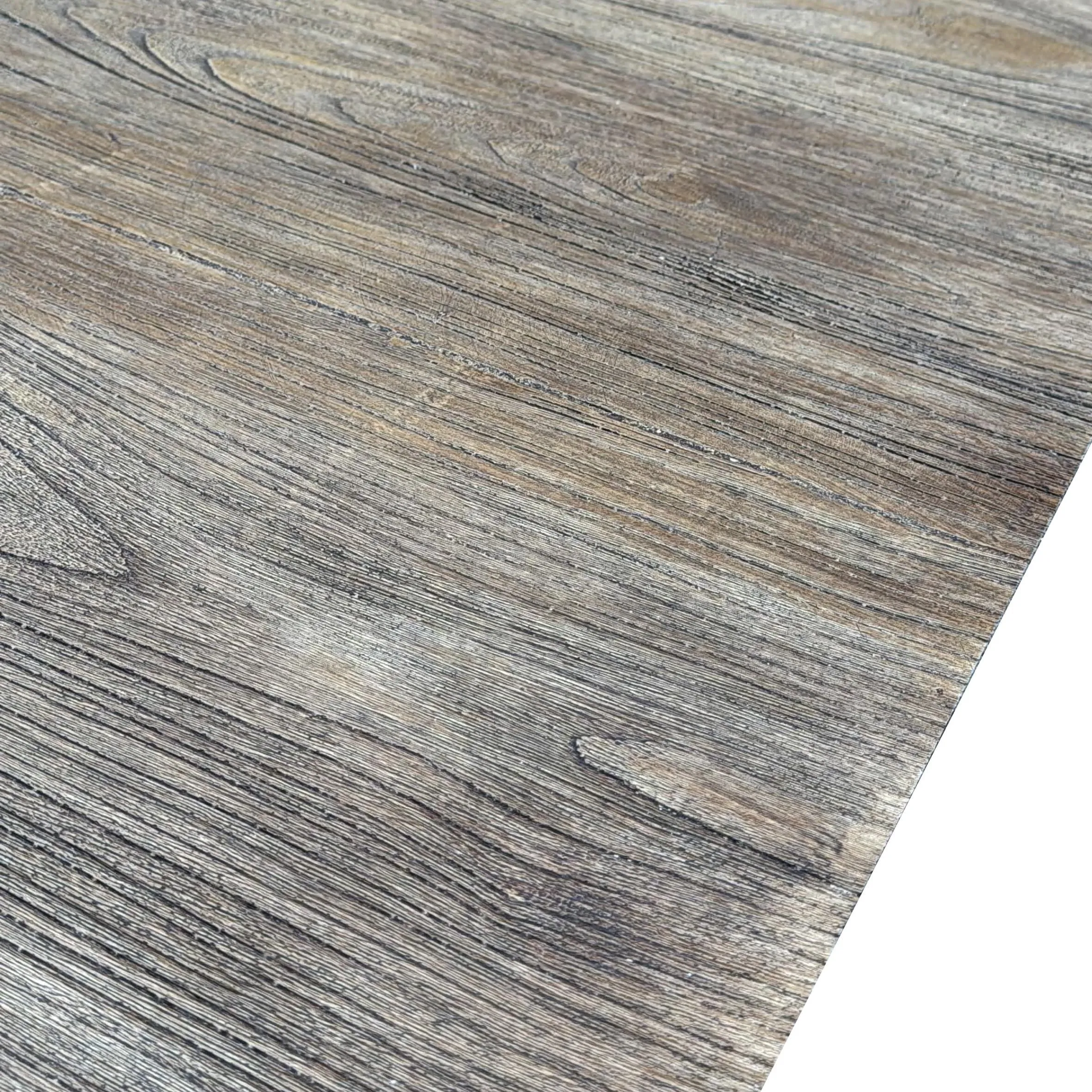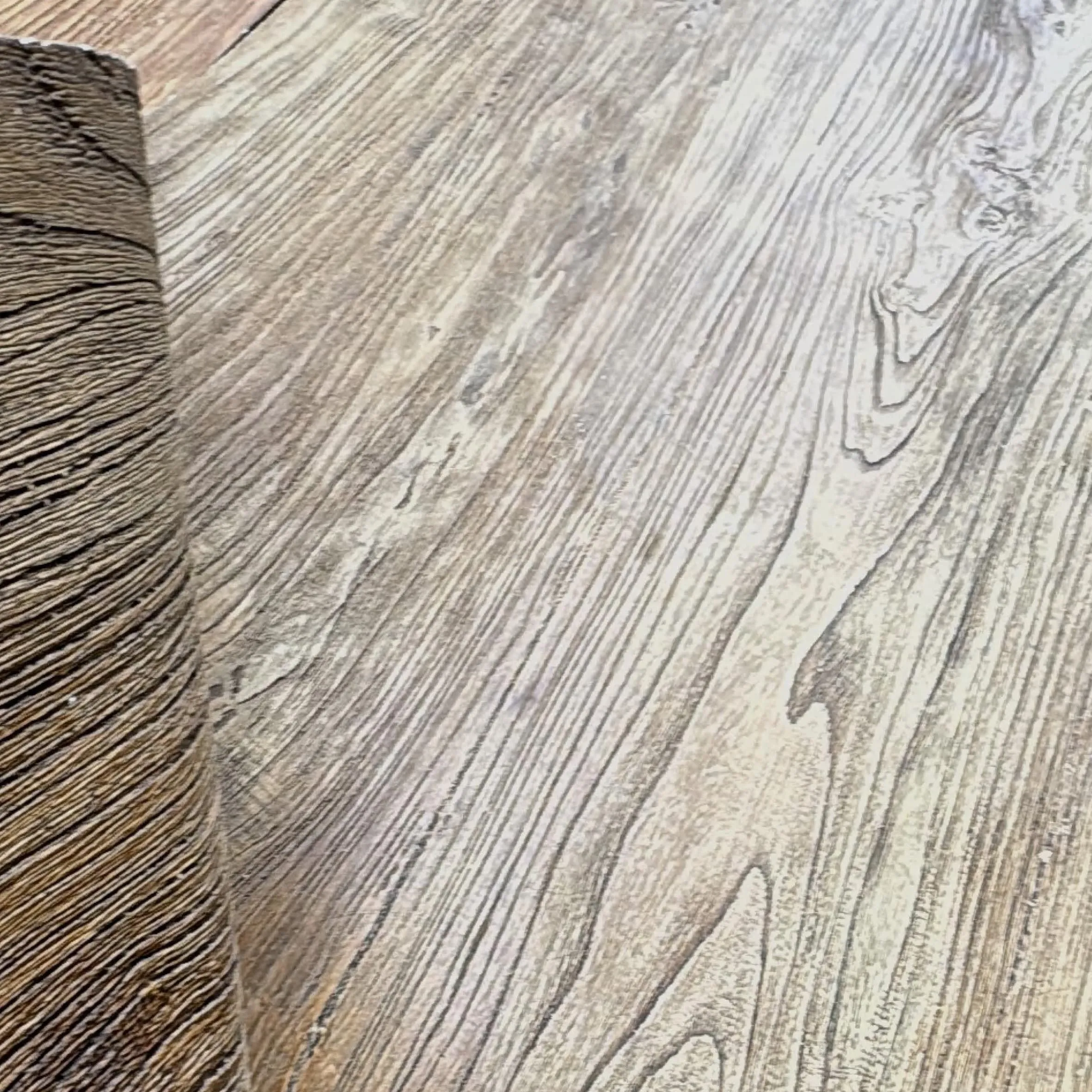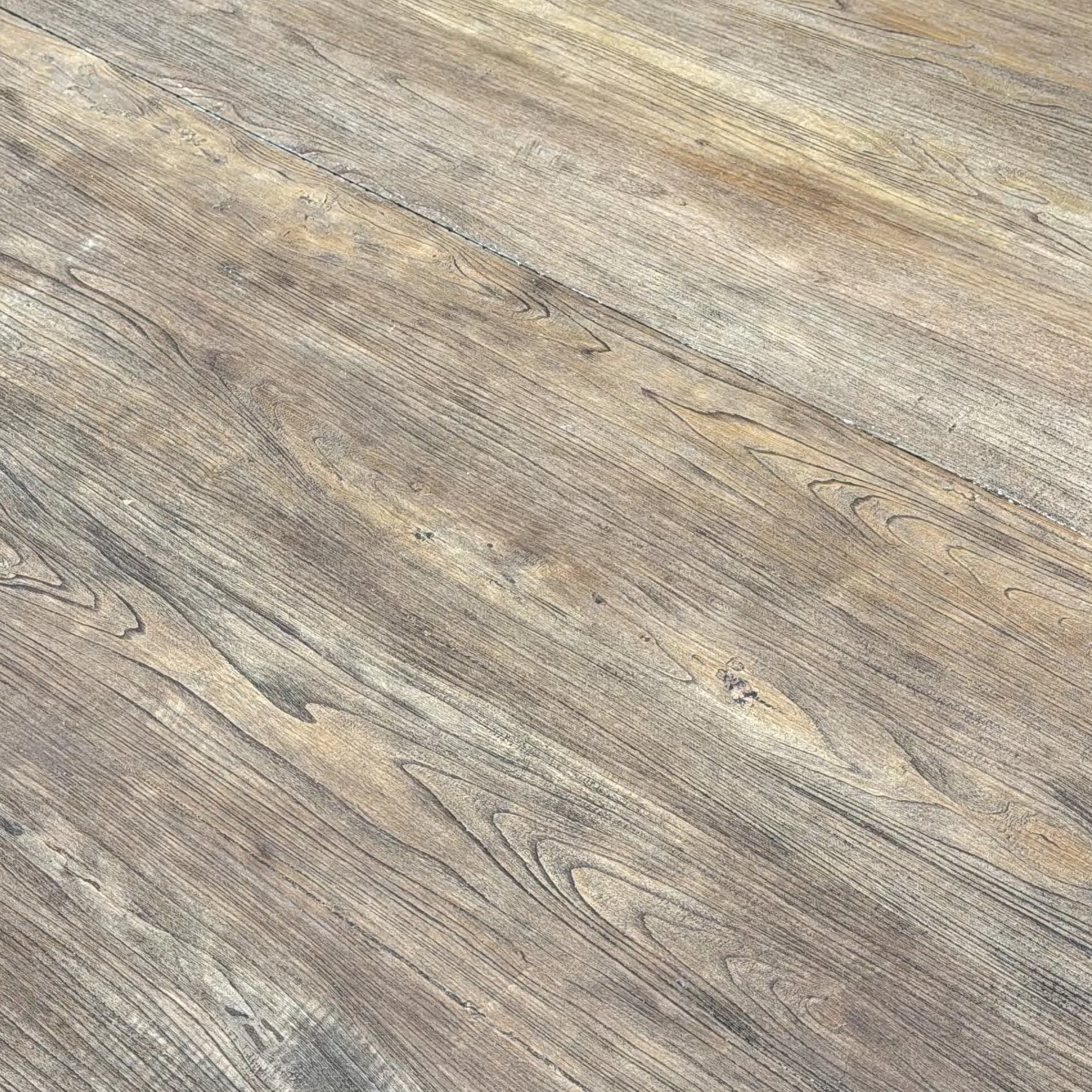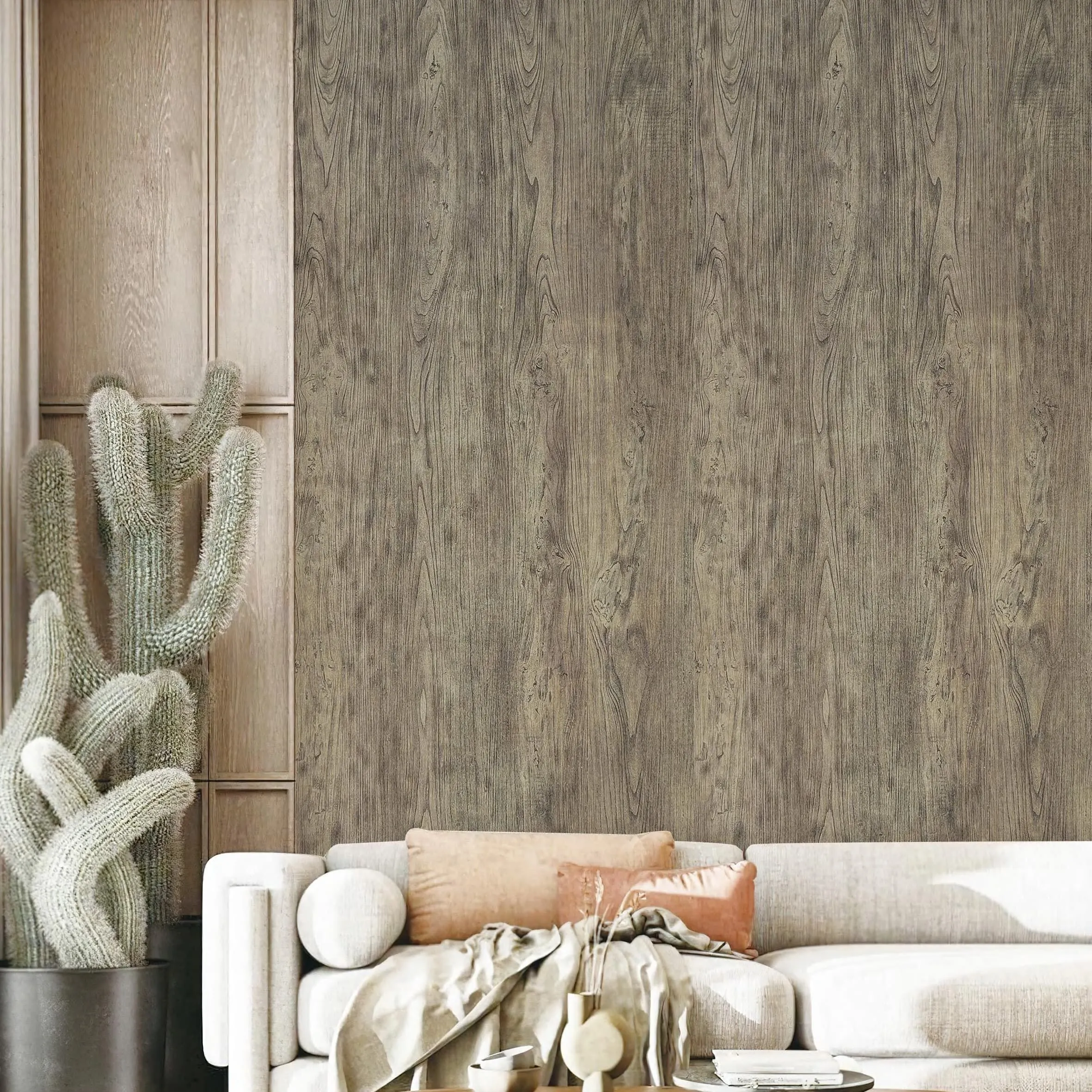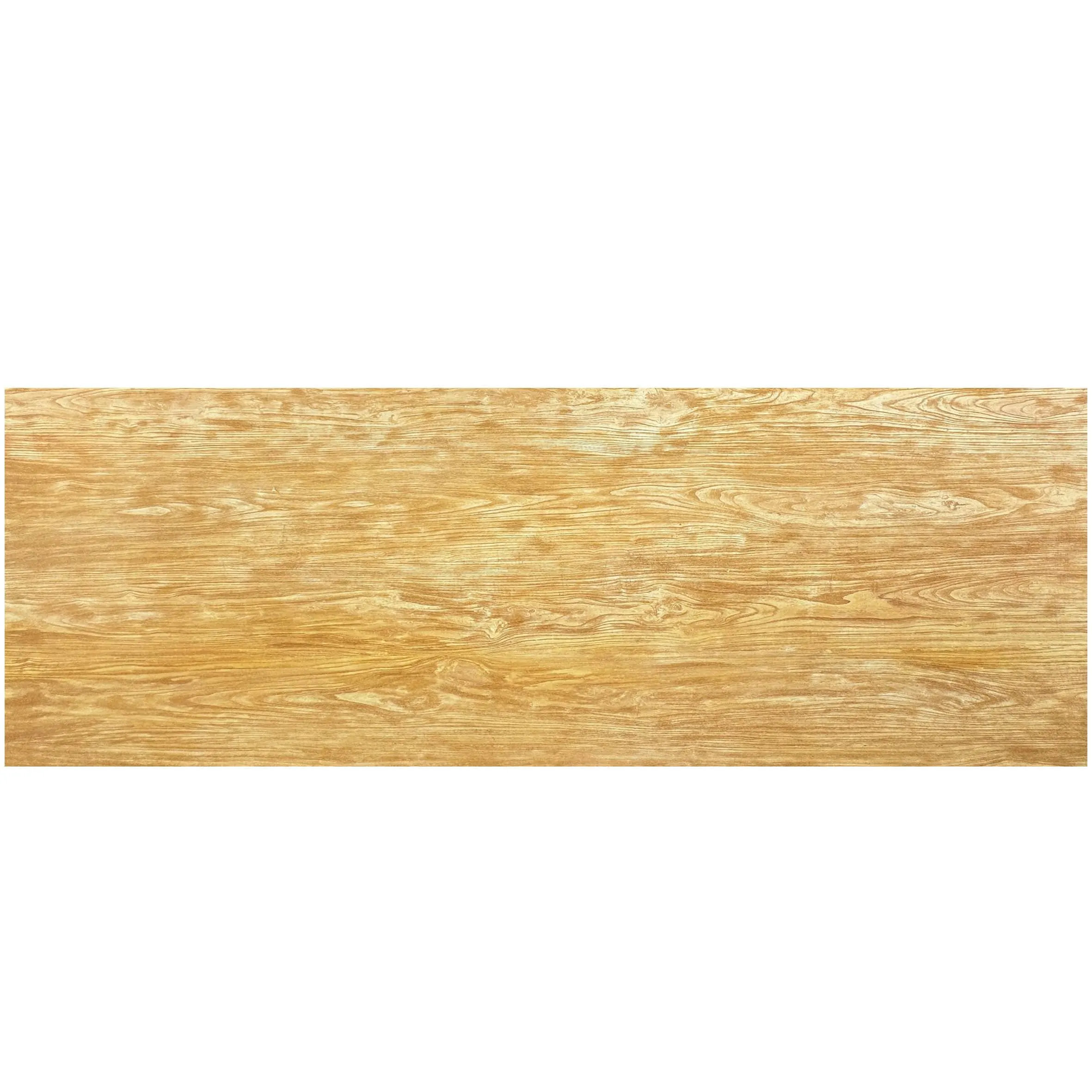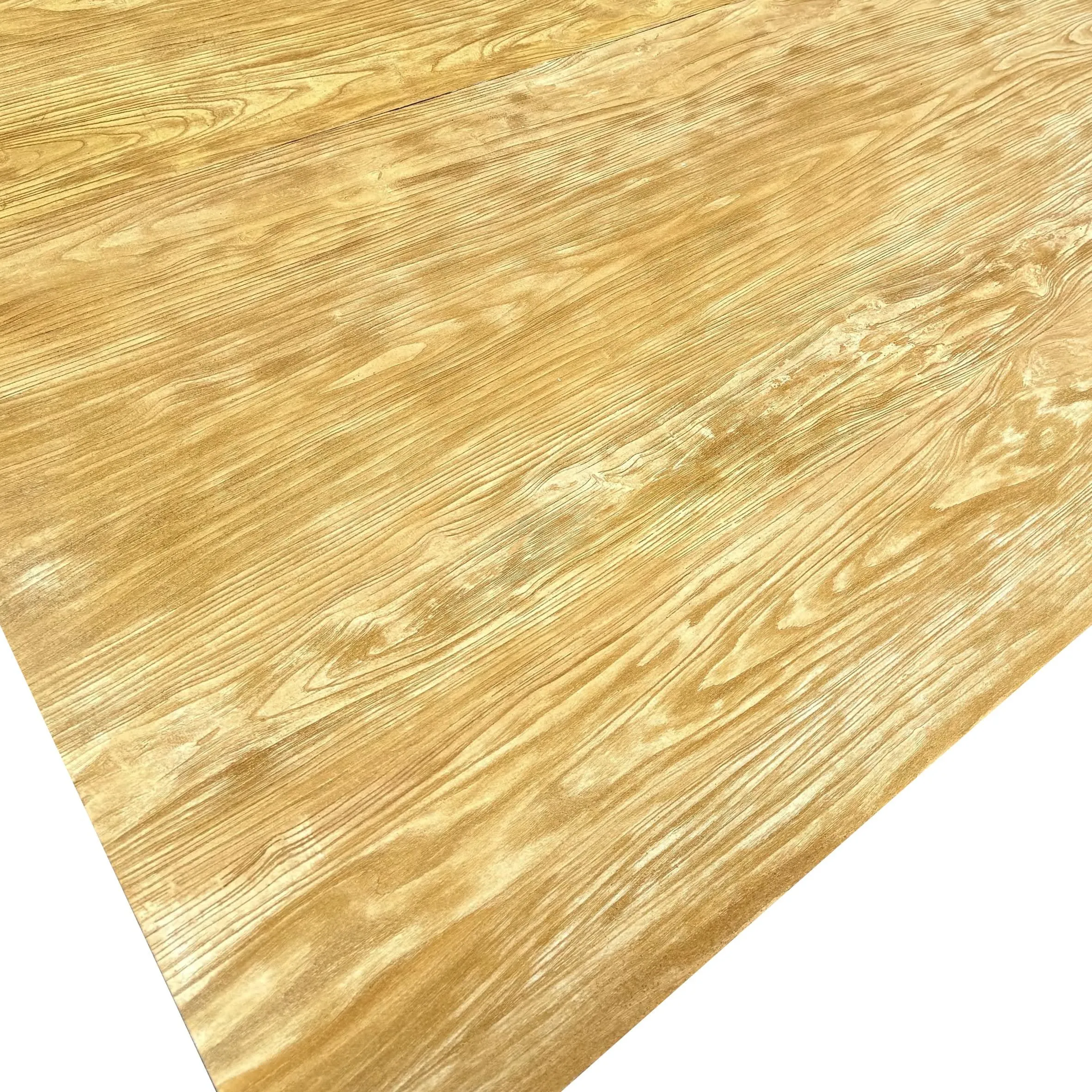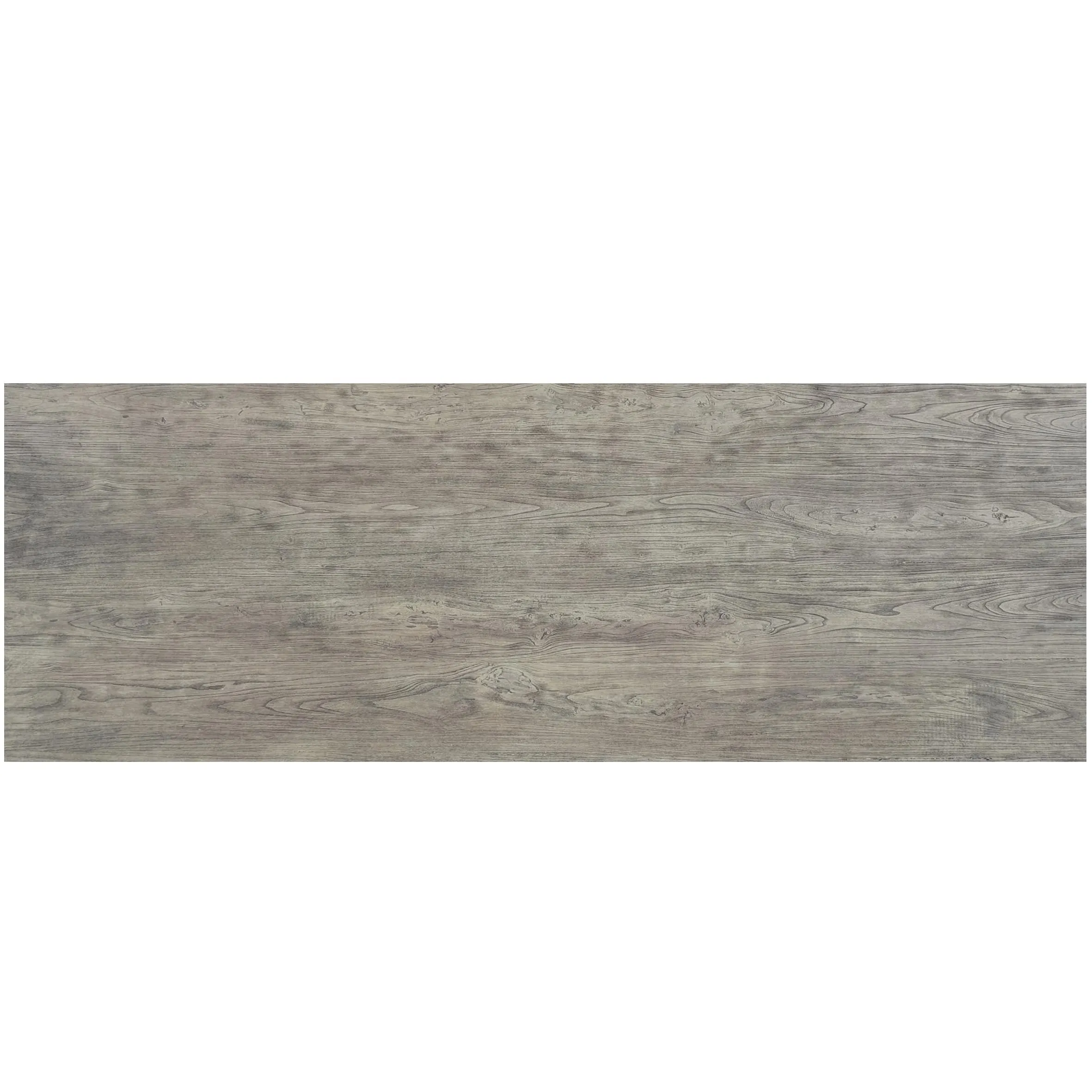
First, let's talk about what makes wood grain board unique. Unlike solid wood, which is carved from a single tree trunk, most commercial wood grain boards are engineered—made by bonding layers of wood veneer or fiberboard with a printed or embossed wood-look surface. This construction makes them more affordable and resistant to warping than solid wood, but it also means they're more sensitive to moisture, harsh chemicals, and rough handling. Think of it like a delicate balance: the material is tough enough to handle daily use, but it needs a little TLC to preserve that "just-installed" glow.
In commercial spaces, the stakes are higher. A scuffed or stained wood grain countertop in a café might make customers think twice about ordering another latte; a dull wood grain reception desk in an office could leave clients with a less-than-professional first impression. And let's not forget the cost factor: replacing or refinishing large wood grain surfaces isn't cheap, especially if you sourced them from a reputable commercial building material supplier. The goal here isn't just cleanliness—it's preservation. By caring for your wood grain board properly, you're protecting your investment and ensuring your space continues to feel welcoming for years to come.