

Creating visually stunning interior and exterior spaces requires thoughtful material selection and skillful combination. Bali Stone, with its natural texture and timeless appeal, offers architects and designers an exceptional foundation for wall finishes. However, the real design magic happens when you master the art of combining Bali Stone with complementary wall finishes to create depth, contrast, and visual harmony.
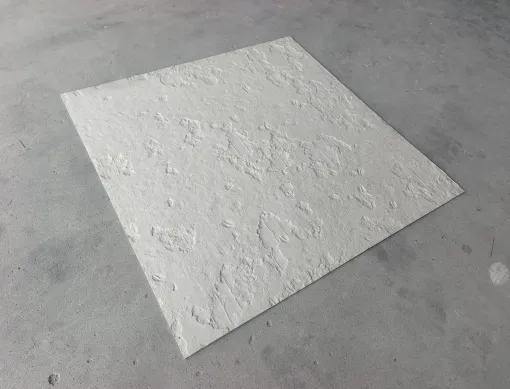
Bali Stone originates from volcanic regions, carrying natural variations in texture, color, and pattern. Its organic appearance ranges from warm sandy tones to dramatic charcoal grays, making it versatile for diverse design aesthetics. The irregular surface catches light beautifully throughout the day, creating dynamic visual interest that flat materials simply cannot achieve.
What makes flexible stone particularly valuable for modern applications is its adaptability. Unlike traditional rigid stone, MCM (Modified Clay Materials) flexible stone can curve around corners and fit irregular surfaces while maintaining the authentic appearance of natural stone. This opens creative possibilities for combining Bali Stone with other finishes in ways that were previously impractical.
Successful material layering follows fundamental design principles. When combining Bali Stone with other wall finishes, consider these essential guidelines to ensure cohesive results.
The most successful combinations share underlying color relationships. If your Bali Stone features warm beige and cream tones, pair it with wood finishes in similar undertones, or select textiles that echo these natural hues. For cooler gray-toned Bali Stone, consider concrete finishes or steel accents that complement the palette. The goal is creating visual unity where each material feels like part of a thoughtful composition rather than competing elements.
Texture creates tactile interest and visual depth. The rough, organic texture of Bali Stone pairs beautifully with smooth surfaces like polished concrete, sleek wood panels, or refined metal fixtures. This contrast prevents spaces from feeling monotonous while allowing each material's unique qualities to shine. Conversely, combining multiple heavily textured finishes can overwhelm the senses—strive for intentional balance rather than texture saturation.
The visual weight of materials affects how combinations read in space. A large Bali Stone wall acts as a dominant feature that anchors the room, so surrounding finishes should support rather than compete. Use smaller-scale materials or simpler finishes adjacent to substantial stone installations. This principle prevents visual chaos and creates clear focal points.
Certain materials naturally complement Bali Stone's aesthetic qualities while enhancing overall design impact. Understanding these combinations helps inform material selection for various project types.
Wood and stone share an organic connection that feels inherently harmonious. Reclaimed timber beams against a Bali Stone feature wall create rustic elegance, while smooth walnut panels paired with gray-toned stone achieve sophisticated contemporary warmth. The key is selecting wood tones that complement rather than match—the slight variation adds authenticity and depth.
For exterior applications, weather-resistant wood alternatives like composite decking or treated timber maintain the organic aesthetic while ensuring durability. Consider how wood grain patterns interact with stone texture—contrasting linear wood grains against irregular stone surfaces creates compelling visual rhythm.
Modern concrete finishes offer exceptional compatibility with Bali Stone. The industrial aesthetic of polished concrete floors or microcement walls provides a clean backdrop that allows stone's natural variation to become artwork. This combination works particularly well in contemporary homes, hospitality spaces, and commercial environments seeking understated sophistication.
MCM big slab board series provides an innovative alternative to traditional concrete, offering the aesthetic of large-format cement panels with the practical benefits of flexible modified clay materials. These panels can seamlessly transition from interior to exterior spaces, creating cohesive design continuity.
Metal elements introduce contemporary edge when combined with Bali Stone. Brushed nickel fixtures, copper lighting, or steel railings create striking contrast against organic stone surfaces. The reflective qualities of metal also help bounce light around spaces, enhancing the dimensional quality of textured stone walls.
For commercial projects, consider metal cladding or panels alongside Bali Stone installations. The juxtaposition of industrial metal and natural stone creates dynamic visual interest appropriate for restaurants, hotels, and retail environments seeking distinctive character.
While walls are typically hard surfaces, incorporating textile elements softens the overall aesthetic. Drapery, upholstered panels, or woven wall hangings adjacent to Bali Stone walls introduce warmth and comfort. Natural fiber textiles like linen, wool, or cotton complement stone's organic nature while providing tactile variety.
In hospitality settings, fabric wall panels or tapestry installations near stone feature walls create intimate, welcoming atmospheres. The combination of hard and soft elements feels luxurious yet approachable, inviting guests to linger and engage with the space.
Where you position material combinations significantly affects their visual impact. Thoughtful placement guides the eye and creates intentional design moments throughout a space.
A Bali Stone feature wall commands attention as a natural focal point. Surround this element with simpler finishes—neutral paint, minimalist millwork, or subtle texture—to prevent visual competition. In open-concept spaces, a stone feature wall can define zones without structural barriers, creating visual separation while maintaining flow.
Consider how lighting interacts with your feature wall. Directional lighting enhances stone's texture and dimension, while ambient wash lighting creates softer, more diffuse effects. Adjustable lighting systems allow you to change the mood throughout the day, highlighting different aspects of the material combination.
Corridors, entryways, and transition zones benefit from thoughtful material layering. Bali Stone in these areas creates memorable first impressions and sets the tone for adjacent spaces. Combine stone with warm wood flooring or soft wall coverings to make transitional passages feel welcoming rather than merely functional.
Using MCM flexible stone in curved or rounded transition areas demonstrates the material's versatility. Flexible panels conform to curved walls or rounded corners, maintaining design continuity where rigid stone would be impractical.
Bali Stone's durability makes it ideal for exterior applications, and extending the same material from interior to exterior spaces creates seamless connection. Use consistent stone cladding on both sides of large windows or sliding doors to blur the boundary between inside and out. Complementary exterior finishes like decking, landscaping stone, or water features enhance this integration.
Pool areas present exceptional opportunities for Bali Stone combinations. The material's natural resistance to water and algae growth, combined with non-slip texture, makes it perfect for pool surrounds. Pair with teak decking, lush plantings, or modern concrete coping for resort-quality results.
Successful material combinations require attention to practical details beyond aesthetics. Understanding installation requirements and maintenance needs ensures lasting results.
Different materials have varying substrate requirements. Traditional Bali Stone may need reinforced backing for vertical applications, while MCM flexible stone panels offer lighter weight and simpler installation over existing surfaces. Ensure your wall structure can support combined material weights, particularly when layering multiple finishes in the same area.
For exterior applications, consider drainage, moisture management, and thermal expansion. Proper detailing prevents water infiltration behind materials and accommodates natural movement without compromising the installation. Consulting with experienced installers familiar with combined material applications prevents costly issues.
Where different materials meet, transition details significantly affect visual quality. Consider whether materials should butt directly against each other, overlap, or require intermediate trim or molding. Each approach creates different aesthetic results and practical performance.
Modern designs often favor clean, minimal transitions where materials meet precisely. This approach requires careful planning and skilled craftsmanship but creates sophisticated results. Alternatively, intentional reveals or shadow gaps between materials celebrate transitions as design features rather than hiding them.
Consider ongoing maintenance when combining materials. Bali Stone typically requires periodic sealing with pH-neutral products, while adjacent finishes may have different care requirements. select materials with compatible maintenance schedules to simplify upkeep, or ensure access for treating each material appropriately without affecting others.
In high-traffic commercial applications, durability and cleaning compatibility become paramount. MCM project board series offers excellent durability with simplified maintenance requirements, making it practical for demanding environments where combined material installations must perform consistently.
Different project types benefit from tailored material combination strategies. These application concepts provide starting points for various design scenarios.
In homes, Bali Stone creates character and warmth. A living room feature wall combining Bali Stone with adjacent painted walls and wood flooring establishes a cozy yet sophisticated atmosphere. Add textile elements like area rugs and upholstered furniture to soften the overall composition.
Kitchens benefit from Bali Stone backsplashes paired with sleek cabinetry and modern countertops. The stone adds organic contrast to contemporary elements, creating balanced aesthetics. Consider extending stone to adjacent dining area walls for visual continuity.
Hotels and restaurants leverage Bali Stone for memorable guest experiences. Reception areas featuring stone walls combined with metal reception desks, wood ceiling elements, and textile seating create layered, welcoming environments. The combination of materials communicates quality and attention to detail.
Spa and wellness facilities particularly benefit from Bali Stone's natural connection to water elements. Combine stone walls with concrete floors, teak accents, and soft lighting for serene atmospheres. The MCM 3D printing series offers textured panels that can create feature walls with custom patterns, adding unique character to wellness spaces.
Commercial spaces use material combinations to create brand-appropriate environments. Luxury boutiques might combine Bali Stone walls with brass fixtures, velvet upholstery, and marble flooring for opulent results. Contemporary retail spaces could pair stone with polished concrete, steel shelving, and minimalist lighting for clean, modern aesthetics.
Exhibition and gallery spaces benefit from neutral backgrounds that highlight displayed items. Bali Stone provides subtle texture and warmth without competing with artwork or products. Combine with white-painted walls, controlled lighting, and simple flooring for versatile display environments.
Combining Bali Stone with other wall finishes requires understanding both materials and design principles. By establishing color harmony, balancing texture contrast, and considering scale, designers create sophisticated, layered environments. Whether pairing with natural wood, contemporary concrete, industrial metal, or soft textiles, Bali Stone's organic character enhances any combination when approached thoughtfully.
Modern MCM materials extend creative possibilities, offering the authentic appearance of natural stone with practical advantages for diverse applications. From residential living spaces to commercial hospitality environments, these material combinations create distinctive, memorable spaces that connect occupants with natural beauty while meeting contemporary performance requirements.
Success lies in thoughtful planning, quality materials, and skilled execution. When these elements align, Bali Stone wall finishes combined with complementary materials transform ordinary spaces into extraordinary environments with lasting appeal and authentic character.
Recommend Products












