
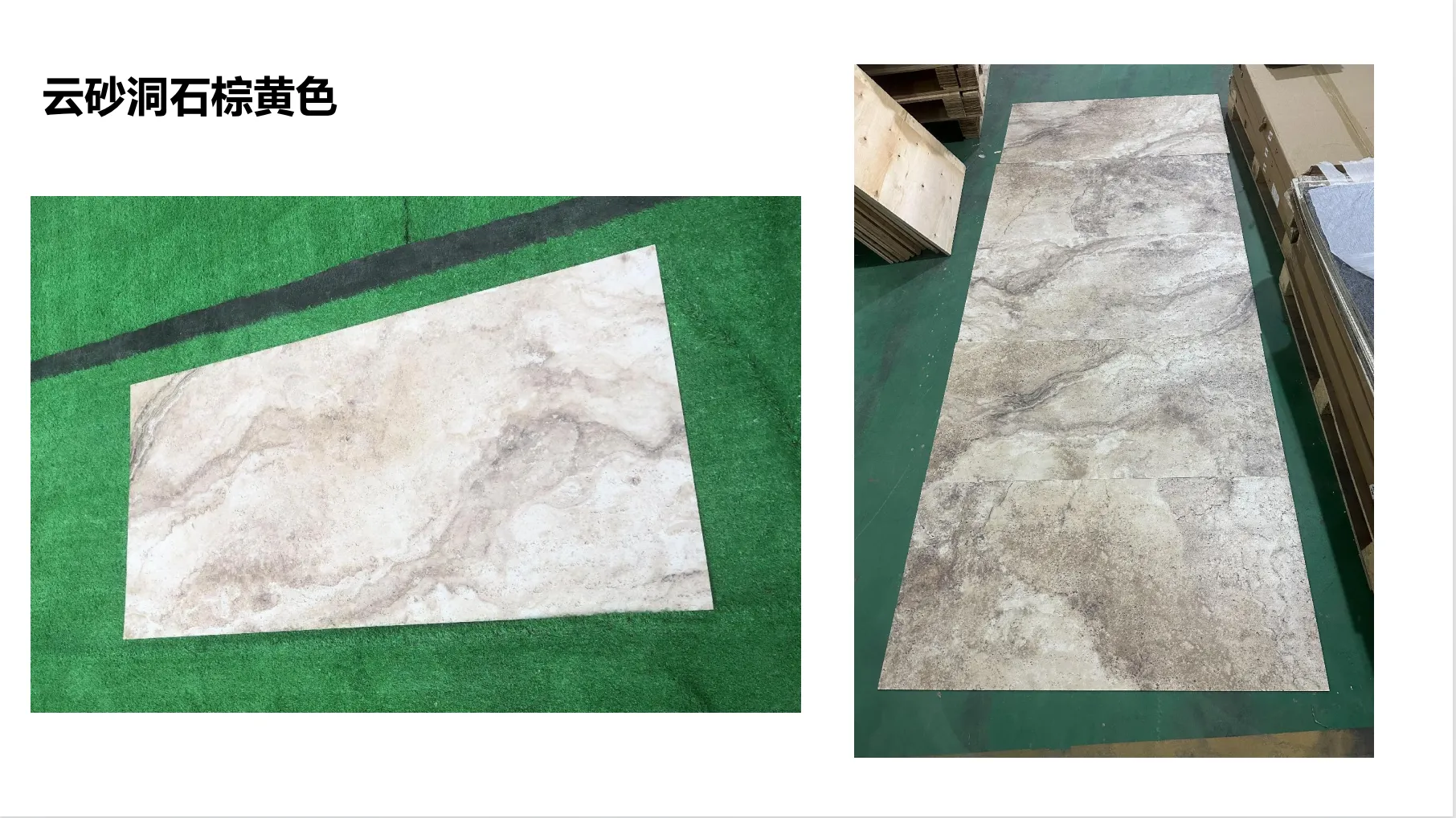
Choosing the right natural stone for a construction project is more than just a design decision—it's an investment in durability, aesthetics, and the overall character of a space. Among the myriad options available, dark grey dolomitic travertine stands out as a material that blends timeless elegance with modern versatility. Whether you're working on a commercial lobby, a residential facade, or a boutique hotel interior, this stone has the power to elevate the project from ordinary to extraordinary. But how do you ensure you're selecting the highest quality slabs? Let's dive into the nuances of dark grey dolomitic travertine, explore what makes it unique, and outline practical steps to choose the best material for your needs.
First, let's clarify what sets dark grey dolomitic travertine apart. Travertine itself is a form of limestone formed by mineral deposits from hot springs, known for its porous surface and distinctive veining. Dolomitic travertine, however, contains a higher percentage of dolomite—a mineral composed of calcium magnesium carbonate—which gives it enhanced durability and a slightly different texture compared to standard travertine. The "dark grey" variant, in particular, offers a moody, sophisticated palette that pairs beautifully with both warm and cool design schemes, making it a favorite among architects and interior designers.
What makes this stone so appealing? Its natural variations are part of its charm. Each slab features unique veining patterns—some subtle and linear, others bold and swirling—reminiscent of storm clouds or mountain ranges. The surface, when polished, has a soft sheen that catches light without being overly glossy, while a honed finish creates a matte, tactile quality that invites touch. These characteristics make dark grey dolomitic travertine suitable for both high-traffic areas (like restaurant floors) and intimate spaces (like bathroom walls), where its depth adds layers of visual interest.
But don't mistake its beauty for fragility. Thanks to its dolomite content, this stone is more resistant to scratches, stains, and acid erosion than many other natural stones, including some marbles. It's also surprisingly versatile in terms of applications: from large-format flooring slabs to accent walls, fireplace surrounds, and even custom furniture. When integrated into architectural big slab solutions, it can create seamless, monolithic surfaces that minimize grout lines and maximize impact—a trend that's gaining traction in modern commercial design.
One of the first things to check when evaluating dark grey dolomitic travertine is color consistency—though "consistency" here doesn't mean perfection. Natural stone is inherently variable, and that's part of its appeal. However, for large projects (like a hotel lobby with 500+ square feet of flooring), extreme color variations between slabs can create a disjointed look. Aim for batches where the base color (dark grey) is consistent, with veining that complements rather than clashes across slabs.
How to assess this? Request full-size samples from your supplier, not just small chips. Lay them out in the order they'll be installed (e.g., in a grid pattern) and view them under natural light—fluorescent or LED lighting can distort colors. Look for slabs that share a similar depth of grey; avoid those with unexpected undertones (like green or purple) unless that's intentional for your design. Remember: minor variations add character, but major discrepancies can derail the project's aesthetic.
The texture of dark grey dolomitic travertine is another critical factor. Run your hand across the surface—does it feel smooth and even, or are there rough patches, pits, or uneven edges? While travertine is naturally porous, excessive or irregular pitting can weaken the stone and make it harder to clean. For high-traffic areas, opt for slabs with smaller, more evenly distributed pores, or consider a filled and honed finish, where the pores are filled with a resin or cement-based material to create a smoother surface without losing the stone's natural texture.
Also, pay attention to edge quality. Slabs intended for architectural big slab solutions should have straight, square edges to ensure seamless installation. Warped or chipped edges can lead to gaps between slabs, which not only look unprofessional but also trap dirt and moisture over time.
Even with its dolomite content, not all dark grey dolomitic travertine is created equal. To ensure the stone can withstand the demands of your project, ask for technical specifications from the supplier, including compressive strength (measured in MPa) and water absorption rate. For commercial applications, aim for a compressive strength of at least 25 MPa (megapascals)—this ensures the stone can handle heavy foot traffic, furniture, and equipment. Water absorption should be below 3% to resist staining from spills (like coffee, wine, or oil).
Don't hesitate to request a sample for a simple DIY durability test: Place a few drops of water on the surface and let it sit for 15–20 minutes. If the stone darkens significantly and takes hours to dry, it has high porosity and may require frequent sealing. A high-quality slab will absorb water slowly, with minimal discoloration, indicating better resistance to moisture.
The quarry where the stone is mined plays a significant role in its quality. Travertine quarries in regions like Italy (especially Tuscany), Turkey, and Iran are known for producing high-grade dolomitic travertine due to their unique geological conditions. Italian quarries, for example, have been extracting travertine for centuries, refining their techniques to minimize stone damage during extraction. Stones from these regions often have fewer cracks, more consistent mineral composition, and better overall structural integrity.
When vetting suppliers, ask about the quarry's location and extraction methods. Ethical, sustainable quarries will also prioritize minimizing environmental impact—reducing water usage, reforesting mined areas, and adhering to labor standards. While this may not directly affect the stone's physical quality, it's a marker of a reputable supplier who takes pride in their product.
Dark grey dolomitic travertine is available in several finishes, each suited to different applications:
Consider the project's function and aesthetic when choosing a finish. For example, a modern office lobby might lean toward honed or polished slabs for a sleek look, while a mountain cabin could benefit from brushed or tumbled travertine to enhance its rustic charm.
Even seasoned professionals can make mistakes when choosing natural stone. Here are a few pitfalls to steer clear of:
To put dark grey dolomitic travertine's value into perspective, let's compare it to two other popular construction materials: fair-faced concrete and MCM flexible stone. This comparison will help you determine if travertine is the right choice for your project, or if a hybrid approach (e.g., travertine accents with MCM flexible stone panels) might work better.
| Feature | Dark Grey Dolomitic Travertine | Fair-Faced Concrete | MCM Flexible Stone |
|---|---|---|---|
| Appearance | Natural veining, porous texture, rich dark grey color with subtle variations. | Uniform, industrial look with a smooth or rough finish; limited color options (typically grey, white, or beige). | Flexible panels mimicking natural stone, wood, or metal; consistent color and texture across panels. |
| Durability | High resistance to scratches, stains, and acid; suitable for indoor/outdoor use with proper sealing. | Extremely durable and fire-resistant; prone to cracking if not reinforced; stains can be difficult to remove. | Lightweight, impact-resistant, and weatherproof; less prone to chipping than natural stone. |
| Installation | Requires experienced installers; heavy slabs may need structural support; grout lines needed between slabs. | Can be poured on-site or precast; requires formwork and curing time; heavy, may need structural reinforcement. | Lightweight and easy to install (can be cut with standard tools); adhesive-backed for quick application; minimal structural support needed. |
| Maintenance | Needs periodic sealing (every 1–3 years); regular cleaning with pH-neutral stone cleaners. | Sealing recommended to prevent staining; prone to dust accumulation in pores; difficult to repair cracks. | Low maintenance; resistant to stains and moisture; easy to clean with soap and water. |
| Cost | Mid-to-high range ($20–$40 per square foot, depending on finish and origin). | Low-to-mid range ($8–$15 per square foot for precast panels). | Mid range ($12–$25 per square foot); cost-effective for large projects due to easy installation. |
As the table shows, dark grey dolomitic travertine excels in natural beauty and durability, though it comes with higher upfront costs and installation requirements. For projects where authenticity and timelessness are priorities (like a luxury hotel or heritage building renovation), travertine is hard to beat. For budget-conscious or large-scale projects needing quick installation, MCM flexible stone might be a better fit—though pairing it with travertine accents can offer the best of both worlds.
Not all stone suppliers are created equal. Look for companies with a proven track record in sourcing high-quality travertine—ask for references, visit their showrooms, and request certificates of authenticity (especially for Italian or Turkish travertine). A good supplier will also help you navigate technical details, like batch selection and finishing options, and offer warranties on their products.
Never order large quantities of travertine without seeing samples first. Ask for at least 3–5 full-size slabs from the batch you'll be purchasing, and inspect them in person under natural light. Check for cracks, uneven coloring, and excessive pitting. If possible, visit the supplier's warehouse to inspect the entire batch—this ensures you're not stuck with slabs that don't meet your standards after delivery.
Even before installation, factor in sealing costs and maintenance schedules. Hire a professional stone sealer to apply a penetrating sealer after installation, and educate your client (or yourself, if it's your home) on proper care: avoid harsh cleaners (like vinegar or bleach), wipe up spills immediately, and reseal every 1–3 years. For commercial projects, consider including a maintenance contract with your supplier to ensure the stone stays in top condition.
Dark grey dolomitic travertine plays well with other materials, so don't be afraid to mix and match. For example:
The key is to let the travertine be the star while using other materials to enhance its natural beauty.
Selecting high-quality dark grey dolomitic travertine requires a balance of art and science—appreciating its natural beauty while rigorously evaluating its structural integrity. By focusing on color consistency, texture, strength, origin, and finish, you can ensure your project benefits from a stone that's not only stunning but also built to last. Whether you're designing a sleek corporate headquarters or a cozy residential retreat, this travertine variant offers a level of sophistication and versatility that few materials can match.
Remember: natural stone is more than a building material—it's a storyteller. Each slab of dark grey dolomitic travertine carries the history of the earth, with veining patterns formed over millions of years. When installed with care, it becomes a legacy piece that ages gracefully, developing a unique patina that only enhances its beauty over time. In a world of fleeting design trends, that's an investment worth making.
Recommend Products












