
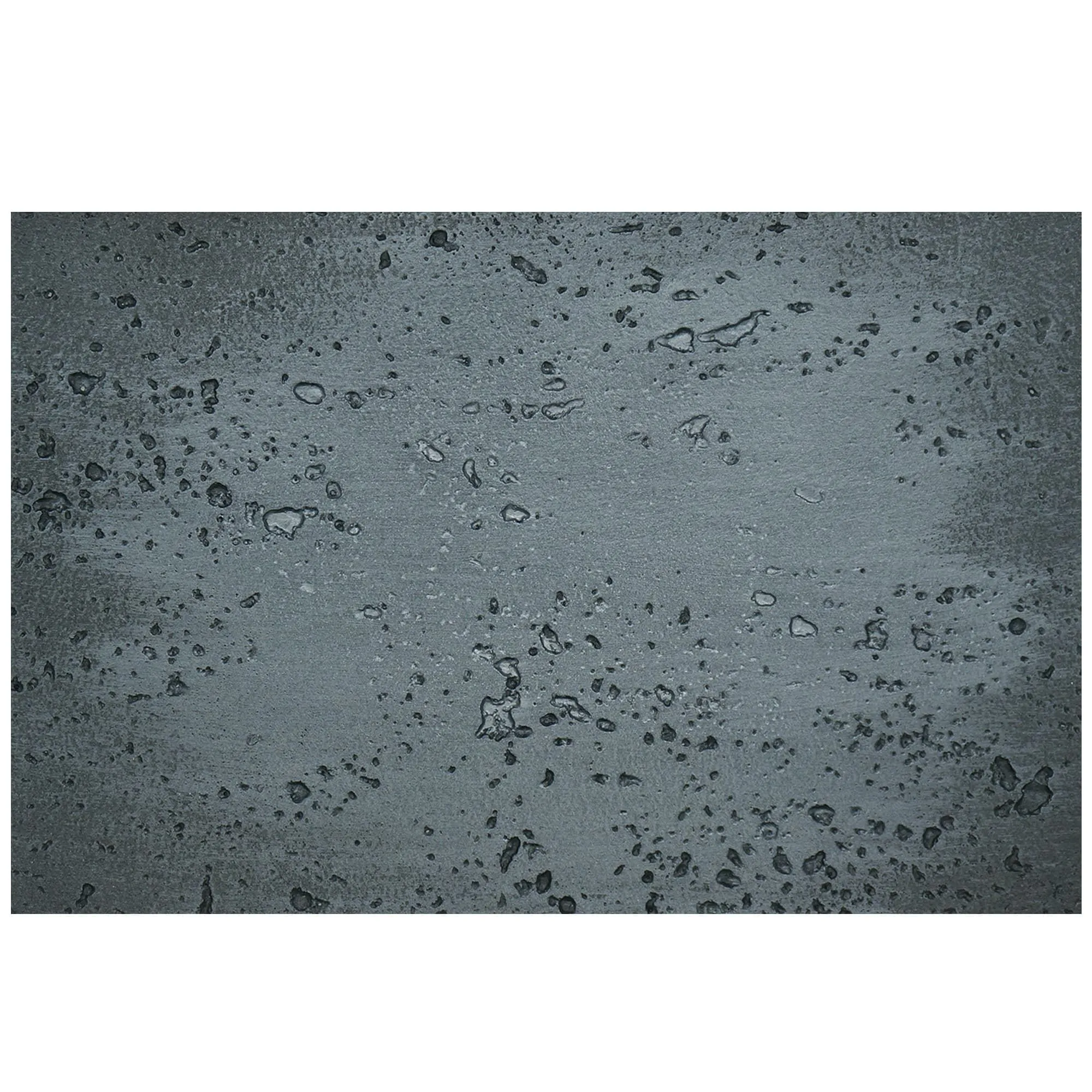
In the world of interior and exterior design, few materials evoke timeless elegance quite like travertine. Among its many variants, Travertine (Vintage Silver) stands out for its muted, silvery-gray tones interlaced with subtle cream veining—a finish that feels both modern and rooted in history. Whether used for kitchen backsplashes, bathroom walls, or outdoor patios, its unique character adds depth and warmth to any space. But as demand for this sought-after stone grows, so does the market for imitations. From polished concrete to MCM flexible stone panels, manufacturers have gotten increasingly skilled at mimicking travertine's look—often at a fraction of the cost. For homeowners, designers, and contractors alike, the challenge becomes: how do you tell the real deal from a convincing fake? Let's dive into the details.
First, let's understand why Travertine (Vintage Silver) has become a design staple. Unlike uniform synthetic materials, natural travertine is formed over millennia by mineral-rich hot springs, resulting in a stone with inherent variations. Its surface is dotted with tiny pores (known as "vugs"), formed by trapped gases during crystallization, and its color shifts subtly across slabs—no two pieces are identical. The "vintage silver" hue, in particular, balances neutrality with personality: it pairs beautifully with warm woods, bold accent colors, and even other stones like marble veil white or slate portoro . It's durable, heat-resistant, and ages gracefully, developing a soft patina over time that many designers find appealing.
But authenticity comes at a price. Natural travertine is quarried, cut, and finished by hand, making it more expensive than mass-produced alternatives. This cost gap has given rise to imitations, which often use materials like fair-faced concrete , foamed aluminium alloy board (vintage silver) , or MCM flexible stone to replicate travertine's texture and color. While some imitations are honest about their composition, others are marketed deceptively, leaving buyers with a product that lacks the durability, uniqueness, or value of real travertine.
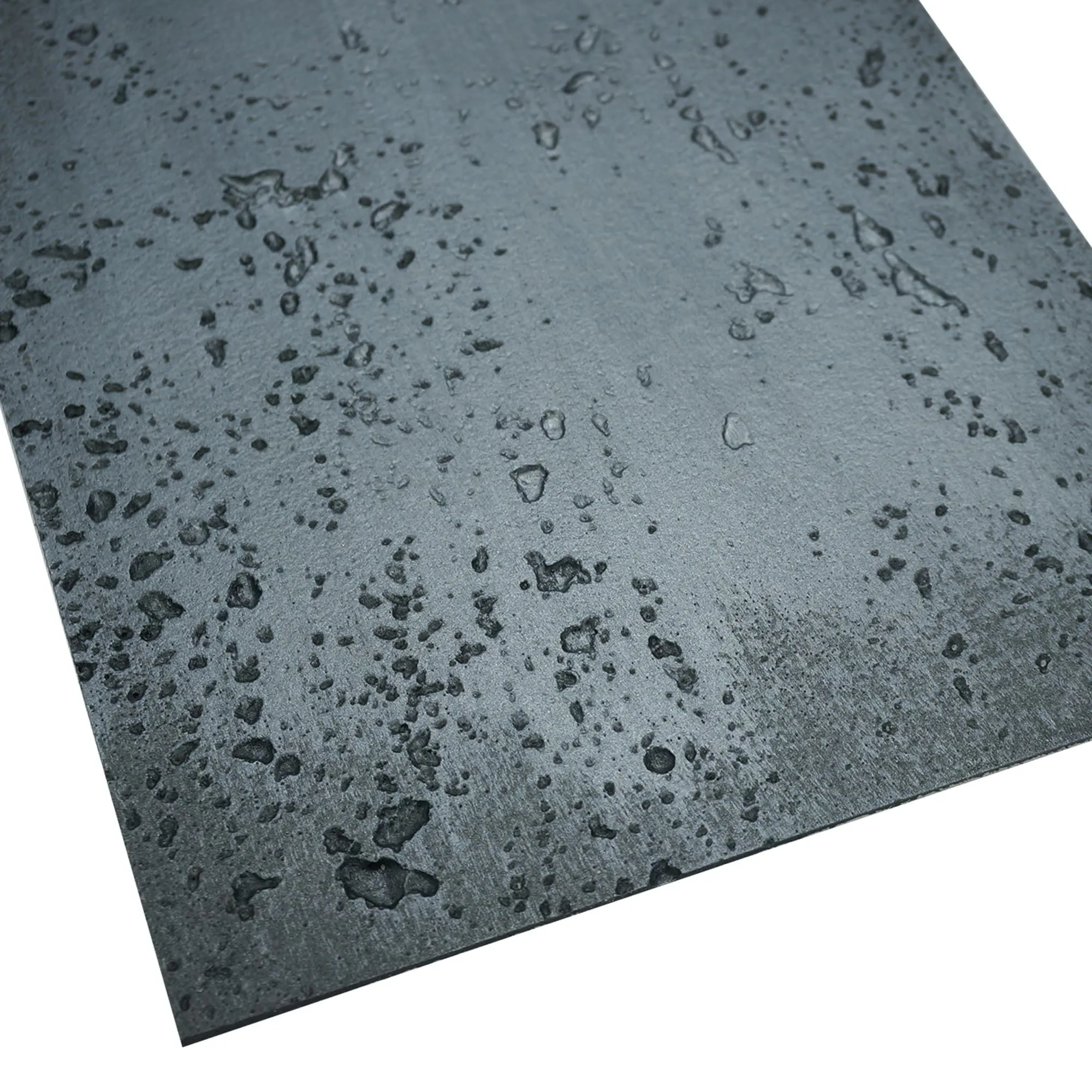
To spot a fake, you first need to know what to look for in the real thing. Authentic Travertine (Vintage Silver) has several defining characteristics, shaped by its natural formation:
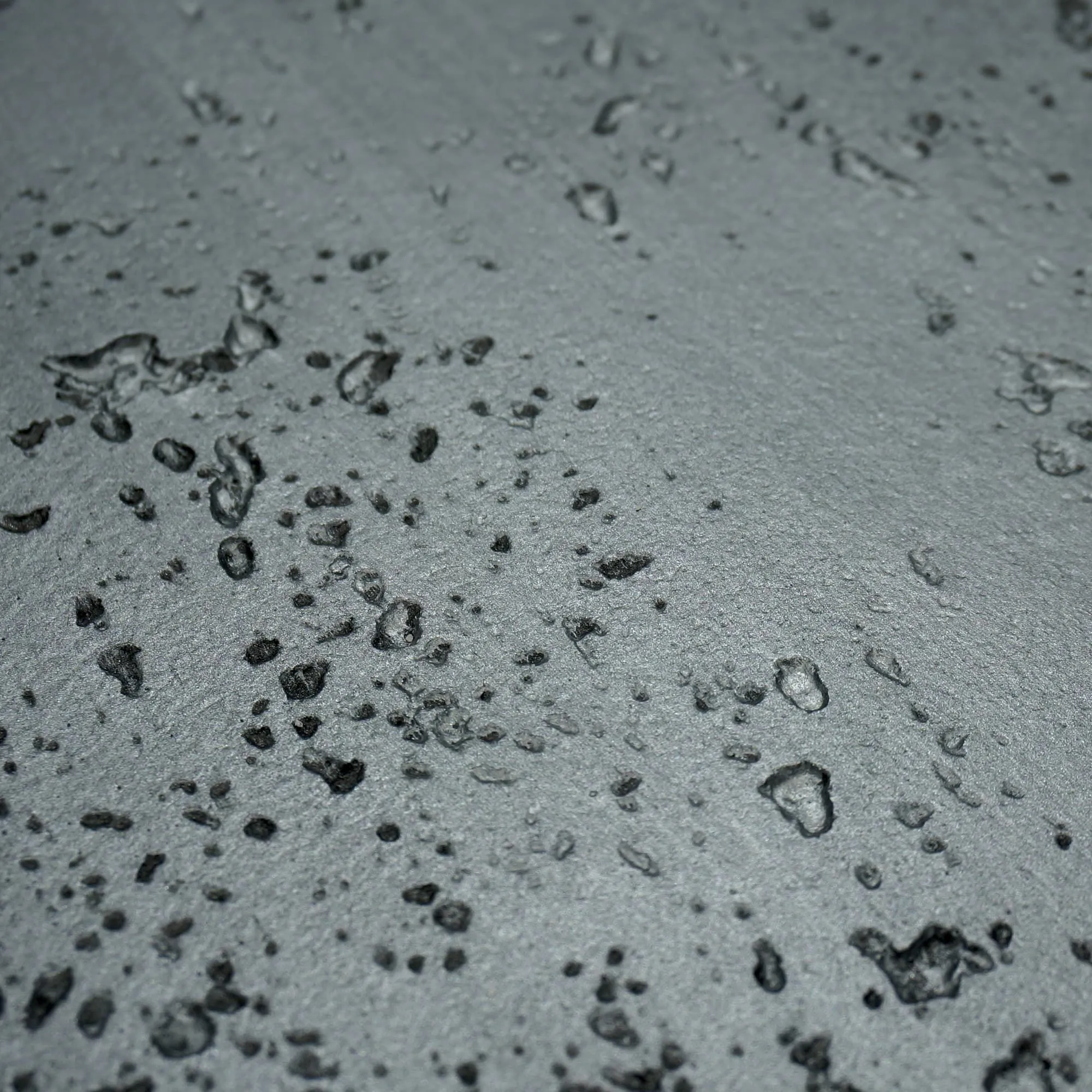
Imitations of Travertine (Vintage Silver) come in many forms, each with its own telltale signs. Here are the most prevalent ones:
Polished or textured fair-faced concrete is a popular travertine mimic. Manufacturers add pigments and molds to replicate travertine's color and pore-like indentations. While it's durable and affordable, it lacks the natural depth of travertine. Clues it's fake: perfectly uniform pores, a "plasticky" sheen when polished, and no water absorption.
MCM flexible stone (short for Modified Composite Material) is a lightweight, thin panel made from stone powder, resin, and fiberglass. It's flexible, easy to install, and often printed with high-resolution images of travertine. However, its surface is smooth and lacks the tactile texture of real stone. Look for: a thin, bendable feel (real travertine is rigid), printed-on veining that repeats pattern, and no natural pores—only printed indentations.
These metal panels are coated with a powder finish to mimic travertine's color. They're lightweight and weather-resistant, making them popular for exteriors. But their metallic core gives them away: they're much lighter than travertine, and their surface, while textured, feels cool and smooth to the touch (unlike travertine's slightly warm, porous surface). A magnet test can also reveal their metal base.
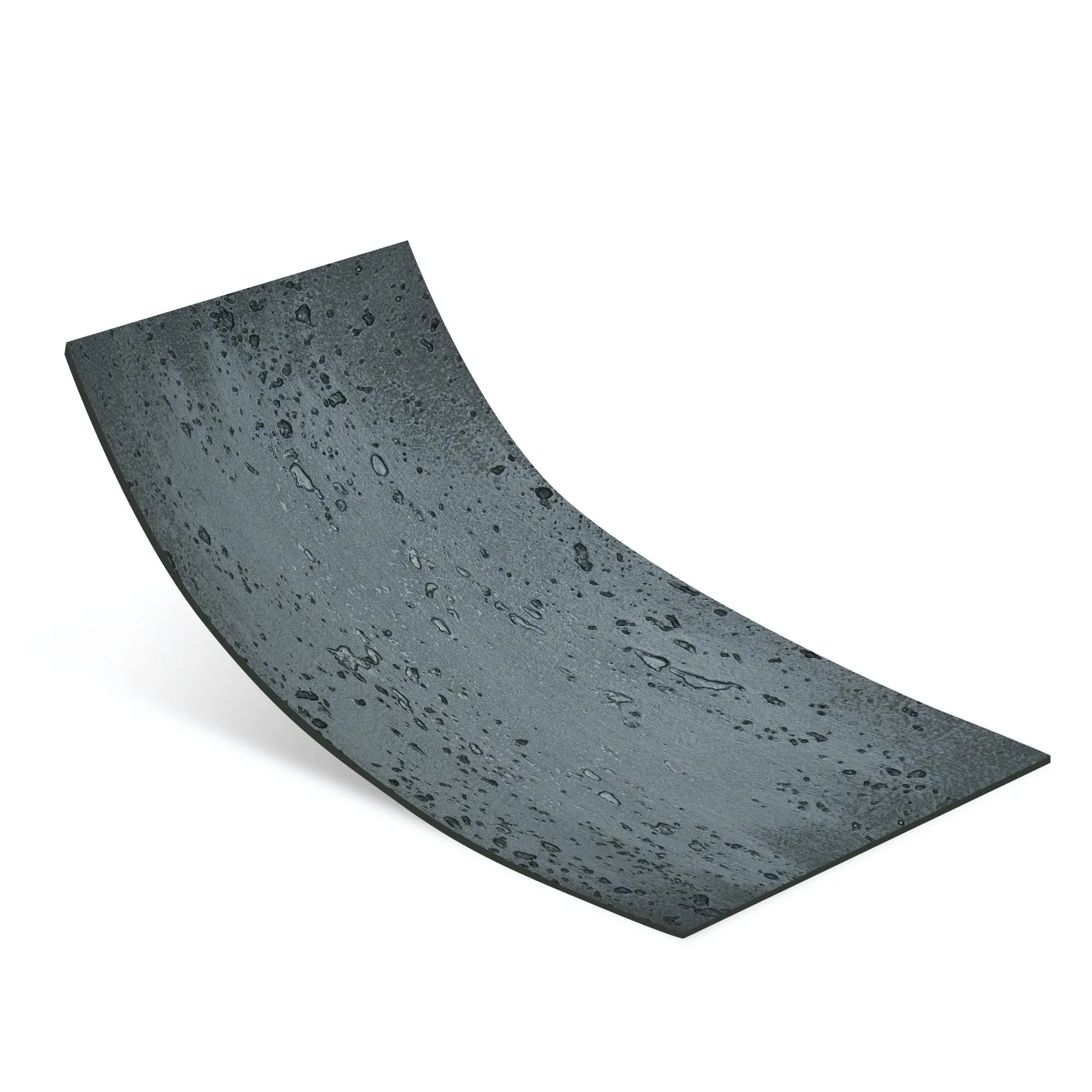
To simplify identification, here's a side-by-side comparison of Travertine (Vintage Silver) and its most common imitations:
| Characteristic | Authentic Travertine (Vintage Silver) | Fair-Faced Concrete | MCM Flexible Stone | Foamed Aluminium Alloy Board |
|---|---|---|---|---|
| Texture | Natural, porous surface with irregular pores; slightly rough to touch | Smooth or artificially textured; uniform, shallow indentations | Printed texture; smooth with no real depth | Coated with powder finish; cool, metallic smoothness |
| Color Variation | Subtle shifts in silver/gray tones; unique veining per slab | Uniform color; limited veining, often repetitive | High-resolution print; pattern repeats across panels | Flat, solid "vintage silver" coating; no veining |
| Weight | Heavy (approx. 15-20 lbs per 12x12-inch slab) | Moderate (10-12 lbs per slab) | Lightweight (3-5 lbs per panel) | Very light (2-4 lbs per panel) |
| Water Test | Absorbs water, darkens temporarily | Non-porous; water beads or wipes off | Non-porous; water does not absorb | Non-porous; water repels immediately |
| Edge Quality | Slight irregularities; natural stone "roughness" | Straight, machine-cut edges; uniform | Thin, flexible edges; may curl slightly | Sharp, metallic edges; perfectly straight |
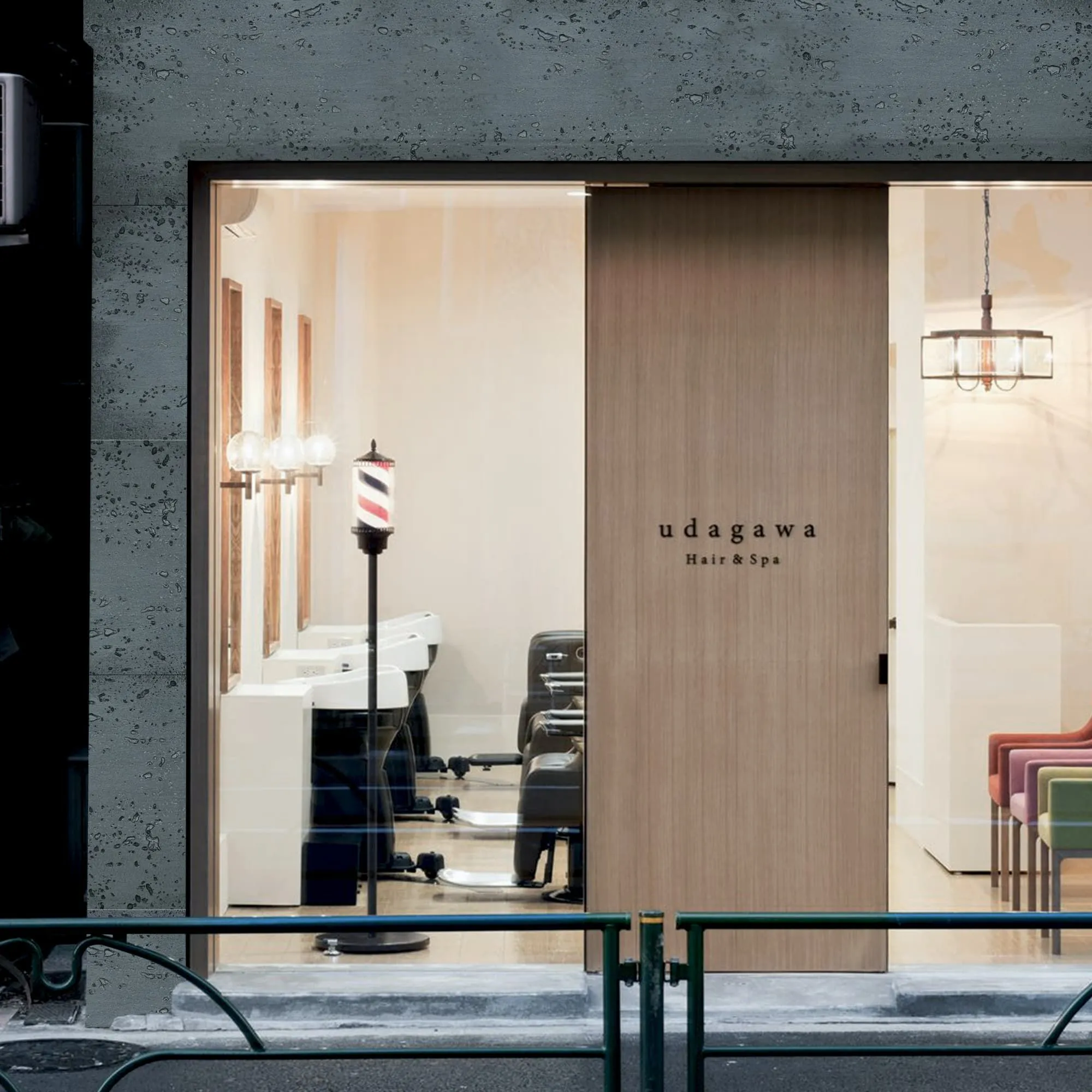
Armed with knowledge of travertine's unique traits, here's how to put it into practice when shopping:
For high-stakes projects—like a luxury home renovation or commercial space—consider hiring a geologist or stone expert to verify authenticity. They can use tools like acid tests (travertine reacts to weak acid, while imitations often don't) or microscopic analysis to confirm the stone's natural origin. It's a small investment to avoid the disappointment of installing an imitation that fades, chips, or fails to deliver the timeless appeal of real Travertine (Vintage Silver) .
At the end of the day, the beauty of Travertine (Vintage Silver) lies in its authenticity. Its imperfections, variations, and natural history are what make it more than just a building material—they make it a storyteller. By learning to spot the signs of real travertine, you're not just ensuring you get what you pay for; you're preserving a legacy of craftsmanship that spans centuries. So the next time you're perusing stone samples, take your time, trust your senses, and remember: the real thing is worth the wait.
Recommend Products












