
Unlocking the secrets of stone that stands the test of time—for architects, designers, and discerning homeowners alike
There's something almost magical about walking into a space wrapped in natural stone. It's not just the way light dances off its surface or the earthy warmth it brings to a room—it's the sense that this material has a story. For centuries, stone has been the backbone of iconic structures, from ancient temples to modern skyscrapers. Today, as we blend heritage with innovation, one stone has risen to the forefront of design conversations: Rock Cut Dolomitic Stone . But not all stone is created equal. Whether you're specifying materials for a luxury hotel facade, a cozy home interior, or a public art installation, knowing how to spot high-quality Rock Cut Dolomitic Stone can mean the difference between a project that shines for decades and one that fades fast.
In this guide, we'll dive into the nuances of identifying top-tier Rock Cut Dolomitic Stone, drawing on insights from architects, stonemasons, and material experts. We'll also touch on how it compares to other beloved materials like fair-faced concrete and flexible stone , and why pairing it with collections like the mcm big slab board series can elevate your design vision.
First, let's demystify the name. Dolomitic stone is a type of sedimentary rock rich in dolomite, a mineral that gives it a unique density and resistance to weathering. When we say "rock cut," we're referring to the traditional method of extracting and finishing the stone—using precision tools to mimic the look of stone hewn by hand, resulting in a surface that balances ruggedness with refinement. Think of it as nature's artistry meets human craftsmanship.
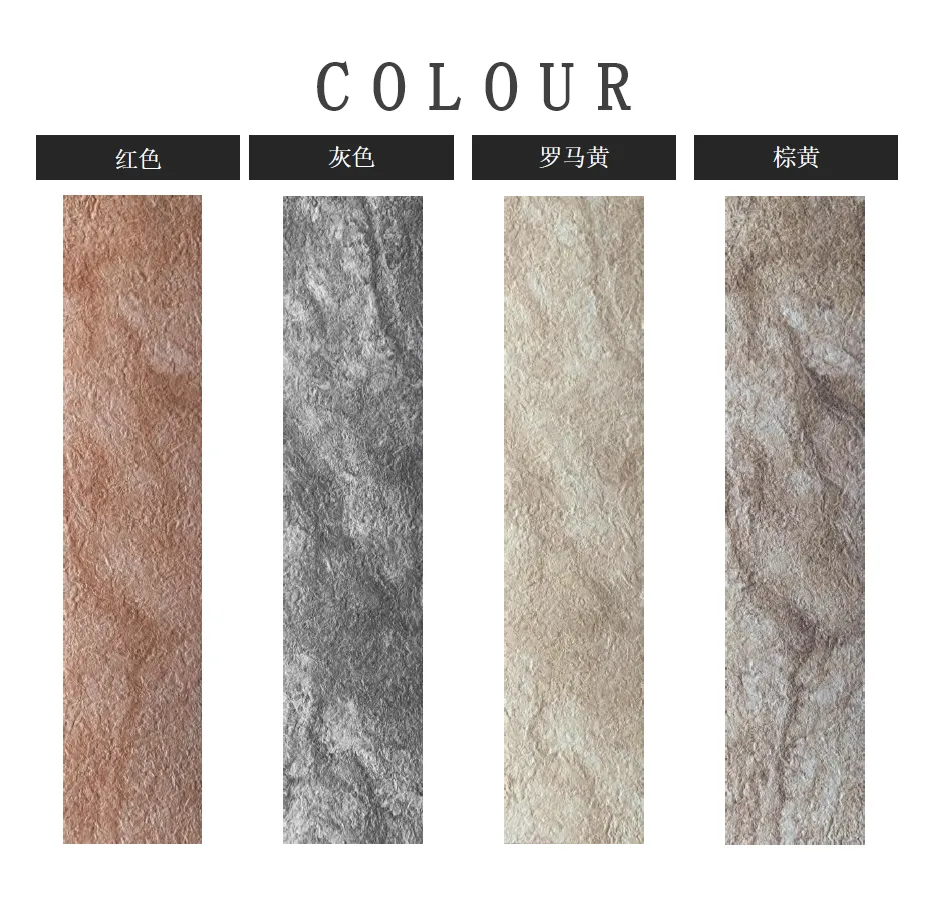
You might encounter dolomitic stone in variations like dolomitic travertine (dark grey) or dolomitic travertine (claybank) —each with its own hue, but all sharing that signature dolomitic durability. Unlike softer stones that chip easily or overly uniform engineered options, Rock Cut Dolomitic Stone carries the character of the earth: subtle veining, tiny fossilized imprints, and color gradients that tell the story of its formation over millennia.
Imagine specifying stone for a restaurant's exterior, only to find hairline cracks spreading after the first winter. Or choosing a batch for a fireplace surround that fades unevenly under sunlight. Low-quality Rock Cut Dolomitic Stone isn't just an aesthetic letdown—it's a practical headache. It can increase maintenance costs, shorten the lifespan of your project, and even compromise structural integrity in critical applications.
High-quality stone, on the other hand, becomes a legacy. It ages gracefully, developing a patina that enhances its beauty. It resists moisture, stains, and wear, making it ideal for both indoor and outdoor use. And in a world where sustainability matters, choosing well-sourced, durable stone reduces the need for frequent replacements—aligning with eco-conscious design principles.
Start with a thorough visual inspection. High-quality Rock Cut Dolomitic Stone should have consistent coloration across the slab—no blotchy patches or sudden shifts in tone. For example, a dark grey dolomitic stone should lean toward a deep, uniform charcoal, not a muddled mix of grey and brown. That said, subtle variations are normal (and desirable!)—think of them as the stone's "personality." What you want to avoid are stark, unnatural streaks, which can signal impurities or shoddy cutting.
Next, check for cracks and fissures . Run your eyes along the edges and surface—small, hairline cracks (less than 1mm wide) might be cosmetic, but anything larger is a red flag. Also, look at the finish: the "rock cut" texture should be even, with tool marks that look intentional, not haphazard. Compare it to a sample of travertine (starry green) —another stone prized for its visual depth—and notice how both demand that same level of precision in their finish.
Natural stone has a distinct feel, and Rock Cut Dolomitic Stone is no exception. When you run your hand across the surface, it should feel cool to the touch (even in warm rooms)—a sign of its dense, mineral-rich composition. The texture should be slightly rough but not abrasive ; it should catch your fingertips gently, like the surface of a river stone smoothed by time, not a gravel road.
Press your palm against the stone for 10 seconds, then lift it. High-quality dolomitic stone will retain that coolness, while a lower-density stone might warm up quickly. This trick works because denser stone conducts heat (and cold) more slowly—a handy indicator of durability. Compare it to flexible stone , which, while innovative, often has a lighter, less substantial feel due to its composite makeup.
You don't need a lab to test durability—just a few household items. Try the scratch test : take a metal key and gently scrape the back of the slab (in an inconspicuous spot!). High-quality Rock Cut Dolomitic Stone should resist scratching; if the key leaves a mark, the stone is too soft. Dolomite's hardness (around 3.5-4 on the Mohs scale) means it should stand up to everyday wear, unlike softer travertines that might scratch easily.
Next, the water test . Dribble a few drops of water onto the stone and let it sit for 10 minutes. Quality dolomitic stone is naturally porous but should absorb water slowly—you'll see a slight darkening, but no pooling or immediate soaking. If the water beads up excessively, it might have been sealed with a cheap coating (which will wear off); if it soaks in instantly, the stone is too porous and prone to staining.
Great stone comes from great quarries. Ask your supplier for details about the stone's origin—reputable sources will happily share information about the quarry, extraction methods, and quality control processes. Stones from regions known for dolomite deposits (like parts of Italy or the American Midwest) often have a track record of excellence, much like how historical pathfinders stone is revered for its connection to heritage building practices.
Also, inquire about certifications. Look for standards like ISO 9001 (quality management) or CE marking, which indicate the stone meets European safety and performance benchmarks. A supplier who hesitates to share this info? That's a warning sign.
Sometimes the best way to judge quality is to see how a stone compares to similar materials. Let's break it down with a quick comparison:
| Material | Color Consistency | Durability | Best For |
|---|---|---|---|
| Rock Cut Dolomitic Stone | Subtle variations (desirable) | High (resists weathering, scratches) | Exteriors, fireplaces, high-traffic areas |
| Fair-Faced Concrete | Uniform (minimal variation) | Moderate (prone to staining without sealant) | Modern interiors, industrial aesthetics |
| Flexible Stone | Consistent (engineered patterns) | Low to moderate (lightweight, less impact-resistant) | Accent walls, curved surfaces, temporary installations |
Notice how Rock Cut Dolomitic Stone stands out for durability and character—making it a go-to for projects where longevity and storytelling matter. For example, pairing it with the mcm big slab board series (known for sleek, large-format panels) creates a striking contrast between raw stone texture and modern minimalism.
Once you've identified high-quality Rock Cut Dolomitic Stone, the design possibilities are endless. Architects often use it to ground contemporary buildings in natural warmth—think a glass-and-steel facade with dolomitic stone accents, or a lobby featuring floor-to-ceiling slabs paired with travertine (starry green) for a biophilic touch. It also shines in heritage restorations, where its rugged elegance complements historical details without feeling out of place.
For homeowners, consider it for outdoor patios (where durability against rain and sun is key) or kitchen backsplashes (resistant to heat and stains). And because it ages so beautifully, it's an investment that grows more charming over time—unlike trendy materials that feel dated in a few years.
Rock Cut Dolomitic Stone isn't just a building material—it's a storyteller. It carries the weight of the earth's history and the precision of human skill, making it a timeless choice for projects that aim to endure. By using these expert tips—checking visuals, texture, durability, and source—you can ensure you're selecting stone that will not only meet your design goals but exceed them, standing strong for generations.
So the next time you're standing in front of a slab, take a moment to really see it. Touch it. Ask about its journey. Because the best stone isn't just found—it's felt.
Recommend Products












