
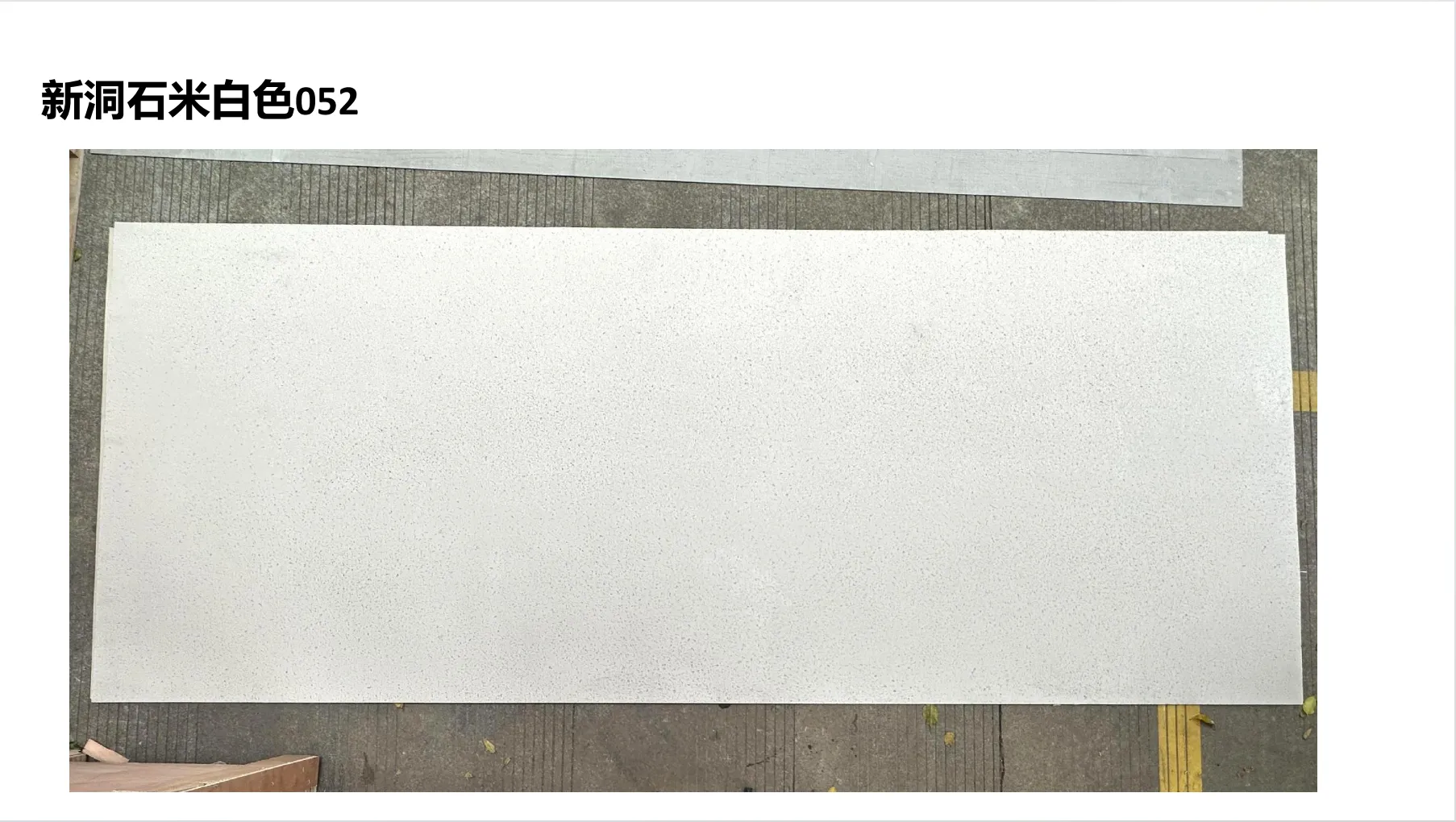
So, you're on the hunt for White Travertino MCM panels—maybe for a home renovation, a commercial project, or just to elevate that bare wall in your living room. You've seen the stunning photos: soft ivory backdrops with delicate, earthy veining that looks like it was carved by nature itself. But here's the thing: not all White Travertino MCM panels are created equal. Walk into a (building materials market) or scroll through online listings, and you'll find dozens of options—some priced suspiciously low, others with claims that sound too good to be true. How do you separate the gems from the duds? That's where this checklist comes in. Let's break down what makes a high-quality panel worth your investment, and how to avoid the costly mistakes so many buyers make.
Let's start with the basics. MCM stands for Modified Composite Material—a fancy term for panels made by bonding thin layers of natural stone (in this case, travertino) with a flexible, lightweight backing. Unlike solid travertine slabs, which are heavy, brittle, and tough to install on curved surfaces, MCM panels are designed to be mcm flexible stone —think of them as nature's beauty meets modern engineering. White Travertino MCM panels take the classic, porous texture of travertine (those tiny holes and unique veining we love) and wrap it in a durable, easy-to-handle package. They're perfect for walls, facades, even furniture—anywhere you want that timeless stone look without the hassle of traditional materials.
But here's the catch: because MCM technology is relatively new, not all manufacturers follow the same standards. Some cut corners by using low-grade stone powder, cheap adhesives, or skimping on the backing layer. The result? Panels that crack, fade, or peel after a few years. And replacing them? That's not just a hassle—it's a budget-buster. So choosing quality isn't just about aesthetics; it's about protecting your investment.
Let's dive into the nitty-gritty. This checklist will guide you through every step, from understanding the material to testing samples. Print it out, save it on your phone, or memorize it—just don't skip any steps.
High-quality White Travertino MCM panels start with high-quality ingredients. Ask the manufacturer: What's in these panels? A reputable brand will happily share details. Look for panels that contain authentic travertino aggregate —not just stone dust or synthetic fillers. The top layer should be a thin slice of real travertine, bonded to a flexible backing (often fiberglass or polymer) that gives the panel its mcm flexible stone properties.
Avoid panels that feel "plasticky" or have a uniform, artificial look. Run your fingers over the surface—real travertino has a slightly porous, matte texture with tiny indentations (called "vugs") that are natural. If it feels smooth as plastic or has a glossy, painted-on finish, it's likely low-quality.
Travertino is beloved for its unique veining and organic texture—no two slabs are exactly alike. High-quality MCM panels capture this natural beauty. When inspecting a panel, look for irregular, flowing veins in soft beiges, creams, or light grays. These veins should look like they were formed by mineral deposits over centuries, not drawn with a marker.
Compare this to something like wood grain board —another popular textured panel. With wood grain, you expect variation in the grain direction and knots; similarly, travertino should have natural, unpatterned veining. If the veins repeat every few inches or look too symmetrical, it's a red flag—you're probably looking at a printed design, not real stone.
Pro tip: Hold the panel up to the light. Natural travertino will have subtle variations in translucency, while synthetic panels will look flat and uniform.
Flexibility is a key selling point of MCM panels, but that doesn't mean they should be flimsy. A high-quality White Travertino MCM panel should bend without cracking. Try this simple test: gently flex the panel (with permission, of course!). It should give slightly and return to its shape, not snap or creak. If it feels rigid or brittle, the backing layer is probably cheap or poorly bonded.
Water resistance is another big one. Travertino is naturally porous, but MCM panels should have a protective sealant. Sprinkle a few drops of water on the surface—they should bead up and not soak in immediately. If the water absorbs quickly and leaves a dark spot, the sealant is missing or low-quality, which means the panel will stain easily in real-world use.
Impact resistance matters too. Ask if the panels have been tested for scratches or dents. A quick nail scratch (gently!) should leave no mark. If it scrapes easily, imagine what happens when a furniture leg bumps into it or a kid's toy hits the wall.
You wouldn't buy a car from a brand no one's heard of—why do that with building materials? Spend 10 minutes Googling the manufacturer. Look for:
-
Years in business
: Brands with 5+ years of experience are more likely to have refined their process.
-
Customer reviews
: Check forums, social media, or review sites. Are people complaining about panels peeling or fading?
-
Case studies
: Has the brand supplied panels for big projects (hotels, offices, public spaces)? If their work is trusted by architects, that's a good sign.
Avoid "no-name" brands that don't list their address, contact info, or product specs on their website. If they're hard to reach before you buy, imagine how hard it'll be if you have issues later.
Certifications aren't just pieces of paper—they're proof that the panels meet industry standards. Ask for:
-
Environmental certifications
: Look for labels like LEED or Greenguard, which mean the panels are low in volatile organic compounds (VOCs) and safe for indoor air quality.
-
Fire resistance ratings
: Important for commercial projects—panels should be Class A fire-rated to prevent spreading flames.
-
Quality control certificates
: ISO 9001 is a common one, indicating the manufacturer follows strict quality management processes.
If a manufacturer hesitates to share certifications, or the documents look fake (blurry logos, misspellings), walk away. Legitimate brands are proud to show off their credentials.
Sometimes, your eyes are your best tool. Here's what to watch for during a visual check:
Never buy panels without seeing a sample first. Reputable suppliers will send you a small sample (6x6 inches or so) for free or a small fee. Once you have it, put it through its paces:
| Feature | High-Quality White Travertino MCM Panel | Low-Quality White Travertino MCM Panel |
|---|---|---|
| Texture | Natural, porous with unique veining; no repeating patterns | Smooth, plastic-like; printed or uniform veining |
| Flexibility | Bends slightly without cracking; returns to shape | Rigid or brittle; cracks when bent |
| Water Resistance | Water beads up; no staining after 10-minute test | Water absorbs quickly; leaves dark stains |
| Edges | Clean, even, no chips | Uneven, chipped, or jagged |
| Certifications | Provides ISO, LEED, or fire resistance certificates | No certifications or vague "meets standards" claims |
Let's clear the air. One of the biggest mistakes buyers make is thinking, "MCM is MCM—why pay more?" But that's like saying all smartphones are the same. Sure, they all make calls, but one has a better camera, longer battery life, and more durable screen. Same with MCM panels: the difference is in the materials, craftsmanship, and testing.
Another myth: "If it looks like travertino, it is travertino." Nope. Some manufacturers use limestone or even concrete with a travertine-like print. These might cost less upfront, but they lack the unique texture and durability of real travertino MCM. And unlike fair-faced concrete (which is great for industrial looks), they won't age well—expect fading, chipping, and a "cheap" appearance after a few years.
Investing in high-quality White Travertino MCM panels isn't just about having a pretty wall. It's about peace of mind. Imagine installing panels in your kitchen, only to have them crack when you hang a pot rack. Or spending thousands on a facade, then watching the color fade in the sun after a year. Low-quality panels cost more in the long run—repairs, replacements, and the stress of dealing with shoddy products.
On the flip side, quality panels last 15–20 years (or more!) with minimal maintenance. They retain their beauty, resist stains and scratches, and even add value to your property. Think of it as buying a good pair of shoes: they cost more upfront, but they're comfortable, durable, and make you feel confident every time you wear them. Your walls deserve the same treatment.
Choosing White Travertino MCM panels should be exciting, not stressful. With this checklist, you're armed to spot the best of the best—and avoid the duds. Remember: ask questions, test samples, check certifications, and trust your gut. If a deal seems too good to be true, it probably is. And when you finally install those high-quality panels? Step back, admire the natural veining, and know you've invested in something that'll look stunning for years to come.
Happy hunting, and here's to walls that tell a story—of quality, craftsmanship, and the timeless beauty of travertino.
Recommend Products












