
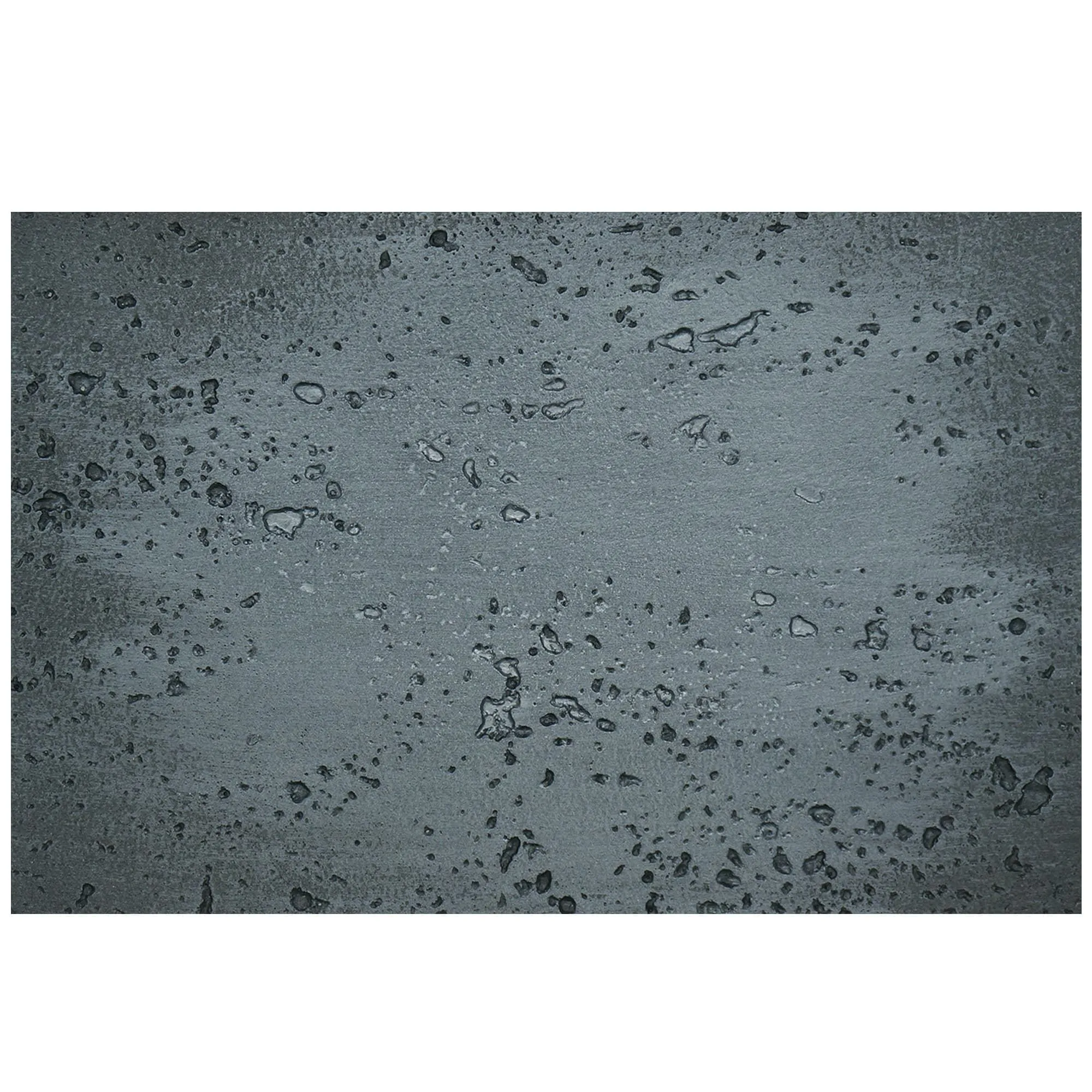
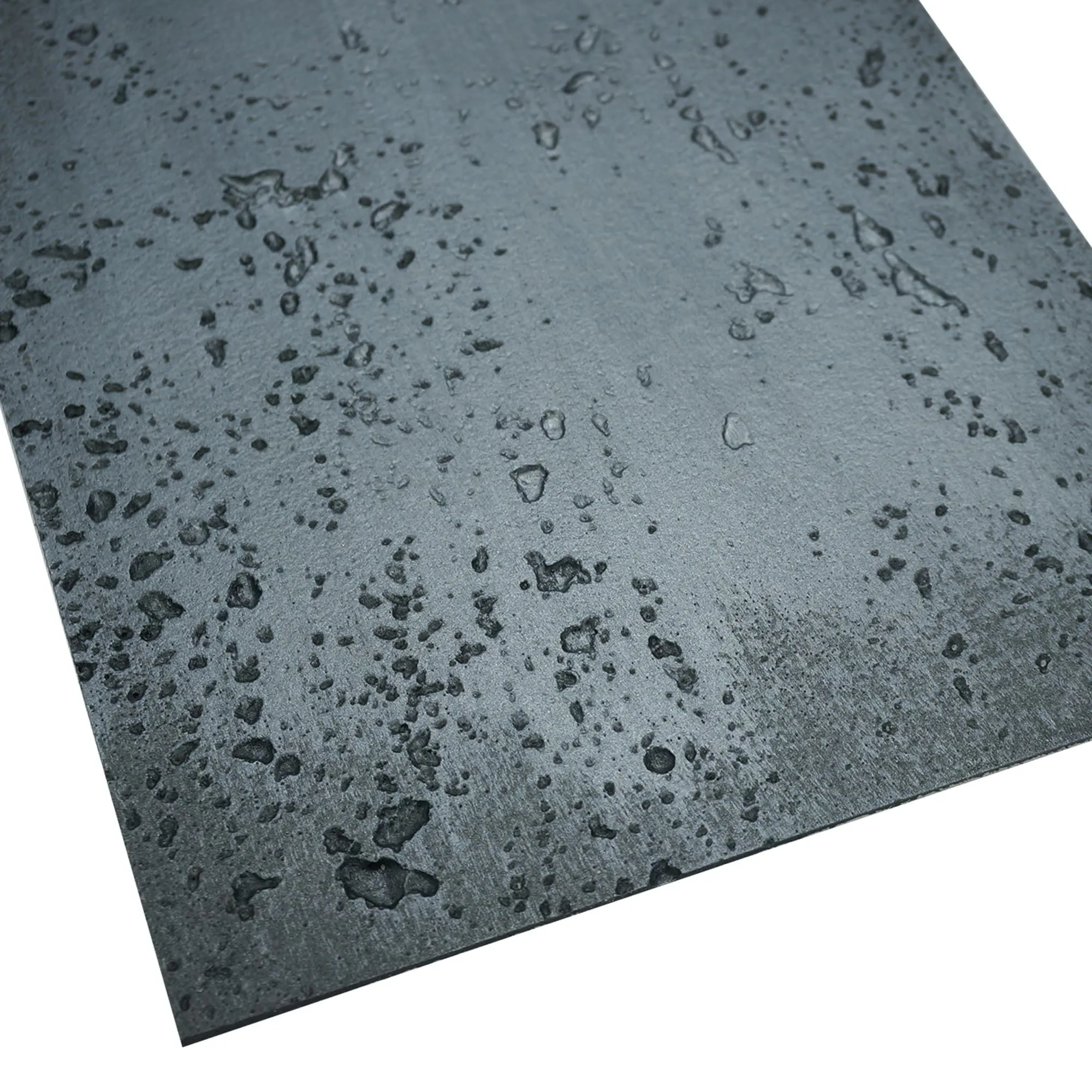
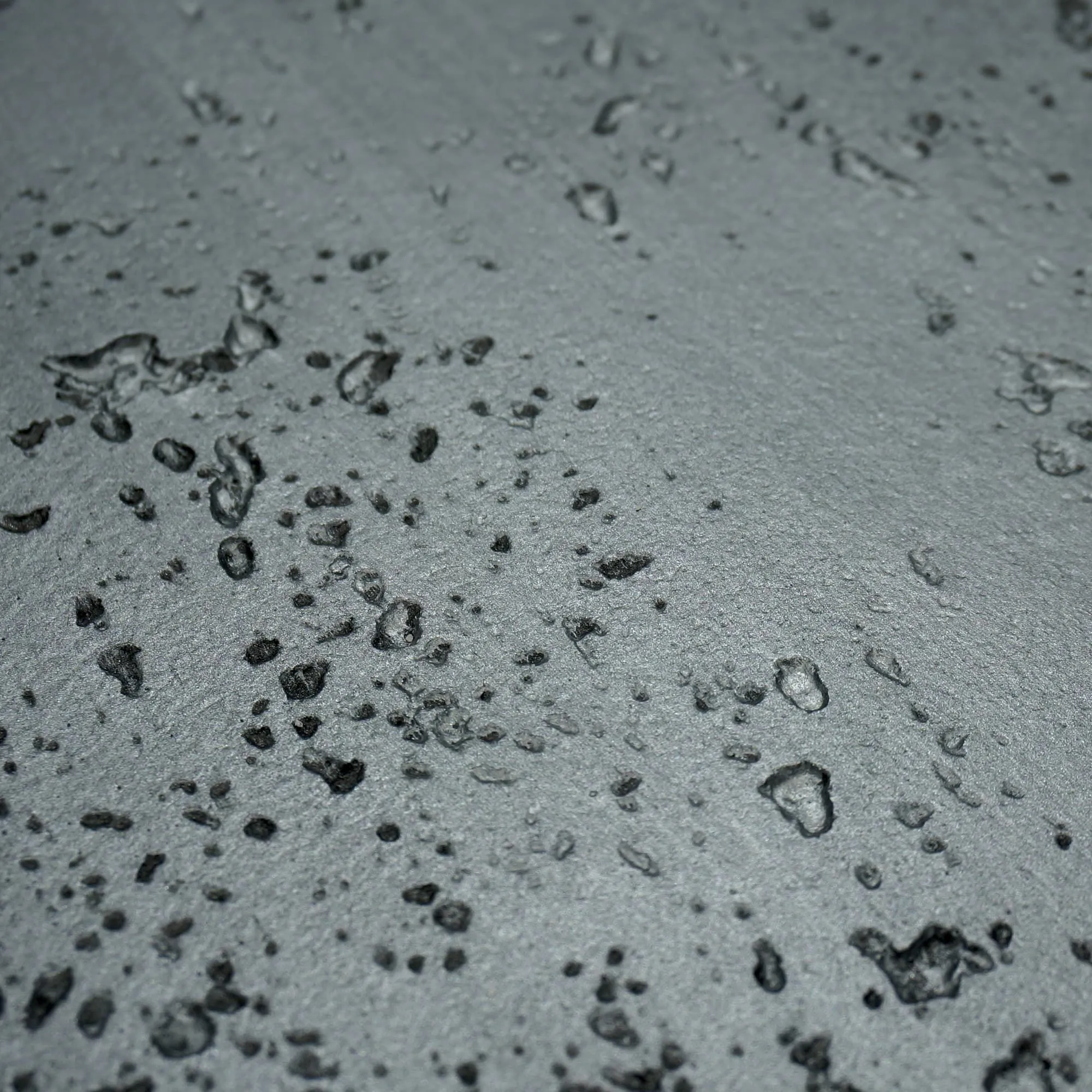
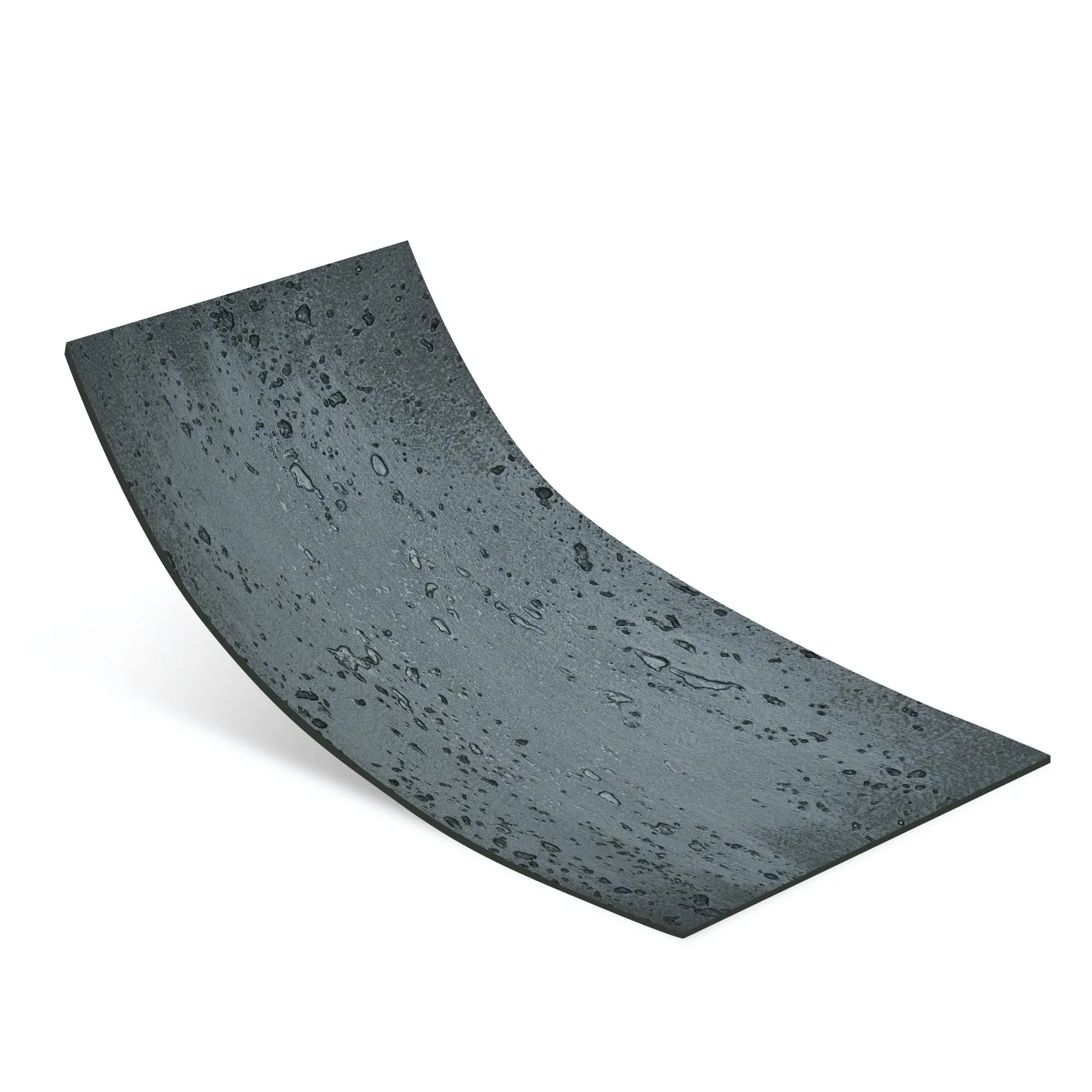
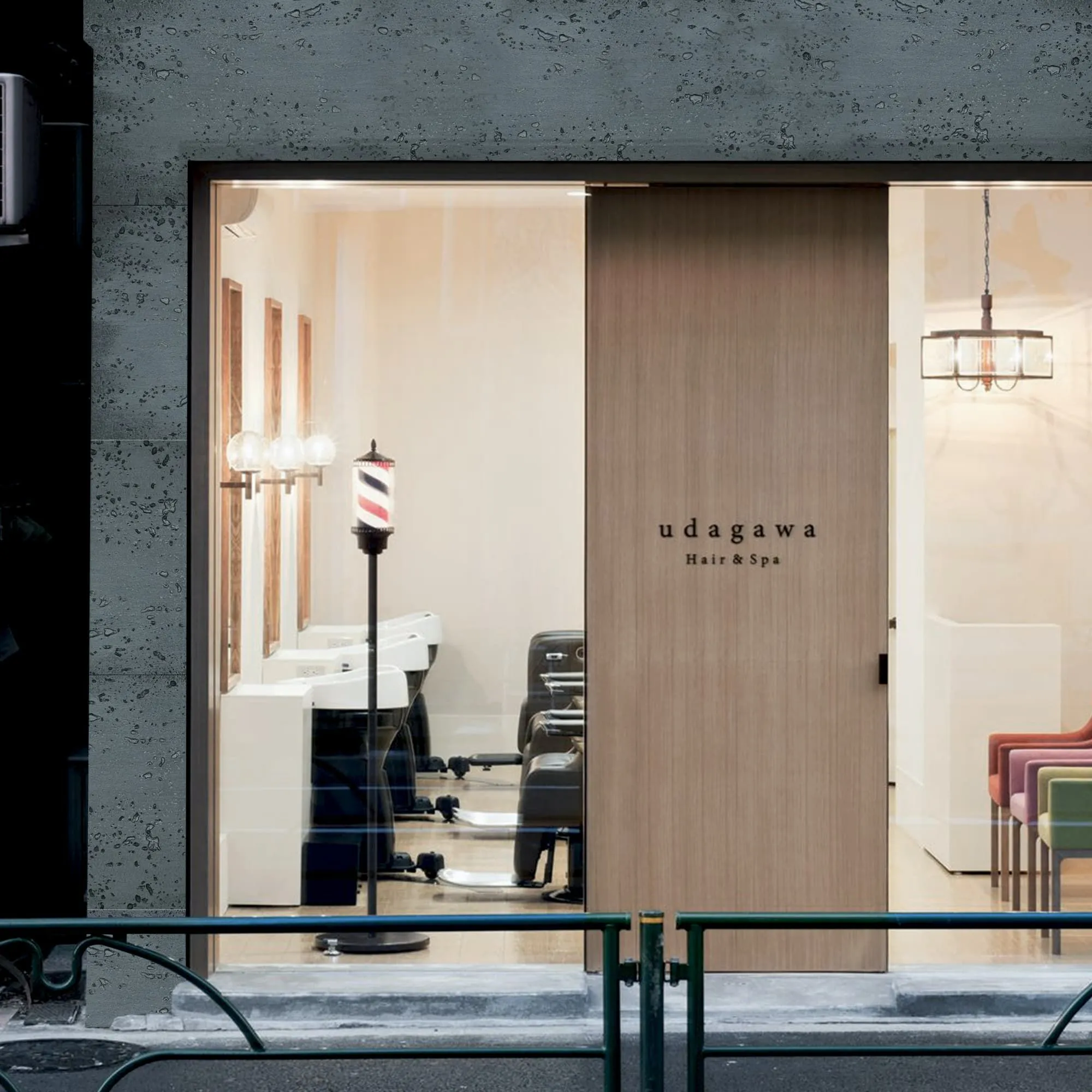
First things first: What makes Travertine (Vintage Silver) so special? Let's start with the basics. Travertine itself is a form of limestone, born from mineral-rich hot springs. Over centuries, layers of calcium carbonate crystallize, trapping bubbles, fossils, and the subtle marks of time—each stone a unique record of the earth's patient work. The "Vintage Silver" variation takes this history and softens it, with a cool, silvery-gray hue that shimmers like moonlight on water, minus the harshness of polished metals. Its surface is gently porous, with tiny indentations and veins that feel like running your hand over a riverbed smoothed by years of currents.
Unlike stark, uniform materials, Travertine (Vintage Silver) has *soul*. It doesn't demand attention; it invites it. Run your fingers across it, and you'll feel the texture shift—smooth in some spots, slightly gritty in others—echoing the way tree bark or river stones feel under touch. Stand back, and its color shifts with the light: warm silver in sunlight, deeper gray in shadow, always grounding the space without overwhelming it. It's the kind of material that makes a room feel lived-in, like it's been part of the landscape for decades, even if it's brand-new.
Pro Tip: When selecting Travertine (Vintage Silver), look for pieces with varying veining. The more "imperfect" the stone—with small pits or uneven color—the more it will feel like a slice of nature, not a manufactured product. These quirks are what make it biophilic gold.
Now, let's get hands-on. How do you take this beautiful stone and turn it into a biophilic star? The key is to treat it as part of a larger ecosystem of materials—one that includes textures, colors, and elements that the natural world. Here are four ways to make it work:
Floors are the foundation of any room, and Travertine (Vintage Silver) here acts like a quiet canvas that lets other natural elements pop. Imagine a living room where the floors are laid with large, unpolished Travertine (Vintage Silver) slabs. The stone's cool tone balances warm wooden furniture (think a oak dining table or a wood grain board bookshelf), while its texture adds depth underfoot—no two steps feel the same. For a modern twist, pair it with fair-faced concrete walls. The concrete's raw, industrial vibe contrasts beautifully with the travertine's organic softness, creating a space that feels both grounded and airy, like a forest clearing with concrete boulders and stone paths.
Don't sleep on smaller spaces, either. A bathroom with Travertine (Vintage Silver) flooring feels like a spa retreat, especially when paired with stream limestone (claybank) accents on the shower walls. The claybank's warm, earthy tone complements the silver-gray, mimicking the way sunlight and shadow play on a riverbed. Add a wooden bath mat and potted ferns, and suddenly you're not just in a bathroom—you're in a quiet canyon oasis.
Walls are where biophilic design can really flex its muscles, and Travertine (Vintage Silver) is a master at adding depth without clutter. A feature wall in a bedroom, for example, can transform the space from ordinary to extraordinary. Lay the stone in a herringbone pattern for subtle movement, or stack it vertically to draw the eye upward, like tree trunks reaching for the sky. The silvery color will reflect soft light, making the room feel larger, while the texture absorbs sound—no more echoey, sterile spaces. Pair this wall with marble interstellar gray shelves (their smooth, starry veining mirroring the travertine's organic marks) and woven baskets for a layered, natural look that's equal parts calm and captivating.
For a more understated approach, use Travertine (Vintage Silver) as wainscoting in a hallway. Paint the upper walls a soft, warm white, and let the stone cover the lower half. It's a nod to classic design, but with a biophilic twist—the stone's texture feels like walking alongside a stone wall in a forest, where moss and lichen might creep up the sides. Add a runner rug with jute fibers, and every step becomes a little journey through nature.
You don't need to overhaul an entire room to let Travertine (Vintage Silver) shine. Smaller accents can be just as powerful. Think a coffee table with a Travertine (Vintage Silver) top: its weight and texture anchor the piece, while the silver hue plays nicely with wooden legs (again, wood grain board works wonders here) and soft, linen cushions in sage green or terracotta. Place a bowl of river stones on top, and suddenly the table isn't just furniture—it's a microcosm of the outdoors.
Or consider a backsplash in the kitchen. Travertine (Vintage Silver) tiles, laid in a subway pattern, add warmth to an otherwise utilitarian space. The stone's porous surface (sealed, of course!) resists stains, and its color hides minor spills, making it as practical as it is pretty. Pair it with lunar peak silvery pendant lights—their metallic finish mirrors the travertine's sheen, while their shape (think smooth, rounded orbs) echoes the stone's organic curves. Add a few potted herbs on the windowsill, and cooking becomes less of a chore and more of a dance with nature.
Biophilic design isn't confined to four walls—and neither is Travertine (Vintage Silver). This stone is surprisingly durable, making it perfect for patios, walkways, or even pool surrounds. Imagine a backyard where a Travertine (Vintage Silver) patio extends from the living room, its surface warmed by the sun during the day and glowing under string lights at night. Pair it with a wooden deck (again, wood grain board for that natural texture) and native plants like lavender and ornamental grasses, and you've created a seamless transition from indoor comfort to outdoor adventure.
For a more dramatic statement, use Travertine (Vintage Silver) in a vertical garden wall. Intersperse the stone with pockets of succulents or trailing ivy, and suddenly the wall becomes a living, breathing tapestry—nature and stone coexisting in perfect harmony. It's a reminder that biophilic design isn't just about bringing nature *in*; it's about letting our built spaces become part of the natural world around them.
No material exists in a vacuum, and Travertine (Vintage Silver) is at its best when it's part of a team. Here's a quick guide to how it plays with other biophilic favorites, in a table that breaks down their strengths and how they complement each other:
| Material | Key Trait | Why They Work Together | Best For |
|---|---|---|---|
| Travertine (Vintage Silver) | Cool, silvery-gray; porous, organic texture | The base—grounding, versatile, and full of natural history | Floors, walls, countertops |
| Fair-Faced Concrete | Raw, industrial; smooth with subtle aggregates | Concrete's uniformity balances travertine's texture; both share a muted palette | Accent walls, fireplace surrounds |
| Wood Grain Board | Warm, tactile; visible grain patterns | Wood's warmth softens travertine's coolness; grain mimics natural growth | Furniture, shelving, ceiling panels |
| Stream Limestone (Claybank) | Warm, earthy beige; layered, sedimentary texture | Claybank's warmth contrasts with silver; both evoke riverbed/stream aesthetics | Shower walls, backsplashes, outdoor paths |
| Marble Interstellar Gray | Smooth, polished; dark gray with white/blue veining | Marble's polish adds elegance; veining mirrors travertine's organic marks | Shelves, accent tables, bathroom vanities |
The magic here is in contrast and connection. Travertine (Vintage Silver) isn't meant to stand alone—it's meant to dance with other materials, each bringing out the best in the other. Think of it as a conversation: the stone tells a story of time and water, the wood speaks of growth and warmth, the concrete whispers of industry softened by nature. Together, they create a space that feels whole, like a patchwork quilt of the earth's best elements.
Biophilic design isn't just about how a space looks—it's about how it *feels*. Travertine (Vintage Silver) excels here, engaging multiple senses to create a truly immersive experience. Let's break it down:
Touch: As mentioned earlier, the stone's porous surface is a tactile delight. It's not cold or slippery; it has a slight grip, like walking on a forest path after rain. Run your hand over it, and you'll notice how it warms up with your touch—a subtle reminder that you're connected to something living, even in a man-made space.
Sight: The silvery-gray color is easy on the eyes, reducing visual fatigue. Its veining and texture create gentle movement, like watching leaves rustle in the wind or water ripple in a pond. Unlike harsh whites or blacks, it reflects light softly, making spaces feel open and calm.
Sound: Travertine (Vintage Silver) absorbs sound, which is a game-changer for busy homes or offices. Footsteps are muffled, voices echo less—suddenly, the space feels quieter, more peaceful, like a forest clearing where the only noise is the rustle of nature.
When you combine these sensory elements with other biophilic touches—like the scent of fresh herbs, the sound of a tabletop fountain, or the sight of sunlight filtering through plants—Travertine (Vintage Silver) becomes more than a material. It becomes a portal, transporting you to a place where the line between indoors and outdoors fades away.
Biophilic design isn't just about aesthetics—it's about honoring the planet that inspires it. Travertine (Vintage Silver) checks this box, too. As a natural stone, it's biodegradable and requires minimal processing compared to synthetic materials. Many quarries now use eco-friendly practices, like reforestation and water recycling, to minimize their impact. Plus, its durability means it lasts for decades (even centuries, in some cases), reducing the need for frequent replacements. When paired with other sustainable materials—like FSC-certified wood grain board or low-VOC sealants—you're not just creating a beautiful space; you're creating one that respects the earth's limits.
In the end, incorporating Travertine (Vintage Silver) into biophilic design is about more than choosing a pretty stone. It's about remembering that we're part of nature, not separate from it. This material—with its history, texture, and quiet beauty—reminds us of that connection every day. Whether you're designing a home, an office, or a public space, let Travertine (Vintage Silver) be your guide. Let it ground you, calm you, and inspire you to see the beauty in imperfection, in the marks of time, and in the simple, wonderful act of being part of the natural world.
So go ahead—touch it, live with it, let it tell its story. Your space (and your soul) will thank you.
Recommend Products












