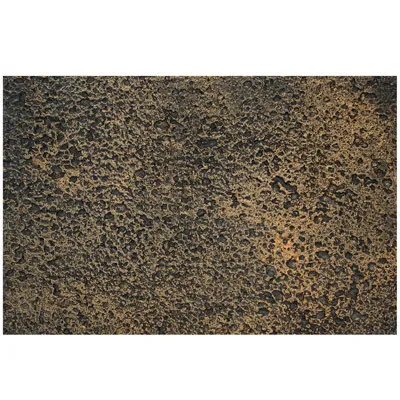
Alright, let's dive into something a bit specialized and super cool: getting those stunning Foamed Aluminium Alloy Boards, especially in that gorgeous Vintage Gold finish, onto exterior curved surfaces. This isn't your average DIY project, but with the right approach and the right materials – like those provided by
COLORIA GROUP
, a true leader in **one-stop architectural material solutions** – you can achieve some truly breathtaking architectural features. We're talking about making buildings look less like rigid boxes and more like flowing, artistic structures. So, grab a coffee, and let's break down how this magic happens.
Installing facade materials on curved surfaces is always a bit of a challenge, right? It demands precision, flexibility, and a deep understanding of the materials you're working with. Traditional materials often fall short, struggling to conform to complex shapes without cracking, warping, or requiring extensive, costly customization. That's where advanced materials, like our Foamed Aluminium Alloy Board, really shine. They offer a unique blend of rigidity and adaptability that makes them ideal for these ambitious designs, especially when you're aiming for that premium, Vintage Gold aesthetic that really pops.
Why Foamed Aluminium Alloy Board for Curved Surfaces?
Before we jump into the "how-to," let's quickly chat about "why." Why are we even bothering with Foamed Aluminium Alloy Boards for curves? Good question!
Lightweight Champion
First off, these boards are surprisingly light. When you're cladding a large, curved structure, weight adds up fast. Lighter materials mean less strain on the building's frame, potentially simpler support structures, and easier handling during installation. It's a win-win for both the engineers and the installation crew.
Formability (The Magic Word!)
This is key for curved surfaces. While not as flexible as, say, a sheet of paper, Foamed Aluminium Alloy can be custom-fabricated and pre-formed to specific radii. This pre-forming process is critical for achieving smooth, seamless curves without ugly kinks or stress points. COLORIA GROUP, with its extensive experience, understands the nuances of this process, ensuring that the boards arrive ready for their complex destination.
Durability That Lasts
Exterior surfaces take a beating from the elements. Rain, sun, wind, temperature swings – you name it. Aluminium alloy is inherently resistant to corrosion, and the foamed structure adds another layer of strength and insulation. This means your beautiful Vintage Gold finish isn't just for show; it's going to stand the test of time, looking good for years to come.
Stunning Aesthetics (Hello, Vintage Gold!)
Let's be honest, the look matters a lot, especially for a premium finish like Vintage Gold. This particular finish isn't just a color; it's a statement. It evokes a sense of timeless elegance, luxury, and sophistication. On a curved surface, the way light plays across that metallic sheen can be absolutely mesmerizing, turning a building into a piece of art. COLORIA GROUP prides itself on delivering not just materials, but aesthetic excellence.
Sustainability Credentials
In today's world, everyone's thinking green. Aluminium is highly recyclable, and the foamed structure can contribute to better thermal insulation, potentially reducing energy consumption. It aligns perfectly with the growing demand for **green building materials** and sustainable architectural practices, something COLORIA GROUP is very much committed to.
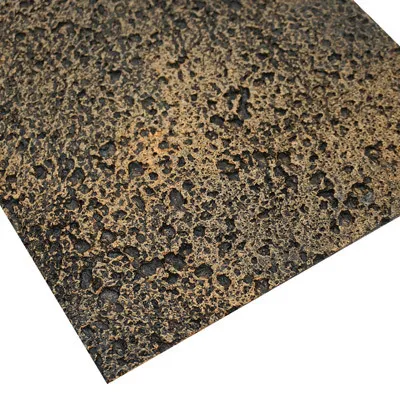
Pre-Installation Checklist: Getting Everything Right from the Start
You know the drill: failing to prepare is preparing to fail. This is even more true for complex installations on curved surfaces. Here's what you need to lock down before anyone even thinks about lifting a board.
1. Detailed Design and Engineering
-
Digital Modeling:
This isn't the time for guesswork. Sophisticated 3D modeling (BIM, CAD) is essential. Every curve, every joint, every panel dimension needs to be precisely mapped out. This allows for accurate pre-fabrication.
-
Structural Analysis:
How will the curved facade interact with the building's primary structure? Wind loads, thermal expansion, seismic considerations – these must all be rigorously analyzed.
-
Panel Layout Optimization:
The goal is to minimize waste and maximize aesthetic continuity. Intelligent panel sizing and placement are crucial for a smooth, cohesive look. COLORIA GROUP often works closely with project teams at this stage to ensure optimal material use and design integration, leveraging our expertise as a **one-stop architectural material solutions** provider.
2. Material Specification & Sourcing (This is where COLORIA GROUP shines!)
-
Foamed Aluminium Alloy Board:
Clearly specify the thickness, grade of alloy, and crucially, the Vintage Gold finish. Ensure consistency across all batches.
-
Sub-structure Components:
What will the boards attach to? This often involves a custom-fabricated aluminum or steel framing system designed to match the curve. All brackets, clips, and fasteners must be corrosion-resistant and compatible with the main material.
-
Sealants and Gaskets:
For weatherproofing and expansion joints. These need to be flexible, UV-resistant, and compatible with the board's finish.
-
Insulation:
If the facade is part of the thermal envelope, specify appropriate insulation materials that can also conform to the curve.
Pro Tip:
When working with a supplier like COLORIA GROUP, you're not just buying materials; you're gaining a partner. Their expertise in various **MCM product series** and other architectural materials means they can advise on the best fit for your specific curved project, ensuring you get the right materials for the job, perfectly tailored.
3. Fabrication and Pre-forming
This is where the magic of "flexible" aluminium really comes into play for curved surfaces. Foamed Aluminium Alloy Boards are typically manufactured flat, but for curved applications, they undergo a specialized pre-forming process in the factory. This involves:
-
Rolling:
For large, gentle curves, boards can be rolled to a specific radius.
-
Bending/Pressing:
For tighter curves or more complex shapes, specialized bending machinery is used.
-
Custom Panel Cutting:
Each panel might be uniquely shaped and dimensioned to fit a specific segment of the curve, often using CNC (Computer Numerical Control) machines for ultimate precision. This is why the 3D modeling from step 1 is so vital!
COLORIA GROUP works with state-of-the-art facilities to ensure that every Foamed Aluminium Alloy Board, especially those intended for complex geometries like our **MCM Project Board Series** for large-scale engineering, is precisely pre-formed and cut to the exact specifications of your project. This minimizes on-site work, reduces errors, and speeds up installation.
4. Site Preparation
-
Surface Readiness:
The underlying structure needs to be clean, dry, and structurally sound. Any inconsistencies will telegraph through the facade.
-
Access Equipment:
Scaffolding, aerial work platforms, or specialized rigging might be needed. For curved facades, these can be more complex to set up.
-
Weather Protection:
Especially for exterior installations, have a plan for managing weather disruptions (wind, rain, extreme temperatures).
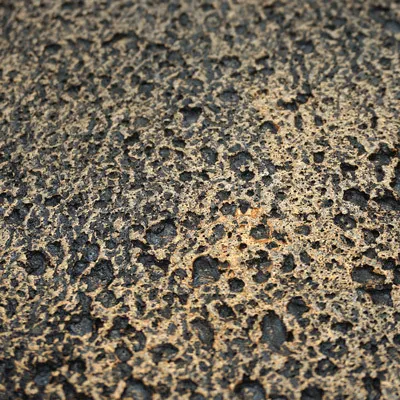
Installation Steps: Bringing the Vintage Gold Curves to Life
Okay, the planning is done, the materials are on site, and everyone's ready. Let's walk through the installation process step-by-step. Remember, safety first, always!
Phase 1: Installing the Sub-structure
The sub-structure is the unsung hero of any curved facade. It's the skeleton that gives form and support to your beautiful Foamed Aluminium Alloy skin.
-
Marking Out:
Using laser levels, string lines, and the detailed shop drawings, accurately mark the positions of the primary and secondary sub-frame components on the building's main structure. Accuracy here is paramount, as any deviation will affect the curve.
-
Primary Supports:
Install the main vertical and/or horizontal support rails. These are typically aluminum or galvanized steel profiles. For curved surfaces, these rails might themselves be pre-curved or consist of segmented sections that approximate the curve. These need to be robustly anchored to the building structure, accounting for thermal expansion.
-
Secondary Framing/Brackets:
Attach the secondary framing elements or brackets that will directly receive the Foamed Aluminium Alloy Boards. These components are often custom-fabricated to match the precise curve and provide adjustability for fine-tuning. Spacing is critical to ensure proper support for each panel.
-
Insulation and Vapour Barrier (If applicable):
Before cladding, install any required insulation and vapour barriers behind the sub-frame. Ensure these materials are cut and fitted neatly to follow the curve, preventing thermal bridging and moisture ingress.
-
Quality Control Check:
Before moving to the next phase, conduct a thorough check of the entire sub-structure. Use surveying equipment to confirm that all elements are perfectly aligned to the designed curve and within tolerance. This step is non-negotiable.
Phase 2: Preparing and Handling Foamed Aluminium Alloy Boards
Even though they are tough, these panels need respectful handling to maintain their pristine Vintage Gold finish and precise dimensions.
-
Unpacking and Inspection:
Carefully unpack the pre-formed Foamed Aluminium Alloy Boards. Inspect each panel for any damage during transit or fabrication. Verify that panel numbers or identifiers match the shop drawings.
-
Protective Film:
Many panels come with a temporary protective film. Keep this film on for as long as possible during installation to prevent scratches, but ensure edges are exposed for proper joining and sealing.
-
Staging:
Organize panels in the installation sequence close to the working area. For curved surfaces, this often means specific panels for specific sections.
-
Lifting and Positioning:
Use appropriate lifting equipment (e.g., suction cups, hoists with soft slings) to move panels into position. Avoid dragging or dropping panels.
Phase 3: Installing the Foamed Aluminium Alloy Boards
This is where your vision truly starts to take shape.
-
Starting Point:
Typically, installation begins from a designated corner or a specific datum line, often from the bottom up, working symmetrically outwards if possible. Follow the project's specific installation sequence.
-
First Panel Placement:
Carefully align the first pre-formed Foamed Aluminium Alloy Board with the sub-structure. Ensure it's level, plumb (if vertical), and perfectly aligned with the marked references.
-
Fixing Method:
Foamed Aluminium Alloy Boards can be fixed using various methods, often a combination of:
-
Mechanical Fasteners (e.g., screws, rivets):
These are typically concealed within the joint or behind the panel where possible. For curved panels, the fastener points must be meticulously planned to avoid stressing the material.
-
Clip Systems:
Many modern facade systems use specialized clips that attach to the sub-structure and grip the edges or back of the panels, allowing for thermal expansion and contraction while keeping fasteners hidden.
-
Adhesive Systems:
High-strength structural adhesives might be used in conjunction with mechanical fasteners, particularly for large or complex curved panels, to provide additional bonding strength and a smooth finish. Ensure the adhesive is rated for exterior use and compatible with both the panel and sub-structure.
For Vintage Gold finishes, concealed fixing methods are preferred to maintain the sleek aesthetic. COLORIA GROUP can advise on the best fixing system for their panels and your project's specific requirements, leveraging their experience in **MCM Big Slab Board Series** installations.
-
Joint Alignment:
As each subsequent panel is installed, pay obsessive attention to the joints. For curved surfaces, these joints might be perfectly straight or gently curved themselves. Maintain consistent joint width as per the design specifications.
-
Expansion Joints:
Crucially, incorporate expansion joints at regular intervals or as specified by the engineer. These allow the material to expand and contract with temperature changes without causing buckling or stress. For curved surfaces, these joints need careful design to maintain the aesthetic flow.
-
Sealing:
Once panels are in place, apply weather-resistant sealants to all joints and penetrations. Use high-quality, UV-stable sealants that match the aesthetic of the Vintage Gold finish or are designed to be paintable if needed. The aim is a watertight and airtight facade.
-
Continuous Monitoring:
Regularly check the alignment and plumb of the installed panels. Use levels, plumb bobs, and even laser scanners to ensure the curve is smooth and consistent across the entire installation.
Phase 4: Detailing and Finishing Touches
The details make all the difference, especially on a premium curved facade.
-
Corner Details:
For internal and external corners on curved facades, custom corner pieces are often fabricated or panels are carefully mitered and joined. These must blend seamlessly with the main panels.
-
Window and Door Openings:
Ensure precise trimming and flashing around all openings. The Foamed Aluminium Alloy Board should integrate cleanly with window/door frames to maintain weather tightness and aesthetic continuity.
-
Perimeter Finishes:
Finish the top, bottom, and side perimeters of the facade neatly, typically with custom trim pieces or flashings that cap the system.
-
Clean-up:
Once installation is complete, carefully remove all protective films from the panels. Clean any residue from sealants or adhesives immediately.
-
Final Inspection:
Conduct a comprehensive visual and functional inspection. Check for any imperfections, loose fastenings, or gaps in sealing. Rectify any issues promptly.
Key Takeaway:
Installing Foamed Aluminium Alloy Boards on curved exterior surfaces is a masterclass in precision and material engineering. It's about combining advanced materials with meticulous planning and skilled execution. This is where a partner like COLORIA GROUP, with their focus on delivering **MCM (Modified Cementitious Material) series products** and comprehensive support, becomes indispensable. They understand these complex requirements from design to delivery.
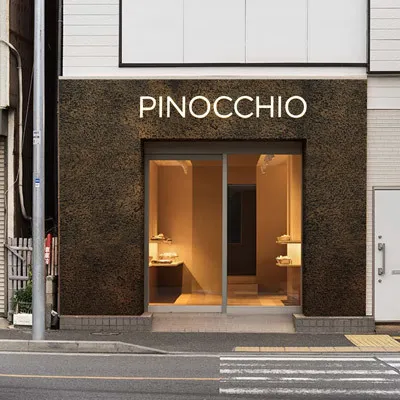
Common Challenges & How to Overcome Them on Curved Surfaces
No complex project is without its hurdles. Being aware of potential pitfalls can help you navigate them smoothly.
1. Achieving Perfect Radii and Smoothness
-
Challenge:
Slight variations in pre-forming or installation can lead to an uneven or "bumpy" curve, ruining the visual impact of the Vintage Gold finish.
-
Solution:
Rely heavily on advanced digital fabrication and pre-forming by a reputable supplier like COLORIA GROUP. On-site, use laser scanning and 3D surveying tools to continuously verify the curve against the design model. Ensure the sub-structure is perfectly aligned before panel installation.
2. Thermal Expansion and Contraction
-
Challenge:
Aluminium expands and contracts significantly with temperature changes. Without proper accommodation, this can lead to buckling, warping, or fastener failure.
-
Solution:
Implement well-designed expansion joints at regular intervals. Use appropriate fastening systems (e.g., slotted holes, floating clips) that allow for movement. Consult with structural engineers and material suppliers (like COLORIA GROUP) to calculate required joint widths based on regional temperature ranges.
3. Water Management and Weatherproofing
-
Challenge:
Curved surfaces can be tricky for drainage. Water needs to be directed away from the building, and all joints must be watertight.
-
Solution:
Design a robust rainscreen system with a ventilated cavity behind the panels. Ensure all joints are properly sealed with high-quality, flexible, and UV-resistant sealants. Pay special attention to transitions at windows, doors, and rooflines, using appropriate flashing details.
4. Panel Handling and Damage Prevention
-
Challenge:
Large, pre-formed panels, especially with a delicate finish like Vintage Gold, are susceptible to scratches, dents, and edge damage during transport and installation.
-
Solution:
Use proper packaging and transport methods. Keep protective films on as long as possible. Train installation teams in safe handling techniques, using appropriate lifting gear and soft contact points. Implement clear staging areas to minimize movement of panels.
5. On-site Adjustments and Customization
-
Challenge:
Despite the best planning, unforeseen site conditions or minor design tweaks might require on-site cutting or modification of panels.
-
Solution:
Minimize on-site modifications through meticulous pre-fabrication. However, have the right tools (e.g., precision saws with fine-tooth blades for aluminium, edge deburrers) and skilled personnel on hand for necessary adjustments. Ensure any cuts are treated to maintain corrosion resistance and match the finish as closely as possible (e.g., using touch-up paints if necessary, though ideally avoided for Vintage Gold).
The COLORIA GROUP Advantage: Your Partner in Architectural Excellence
Navigating the complexities of a curved facade project, especially with premium materials like Vintage Gold Foamed Aluminium Alloy, requires more than just a material supplier. You need a partner who understands the entire lifecycle of a project, from initial concept to final installation. This is precisely where COLORIA GROUP positions itself as a leader.
Expertise in **One-Stop Architectural Material Solutions**
COLORIA GROUP isn't just selling panels; they're providing comprehensive solutions. With decades of industry experience, they have the know-how to assist architects, contractors, and developers at every stage. This means:
-
Consultation:
Early engagement to select the most suitable materials and finishes, ensuring compatibility with the design and structural requirements. They can guide you through the intricacies of various material options, including their diverse **MCM product series** and other specialized offerings.
-
Custom Fabrication:
Their capabilities extend to precise pre-forming, cutting, and customization of Foamed Aluminium Alloy Boards to perfectly match complex curved designs. This reduces on-site effort and increases accuracy.
-
Logistics and Supply Chain:
With a global reach and agency in Saudi Arabia, COLORIA GROUP ensures timely and efficient delivery of materials, critical for keeping large-scale projects on schedule.
-
Technical Support:
Providing detailed installation guides, best practice recommendations, and on-site technical assistance when needed.
A Focus on **MCM (Modified Cementitious Material) Series Products** and Innovation
While we're talking about Foamed Aluminium Alloy Boards today, it's worth noting COLORIA GROUP's deep expertise in **MCM product series**. This commitment to innovative, sustainable, and versatile materials underscores their leadership in the architectural sector. Their MCM range, which includes flexible stone, large slab boards, and even 3D printing series, demonstrates a forward-thinking approach to architectural design and construction. This broader material knowledge often informs their solutions for other advanced materials, ensuring a holistic understanding of building envelope performance.
Commitment to Quality and Aesthetics
For a finish as distinctive as Vintage Gold, quality is paramount. COLORIA GROUP maintains stringent quality control standards throughout the manufacturing process, ensuring consistency in color, texture, and physical properties. They understand that the aesthetic impact of a facade is not just about the design, but about the flawless execution of that design with superior materials.
Choosing the right material supplier is as crucial as choosing the right material itself. With COLORIA GROUP, you're investing in a partner whose experience, innovation, and dedication to quality will ensure your curved facade project, adorned in Vintage Gold Foamed Aluminium Alloy Board, stands as a testament to architectural excellence.
Looking Ahead: The Future of Curved Facades with COLORIA GROUP
The demand for innovative architectural forms is only growing. Architects are continuously pushing the boundaries of what's possible, moving away from conventional rectilinear structures towards more organic, fluid designs. Curved facades are no longer a niche; they are becoming a prominent feature in modern urban landscapes, adding dynamism and character to buildings worldwide.
Materials like Foamed Aluminium Alloy Boards, especially when paired with a luxurious finish like Vintage Gold, are at the forefront of this architectural evolution. They offer the perfect balance of aesthetic appeal, structural integrity, and formability required for these ambitious projects. And with companies like COLORIA GROUP leading the charge in providing **one-stop architectural material solutions**, the future of building design looks incredibly exciting.
Whether it's a towering skyscraper with undulating curves, a boutique hotel with a flowing facade, or a civic building designed to harmonize with its natural surroundings, the ability to clad these structures effectively and beautifully is paramount. COLORIA GROUP's commitment to cutting-edge materials, their extensive experience in varied **MCM product series** applications, and their global service network ensures that they are well-equipped to support the next generation of architectural masterpieces.
So, if you're envisioning a project that calls for the elegance of Vintage Gold on a gracefully curved exterior, remember that the technical challenges are entirely surmountable with the right planning, the right materials, and the right partner. The result won't just be a building; it will be a landmark, a sculptured form that captivates and inspires for decades to come.
It's about turning complex visions into tangible realities, and that's precisely what we aim for at COLORIA GROUP. We're here to help you build not just structures, but legacies.
|
Aspect
|
Considerations for Curved Exterior Installation
|
COLORIA GROUP's Role/Advantage
|
|
Design & Engineering
|
Requires precise 3D modeling, structural analysis for wind loads, thermal movement, and optimal panel layout.
|
Offers consultation, expertise in material properties for complex geometries, and custom fabrication support.
|
|
Material Selection
|
Foamed Aluminium Alloy Board (Vintage Gold) for formability, durability, and aesthetics. Compatibility of fasteners, sealants.
|
Provider of high-quality Foamed Aluminium Alloy Boards; expertise in **one-stop architectural material solutions**, including diverse finishes and **MCM product series**.
|
|
Fabrication
|
Specialized pre-forming (rolling/bending) and CNC cutting to match specific radii and panel shapes.
|
Advanced manufacturing capabilities for precise pre-fabrication, reducing on-site work and ensuring fit.
|
|
Sub-structure
|
Custom-fabricated, often segmented or pre-curved, to accurately support the facade panels. Must allow for adjustment.
|
Advises on compatible sub-structure systems, ensuring integration with their materials.
|
|
Installation Process
|
Meticulous alignment, precise joint management, integration of expansion joints, and robust weather sealing.
|
Provides detailed technical guidance, best practice recommendations, and on-site support to ensure flawless execution.
|
|
Challenges
|
Achieving perfect curves, managing thermal expansion, effective water drainage, preventing damage to premium finishes.
|
Leverages decades of experience to foresee and mitigate issues, providing solutions tailored to project specifics and leveraging their global project experience (e.g., in Saudi Arabia).
|
|
Sustainability
|
Use of recyclable materials, contribution to thermal performance, consideration of material lifecycle.
|
Committed to providing sustainable building materials, including their **MCM (Modified Cementitious Material) series products** known for green properties.
|