
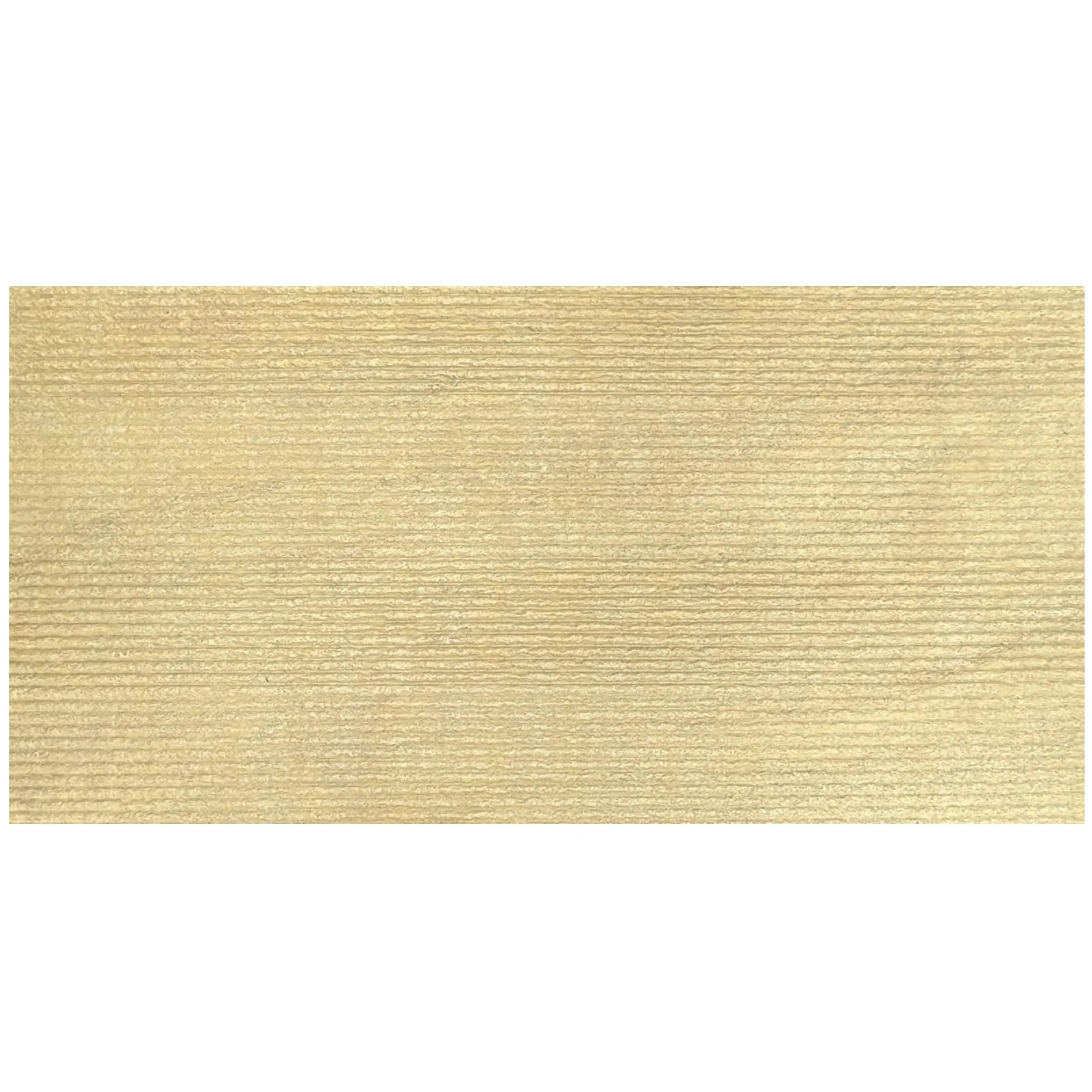
Installing stone veneer on uneven walls has traditionally been a challenging task for builders and homeowners alike. The surface irregularities can lead to poor adhesion, uneven finishes, and costly repairs. However, with the advancement of MCM flexible stone technology, addressing these challenges has become significantly more manageable. This guide walks you through the complete process of installing Gravel Omani Stone on uneven wall surfaces, ensuring a professional and durable finish.
Uneven walls present several obstacles when applying stone cladding. Surface irregularities create air pockets behind traditional stone panels, which can trap moisture and weaken the installation over time. Conventional heavy stone materials also place significant stress on the wall structure, potentially causing cracks or even detachment in extreme cases.
Furthermore, achieving a uniform appearance on an irregular surface requires extensive preparation work, including leveling compounds and mechanical adjustments. This not only increases labor costs but also extends project timelines considerably.
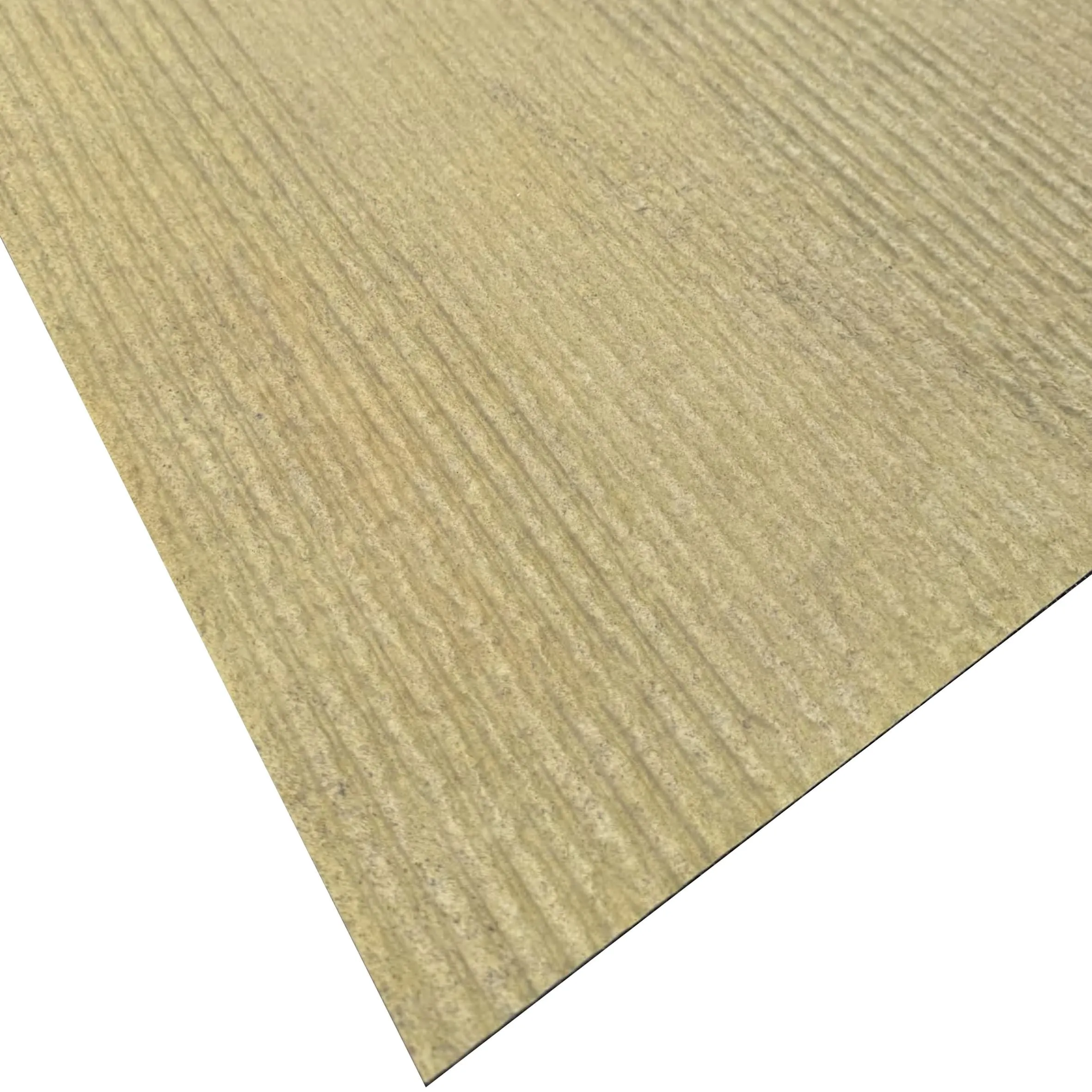
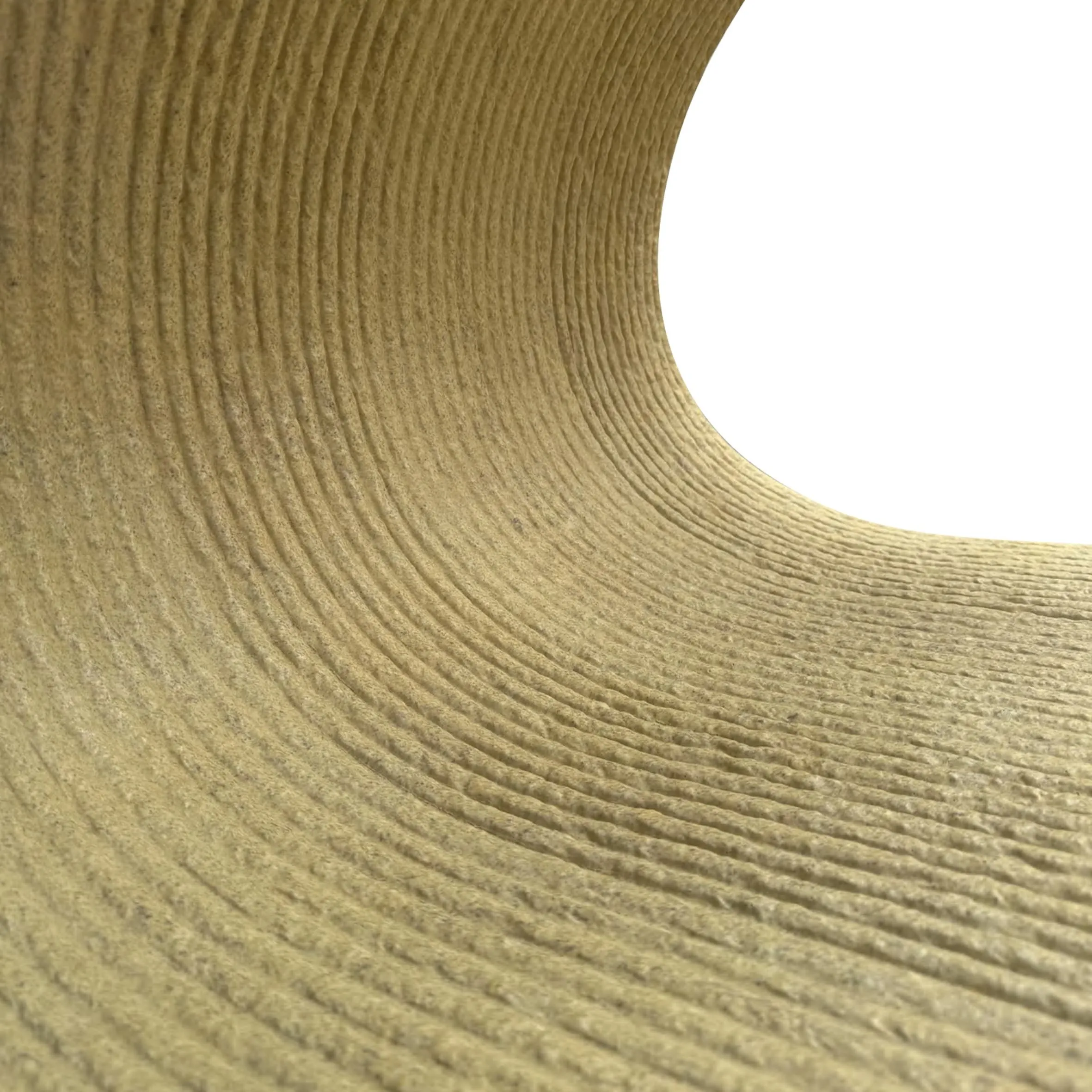
Flexible stone panels manufactured using Modified Clay Materials (MCM) technology offer distinct advantages over traditional stone veneer when working with irregular surfaces. Their inherent flexibility allows them to conform to minor surface variations without compromising structural integrity or aesthetic appeal.
The lightweight nature of Gravel Omani Stone significantly reduces the load on wall structures compared to natural stone alternatives. This characteristic makes installation safer and eliminates the need for extensive mechanical reinforcement in most applications. Additionally, the material's breathability helps prevent moisture buildup, a common concern with traditional cladding systems.
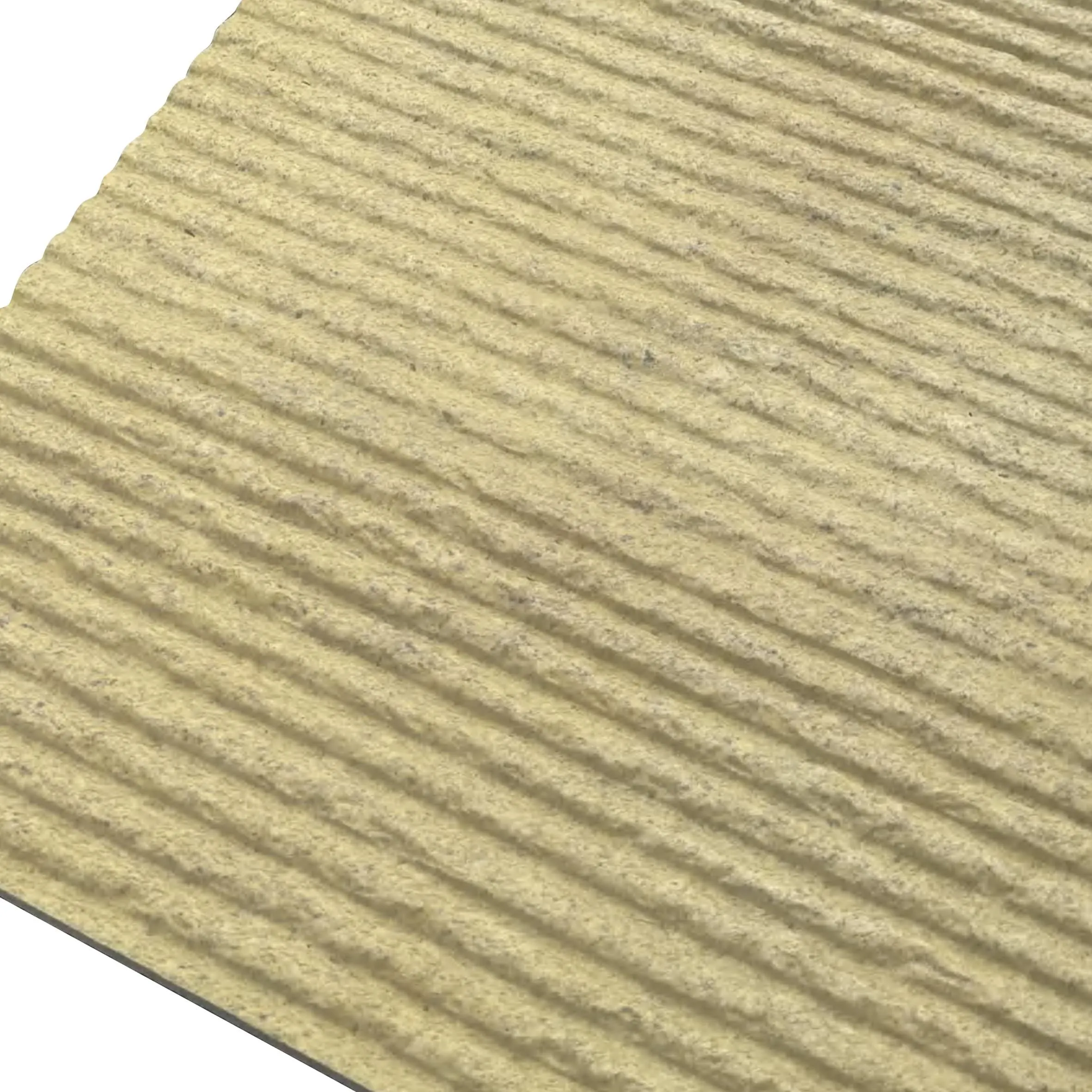
Begin by thoroughly evaluating the wall condition. Remove all loose particles, dust, and contaminants using a stiff brush and appropriate cleaning solutions. For walls with oil stains or grease marks, use a degreaser to ensure proper adhesion. The surface should be structurally sound and free from any materials that could interfere with bonding.
While MCM flexible stone panels can accommodate minor surface variations, significant irregularities should be addressed. Apply a suitable repair mortar or leveling compound to fill deep cavities and smooth pronounced bumps. Allow adequate curing time as specified by the product manufacturer before proceeding.
Apply a compatible primer or bonding agent to enhance adhesion between the wall substrate and adhesive. This step is particularly important for porous surfaces or walls that have been previously painted. Allow the primer to dry completely according to manufacturer instructions.
Prepare the adhesive according to manufacturer specifications. Using a notched trowel, apply the adhesive to the wall surface in manageable sections. Working on the wall rather than applying adhesive to individual panels provides better control over coverage thickness. Ensure consistent adhesive thickness across the application area.
Press each panel firmly into the adhesive bed, ensuring full contact across the panel surface. For uneven wall sections, the flexible nature of Gravel Omani Stone allows it to conform to surface contours while maintaining proper adhesion. Use spacers to maintain consistent joint widths between panels.
Work from bottom to top when installing on vertical surfaces, periodically checking alignment with a spirit level. For areas requiring cuts, use appropriate cutting tools designed for MCM materials. The lightweight panels are easy to handle and position, reducing installation fatigue compared to traditional stone.
Once the adhesive has set according to the manufacturer's recommended curing time, proceed with joint filling. Apply grout using a suitable applicator, ensuring complete filling of all joints. Remove excess grout from the stone surface before it fully hardens to maintain the natural appearance of the finish.
After the installation has fully cured, conduct a thorough inspection of all panels. Check for proper alignment, secure bonding, and uniform joint appearance. Clean the surface using a pH-neutral cleaner to remove any remaining residue and bring out the natural texture of the stone.
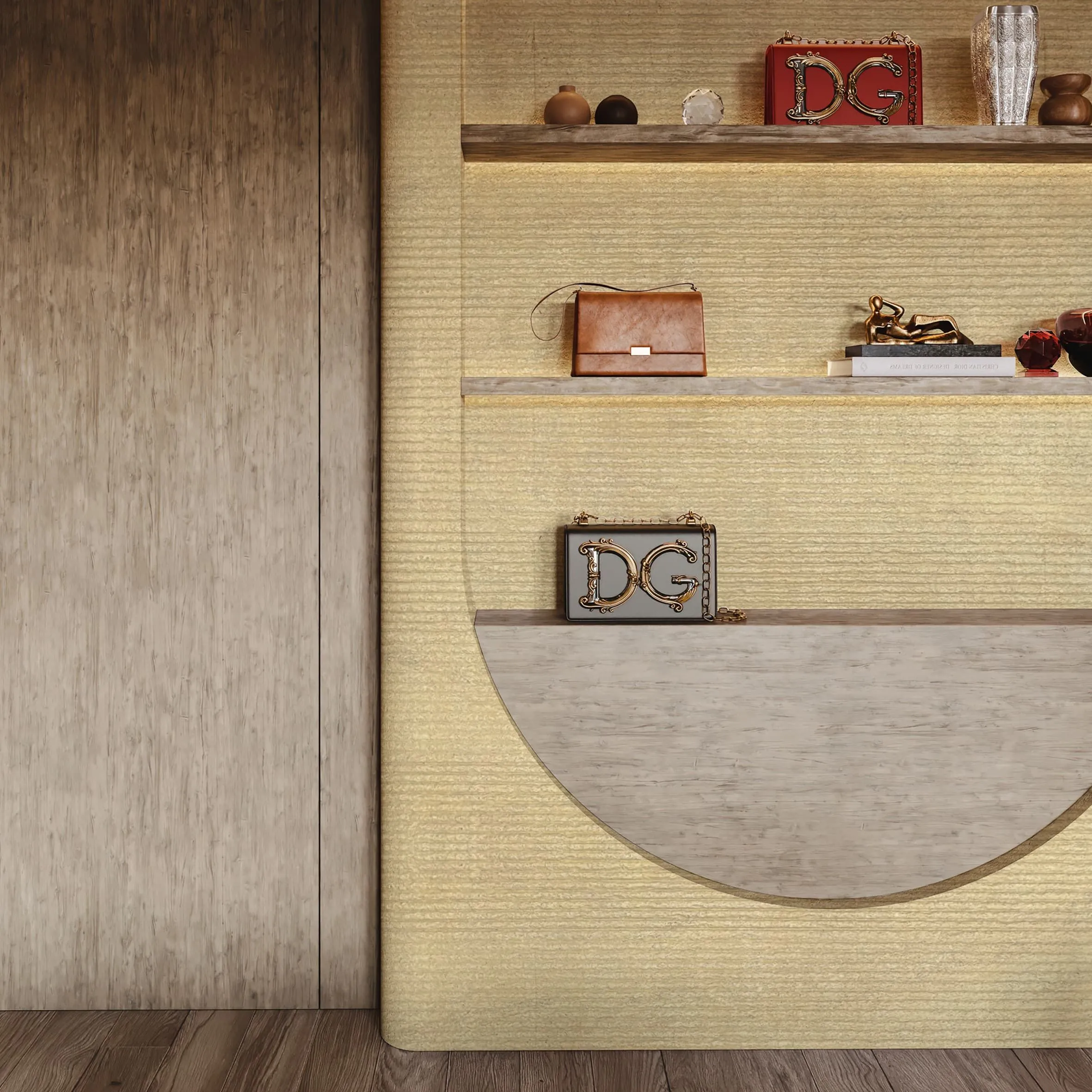
Several common errors can compromise the quality and longevity of your installation. Applying panels to surfaces that have not been properly cleaned will result in poor adhesion. Insufficient adhesive coverage creates air pockets that can lead to panel detachment over time. Rushing through joint filling without proper cleaning can mar the finish appearance.
Another frequent mistake involves using incompatible adhesives or primers. Always verify material compatibility before application. Additionally, neglecting to allow adequate curing time for adhesives and grouts can weaken the overall installation strength.
Proper maintenance ensures long-lasting performance of your stone cladding. Schedule regular inspections to identify any loose panels or deteriorating joints early. Clean surfaces periodically using mild, pH-neutral cleaners that preserve the natural stone appearance. Avoid harsh chemicals or abrasive cleaning tools that could damage the surface texture.
For exterior applications, check sealant conditions periodically and reapply as needed to maintain weather resistance. The inherent durability of MCM materials reduces maintenance frequency compared to traditional stone veneer, but proper care still extends service life significantly.
Installing Gravel Omani Stone on uneven walls becomes a straightforward process when using MCM flexible stone technology. The material's ability to conform to surface irregularities, combined with its lightweight properties, addresses the primary challenges that make traditional stone installation on uneven surfaces difficult. By following proper preparation and installation procedures, you can achieve a professional finish that enhances both the aesthetics and value of your property.
For projects requiring high-quality building materials solutions, Coloria Group offers comprehensive support and product expertise. Their range of flexible stone panels provides versatile options for various architectural applications, ensuring reliable performance across diverse installation conditions.
Recommend Products












