

Industrial-style interiors have a way of making a room feel grounded, honest, and quietly dramatic. Exposed pipes, dark metal fixtures, raw concrete, and weathered textures all work together to create a space that feels built rather than decorated. The challenge is finding a cladding material that delivers that rugged, aged look without the weight, cost, and installation headaches of real stone. That is exactly where rust board granite comes in. This MCM flexible stone panel gives you the visual depth of weathered granite with a lightweight, flexible format that is far easier to work with. In this guide, we walk through the full installation process, from surface preparation to the final finish, so you can bring that industrial character into your own interior with confidence.
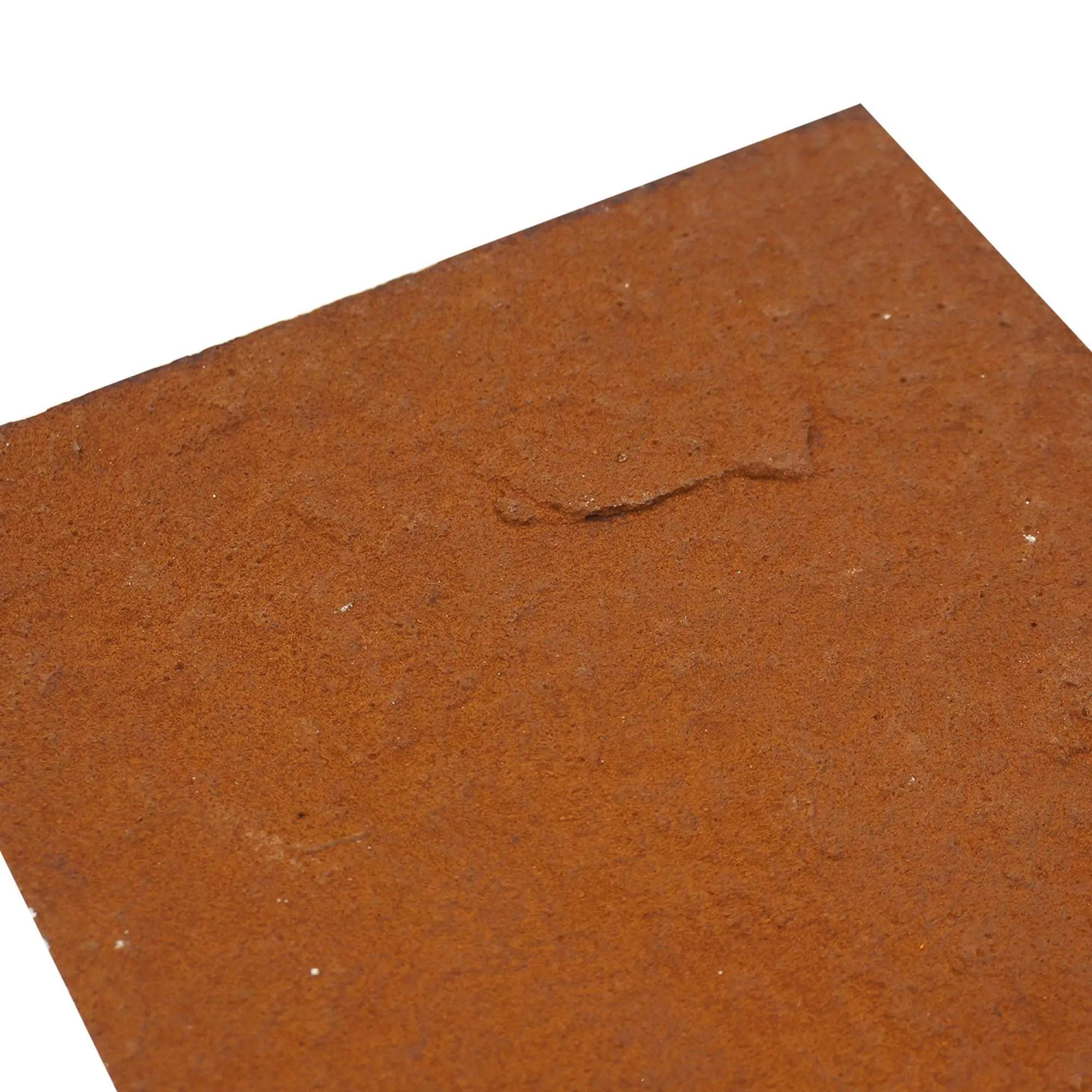
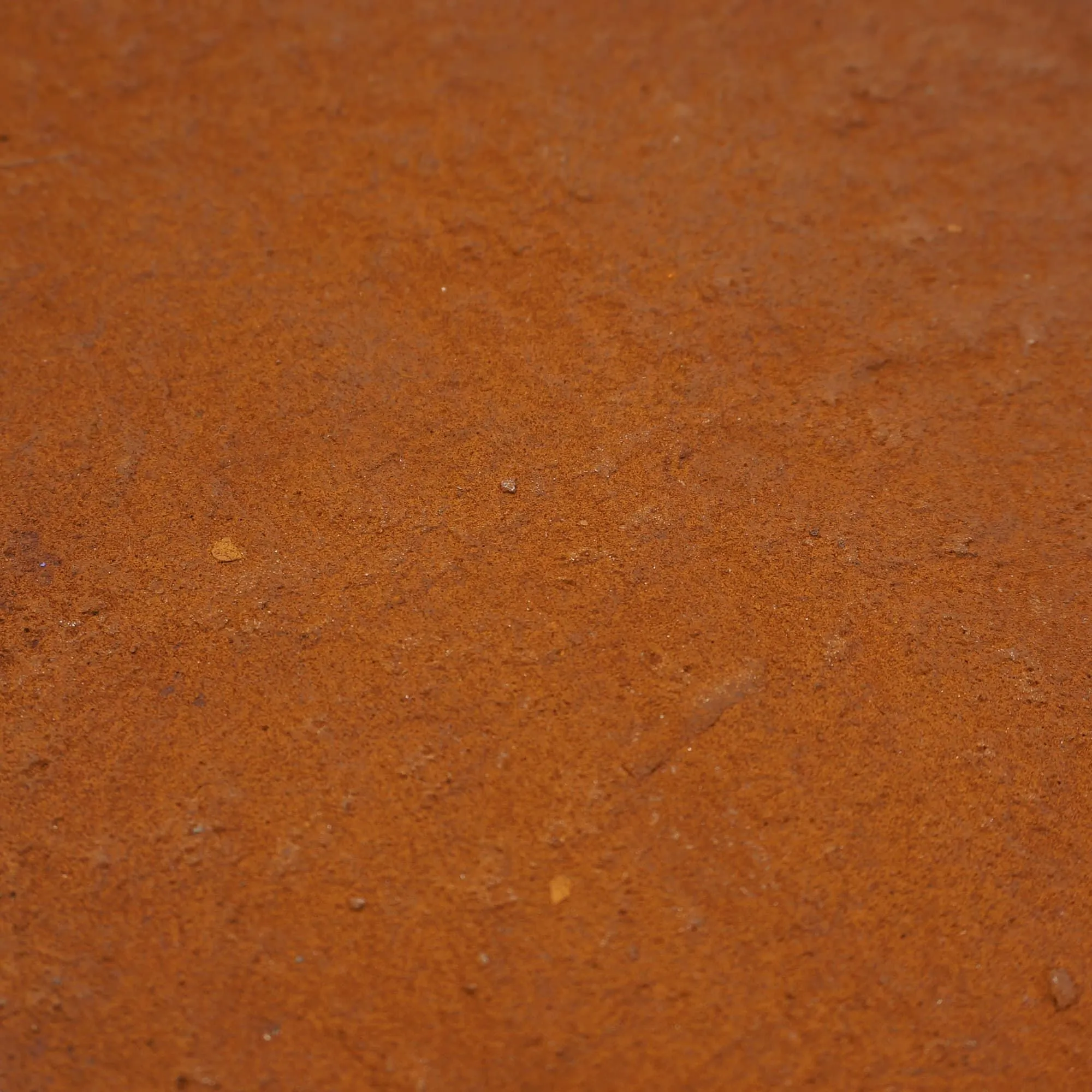
Rust board granite is a decorative cladding panel produced with modified clay material (MCM) technology. Instead of quarrying and cutting natural stone, the material is manufactured as a thin, flexible sheet that reproduces the grain, color, and texture of rust-toned granite. The surface carries warm browns, deep greys, and subtle iron-like veining, which is why it pairs so naturally with the exposed metal and concrete found in industrial design.
Because it belongs to the mcm flexible stone family, the panel is lightweight and can be cut with simple hand tools. It bends around gentle curves, adheres directly to most sound substrates, and does not require the structural reinforcement that natural stone slabs demand. For interior accent walls, fireplace surrounds, kitchen backsplashes, and feature columns, it offers a practical route to a high-end industrial look.
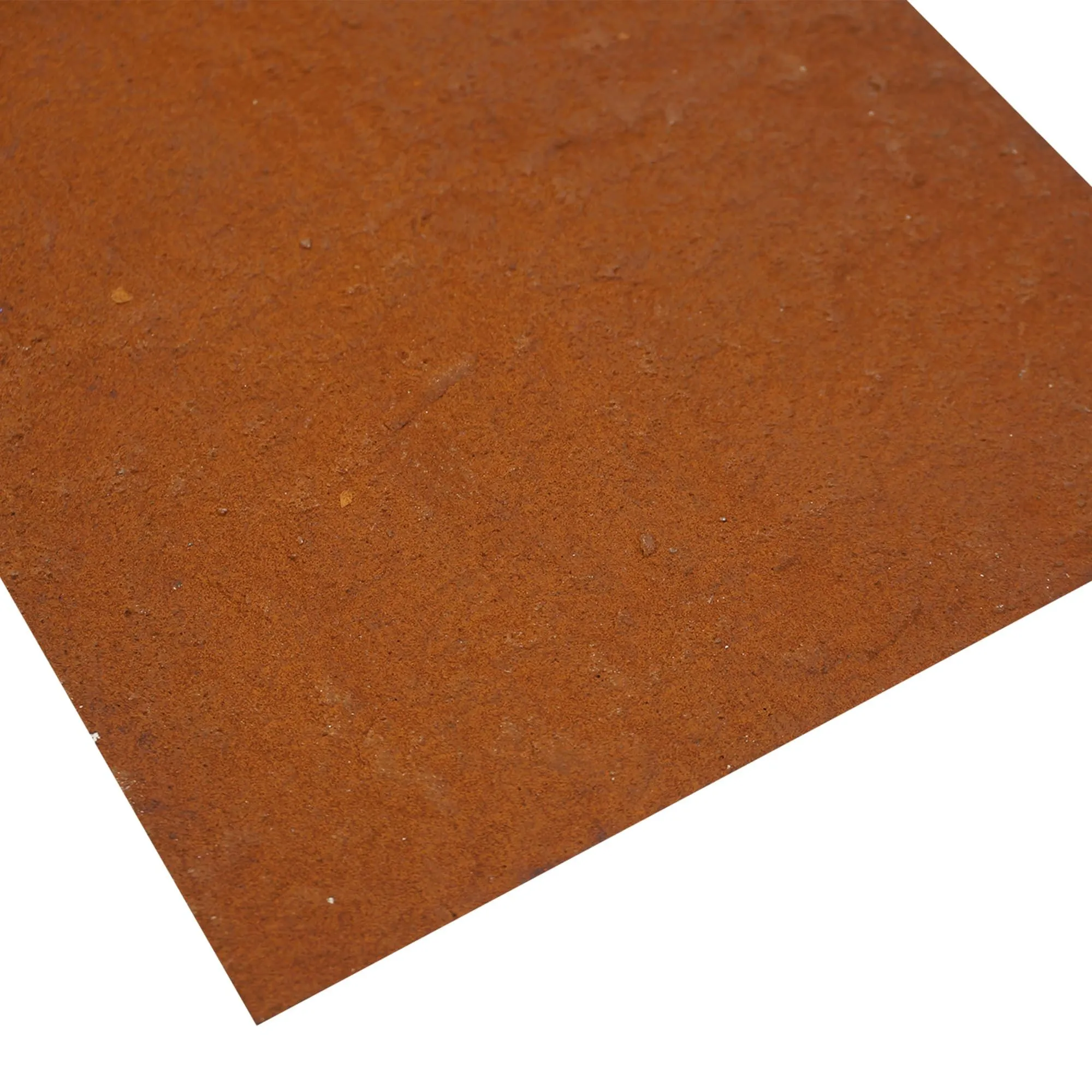
Industrial style relies on materials that look like they have a history. Rust board granite delivers that immediately, thanks to its weathered surface and earthy palette. It works well alongside black steel, aged wood, and polished concrete, and it softens the coldness of raw metal without losing the edge that makes the style distinctive.
The material is also forgiving in real-world use. It resists moisture and everyday wear, which makes it a sensible choice for high-traffic areas such as cafés, studios, and open-plan living spaces. If you want to layer textures further, you can combine it with complementary pieces like rust mosaic stone to build a feature wall with more visual rhythm.
Before you start, gather the following items so the job runs smoothly:
The quality of the finished wall depends almost entirely on the substrate. The surface must be clean, dry, flat, and structurally sound. Remove dust, grease, loose paint, and any flaking material. Fill cracks and holes with a suitable filler, then sand the area smooth. If the wall is noticeably uneven, apply a leveling compound and let it cure fully before continuing. For interior work, make sure the room is dry and reasonably warm, as cold or damp conditions can slow the adhesive cure.
Measure the wall and work out the panel layout before applying any adhesive. Mark vertical and horizontal reference lines with a level so your first row is perfectly straight. Decide where cuts will fall, ideally at the corners or along the edges where they are less noticeable. Dry-lay a few panels on the floor to confirm the pattern and joint spacing you want.
Cutting rust board granite is straightforward. For straight cuts, score the surface firmly with a utility knife against a straightedge, then snap the panel along the scored line. For curves or notches around outlets and corners, use a jigsaw with a fine-tooth blade. Lightly sand the cut edges to remove burrs and keep the profile clean. Always cut with the finished face up to avoid chipping the texture.
Spread the MCM bonding adhesive evenly across the back of the panel with the notched trowel, making sure the coverage is complete. For larger panels, apply adhesive to the substrate as well, which helps prevent air pockets and keeps the panel flat. Work in small sections so the adhesive does not skin over before you place the panel.
Align the panel with your marked guidelines and press it into place, starting from the center and working outward. This pushes trapped air toward the edges and guarantees full contact. Tap gently with a rubber mallet to seat the panel, and use spacers between panels if you want uniform grout lines. Check the level as you go and adjust immediately, before the adhesive begins to set.
Once the adhesive has cured, usually after about 24 hours, remove the spacers and finish the joints. You can either grout the seams or seal them with a color-matched sealant for a cleaner, more modern look. Wipe away any excess adhesive with a damp sponge before it dries. For exposed edges, install matching edge trim to give the installation a professional, finished appearance.
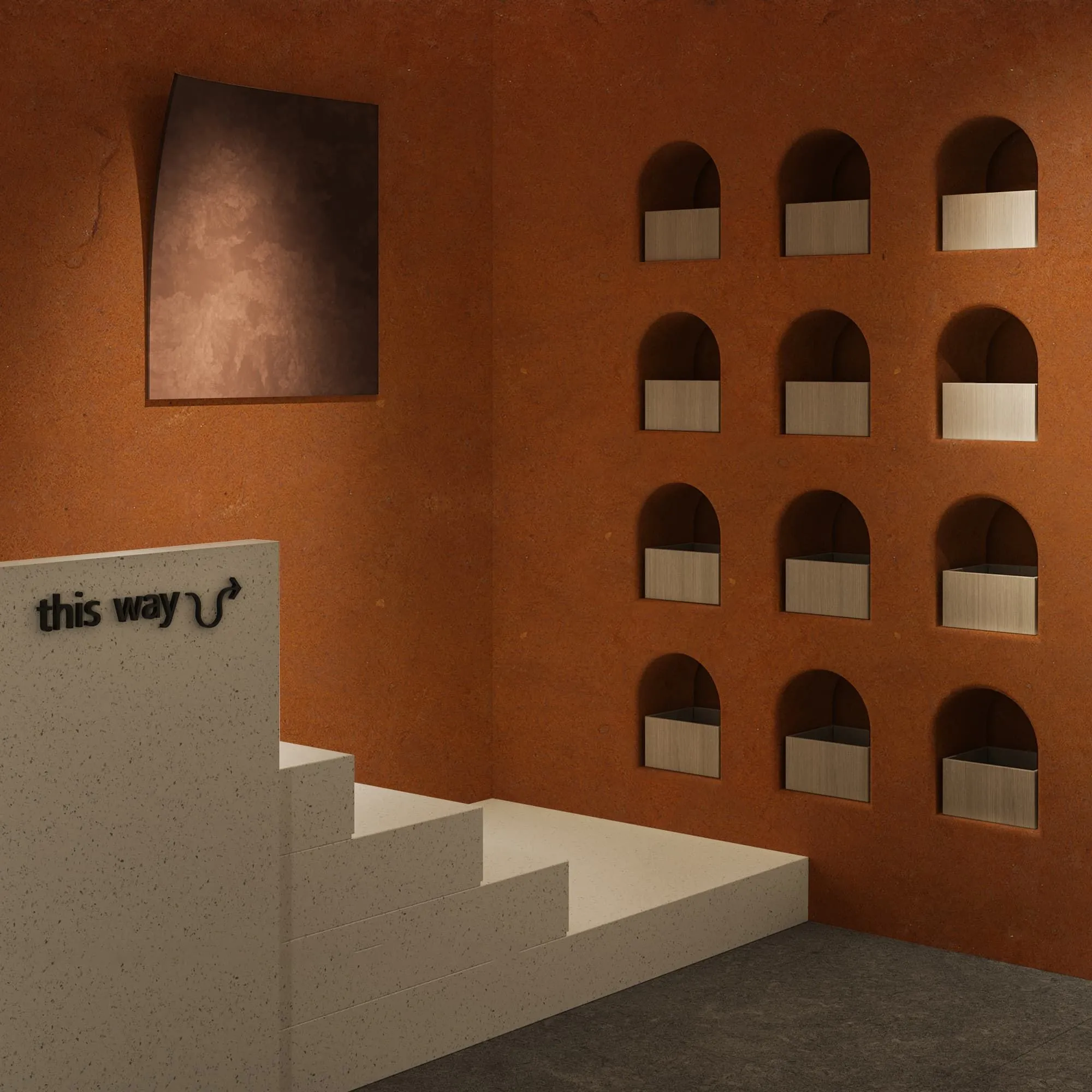
To get the most out of rust board granite in an industrial space, keep the rest of the room restrained. Pair the panel with black metal shelving, exposed brick, or polished concrete floors, and let the material carry the visual weight. Use warm lighting, such as Edison bulbs or copper-toned pendants, to bring out the amber and brown tones in the surface. A single accent wall is usually enough; covering every surface can make the room feel heavy and dark.
Rust board granite needs very little upkeep. Wipe the surface regularly with a soft, damp cloth to remove dust. For deeper cleaning, use a mild detergent diluted in water and avoid harsh chemicals. Wipe up spills promptly in kitchens and bathrooms to prevent staining. Minor scratches can be touched up with a matching repair pen, and because the panels are modular, a damaged section can be replaced without disturbing the rest of the wall.
Installing rust board granite panels is a realistic weekend project for a confident DIYer, and an even smoother job for a professional contractor. The material combines the weathered character that industrial interiors crave with the practical benefits of a lightweight, flexible cladding. Whether you are updating a living room accent wall, a café counter front, or a studio feature wall, the result is a space that feels built to last and designed with intention.
If you are planning a project and want to see the full range of finishes, the team at COLORIA GROUP can help you match the right panel to your interior. From rust board granite to the wider mcm flexible stone collection, there is a texture for every industrial vision.
Recommend Products











