
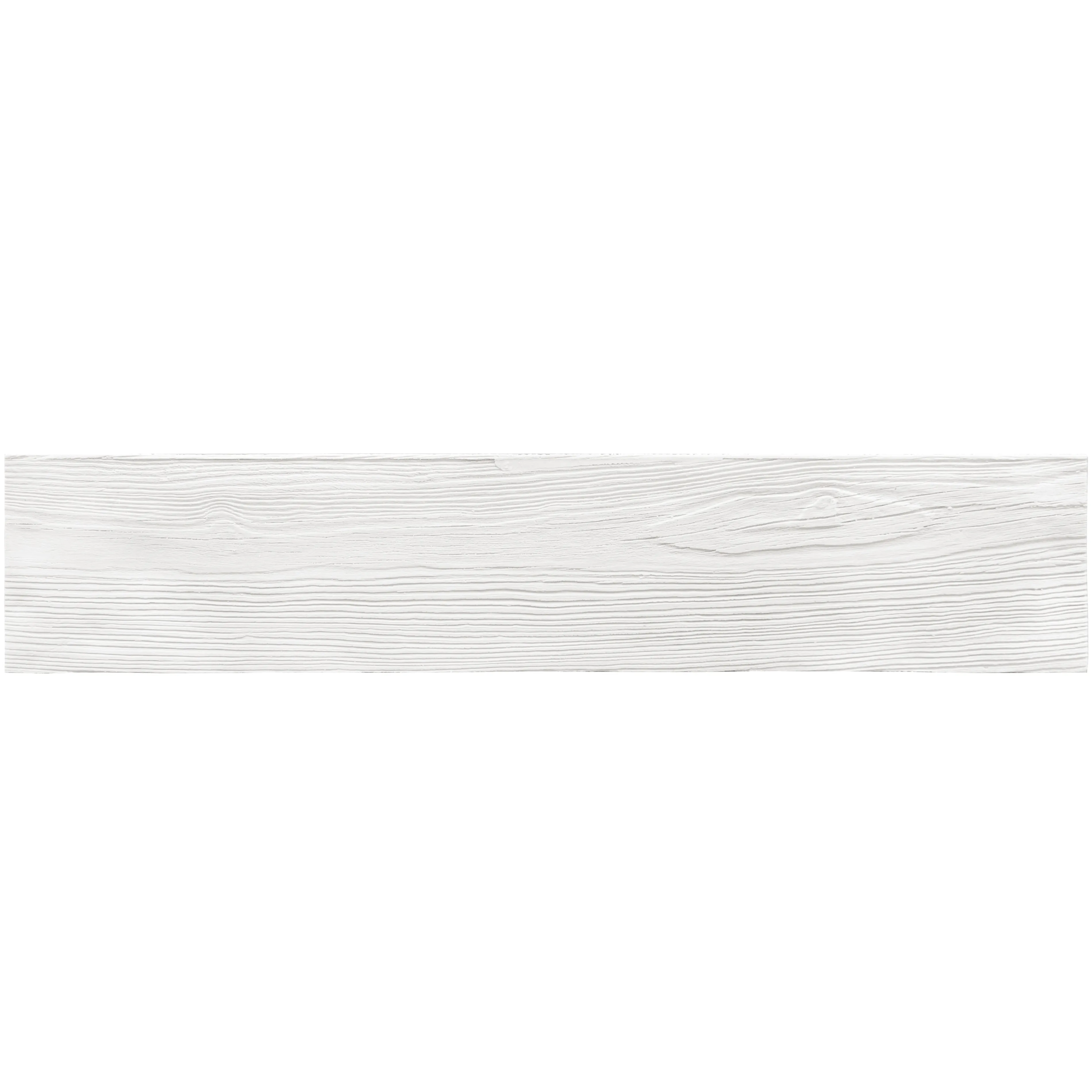
If you've spent any time on a construction site lately, you've probably noticed a shift in how we approach exterior and interior cladding. Gone are the days of choosing between "looks good" and "lasts long"—thanks to Modern Composite Material (MCM) technology, we can have both. And leading the charge in this revolution? White Wood MCM Panels. These panels blend the warm, organic feel of real wood with the durability of engineered materials, making them a go-to for everything from commercial facades to high-end residential accent walls. But like any material, their performance hinges on proper installation. Let's walk through how to get it right, from prep to finish.
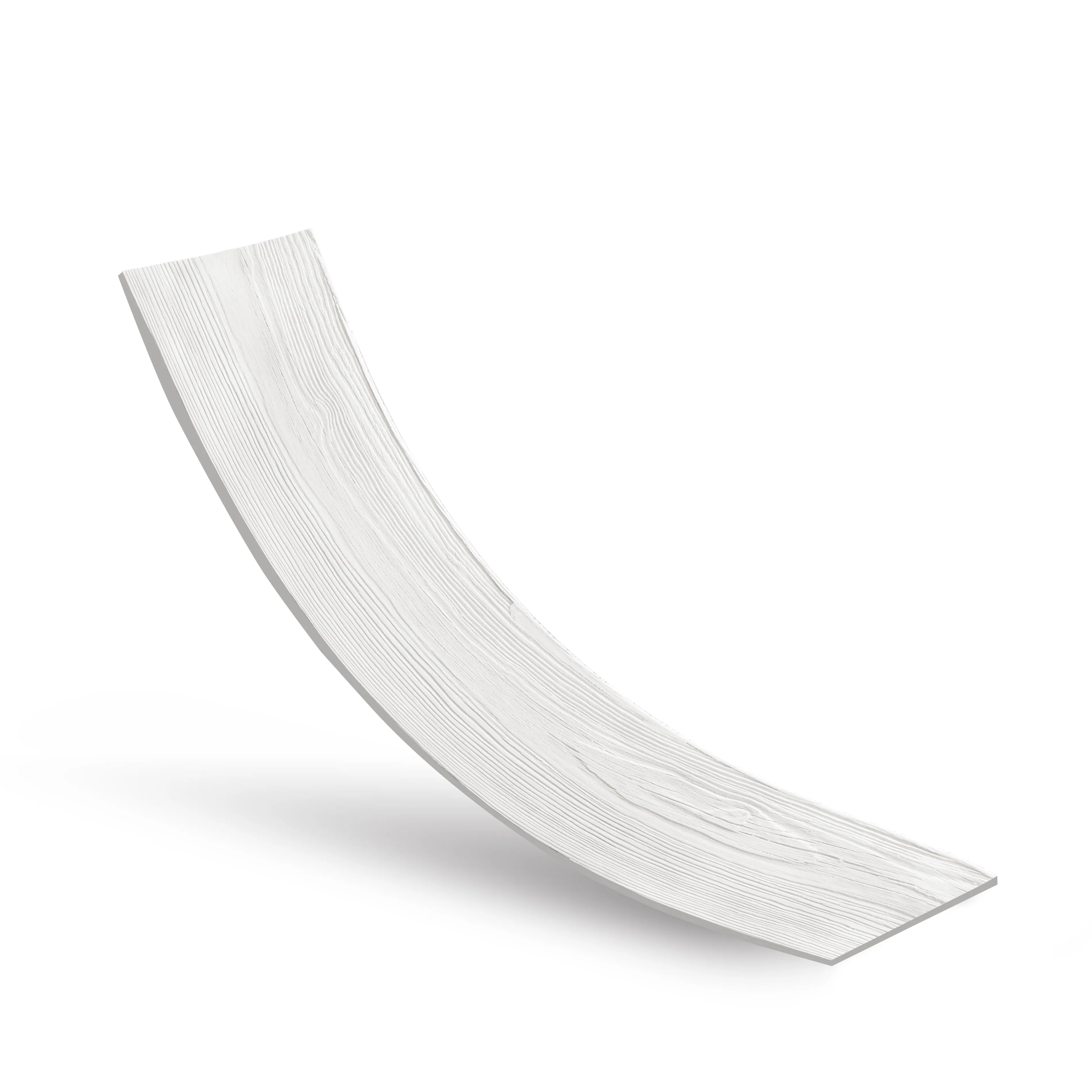
First, let's talk about why you're here. White Wood MCM Panels aren't just another cladding option—they're a solution to common headaches. Traditional wood cladding warps, rots, or fades under harsh weather; vinyl feels cheap; and solid stone is heavy and hard to install. White Wood MCM? It's lightweight (so it won't stress your structure), resistant to moisture, UV rays, and temperature swings, and it mimics the subtle grain and texture of real wood so well, even architects do a double-take. Plus, as part of the broader MCM family—think siblings like MCM flexible stone —they're designed to work in harmony with other composite materials, giving you endless design flexibility.
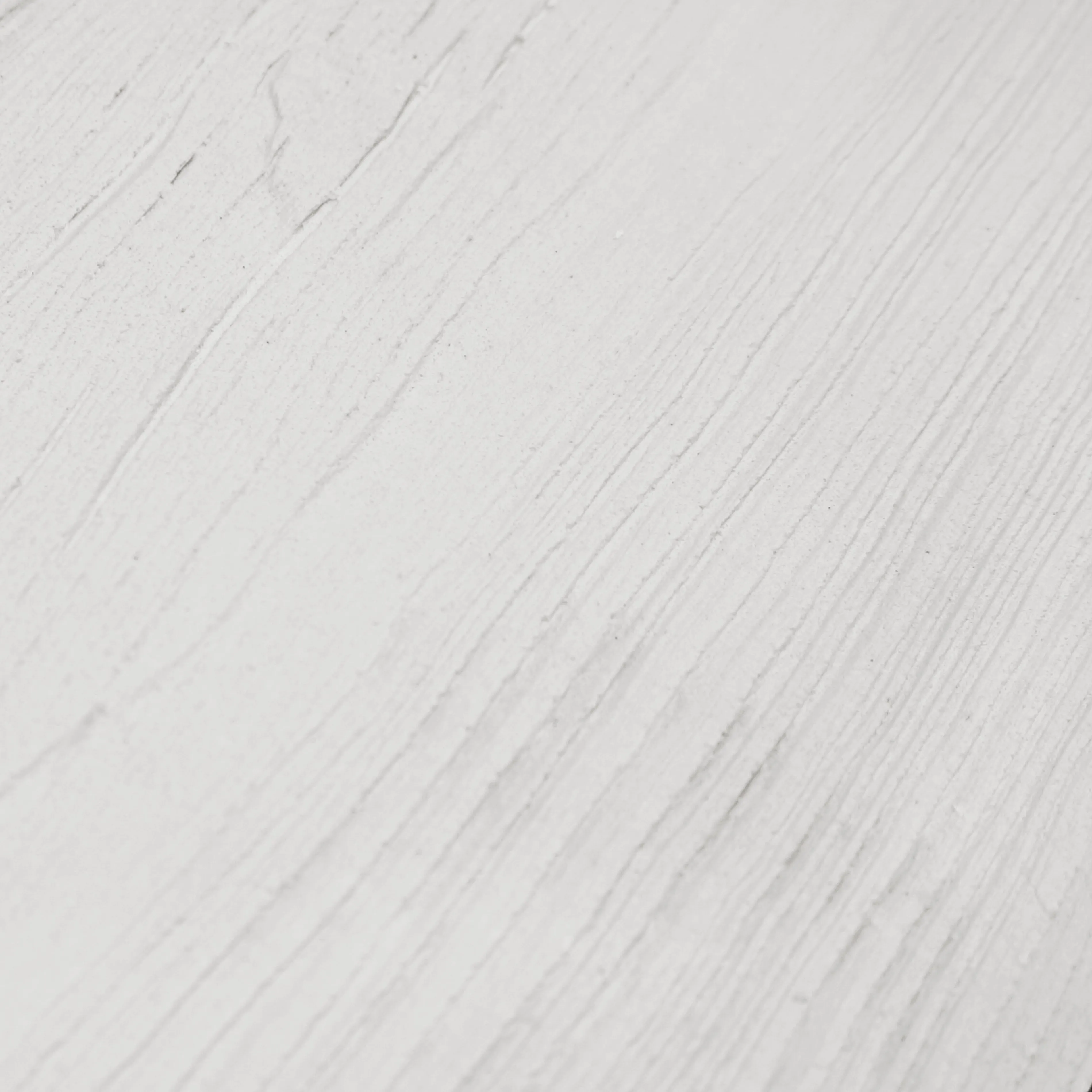
Whether you're cladding a restaurant exterior that needs to withstand rain and sun, or a hotel lobby accent wall that demands a luxe, natural vibe, White Wood delivers. And unlike some wood-look products that feel plasticky, these panels have a tactile quality that adds depth to any space. But enough about why—let's get to how.
Contractors know the golden rule: measure twice, cut once . But with MCM panels, the prep work goes beyond measurements. Let's break down what you need before you even pick up a trowel.
| Tool/Material | Purpose | Pro Tip |
|---|---|---|
| Circular Saw with Fine-Tooth Blade | Cutting panels to size | Use a blade designed for composite materials to avoid chipping the surface. |
| Notched Trowel (1/4" or 3/8") | Applying adhesive evenly | Match trowel size to panel thickness—thicker panels need more adhesive coverage. |
| 4-foot Level & Straightedge | Ensuring panels are plumb/level | Mark a reference line on the substrate first to keep panels aligned. |
| Adhesive (Polyurethane or Epoxy-Based) | Securing panels to substrate | Check the manufacturer's specs—some adhesives work better on fair-faced concrete than others. |
| Spacers (3/16" or 1/4") | Creating consistent grout lines | Reuse spacers as you go to save costs—just keep them clean! |
| Sealant (Silicone or Acrylic) | Waterproofing edges and joints | Choose a color-matched sealant to keep the finish seamless. |
| Wire Brush & Tack Cloth | Cleaning substrate and panel edges | Even a little dust can weaken adhesion—don't skip this step! |
MCM panels are forgiving, but they're not magic. The substrate—whether it's concrete, fair-faced concrete , drywall, or metal—needs to be flat, clean, and stable. Here's how to prep it:
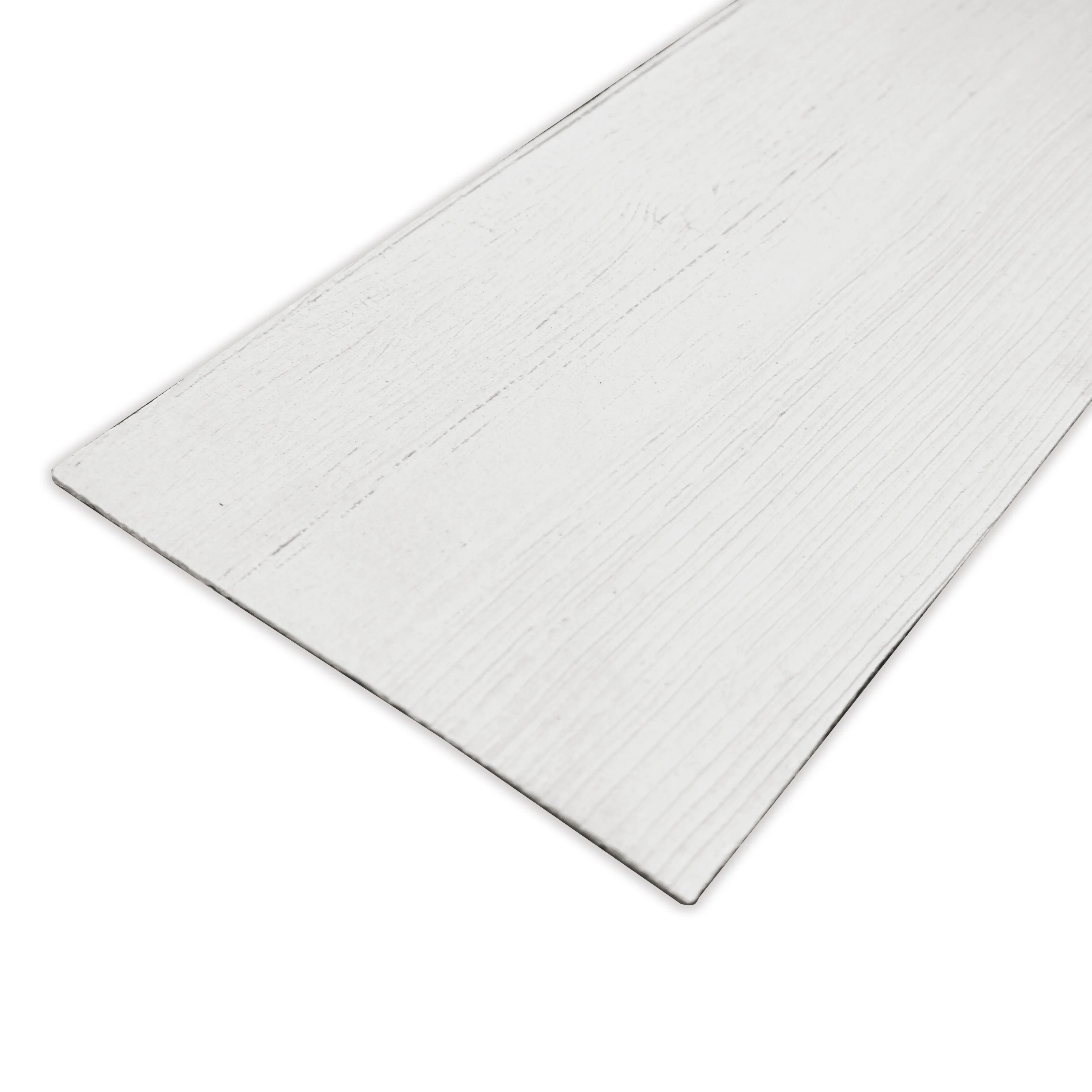
Now the fun begins. Follow these steps, and you'll have a installation that's both tight and professional-looking.
White Wood MCM Panels come in standard sizes (typically 4x8 feet), but every project has unique cuts—windows, corners, or custom designs. When cutting:
Adhesive is the glue that holds it all together—literally. For White Wood MCM Panels, we recommend a high-quality polyurethane or epoxy-based adhesive. Avoid solvent-based adhesives; they can react with the panel's backing.
Now it's time to set the panels. Start with your reference line (marked earlier with a level) to keep the first row straight—this is the foundation for the entire installation.
Once the panels are set, it's time to lock them in and clean up the details.
Even pros run into snags. Here's how to handle the most common problems:
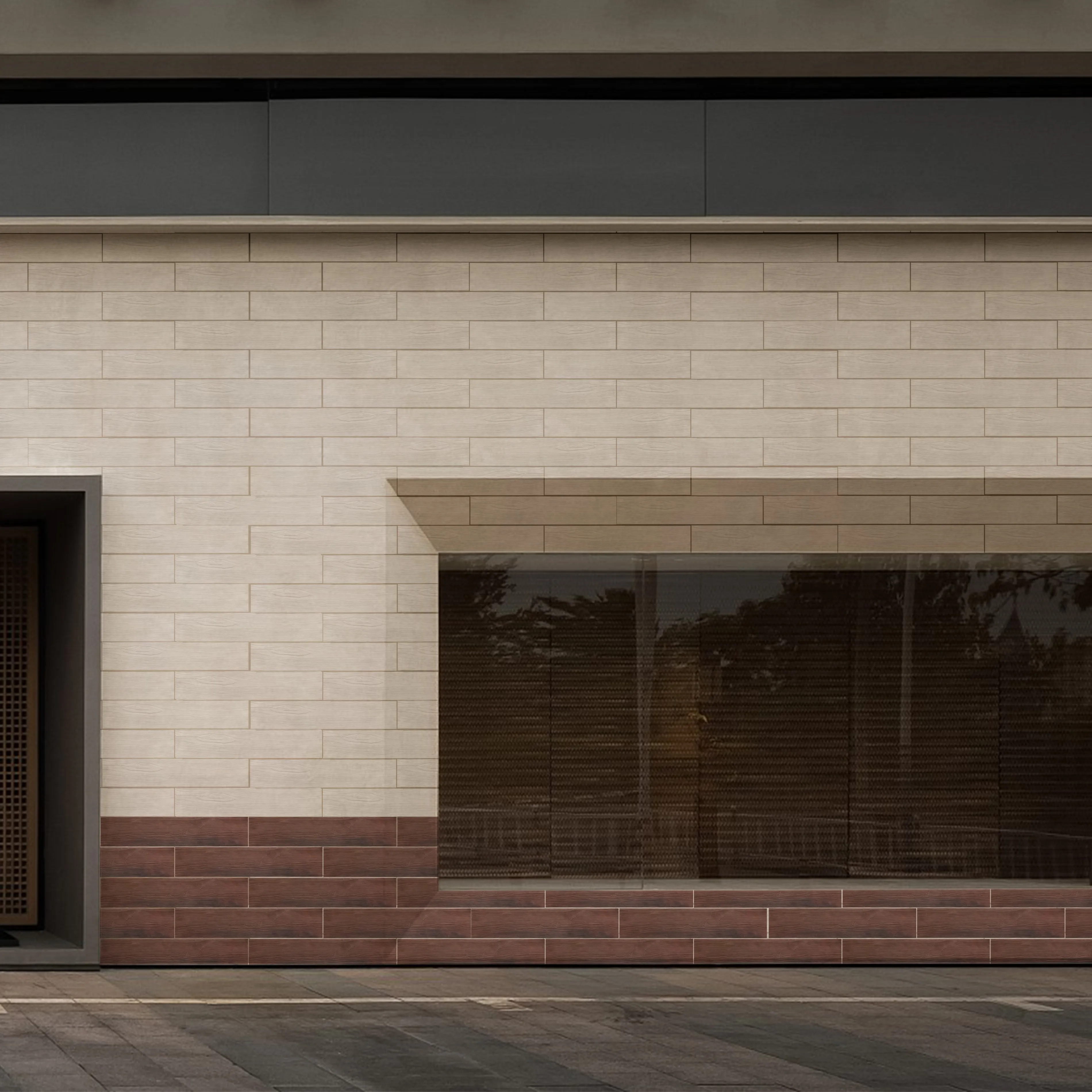
The best part about MCM panels? They're low-maintenance, but a little care goes a long way. Unlike wood grain board (which often needs staining or sealing), White Wood MCM just needs occasional cleaning:
Installing White Wood MCM Panels isn't just about nailing a cladding job—it's about delivering a finish that makes clients say, "Wow." When done right, these panels will outlast traditional wood, resist the elements, and keep looking fresh for decades. And as contractors, that's the goal: work that stands the test of time, both in durability and design.
So next time you're on site, remember: prep is key, precision matters, and a little patience goes a long way. Whether you're pairing White Wood with fair-faced concrete for a modern industrial look, or using it alone for a warm, organic vibe, you've got a material that works as hard as you do. Now go out there and build something amazing.
Recommend Products












