
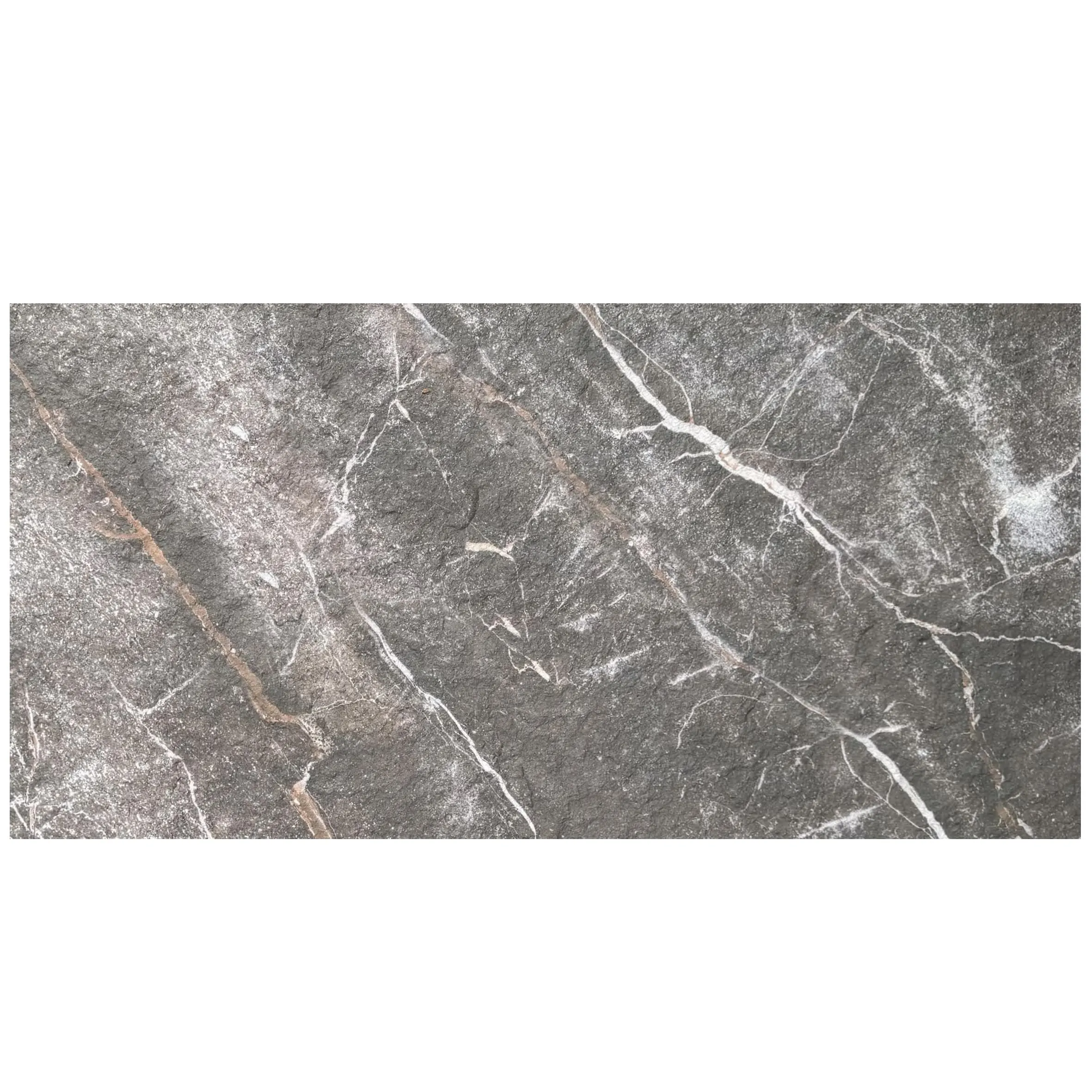
If you've ever walked past a building with a facade that seems to glow—deep, rich blacks swirled with golden veins, catching the light like a starry night—chances are you were looking at Granite Portoro. This natural stone has been a favorite in architecture for decades, gracing everything from luxury hotel lobbies to modern home exteriors. Its dramatic contrast of dark hues and metallic accents makes it a statement piece, but that beauty comes with a catch: like any high-end material, Granite Portoro needs care to stay looking its best.
I've worked with homeowners and contractors alike who fall in love with Granite Portoro's aesthetics but underestimate its maintenance needs. "It's stone, right? It should just handle everything," I've heard more than once. The truth is, even the toughest stones need a little TLC. Dust, rain, spills, and everyday wear can dull its shine, stain its surface, or even etch its pores over time. But don't worry—with the right habits, you can keep your Granite Portoro cladding looking as striking as the day it was installed. Let's dive into how.
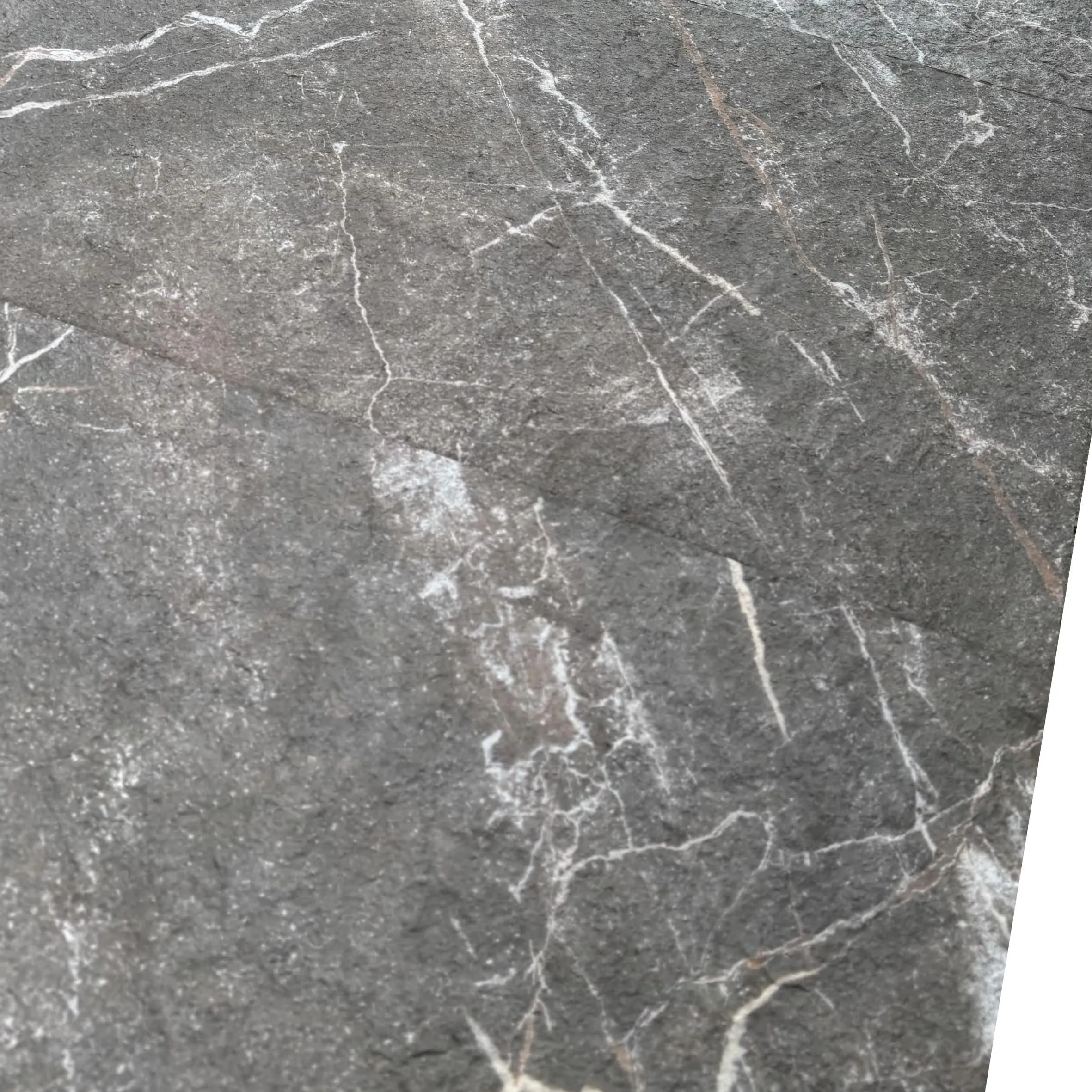
Before we jump into cleaning, let's talk about why Granite Portoro behaves the way it does. Unlike fair-faced concrete (a porous, matte material often used for industrial-chic designs) or MCM flexible stone (a lightweight, engineered alternative), Granite Portoro is a natural granite. That means it's formed from cooled magma, making it dense and relatively hard—but not impervious. Its surface has tiny pores that can trap dirt and liquids, and its golden veins (which are actually mineral deposits like pyrite) are slightly softer than the black granite base, making them prone to scratching if not treated carefully.
Another key trait: Granite Portoro is often sealed after installation to protect against stains. But sealers wear off over time, especially on exterior cladding exposed to rain, sun, and temperature swings. Think of the sealer as a raincoat for your stone—effective, but not forever. Knowing this will help you understand why certain cleaning methods work (and why others don't).
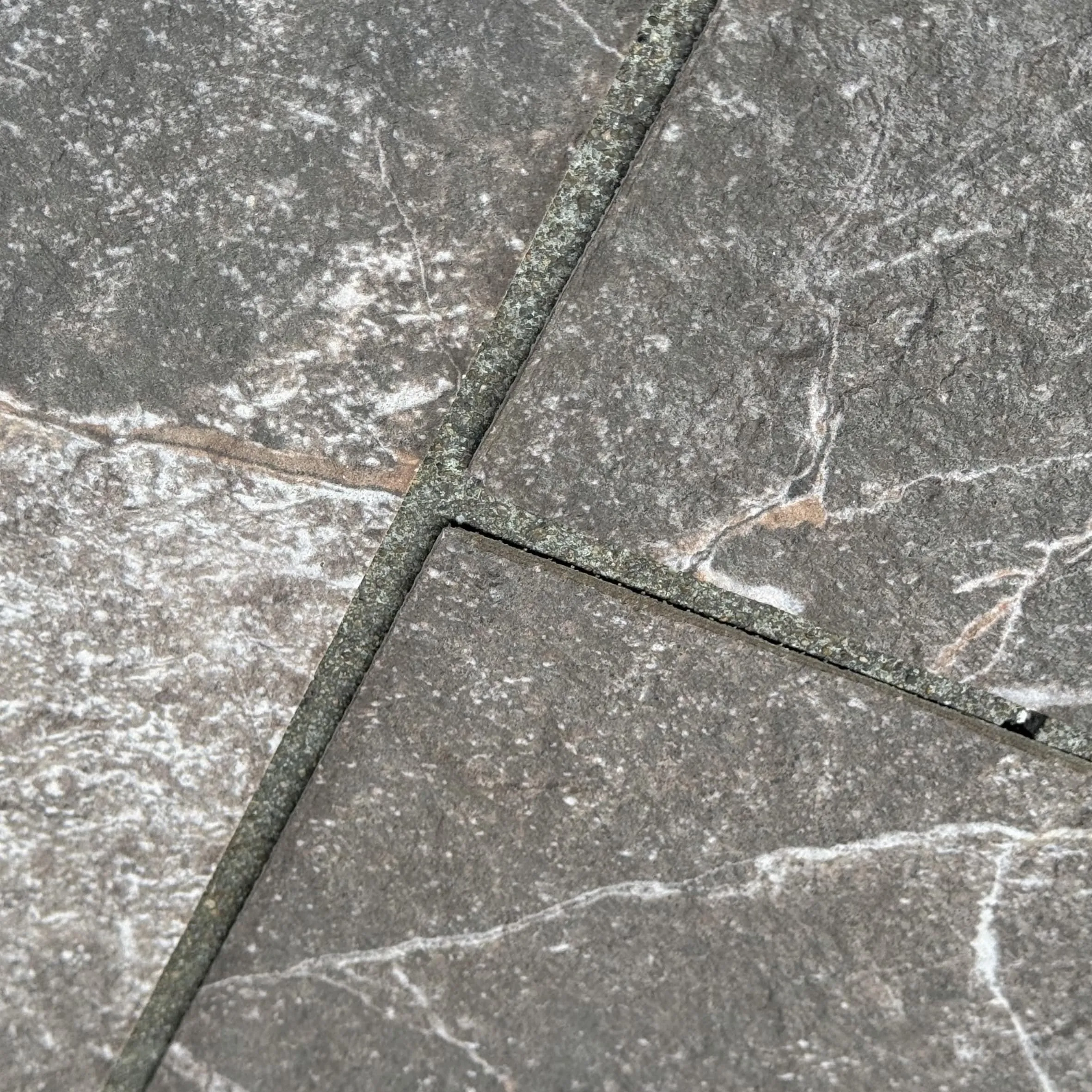
You don't need fancy tools for daily upkeep—just consistency. Here's what works:
Start by removing loose dirt and debris. For exterior cladding, a soft-bristle brush or a leaf blower on low setting works wonders. For interiors (like a Granite Portoro accent wall), a microfiber cloth or feather duster will do. Why dust first? If you wipe with a damp cloth without dusting, you'll just grind the dirt into the stone, creating tiny scratches over time.
Once the dust is gone, mix a few drops of mild dish soap (avoid anything with citrus or abrasive additives) into a bucket of warm water. Dip a soft sponge or microfiber cloth into the solution, wring it out until it's barely damp, and wipe the surface gently. Follow up with a clean, dry cloth to buff away any water spots—this step is crucial, especially in humid areas where water can seep into pores and leave mineral deposits.
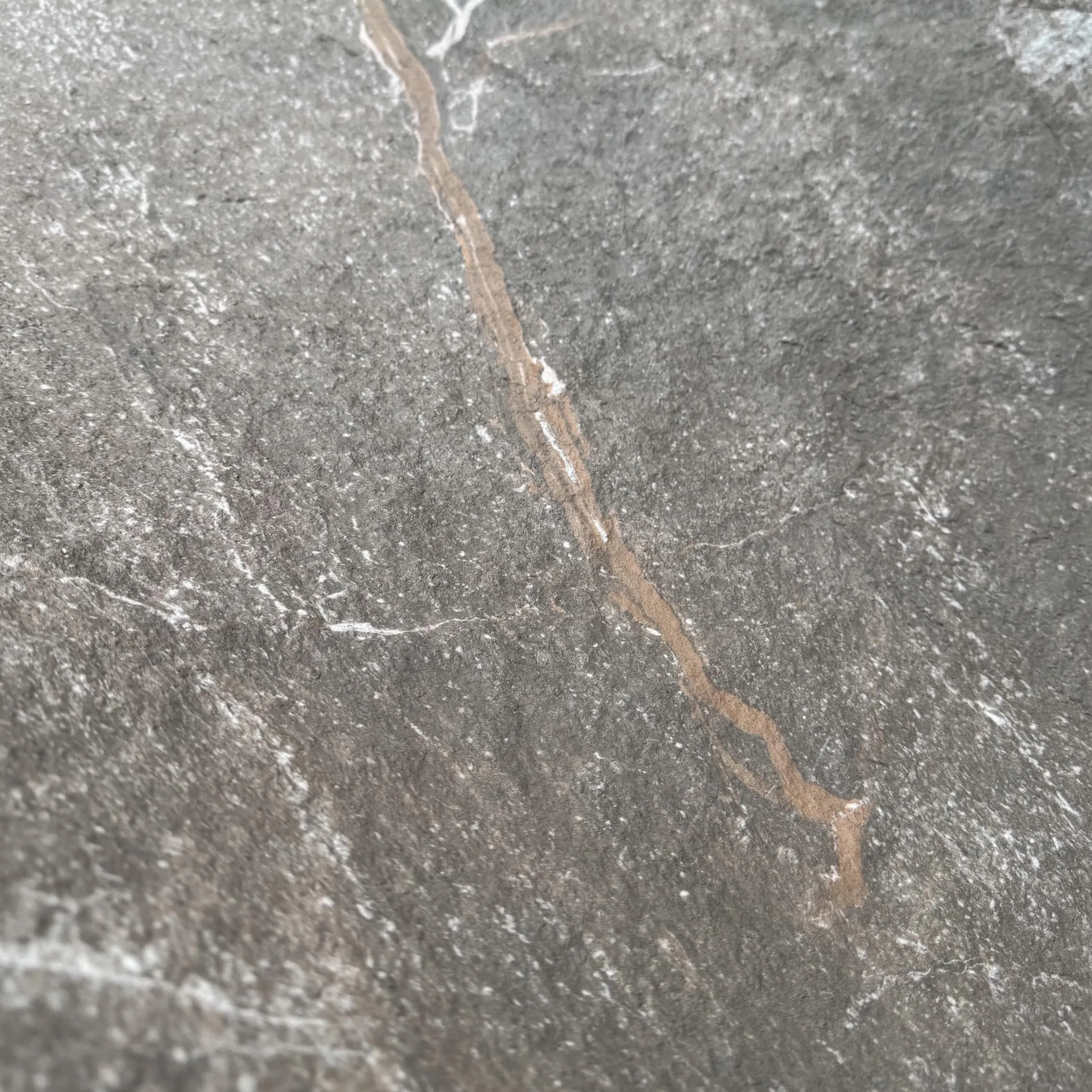
Daily wiping handles surface grime, but every 2–3 months (or more often for high-traffic areas like entryways), your Granite Portoro needs a deeper clean. This is when you'll tackle built-up dirt, mildew (common in shaded exterior spots), or the faint film that can form from air pollution.
1. Wet the surface with plain water first—this helps loosen dirt and prevents the cleaner from drying too quickly.
2. Dilute the stone cleaner according to the bottle's instructions (usually 1 part cleaner to 4 parts water). Apply it to a small section at a time with a sponge.
3. Gently scrub with the brush or pad, focusing on areas with visible grime. For mildew, let the cleaner sit for 5–10 minutes (but don't let it dry!) before scrubbing.
4. Rinse thoroughly with clean water. For exteriors, use the hose on a low-pressure setting; for interiors, wipe with a damp cloth and then dry immediately.
5. Buff with a dry microfiber cloth to restore shine. You'll notice the difference right away—the blacks will look deeper, and the golden veins will pop again!

The secret to long-lasting Granite Portoro isn't just cleaning—it's preventing problems before they start. Here are the biggest threats and how to dodge them:
Soda, wine, tomato sauce, even rainwater in some areas (acid rain) can etch Granite Portoro's surface. If you spill something acidic, blot it immediately with a paper towel (don't wipe—wiping spreads the liquid!). Then clean the area with mild soap and water, and dry thoroughly. For exterior cladding, consider installing overhangs or awnings to shield it from prolonged rain exposure, especially in urban or industrial areas where rain is more acidic.
Granite is hard, but it's not unbreakable. Avoid leaning ladders against cladding, and be careful when moving furniture near interior Granite Portoro walls. For outdoor spaces, place doormats at entryways to catch gravel, sand, or debris that could scratch the surface when walked on. If you have kids or pets, you might also want to avoid using harsh toys or tools near the cladding—better safe than sorry!
Remember that "raincoat" I mentioned earlier? Re-sealing is how you replace it. For interior cladding, aim to seal every 2–3 years; for exteriors, every 1–2 years (since they're exposed to more elements). To check if it's time: sprinkle a few drops of water on the stone. If the water beads up, the sealer is still working. If it soaks in within 5 minutes, it's time to reseal.
When choosing a sealer, opt for a penetrating sealer (not a topical one, which can leave a glossy film that yellows over time). Apply it with a lint-free cloth, following the manufacturer's instructions, and let it dry completely before exposing the stone to water. It's a small investment of time that pays off in years of stain resistance.
Even with the best care, accidents happen. Here's how to fix common issues:
Oil is tricky because it seeps into pores quickly. Mix a paste of baking soda and water (just enough to form a thick consistency) and apply it to the stain. Cover with plastic wrap and let it sit overnight—the baking soda will draw out the oil. Wipe away the paste with a damp cloth, then clean with mild soap and water. Repeat if needed.
These often look like white, cloudy marks from hard water. Mix equal parts water and isopropyl alcohol, and wipe the area with a soft cloth. The alcohol breaks down mineral deposits without damaging the stone. For tough spots, let the solution sit for a minute before wiping.
Light scratches can often be buffed out with a granite polishing compound (available at home improvement stores). Apply a small amount to a microfiber cloth and rub in a circular motion until the scratch fades. For deeper scratches, call a professional stone restorer—they can use diamond pads to re-polish the area without replacing the entire panel.
Maintaining Granite Portoro isn't just about cleaning—it's about ongoing care. Here are a few extra steps to ensure it lasts for decades:
Curious how Granite Portoro stacks up against other popular options? Let's break down maintenance needs side by side. This might help if you're considering a mixed-material design (e.g., Granite Portoro accents with wood grain board or fair-faced concrete walls).
| Material | Daily Cleaning | Deep Cleaning | Sealing Frequency | Common Challenges |
|---|---|---|---|---|
| Granite Portoro | Soft cloth + mild soap and water | pH-neutral stone cleaner, soft brush; every 2–3 months | Interior: 2–3 years; Exterior: 1–2 years | Acid etching, vein scratching, sealer wear |
| Fair-Faced Concrete | Dry brush or vacuum; damp cloth for spills | Pressure wash (low setting) or concrete cleaner; annually | Optional (sealing reduces dusting); every 3–5 years | Staining, cracking from freeze-thaw cycles |
| MCM Flexible Stone | Warm water + mild detergent, soft cloth | Non-abrasive cleaner, rinse thoroughly; every 6 months | Not required (engineered for stain resistance) | Scratches from sharp objects, color fading in direct sun |
| Wood Grain Board | Dust with microfiber cloth; wipe spills immediately | Wood cleaner + soft brush; quarterly | Exterior: 1–2 years (stain/sealer); Interior: 3–5 years | Warping, rot, insect damage, UV fading |
As you can see, Granite Portoro requires a bit more attention than engineered materials like MCM flexible stone, but its natural beauty is hard to match. For many homeowners, that trade-off is worth it.
Granite Portoro isn't just a cladding material—it's an investment in beauty and durability. With daily care, regular sealing, and prompt attention to spills or scratches, it will continue to turn heads and add value to your space for years to come. Think of it like caring for a vintage car or a fine piece of art: a little effort goes a long way in preserving something extraordinary.
So the next time you look at your Granite Portoro cladding, take a moment to appreciate its uniqueness—and then grab that microfiber cloth. Your future self (and anyone who passes by your home) will thank you.
Recommend Products












