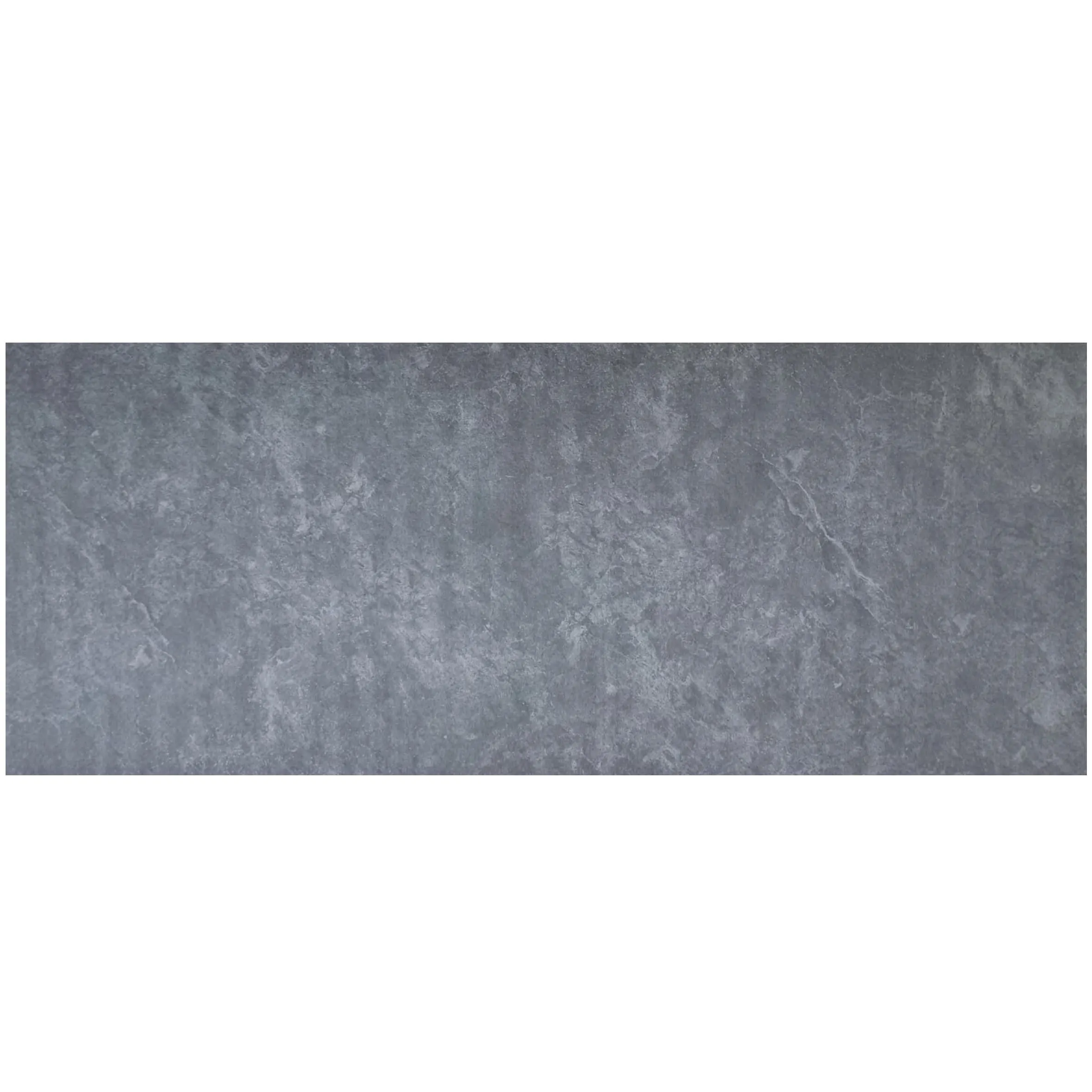
There's something inherently timeless about
Marble Interstellar Gray. Whether it's gracing a kitchen countertop, a bathroom vanity, or a living room floor, its subtle veining and cool, neutral tone bring a touch of sophistication to any space. Unlike bold marbles with dramatic patterns, its understated elegance makes it versatile—equally at home in modern minimalist interiors and classic, traditional settings. But here's the catch: like all natural stones,
Marble Interstellar Gray is not invincible. Its porous surface and soft composition mean it's prone to stains, scratches, and etching if not cared for properly. This guide isn't just about cleaning; it's about preserving that "just-installed" glow for years to come. Let's dive into the habits, hacks, and best practices that will keep your marble looking as stunning as the day it was laid.
Before we jump into maintenance, let's talk about what makes
Marble Interstellar Gray unique. Unlike synthetic materials like
polish concrete
, which is engineered for durability, marble is a natural stone formed from limestone subjected to heat and pressure over millennia. This process creates its signature veining but also leaves it porous and slightly soft (it ranks 3-4 on the Mohs hardness scale, compared to granite's 6-7). That porosity means it absorbs liquids easily, and its softness makes it susceptible to scratches from sharp objects or abrasive cleaners.
You might be thinking, "If it's so delicate, why choose it over something like
fair-faced concrete
?"
Fair-faced concrete has its merits—industrial charm, low maintenance, and resistance to wear—but it lacks the organic beauty of marble. The way
Marble Interstellar Gray catches light, with veins that look like brushstrokes of silver and charcoal, is irreplaceable. The good news? With the right care routine, you can have both beauty and longevity. It's all about respect for the stone's nature.

Daily Cleaning: The Foundation of Marble Care
The key to keeping
Marble Interstellar Gray looking its best is consistency. Daily cleaning might seem trivial, but it's the first line of defense against buildup, stains, and dullness. Here's how to do it right:
Stick to the basics.
Forget fancy cleaners—mild dish soap and warm water are your best friends. Mix a teaspoon of gentle dish soap (avoid anything with citrus, bleach, or abrasives) into two cups of warm water. Dip a soft microfiber cloth or sponge into the solution, wring it out well (you don't want excess water pooling on the marble), and wipe the surface in gentle, circular motions. Follow up with a clean, damp cloth to remove any soap residue, then dry immediately with a soft towel to prevent water spots.
Avoid the "quick fix" cleaners.
That all-purpose spray under your sink? Put it back. Products containing vinegar, lemon, lime, or ammonia are acidic and will etch the marble's surface over time, leaving dull, cloudy marks. Even some "natural" cleaners fall into this category—always check the label for pH levels (aim for neutral, around 7).
Dust first, then clean.
If your marble surface (like a coffee table or floor) collects dust, wipe it with a dry microfiber cloth before damp cleaning. Dust particles can act like sandpaper, scratching the surface when rubbed with a wet cloth. Think of it like prepping a canvas before painting—you want a clean, smooth base.
Pro Tip:
Microfiber cloths are a must for marble. They're gentle, lint-free, and trap dirt effectively. Avoid paper towels, which can leave behind tiny fibers, and never use scouring pads or steel wool—those will scratch the surface faster than you can say "etching."

Dealing with Stains: Act Fast, Act Smart
Even with daily cleaning, accidents happen. A spilled glass of red wine, a drippy ice cream cone, or a forgotten coffee mug can leave unsightly stains. The golden rule? The faster you act, the better your chances of removing the stain completely. Below is a breakdown of common stains and how to tackle them, plus a handy table for quick reference.
|
Stain Type
|
Immediate Action
|
Cleaning Solution
|
Pro Tips
|
|
Coffee/Wine/Juice
|
Blot with a dry cloth (don't rub—this spreads the stain!)
|
Mix 1 tsp mild dish soap with 2 cups warm water; apply with a soft sponge
|
Rinse thoroughly and dry. For stubborn stains, make a paste of baking soda and water, apply, let sit 10 mins, then wipe.
|
|
Oil/Grease (Butter, Olive Oil)
|
Sprinkle baking soda or cornstarch to absorb oil; let sit 15-20 mins
|
Dish soap solution (as above) or a few drops of ammonia in water (test first!)
|
Avoid hot water, which can set the oil. Rinse multiple times to remove all soap.
|
|
Ink/Pen Marks
|
Blot with a cotton ball dipped in rubbing alcohol
|
Isopropyl alcohol (70%); apply with a cotton swab for small stains
|
Test alcohol on an inconspicuous area first—some marbles may discolor slightly.
|
|
Acidic Substances (Lemon, Tomato Sauce)
|
Wipe up immediately with a damp cloth
|
Baking soda paste (3 parts baking soda to 1 part water); gently rub and rinse
|
These cause etching (dull marks), not just stains. Polish with marble powder afterward if needed.
|
|
Rust
|
Apply a marble-safe rust remover as soon as possible
|
Commercial marble rust remover (follow label instructions)
|
Never use steel wool or abrasive pads—they'll scratch. Rinse thoroughly after use.
|
What about old, set-in stains?
If you discover a stain that's been sitting for days (or weeks—we've all been there), don't panic. You may need to use a poultice, a thick paste that draws the stain out of the marble. Here's how to make one: Mix baking soda or talc powder with a small amount of hydrogen peroxide (for organic stains) or dish soap (for oil-based stains) to form a paste the consistency of peanut butter. Apply it to the stain, cover with plastic wrap, and let sit overnight. Remove the wrap, let the paste dry, then brush it off and clean with soap and water. Repeat if necessary—tough stains may take 2-3 applications.

Preventing Scratches: Protecting the Surface
Marble Interstellar Gray's softness means it's prone to scratches from everyday items. A misplaced knife, a sliding pot, or even a heavy book can leave behind unsightly marks. The good news is most scratches are preventable with a few simple habits:
Use coasters and trivets—everywhere.
This might seem obvious, but it's easy to forget. A cold glass of water without a coaster can leave a ring, and a hot pan straight from the oven can scorch the marble (yes, even if it's sealed). Invest in stylish coasters (wood or cork work well—avoid plastic, which can trap moisture) and heat-resistant trivets for the kitchen.
Don't drag—lift.
When moving appliances, furniture, or heavy objects on marble floors or countertops, lift them instead of sliding. If you must slide (we get it, some things are heavy!), place a soft cloth or felt pad underneath to reduce friction. For furniture, attach felt pads to the legs—they're cheap, easy to apply, and save your marble (and your sanity).
Keep sharp objects at bay.
In the kitchen, use a cutting board—never chop directly on the marble. Even a butter knife can leave a scratch over time. In the bathroom, avoid placing metal toiletries (like razor blades or hair straighteners) directly on the vanity; use a tray or organizer instead.
Choose the right footwear.
If you have marble floors, avoid walking on them with cleats, high heels with worn tips, or shoes with gravel stuck in the soles. These can all scratch the surface, especially in high-traffic areas like entryways.

Sealing: The Invisible Shield
Sealing is non-negotiable when it comes to
Marble Interstellar Gray. Think of it as a raincoat for your stone—it doesn't make it completely waterproof, but it slows down liquid absorption, giving you time to wipe up spills before they stain. Here's what you need to know:
How often should you seal?
Most marble surfaces need sealing every 6-12 months, but it depends on use. Kitchen countertops, which see daily spills, may need sealing every 6 months, while a rarely used fireplace surround could go a year or more. To test if your marble needs sealing, drop a few droplets of water on the surface. If they bead up and sit on top, the sealer is still working. If they absorb into the marble within 5-10 minutes, it's time to reseal.
Choosing the right sealer.
There are two main types: penetrating sealers and topical sealers. Penetrating sealers (also called impregnators) soak into the marble, filling pores from the inside out. They're invisible and won't change the marble's appearance, making them ideal for polished surfaces like
Marble Interstellar Gray. Topical sealers form a protective layer on top but can make the marble look glossy or dull—read the label carefully. For most homeowners, a water-based penetrating sealer is the best bet; it's low-odor, easy to apply, and effective.
How to apply sealer.
Start with a clean, dry surface (follow the daily cleaning steps, then let it dry completely—at least 24 hours). Pour a small amount of sealer onto a clean cloth or sponge, and apply it evenly in a thin layer, working in small sections (2x2 feet is manageable). Let it sit for 5-10 minutes, then wipe up any excess with a dry cloth—don't let it puddle, as this can leave a sticky residue. Let the first coat dry for 2-3 hours, then apply a second coat for extra protection. Wait 24 hours before using the surface to ensure the sealer cures fully.
Long-Term Care: Polishing and Professional Help
Even with daily care,
Marble Interstellar Gray will show signs of wear over time. Dullness, minor scratches, and etching can build up, but they're not the end of the road. With periodic polishing and, when needed, professional help, you can restore its shine.
At-home polishing.
For minor dullness or light etching, a marble polishing powder can work wonders. These powders (often made with calcium carbonate) gently abrade the surface, removing the top layer of dulled marble to reveal fresh, shiny stone underneath. Mix the powder with water to form a paste, apply it to the affected area, and buff with a soft, dry cloth in circular motions. Rinse with water and dry thoroughly. Start with a small, inconspicuous area to test—some powders may alter the marble's sheen slightly.
When to call in the pros.
If your marble has deep scratches, extensive etching, or is looking uniformly dull, it's time to hire a professional stone restorer. They have the tools and expertise to grind down the surface (a process called honing) and polish it back to a high shine. This is more expensive than at-home care, but it's worth it for heavily worn marble—think of it as a spa day for your stone. Just be sure to ask for references and check their experience with marble specifically (some restorers specialize in granite or
travertine (beige)
, which have different properties).
Embrace the patina (or not).
Some people love the way marble ages—those subtle scratches and etch marks tell a story, adding character to the space. If that's you, you might polish less frequently and focus instead on preventing major damage. If you prefer a flawless, "like-new" look, stick to regular sealing, cleaning, and polishing. There's no right or wrong here—marble is versatile enough to suit both preferences.
Troubleshooting Common Issues
Even with the best care, you might run into problems. Here's how to troubleshoot some of the most common issues with
Marble Interstellar Gray:
Etching (dull, cloudy marks).
As mentioned earlier, etching happens when acidic substances react with the marble's calcium carbonate, dissolving the surface. Unlike stains, etching can't be removed with soap or poultices—it requires polishing. For light etching, use a marble polishing powder as described above. For deeper etching, a professional restorer can hone the surface to remove the damaged layer.
Water spots.
These are usually caused by mineral deposits in water (hard water is the culprit). To remove them, mix equal parts water and isopropyl alcohol, apply with a cloth, and buff dry. For stubborn spots, use a small amount of marble polish.
Sticky residue.
This often comes from leftover sealer or soap. Clean the area with warm water and a soft cloth, then dry thoroughly. If that doesn't work, use a 50/50 mix of water and alcohol to break down the residue.
Chipping.
Small chips (like around the edge of a countertop) can sometimes be repaired with marble epoxy. Clean the chip, apply a small amount of epoxy (match the color as closely as possible), let it dry, then sand it smooth and polish. For large chips, call a professional—they can fill and repair the area for a seamless look.
Conclusion: Love Your Marble, and It Will Love You Back
Marble Interstellar Gray is more than a building material—it's an investment in beauty and elegance. It demands care, but the payoff is a surface that ages gracefully, enhancing your home for years to come. Remember: daily cleaning with gentle products, prompt stain removal, proactive protection against scratches, regular sealing, and occasional polishing are the keys to keeping it looking its best.
You don't need to be a stone expert to care for marble—just consistent, gentle habits. And when in doubt, don't hesitate to reach out to a professional. After all, the goal isn't perfection; it's preserving the essence of what makes
Marble Interstellar Gray so special: its natural beauty, its timeless appeal, and the way it transforms a house into a home.
So go ahead—enjoy your marble. Let it see morning coffee spills, family dinners, and lazy Sunday mornings. With a little love, it will be there, glowing softly, for all of life's moments.