

Sandstone Cloude has quickly become a favorite among homeowners, designers, and architects alike, cherished for its soft, cloud-like veining and warm, earthy tones that bring a touch of nature's calm into any space. Whether it adorns kitchen countertops, bathroom walls, or living room floors, its unique texture and subtle elegance make it a statement piece. But like any natural material, Sandstone Cloude requires intentional care to preserve its beauty and longevity. Without proper maintenance, even the most stunning stone can lose its luster, succumbing to stains, dust buildup, or erosion over time. In this guide, we'll walk you through everything you need to know to keep your Sandstone Cloude looking as radiant as the day it was installed—from daily upkeep to tackling tough stains and long-term protection strategies.
Before diving into maintenance, it's helpful to understand what makes Sandstone Cloude unique. Unlike denser stones like granite portoro or polished concrete, Sandstone Cloude is a porous sedimentary rock, formed over centuries by compressed sand-sized grains. This porosity gives it that distinctive, breathable texture, but it also means it's more susceptible to absorbing liquids, oils, and dirt. Think of it like a sponge—if left unprotected, spills can seep in, leaving behind stubborn stains, while dust and grime can settle into its tiny crevices, dulling its surface over time.
Another key characteristic is its softness compared to materials like marble or travertine. While travertine (starry blue) or travertine (vintage gold) might share some porous traits, Sandstone Cloude's composition is slightly more delicate, making it prone to scratching from harsh tools or abrasive cleaners. This doesn't mean it's fragile—far from it! With the right care, it can last decades. But it does mean approaching maintenance with a gentle, informed touch.
Pro Tip: Always test new cleaning products or techniques on a small, inconspicuous area of your Sandstone Cloude first (like the back of a countertop or a corner of the floor). This ensures the product won't discolor or damage the stone before you use it on more visible spots.
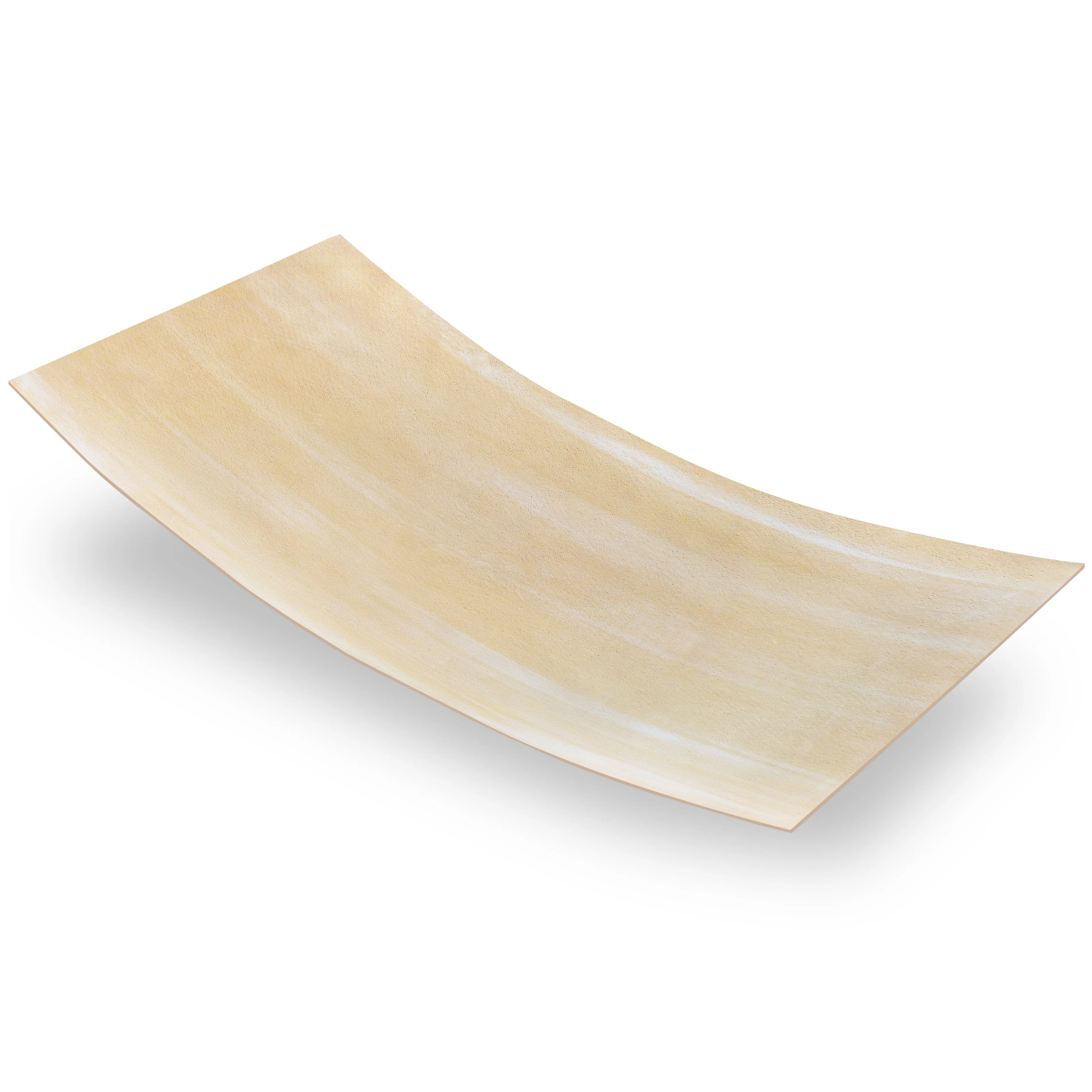
The foundation of Sandstone Cloude care is consistent daily maintenance. By staying on top of dust and minor messes, you'll prevent buildup that can become harder to remove later. Here's how to do it right:
Dust and loose dirt are the biggest culprits behind a dull Sandstone Cloude surface. For floors, use a soft-bristle broom or a microfiber dust mop to sweep away debris. Avoid stiff brushes or brooms with plastic bristles, as these can scratch the stone. For walls or vertical surfaces, a dry microfiber cloth works best—gently wipe in a circular motion to lift dust without pressing too hard.
Sandstone Cloude's porosity means time is of the essence when spills happen. Whether it's a glass of water, a splash of juice, or a drizzle of oil, grab a clean, absorbent cloth (like a paper towel or microfiber rag) and blot the spill—don't wipe! Wiping can spread the liquid, pushing it deeper into the stone's pores. For acidic spills (like vinegar, citrus juice, or wine), blot first, then rinse the area with a damp cloth to neutralize any remaining acid, which can etch the surface over time.
For surfaces that need a little more than dusting—like kitchen countertops after meal prep—mix a few drops of mild, pH-neutral dish soap with warm water. Dip a soft cloth into the solution, wring it out well (you want it damp, not wet), and wipe the surface gently. Avoid all-purpose cleaners, bleach, or ammonia-based products, as these can strip the stone's natural oils and cause discoloration. After wiping, dry the area with a clean cloth to prevent water spots.
| Daily Maintenance Do's | Daily Maintenance Don'ts |
|---|---|
| Use microfiber cloths or soft-bristle tools | Use steel wool, scouring pads, or stiff brushes |
| Blot spills immediately (don't wipe) | Let spills sit for more than 5 minutes |
| Stick to pH-neutral, mild cleaners | Use acidic cleaners (vinegar, lemon) or bleach |
| Dry surfaces after wiping to prevent water spots | Leave standing water on the stone |
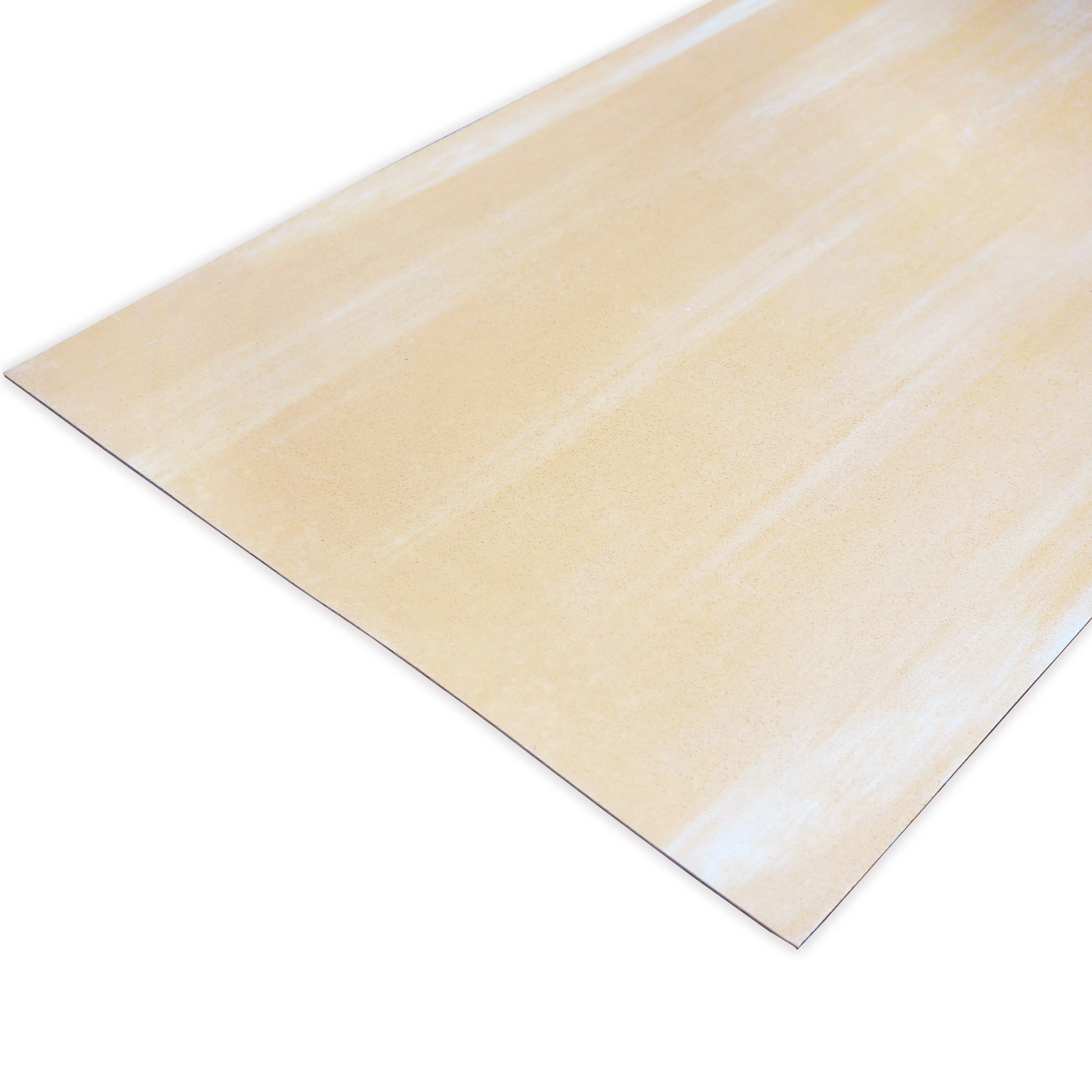
Even with daily care, Sandstone Cloude will benefit from a deeper clean every 2–3 months, especially in high-traffic areas like entryways or kitchens. Deep cleaning removes embedded dirt, refreshes the stone's texture, and prepares it for long-term protection (more on that later). Here's how to do it safely and effectively:
You'll need: a soft-bristle scrub brush (avoid wire or plastic), a bucket of warm water, pH-neutral stone cleaner (look for products labeled "safe for natural stone"), a microfiber mop (for floors), and several clean, dry microfiber cloths.
Start by removing any loose items from the area—dishes from countertops, rugs from floors—and give the surface a thorough dusting or sweeping to eliminate loose dirt. This prevents debris from scratching the stone during cleaning.
Mix your pH-neutral cleaner with warm water according to the product instructions (typically 1–2 tablespoons per gallon of water). Dip your soft-bristle brush or mop into the solution, wring it out until it's just damp, and work in small sections (3x3 feet for floors, or countertop sections). For floors, use a gentle, back-and-forth motion with the mop; for countertops or walls, scrub lightly with the brush, focusing on any areas with visible grime. Avoid applying too much pressure—let the cleaner do the work.
After cleaning a section, rinse the area with a clean, damp cloth or mop (dipped in plain water) to remove any leftover cleaner residue. Residue can attract dust and make the stone look dull, so don't skip this step! Immediately dry the area with a clean microfiber cloth to prevent water spots or streaks.
Pro Tip: For extra stubborn, ground-in dirt (like in grout lines or textured crevices), use a soft toothbrush dipped in the cleaning solution to gently scrub the area. The small bristles can reach into tight spaces without scratching the stone.

Even with the best intentions, stains happen. Maybe a splatter of olive oil during cooking, a spilled glass of red wine at a dinner party, or a smudge of ink from a leaky pen—these mishaps can leave unsightly marks on Sandstone Cloude. The key is to act fast and use the right method for the stain type. Here's how to handle the most common culprits:
Oil stains are tricky because they can seep deep into Sandstone Cloude's pores. Start by blotting up as much oil as possible with a clean cloth (don't rub!). Then, cover the stain with a thick paste made from baking soda and water (about 3 parts baking soda to 1 part water). Let the paste sit for 24–48 hours—the baking soda will absorb the oil from the stone. Afterward, gently scrape off the dried paste with a plastic scraper (avoid metal, which can scratch), then clean the area with a damp cloth and pH-neutral cleaner. Repeat if the stain is still visible.
Organic stains often leave pink or brown discoloration. Blot the spill immediately, then mix a solution of 1 part hydrogen peroxide (3% concentration, the kind you find at the drugstore) and 2 parts water. Apply the solution to the stain with a clean cloth, and let it sit for 10–15 minutes. Rinse with a damp cloth and dry. For older or darker stains, you can add a drop of ammonia to the hydrogen peroxide solution (test on an inconspicuous area first to ensure it doesn't lighten the stone).
For water-based inks, blot the stain and then clean with a damp cloth and pH-neutral cleaner. For oil-based inks or dyes, apply a small amount of rubbing alcohol to a cotton ball and gently dab the stain (don't rub, as this can spread the ink). Let the alcohol sit for 5 minutes, then blot with a clean cloth. Repeat until the stain fades, then rinse with water and dry.
Mold thrives in moist environments, so Sandstone Cloude in bathrooms or basements may occasionally develop mildew. Mix a solution of equal parts water and white vinegar (yes, vinegar is acidic, but in small, diluted amounts, it's safe for occasional use on mold). Apply the solution to the moldy area with a spray bottle, let it sit for 10 minutes, then scrub gently with a soft brush. Rinse thoroughly with water and dry completely to prevent regrowth.
The best way to minimize stains and damage to Sandstone Cloude is to seal it regularly. A quality stone sealer creates a protective barrier on the stone's surface, reducing its porosity and making it harder for liquids and dirt to penetrate. Think of it like a raincoat for your stone—while it won't make it completely impervious, it buys you time to wipe up spills before they become stains.
Newly installed Sandstone Cloude should be sealed 2–4 weeks after installation to allow the stone to fully cure. After that, reseal every 1–2 years, depending on usage. High-traffic areas (like kitchen floors) or surfaces exposed to frequent moisture (like bathroom walls) may need sealing every 6–12 months. To check if your stone needs sealing, pour a few drops of water on the surface—if it beads up, the sealer is still effective. If it soaks into the stone within 5 minutes, it's time to reseal.
Look for a penetrating sealer specifically designed for porous stones like sandstone or travertine. Avoid topical sealers (which sit on the surface and can make the stone look glossy or plastic-like) and opt for water-based or solvent-based penetrating sealers instead. Water-based sealers are low-odor and easier to clean up, while solvent-based sealers may offer slightly longer protection. Both work well—choose based on your preference and the stone's location (solvent-based sealers are better for outdoor use, as they're more weather-resistant).
1.
Clean the surface first:
Make sure the Sandstone Cloude is free of dust, dirt, and stains (deep clean if needed) and completely dry. Any moisture or debris will prevent the sealer from adhering properly.
2.
Apply the sealer:
Pour a small amount of sealer onto a clean, lint-free cloth or sponge. Apply it evenly to the stone in a thin, consistent layer, working in small sections (about 2x2 feet). Avoid puddling—excess sealer can dry into a cloudy film.
3.
Let it absorb:
Allow the sealer to penetrate the stone for 5–10 minutes. If the surface looks dry, apply a second thin layer.
4.
Wipe off excess:
After 10 minutes, use a clean cloth to wipe away any sealer that hasn't been absorbed. This prevents sticky residue or streaks.
5.
Let it cure:
Keep the area dry and unused for 24–48 hours to allow the sealer to fully cure. Avoid walking on floors or placing items on countertops during this time.
For those who love the look of natural stone but want a more low-maintenance alternative, materials like mcm flexible stone offer similar aesthetic appeal with added durability. While mcm flexible stone is engineered to be more resistant to stains and scratches, it still benefits from regular cleaning and occasional sealing—proving that even the most innovative materials require a little care to shine.
Sandstone Cloude is more than just a building material—it's a piece of nature that brings warmth and character to your space. With daily dusting, gentle cleaning, prompt stain removal, and regular sealing, you can ensure it remains a focal point for years to come. Remember, the goal isn't perfection—it's consistency. A little effort each day goes a long way in preserving the stone's natural beauty, so you can continue to enjoy its soft veining and earthy charm for decades. Whether you're a new Sandstone Cloude owner or looking to revive an older installation, these tips will help you keep your stone looking its best, turning your house into a home that feels both elegant and effortlessly lived-in.
Recommend Products












