
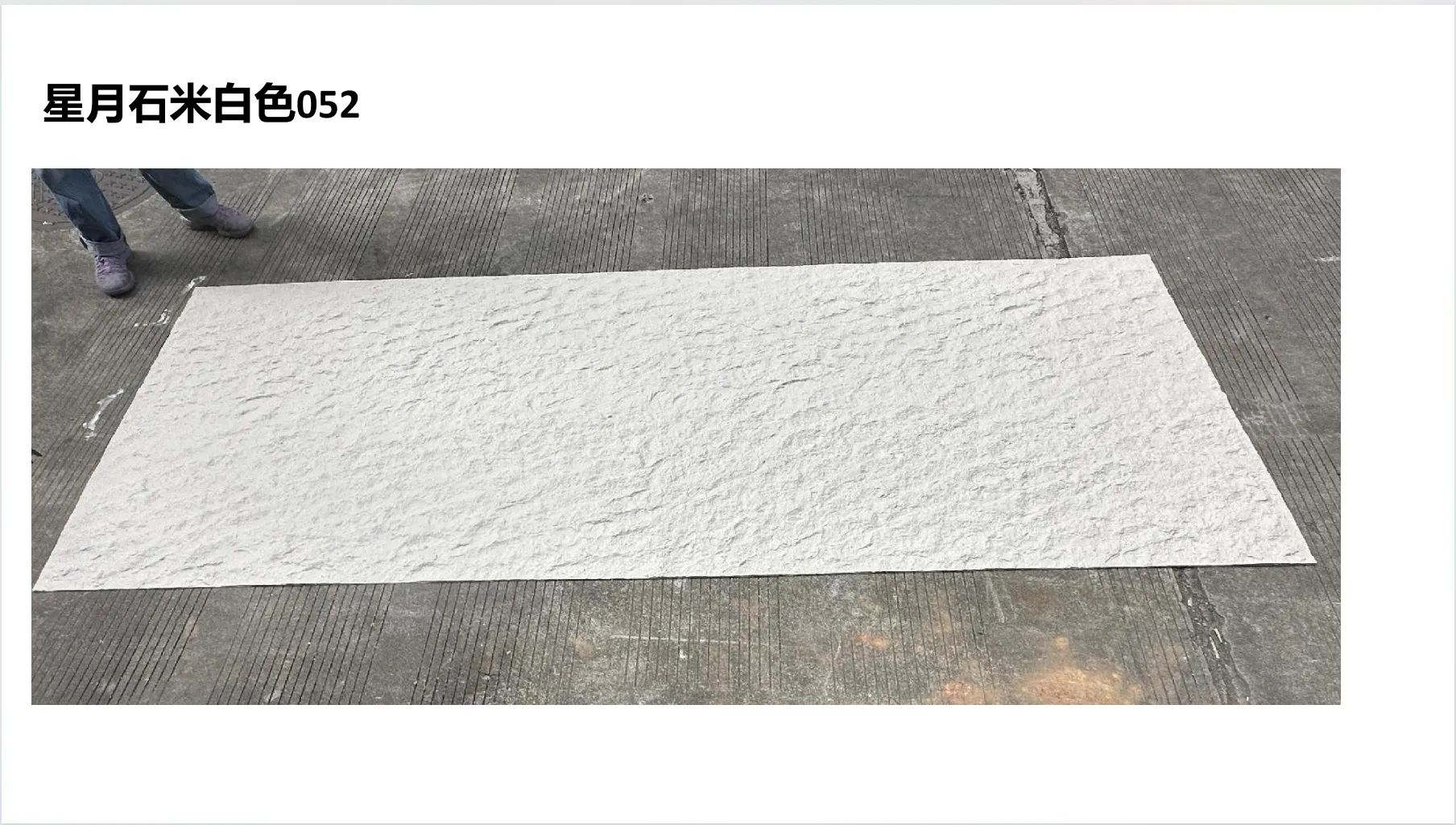
Starmoon Stone is one of the most eye-catching finishes in the MCM Flexible Stone series from Coloria Group, a leading manufacturer of modified clay building materials based in Foshan, China. Its deep, moonlit surface with subtle star-like sparkle makes it a favorite for feature walls, facades, and accent panels. But like any premium surface, its beauty depends on how well you look after it. This guide explains exactly how to keep Starmoon Stone color looking as rich and even as the day it was installed.
The good news is that Starmoon Stone is a flexible stone panel engineered for low maintenance. Its color is not a surface coating that can peel or wear away; the pigments are integrated throughout the material matrix during manufacturing. That means the color will not fade, chip, or flake off under normal conditions. What can change the appearance over time is surface dirt, grime, and the wrong cleaning habits. With a simple routine, you can protect the finish for decades.
Before talking about cleaning, it helps to understand why this material behaves differently from natural stone or painted surfaces. Natural stone often needs periodic sealing and specialist treatments, while painted walls require repainting every few years. Starmoon Stone avoids both problems because the color runs through the entire panel. There is no thin surface layer to wear down, so the deep tone you see at installation is the tone you keep.
This is also why UV exposure is rarely a concern. Because the pigment is part of the material itself rather than a dye applied on top, strong sunlight does not cause the dramatic fading seen on some coated panels. If you ever notice the surface looking lighter or duller, the cause is almost always a build-up of dust and grime that needs a proper clean, not a loss of color.
A few habits can damage any stone-look surface, including Starmoon Stone. Follow these four rules and you will avoid almost all maintenance problems.
1. Never use abrasive tools. Powdered cleansers, steel wool, scouring pads, and wire brushes leave micro-scratches that dull the finish and trap dirt. Stick to microfiber cloths, soft sponges, and soft-bristle brushes.
2. Never use harsh chemicals. Undiluted bleach, ammonia-based cleaners, oven cleaners, and acidic rust removers can etch or discolor the surface. Use pH-neutral cleaners such as mild dish soap diluted in water.
3. Never pressure wash aggressively. If you use a pressure washer on exterior panels, keep the pressure low, use a wide fan nozzle, and hold it at least 30 cm from the surface. Never aim the spray directly at panel joints or edges.
4. Never let spills sit. Starmoon Stone resists staining well, but strong staining agents like red wine, coffee, cooking oil, and fruit juice should be wiped up quickly. The longer they sit, the harder they are to remove.
One universal precaution applies to everything below: always test any cleaning product on a small, inconspicuous area first and wait 24 hours to confirm there is no discoloration.
A simple routine keeps the surface looking fresh and prevents dirt from building up in the texture.
Interior walls: Dust weekly with a dry microfiber cloth or a vacuum fitted with a soft brush attachment. For fingerprints or light marks, wipe with a barely damp cloth and dry immediately with a separate cloth to avoid water spots. Every month or so, do a deeper clean with a few drops of pH-neutral dish soap in warm water, then rinse with a clean damp cloth and dry thoroughly.
Exterior facades: Rinse with a garden hose two to four times a year, working from the top down. In dusty, urban, or industrial areas, increase this to monthly. After storms or sandstorms, rinse panels promptly so abrasive particles do not settle into the surface texture.
Keeping gutters and downspouts clear is also important for exterior panels. Dirty water running over the surface can leave streaks that make the color look uneven.
Accidents happen, but most stains can be removed without harming the finish.
Oil, grease, and food fats: Blot with paper towels to absorb as much as possible, then spray with a pH-neutral degreaser, let it sit for a minute, scrub gently with a soft brush, and rinse. For stubborn stains, make a paste of baking soda and water, apply it thickly over the stain, cover with plastic wrap, and leave for 24 hours before scraping off and rinsing.
Coffee, tea, and fruit juice: Blot immediately, then clean with pH-neutral soap and water. These tannin-based stains are much easier to remove while fresh.
Mold and mildew: Use a 50/50 mix of white vinegar and water or a 3% hydrogen peroxide solution. Spray, leave for 10 to 15 minutes, scrub gently with a soft brush, and rinse. Never use bleach, which can discolor the surface.
Rust: Rust usually comes from metal furniture, leaking pipes, or iron-rich water. Avoid general-purpose acidic rust removers. Use a poultice or gel rust remover labeled safe for stone, and follow the instructions exactly.
Paint: Wipe wet paint immediately with a damp cloth. For dried paint, scrape carefully with a plastic putty knife held at a low angle, then remove any residue with a soft brush and rinse.
Where the panels are installed affects how often they need attention.
Humid and tropical climates: Check shaded, north-facing walls quarterly for early signs of algae or mold. After heavy rain, confirm that joints and sealant beads are intact and that drainage is clear.
Desert and arid climates: Dust is the main concern. Rinse exterior panels monthly during dry, windy seasons and always after sandstorms. Inspect sealant joints annually, as intense UV can degrade them faster.
Cold and freeze-thaw climates: Remove snow with a soft-bristle broom or plastic shovel, never metal tools. Do not use salt or chemical de-icers near the panels; use sand for traction instead. In early spring, check for trapped moisture behind panels that could freeze and expand.
For most interior applications, Starmoon Stone needs no additional sealing because it is manufactured with inherent water and stain resistance. Sealing is worth considering only for high-splash zones such as kitchen backsplashes and shower surrounds, or ground-floor exterior walls exposed to mud and road salt.
If you do seal, choose a high-quality, water-based, breathable penetrating sealer. Avoid film-forming sealers, which trap moisture and can alter the appearance. A simple water test tells you when resealing is needed: if water beads up and rolls off, the protection is intact; if water soaks in and darkens the surface, it is time to reseal. As a general guide, reseal exterior panels every three to five years and high-splash interior zones every two to three years.
Keep this simple schedule in mind and your Starmoon Stone will stay in excellent condition.
Weekly: Dust interior panels with a dry microfiber cloth.
Monthly: Check joints and edges for gaps; spot-clean any visible stains.
Quarterly: Deep clean with pH-neutral soap; inspect for mold, mildew, or discoloration.
Seasonally: Rinse exterior panels from top to bottom; check gutters and downspouts.
Annually: Do a full inspection of joints, sealant, and surface condition; perform the water test.
Will Starmoon Stone fade in direct sunlight? No. The color pigments are integrated throughout the material, so UV exposure does not cause the fading seen on surface-coated panels. If the surface looks lighter, it is usually surface dirt that needs cleaning.
Can I use a steam cleaner? Not recommended. The combination of high heat and moisture can stress the surface and affect adhesive bonds at the edges. Stick to the methods in this guide.
Does Starmoon Stone need sealing when first installed? Not for most interior walls. Sealing is only necessary in high-splash zones or ground-floor exterior areas exposed to mud and road salt.
How do I clean panels near a swimming pool? Rinse with fresh water monthly to prevent chlorine residue build-up, and use only pH-neutral cleaners, as pool chemicals are highly reactive.
Maintaining Starmoon Stone color is straightforward: clean gently, clean regularly, and avoid harsh products. Because the color is built into the material, a well-maintained panel keeps its rich, even tone for decades without repainting or recoating. For more information about the starmoon stone finish, other MCM flexible stone options, or installation and care advice, contact the Coloria Group team. As a one-stop supplier of building materials for residential and commercial projects, Coloria is ready to help you choose the right surface and keep it looking its best for years to come.
Recommend Products












