
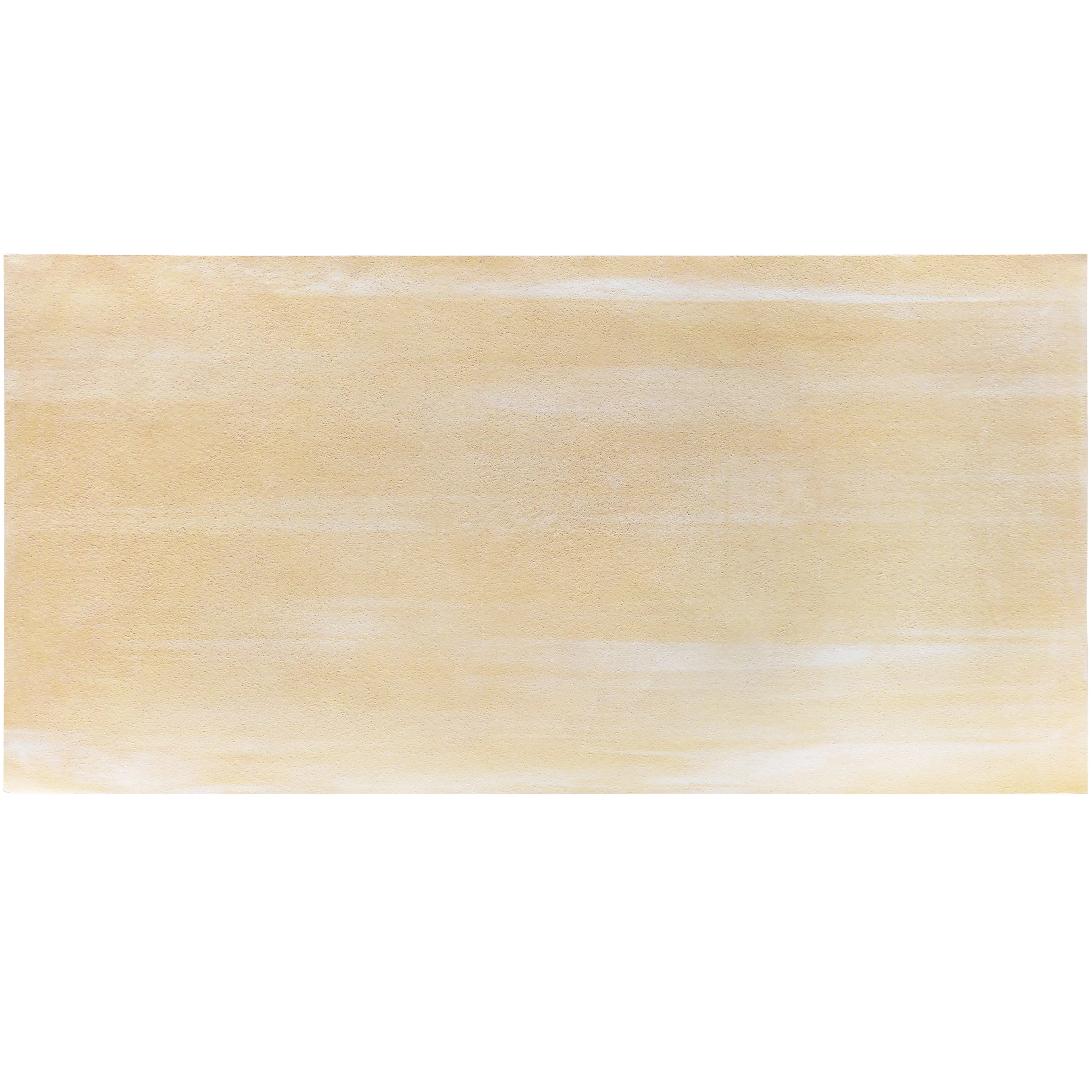
Every building tells a story. The materials we choose—whether for a cozy café, a towering office complex, or a historic renovation—shape not just the structure's look, but its feel, its durability, and even how people connect with it. For architects, designers, and project managers, finding that perfect material is like hunting for a missing puzzle piece: it needs to align with the vision, fit the budget, and stand the test of time. That's where Sandstone Cloude comes in.
Soft yet sturdy, with a texture that mimics wind-swept desert dunes and a color palette that shifts like morning fog, Sandstone Cloude has become a favorite for clients who want spaces that feel both organic and intentional. But ordering a custom version? That's where the magic (and sometimes the stress) happens. How do you turn a vague idea—"I want it to look like sun-bleached stone, but with more warmth"—into a tangible product that arrives on time and matches your vision?
At COLORIA GROUP, we've spent over a decade refining a client process that takes the guesswork out of custom material orders. It's not just about manufacturing panels; it's about listening, collaborating, and turning your vision into reality. Let's walk through how it works, step by step—with stories from real projects and insights into what makes Sandstone Cloude, well, Cloud .
Every project starts with a conversation. Not a sales pitch, not a catalog review—just you, your team, and our project consultants sitting down (or hopping on a video call) to talk about what you really need. "We had a client once, a boutique hotel in Marrakech, who came to us with a mood board full of desert sunset photos and a single note: 'Make the lobby feel like you're standing in a canyon at dusk,'" recalls Lina, our lead consultant for North African projects. "They didn't know Sandstone Cloude by name yet—they just knew they wanted something that wasn't marble, wasn't concrete, but had that raw, earthy quality."
During this first meeting, we dig into the details: Is the project indoor or outdoor? (Sandstone Cloude performs beautifully in both, but outdoor use might require extra UV protection.) What's the scale? (A small accent wall vs. a 10-story facade means different manufacturing approaches.) Are there budget or timeline constraints? And most importantly: What emotions do you want the space to evoke? "We had a tech startup in Berlin that wanted their office to feel 'grounded but innovative'—so we talked about balancing Sandstone Cloude's organic texture with sleek, modern lines," says Marco, who handles European accounts.
We also bring samples—real, tactile swatches of Sandstone Cloude in different finishes (matte, semi-polished, weathered) and color variations. "Clients often say, 'I didn't know it could look like that,'" Lina laughs. "A lot of people assume custom means 'expensive' or 'limited,' but with our modified composite material panels, we can tweak everything from the grain size to the undertones without blowing the budget."
By the end of the consultation, we'll have a clear brief: project scope, material specs (thickness, size, finish), and a rough timeline. And if you're still unsure about Sandstone Cloude? We'll compare it to other options—like Travertine (Starry Blue) for a more dramatic look or Lunar Peak Silvery for a cooler palette—to ensure you're confident in your choice.
Pro Tip: Come prepared with more than just "I want it to look nice." Mood boards, photos of spaces you love (or hate!), and even fabric swatches or paint chips can help us nail the aesthetic. One client brought in a jar of desert sand they collected on a trip—we matched the panel's texture to that exact grit.
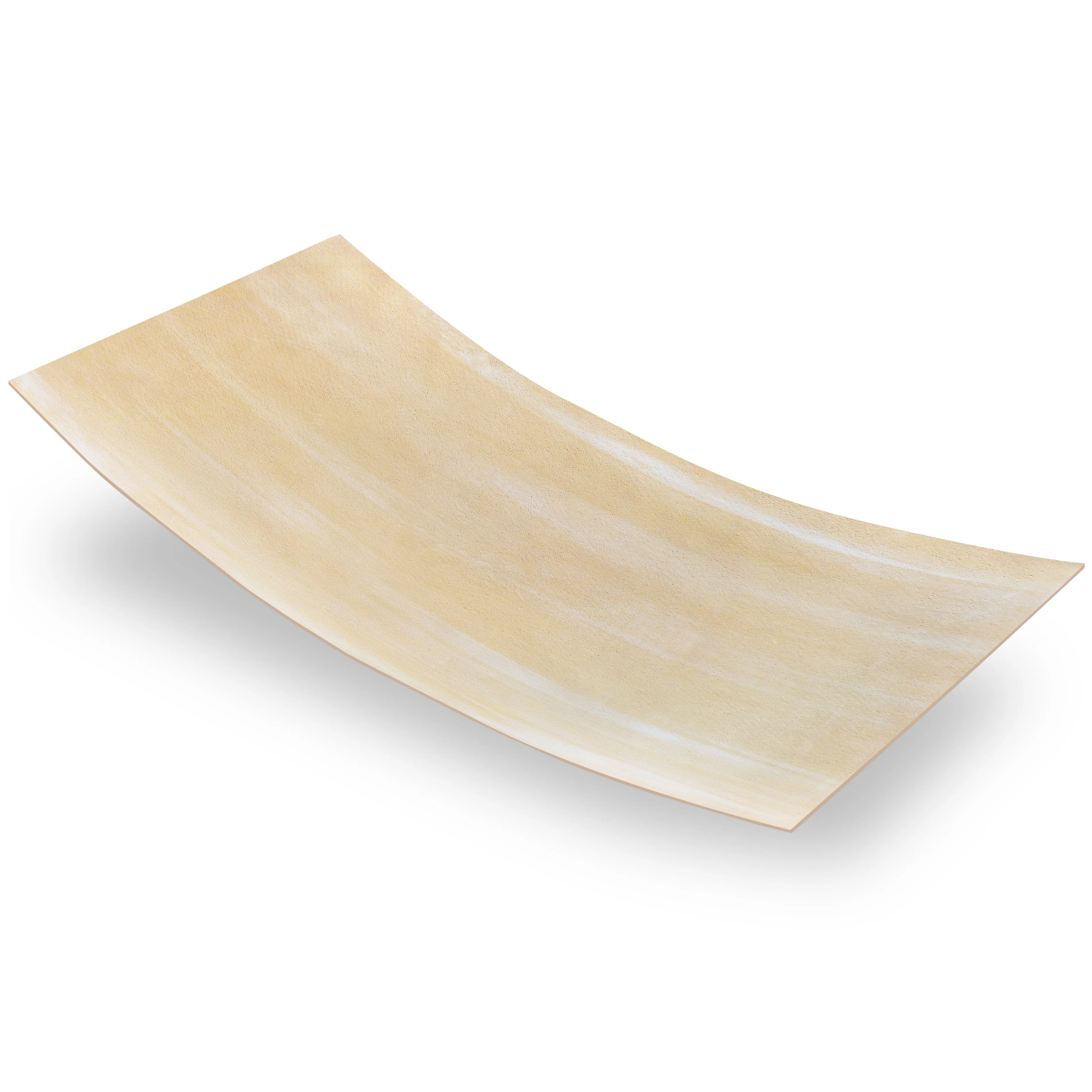
Once we understand your vision, our design team takes over. Think of them as material alchemists: they'll translate your mood board and notes into technical specs for your custom Sandstone Cloude. This is where we dive into the details that make your project unique.
First, the base material. Sandstone Cloude is part of our Custom MCM Exterior Panels line—Modified Composite Material—that's lightweight (about 70% lighter than natural stone) but incredibly strong (it can withstand extreme temperature swings and heavy rain). But "lightweight" doesn't mean "flimsy." We recently used it for a rooftop bar in Dubai, where it's exposed to 45°C summers and sandstorms—and it still looks as good as the day it was installed.
Next, color and texture. Sandstone Cloude's base palette is soft: think warm beiges, muted grays, and hints of terracotta. But custom means you can tweak the undertones. For a restaurant in Kyoto, we added subtle green flecks to mimic moss-covered stone ("They wanted it to feel like a forest temple, even in the city center," says our color specialist, Akira). For a museum in Barcelona, we deepened the gray tones and added a slight sheen to complement the building's modern glass facade.
Then there's size. If you're working on a large-scale project—say, a shopping mall with a 50-meter facade—our Architectural Big Slab Solutions come into play. We can manufacture Sandstone Cloude panels up to 3 meters in length, reducing the number of seams and creating a seamless, imposing look. "A client in Riyadh once told us, 'I want people to look up and feel small, but in a good way—like they're standing at the base of a natural cliff,'" Marco remembers. "We used 2.5m x 1.2m big slabs, and when the first shipment arrived, their architect teared up. 'That's exactly what I saw in my head,' he said."
Sustainability also factors in here. Sandstone Cloude is part of our Green Building Materials range, made with 30% recycled content and low-VOC pigments. "More and more clients ask about carbon footprints," Lina notes. "We're transparent about our manufacturing process—how we source raw materials, how much energy we use, even how we package shipments to reduce waste. For a LEED-certified office in Vancouver, we even provided a sustainability report to help them meet their certification goals."
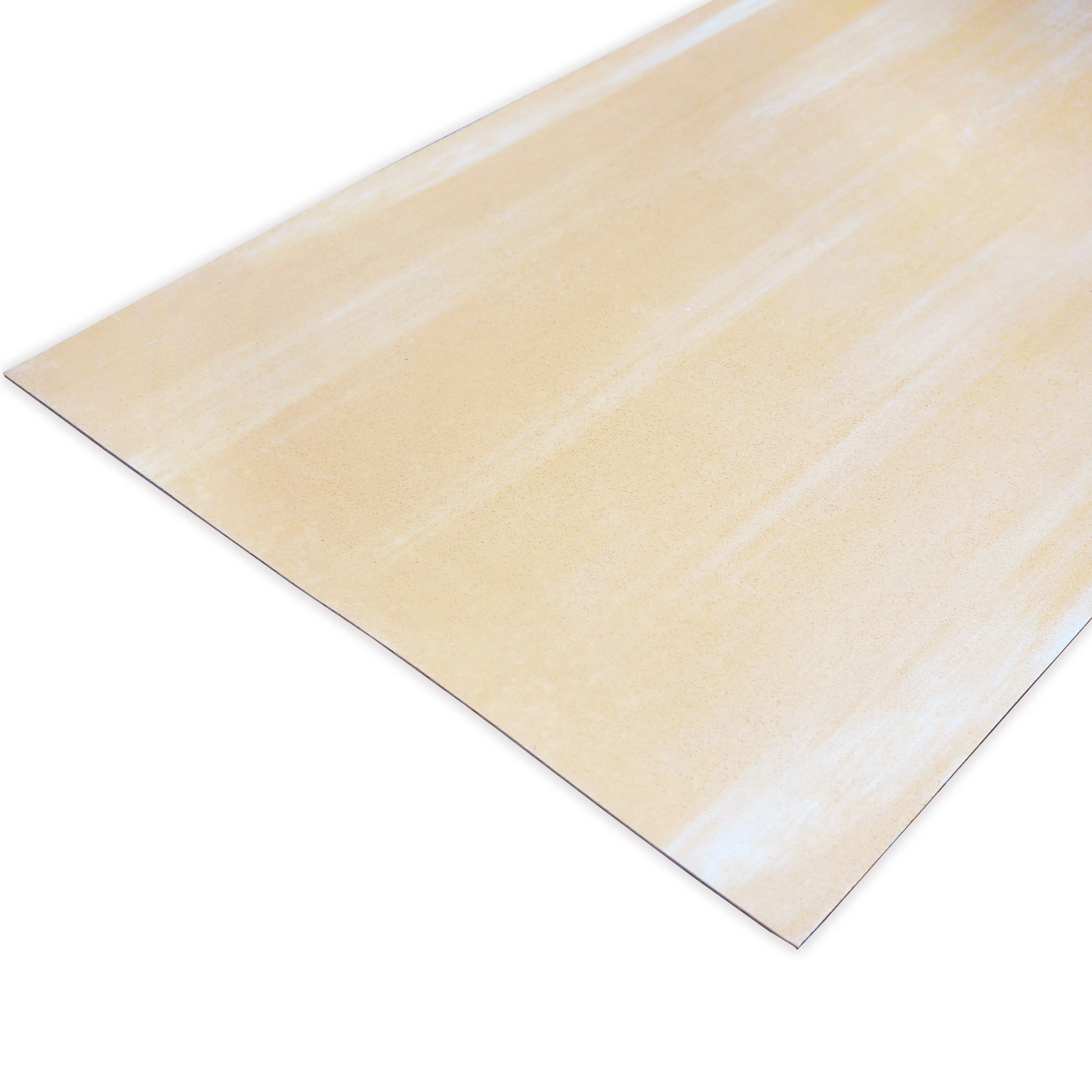
You've approved the design specs. Now it's time to create a prototype. This is non-negotiable for us—no client should pay for a full order without seeing a physical sample first. "We had a luxury residential project in Paris where the client insisted, 'I know what I want—I don't need a prototype,'" Akira says. "We made one anyway, and when they saw it, they said, 'Oh! The texture is more pronounced than I imagined.' We adjusted it, and they ended up loving the final version. Prototypes save everyone from expensive mistakes."
Our prototyping process takes 2–3 weeks, depending on complexity. We manufacture a 60cm x 60cm panel (or larger, if you need to test a seam) using the exact same materials and techniques as the final product. Then we ship it to you, along with a detailed spec sheet: thickness, weight, color match (using Pantone codes), and performance data (water absorption rate, fire resistance). "We include a small 'test kit' too," Lina adds. "A spray bottle of water to see how the panel reacts when wet, a UV lamp to simulate sun exposure—so clients can stress-test it themselves."
Feedback loops here are quick. If the color is too pale, we adjust the pigment ratio. If the texture is too smooth, we tweak the molding process. For that Marrakech hotel we mentioned earlier, the first prototype was "too red," according to the client. "They wanted more of a pinkish-beige, like the sand dunes outside the city," Lina says. "We sent three more prototypes before we got it right—and when they finally said, 'That's it,' their designer hugged the panel. Literally hugged it."
Once the prototype is approved, we lock in the design and move to production. This is when we send you a final quote, including manufacturing, shipping, and any installation support—no hidden fees. "Transparency is key," Marco says. "We had a client in New York who'd been burned by a supplier before, who added 'rush fees' halfway through production. We put everything in writing upfront, so there are no surprises."
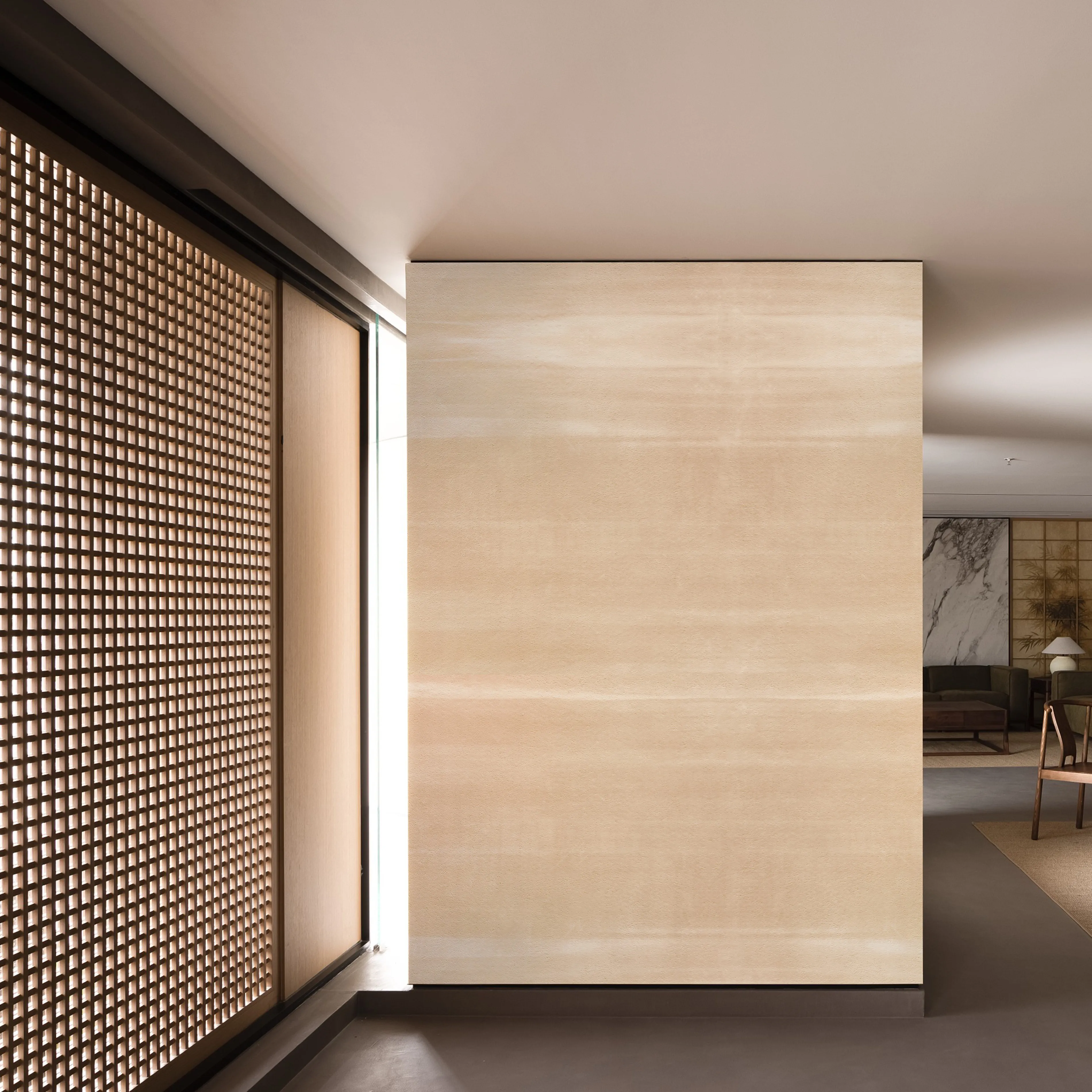
Production starts with a kickoff meeting—your team, our production managers, and quality control leads—to review the prototype and confirm timelines. Sandstone Cloude is manufactured in our state-of-the-art facility in Turkey, where we blend traditional craftsmanship with modern technology. "We still have artisans who hand-finish the edges for that 'imperfectly perfect' look," Akira explains. "But we also use 3D scanning to ensure every panel matches the prototype's dimensions exactly."
Quality checks happen at every stage. Raw materials are tested for consistency (no more than 5% variation in particle size, for example). During molding, technicians inspect panels for air bubbles or uneven texture. After curing, each panel is measured, weighed, and color-checked against the prototype. "We had a batch once where the color was slightly off—about 2 Pantone shades too dark," Marco recalls. "We scrapped the entire run and started over. The client was furious at first, but when we explained we'd rather delay than deliver subpar material, they ended up referring us to three other projects."
For large orders, we also do "lot testing." We'll send you a sample from the first production run to ensure it matches the approved prototype—because even with strict controls, slight variations can happen. "A university in Sydney ordered 500 panels for their new arts building," Lina says. "The first lot was perfect, but the second had a slightly different sheen. We traced it to a new batch of resin from our supplier. We worked with them to adjust the formula, and the client never knew there was a hiccup—we absorbed the cost of the rework."
Production timelines vary by order size: a small batch (under 100 panels) takes 4–6 weeks, while a large order (500+ panels) might take 8–10 weeks. We always build in a buffer—"because shipping delays, material shortages, life happens," Marco says. "Better to deliver a week early than a day late."
Your panels are ready. Now, how do they get from our factory to your site—and how do you ensure they're installed correctly? We handle logistics, but we don't just drop them off and disappear.
First, packaging. Sandstone Cloude panels are durable, but they're also delicate enough to scratch if not handled properly. We wrap each panel in moisture-resistant film, stack them on custom pallets with foam dividers, and ship them in climate-controlled containers (critical for long-haul trips, like to Australia or Canada). "We once shipped panels to a remote resort in the Maldives," Lina laughs. "The boat got delayed by a monsoon, but the packaging kept everything dry and intact. The contractor said, 'I've never seen materials arrive in this good shape after a month at sea.'"
Then, installation support. Sandstone Cloude is a Flexible Stone Cladding Panel, which means it's lightweight and easy to cut on-site—but that doesn't mean installers always know the best practices. We provide a detailed installation guide, complete with video tutorials, and offer on-site training if needed. "For a hospital in Munich, their contractor had never worked with flexible stone before," Marco says. "We flew our technical lead out for two days to train the crew. They finished the installation a week ahead of schedule, and the head contractor said, 'You've saved us so much time and stress.'"
Finally, post-installation follow-up. About a month after the project is done, we check in to see how the panels are holding up. "A hotel in Bali had an issue with some panels warping in the humidity—turns out the installer hadn't used the recommended adhesive," Akira says. "We sent replacement panels and a technical team to fix the issue, no charge. They're now a repeat client."
Ordering custom Sandstone Cloude isn't just a transaction—it's a partnership. At every step, we're invested in your project's success, because your success is our reputation. "We had a client in Lisbon who told us, 'I've worked with 10 material suppliers, and none of them cared as much as you do,'" Marco says. "That's the goal. We don't want to be just another vendor—we want to be the team you call when you have a crazy idea and need someone to say, 'Let's make it happen.'"
So, what's next? If you're ready to explore custom Sandstone Cloude for your project, reach out. Bring your mood boards, your wild ideas, even that jar of desert sand. We'll listen, collaborate, and turn your vision into a space that tells your story—one panel at a time.
| Step | What Happens | Timeline | Key Deliverables |
|---|---|---|---|
| Initial Consultation | Collaborative discussion to define project goals, scope, and aesthetic needs. | 1–2 weeks | Project brief, mood board alignment, initial cost estimate. |
| Design & Material Selection | Technical specs finalization: color, texture, size, sustainability features. | 2–3 weeks | Detailed design proposal, material samples, sustainability report (if requested). |
| Prototyping & Approval | Manufacture and review of a physical prototype; feedback adjustments. | 2–3 weeks | Approved prototype, final quote, production timeline. |
| Production & Quality Checks | Manufacturing with rigorous quality control at every stage. | 4–10 weeks (varies by order size) | Batch samples, quality inspection report. |
| Delivery & Installation | Secure shipping, on-site support, and post-installation follow-up. | 1–2 weeks (shipping) + on-site time | Delivered panels, installation guide, technical support. |
Real Client Testimonial: "Working with COLORIA on our hotel's Sandstone Cloude facade was the easiest part of the project. They took our vague 'desert modern' concept and turned it into something tangible—even when we changed our minds three times about the color. The prototype stage was a game-changer; seeing the panel in person made all the difference. Now, guests walk into the lobby and say, 'It feels like a luxury camp in the Sahara, but in the middle of the city.' That's exactly what we wanted." — Karim, Hotelier, Marrakech
Recommend Products












