
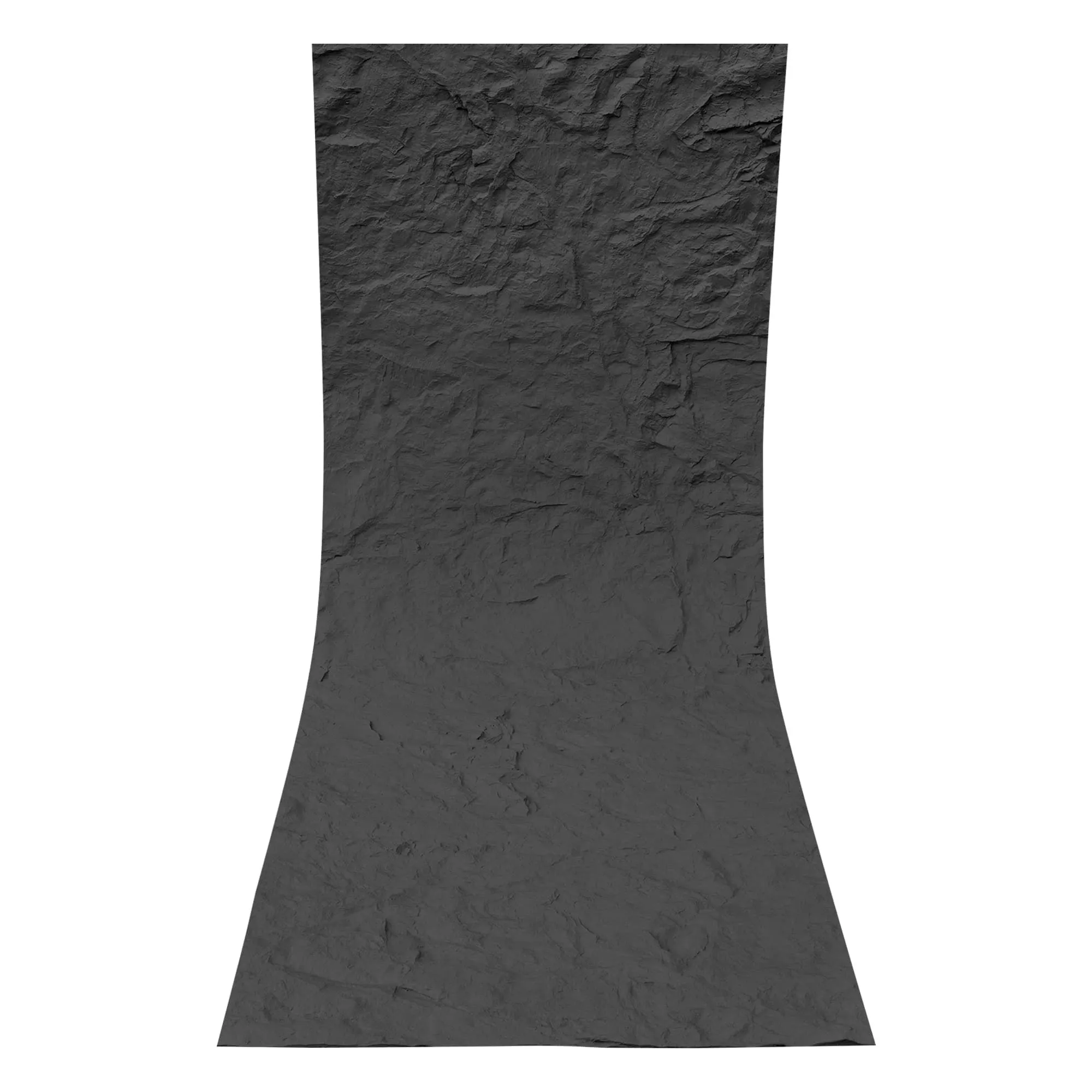
Boulder Slab from the MCM big slab board series is a revolutionary modified clay material that combines the aesthetic appeal of natural stone with the flexibility of modern composite materials. Like any building material, Boulder Slab may occasionally sustain damage from impact, weathering, or installation stress. Understanding how to properly assess and repair these damages ensures your investment maintains its beauty and structural integrity for years to come.
Before attempting any repair, it is essential to accurately identify the type and severity of damage. Boulder Slab surfaces can experience several types of damage, each requiring a specific repair approach:
Surface scratches appear as dull or whitish lines visible under certain lighting conditions. These marks do not penetrate deeply into the material and are the easiest to repair. On MCM materials like Boulder Slab, surface scratches typically result from abrasive cleaning methods or dragging rough objects across the surface.
Edge chips occur when small pieces of material break away from the slab edges, typically caused by impact from heavy objects or improper handling during installation. Chips smaller than 1/4 inch (6mm) can usually be repaired successfully with color-matched epoxy fillers. Larger chips may require professional attention or section replacement.
Surface pits occur in the middle of the slab face, typically caused by point impact from dropped heavy objects. These depressions vary in depth and diameter. MCM flexible materials are generally more resistant to deep impact damage compared to traditional stone, but pits can still occur and require proper filling techniques.
Hairline cracks are thin fractures that do not extend through the full thickness of the slab. They often appear near structural stress points such as corners or around mounting hardware. These cracks should be addressed promptly to prevent moisture infiltration and crack propagation.
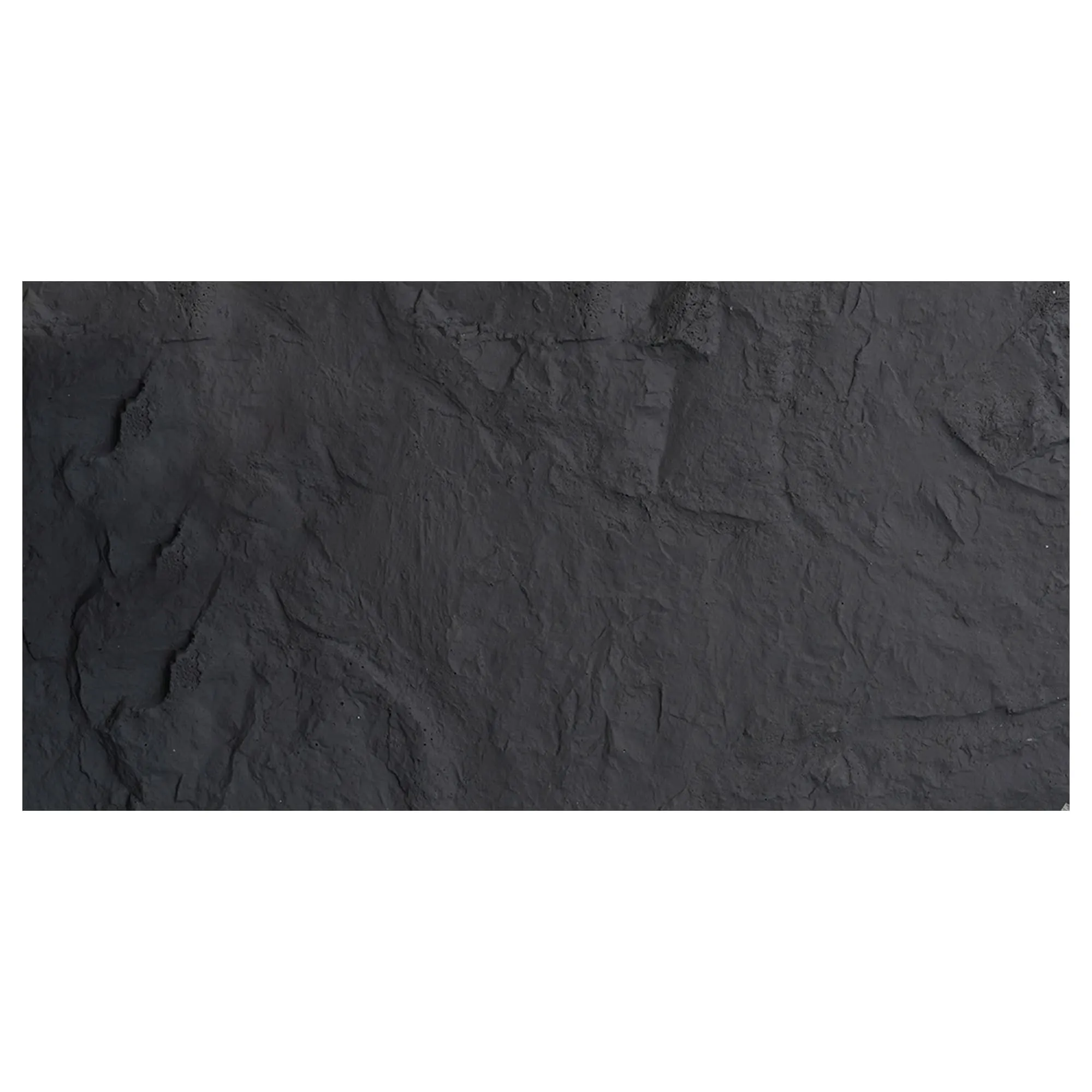
For minor chips, scratches, and surface damage, Boulder Slab can be effectively repaired using professional-grade stone repair materials. Here is a comprehensive step-by-step guide:
The damaged area must be completely free of dust, oils, and moisture. Use acetone or a stone-safe cleaner applied with a lint-free cloth to thoroughly clean the surface. Allow the area to dry completely before proceeding. Any contamination beneath the repair material will prevent proper bonding and may cause discoloration over time.
Achieving an invisible repair requires precise color matching. Use a high-quality two-part epoxy resin designed specifically for stone and composite materials. Begin with a neutral or clear base adhesive and add pigment in very small increments until the mixture matches the background color of your Boulder Slab. Remember that epoxy appears slightly different when cured compared to its wet state, so test a small sample and allow it to cure before applying to the actual repair.
Slightly overfill the damaged area with the color-matched epoxy using a small spatula, putty knife, or toothpick for precision work. Work the material into any undercut areas of the chip to ensure complete filling. Avoid creating air bubbles by working slowly and methodically. The repair material should sit slightly proud (above) the surrounding surface to allow for leveling.
Allow the epoxy to cure completely according to the manufacturer's specifications. Most stone repair epoxies require 24 to 48 hours for full cure at room temperature. Avoid handling or disturbing the repair during this period, as premature manipulation can ruin the bond and finish.
Once fully cured, use a sharp razor blade held flat against the surface to carefully shave the epoxy flush with the surrounding material. Follow with progressive sanding using fine-grit sandpaper (starting with 400 grit, then progressing to 800 grit or higher). Finish with a stone polishing compound to match the sheen of the surrounding Boulder Slab surface. This final polishing step is critical for achieving a professional, nearly invisible repair.
Certain damage scenarios require professional intervention to ensure structural integrity and aesthetic quality:
Professional stone restoration specialists use advanced techniques including structural epoxy injection, fiberglass rod reinforcement, and precision color-matching systems that deliver results difficult to achieve with consumer-grade materials.
Boulder Slab's unique MCM (Modified Clay Material) composition offers several advantages when it comes to damage repair:
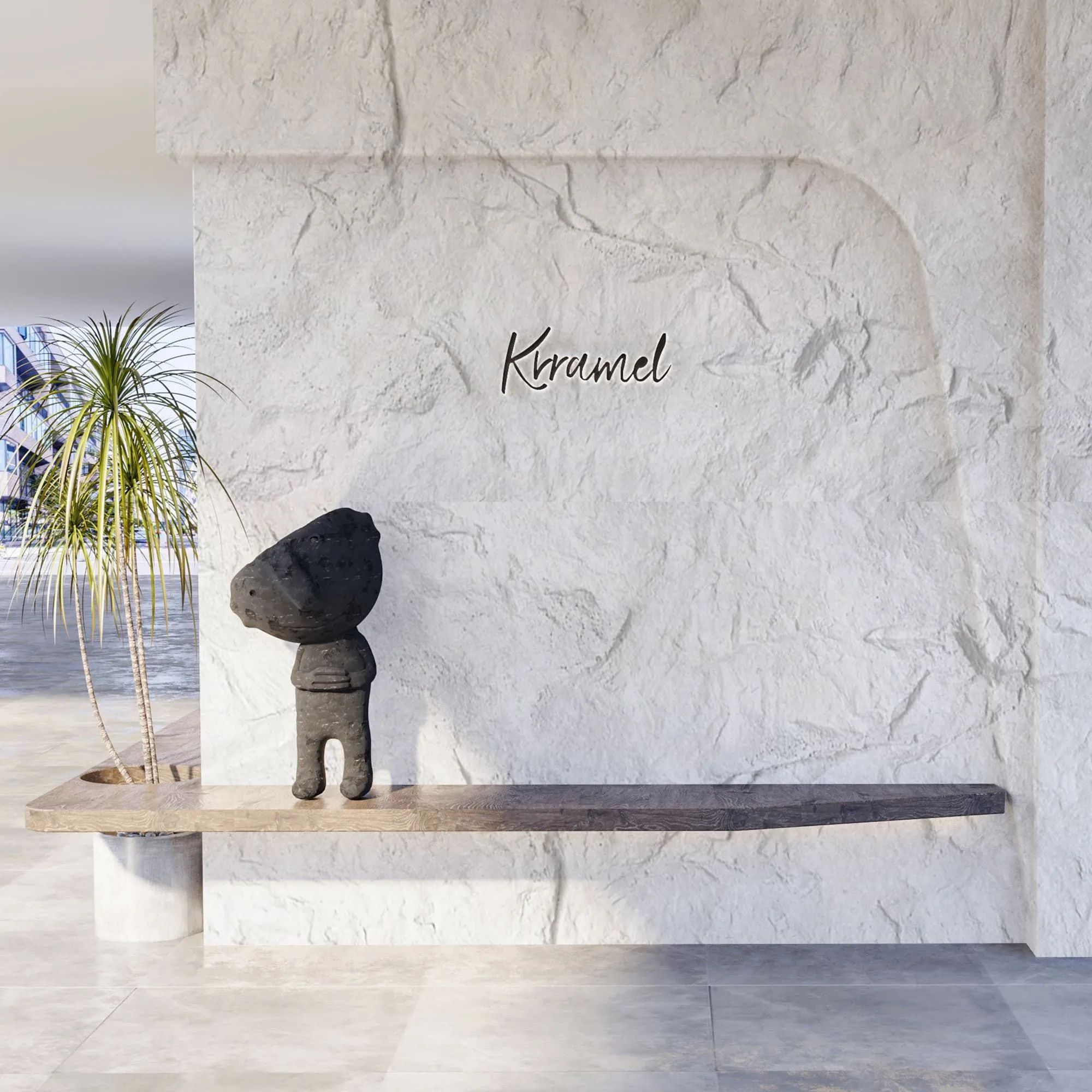
Proper care and preventive measures significantly extend the life of your Boulder Slab installation and reduce the need for repairs:
Apply a high-quality penetrating sealer designed for stone and composite materials annually. Sealing creates a protective barrier against moisture infiltration and staining, which can weaken the material over time.
Ensure adequate substrate support during installation. Unsupported overhangs and uneven substrates are primary causes of crack development in slab materials. Follow manufacturer guidelines for support spacing and substrate preparation.
Use pH-neutral cleaners specifically formulated for stone and composite surfaces. Avoid abrasive cleaning pads, steel wool, or acidic cleaners that can damage the surface finish and create areas susceptible to staining and wear.
Use protective mats, trivets, and cutting boards to prevent impact damage from heavy objects. While Boulder Slab is durable, point impacts from dropped heavy items can still cause chips and surface damage.
In some cases, replacement may be more cost-effective than repair:
Consult with a qualified stone professional to evaluate whether repair or replacement is the optimal solution for your specific situation.
Repairing damaged Boulder Slab is a manageable process when you understand the type of damage and select appropriate repair methods. Minor chips and surface damage respond well to DIY epoxy repair techniques, while structural damage requires professional attention. The inherent advantages of MCM materials, including consistent coloration and superior bonding characteristics, make Boulder Slab an excellent candidate for successful long-term repairs.
By following proper preparation, application, and finishing techniques, and implementing preventive maintenance practices, your Boulder Slab installation can maintain its aesthetic appeal and structural integrity for decades. For complex repairs or when in doubt about the severity of damage, consulting with professional stone restoration specialists ensures the best possible outcome for your investment.
Recommend Products












