

Masonry stone represents one of the most enduring and aesthetically pleasing building materials used in both residential and commercial construction projects. However, exposure to weather elements, structural settling, moisture infiltration, and general wear over time can cause damage that requires professional attention. Understanding how to properly repair damaged masonry stone ensures the longevity of your building facade while maintaining its architectural integrity and visual appeal.
Before undertaking any repair work, conducting a thorough assessment of the damaged masonry stone is essential. Professional contractors typically begin by tapping the stone surface with a rubber mallet to detect hollow sounds that indicate delamination or separation within the stone structure. Visible signs of damage include spalling (surface flaking), cracking, mortar deterioration, efflorescence (white mineral deposits), and displaced or loose stones. Using a string line across the wall surface helps identify bulging or displacement exceeding 25mm over a 3-meter span, which may indicate structural issues requiring engineering intervention beyond cosmetic repair.
Documenting the location, size, and type of each defect enables proper planning of materials and repair techniques. Photographs taken before, during, and after repairs provide valuable records for future maintenance planning and warranty documentation.
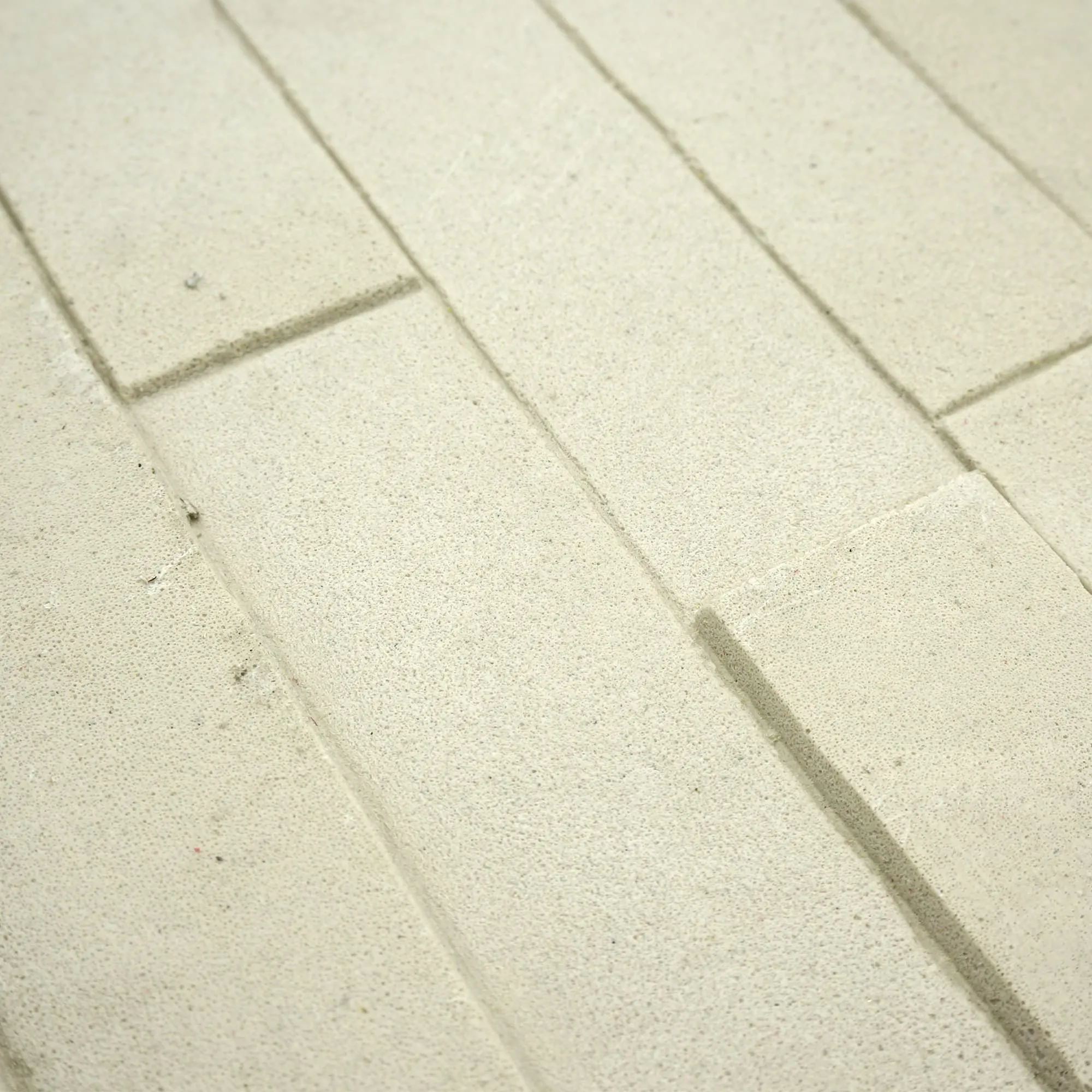
The choice of mortar critically impacts the success and longevity of masonry stone repairs. A fundamental principle in stone masonry restoration is that the repair mortar must be softer than the surrounding stone to allow moisture vapor transmission and prevent accelerated deterioration. For most historic and traditional stonework, lime-based mortars (NHL 2.0 to NHL 3.5) provide optimal performance because they accommodate minor structural movement while allowing walls to breathe naturally.
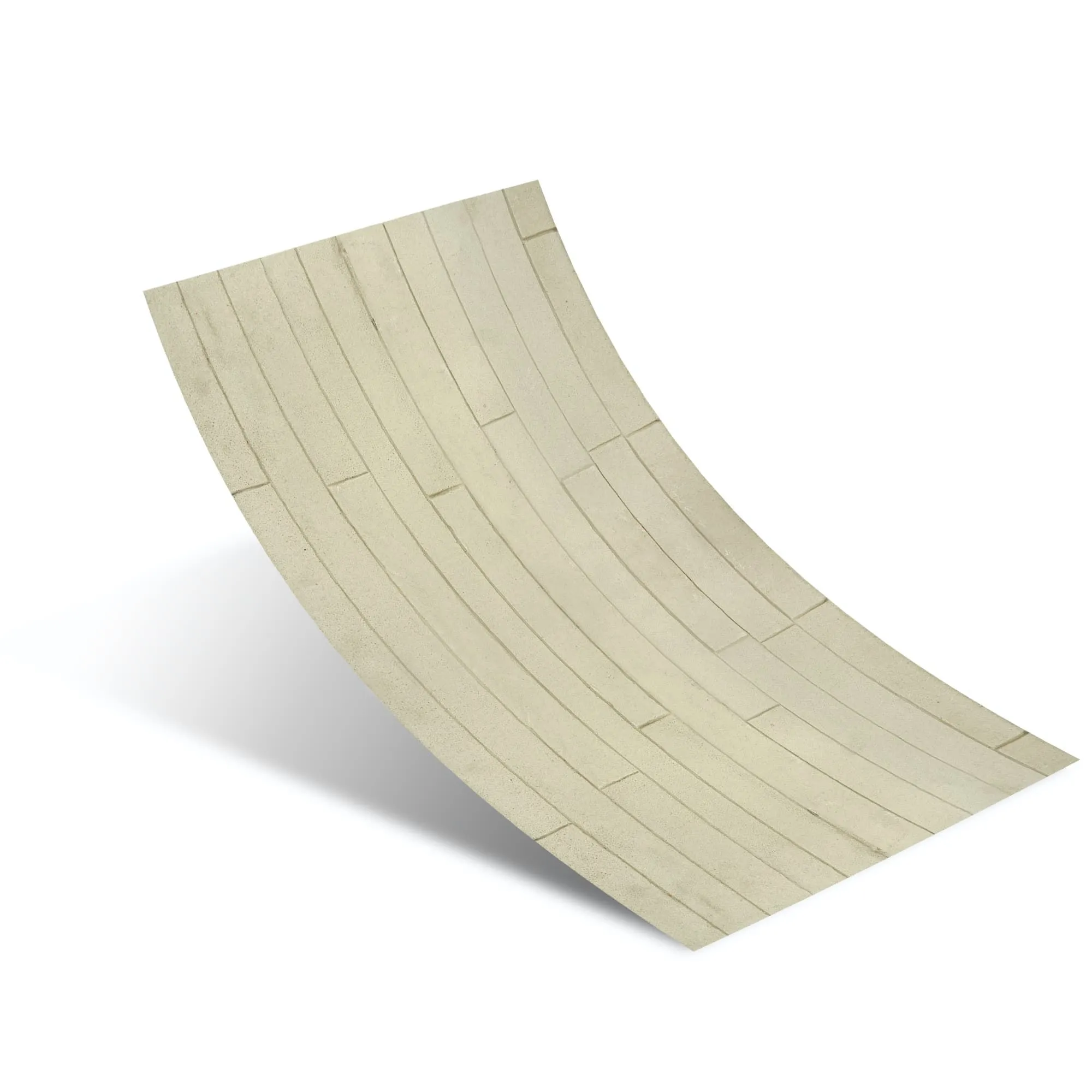
Modern construction projects increasingly utilize advanced flexible stone materials such as MCM (Modified Clay Materials) that combine the authentic appearance of natural stone with enhanced durability and flexibility. These innovative building materials resist cracking from thermal expansion and structural movement, reducing the frequency of repairs compared to traditional rigid stone installations.
Avoid using hard Portland cement mortars on natural stone repairs, as this common mistake traps moisture within the stone structure, leading to freeze-thaw damage, salt crystallization, and accelerated decay at the mortar-stone interface.
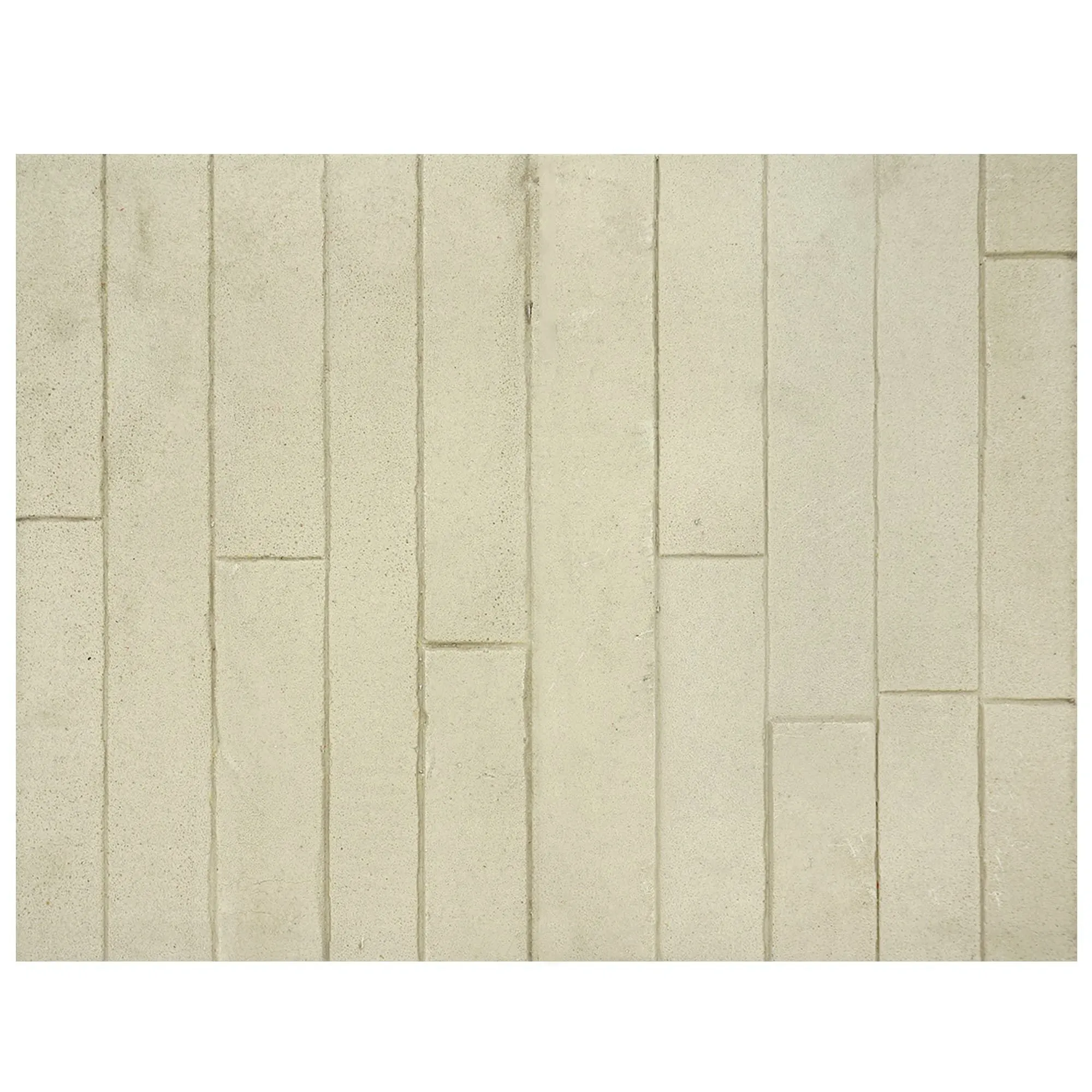
Repointing represents the most common repair technique for damaged masonry stone walls, addressing deteriorated mortar while preserving the original stone units. The process begins with carefully removing loose and deteriorated mortar to a minimum depth of 20mm using a plugging chisel or mortar rake, taking care not to damage the stone arrises. After thoroughly flushing the joints with water to remove dust and debris, the new mortar is prepared to a stiff consistency that holds its shape when formed into a ball by hand.
Apply mortar in layers no thicker than 10mm at a time, compacting each layer firmly with a pointing iron or finger jointer before adding the next layer. This layered application ensures proper compaction and reduces the risk of shrinkage cracking. Once the mortar reaches thumbprint hardness (typically 30 minutes to 2 hours depending on conditions), tool the joints to match the original profile—whether flush, weathered, struck, or concave. Proper curing requires misting the repaired area twice daily for at least 7 days, protecting the work from direct sunlight and rapid drying that causes cracking.
When masonry stone units are severely damaged beyond repair through repointing or patching, replacement becomes necessary. Begin by carefully chiseling away the mortar surrounding the damaged stone, working from the center outward to avoid damaging adjacent units. Once removed, clean the cavity thoroughly and pre-dampen all surfaces to prevent rapid moisture absorption from fresh mortar.
select replacement stone that matches the original in geological type, color, texture, and size. Natural bedding planes must be oriented correctly during installation—stone placed with bedding perpendicular to its natural orientation may delaminate prematurely. Apply a full mortar bed to the supporting surface, butter the head joints, and position the new stone aligned with surrounding work. Point the perimeter joints after the initial set (typically 24 hours) to allow for proper bond development.
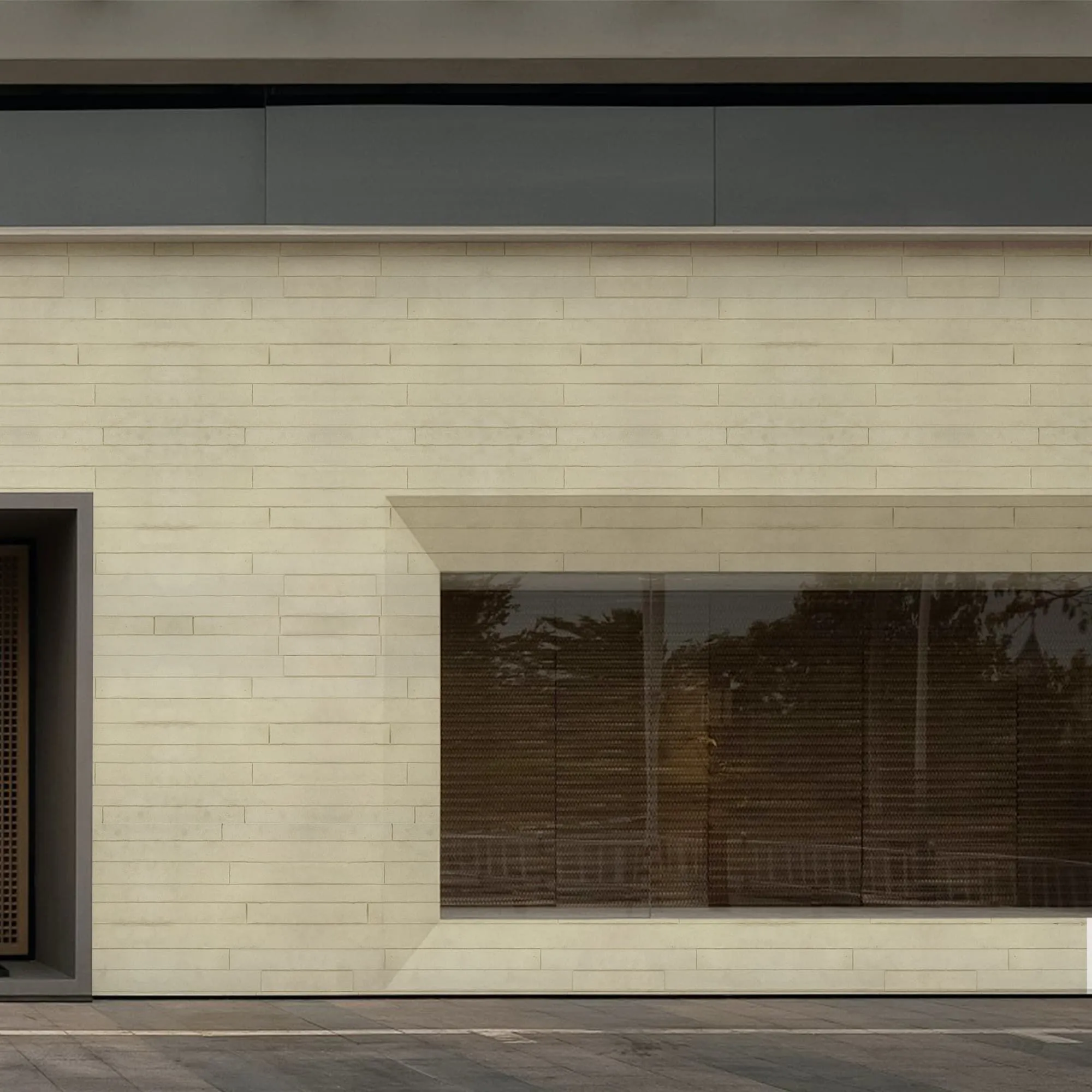
For projects requiring extensive stone replacement or new installations, exterior wall cladding solutions using MCM materials offer significant advantages in terms of installation speed, weight reduction, and long-term durability while maintaining the authentic stone appearance desired by architects and property owners.
Hairline cracks in masonry stone often result from thermal cycling or minor structural movement and may not require intervention if stable. However, active cracks that continue to widen or cracks with displacement indicating ongoing structural movement demand professional assessment. Crack stitching using stainless steel bed-joint reinforcement bars provides invisible stabilization while allowing normal structural movements. Helical ties reconnect separated wythes in multi-wythe walls, while grout injection fills voids within the wall core.
Epoxy injection repairs should be reserved for engineered applications where structural bonding is specifically required, as this technique creates a rigid repair that may concentrate stress at the repair boundaries. For most traditional masonry stone structures, flexible repairs that accommodate movement prove more durable over time.
Implementing a regular maintenance program significantly extends the service life of masonry stone installations. Annual visual inspections identify developing problems before they escalate into major repairs. Clear vegetation growth from wall surfaces, as climbing plants trap moisture and their roots penetrate mortar joints. Ensure gutters, downspouts, and flashings function properly to direct rainwater away from masonry surfaces, preventing saturation that accelerates deterioration.
Gentle cleaning with low-pressure water and soft bristle brushes removes atmospheric soiling that can mask developing defects. Avoid aggressive cleaning methods such as sandblasting or high-pressure washing that can damage stone surfaces and accelerate future deterioration. Address any new cracks, loose stones, or deteriorated mortar promptly rather than allowing water infiltration to compound the damage.
Property owners undertaking new construction or renovation projects should consider modern MCM flexible building materials that offer the authentic appearance of traditional masonry stone with enhanced resistance to the damage mechanisms that affect natural stone. These advanced materials reduce maintenance requirements while providing the aesthetic qualities that make stone construction timeless.
While minor repointing and cosmetic repairs may fall within the capabilities of experienced maintenance personnel, certain conditions warrant professional masonry contractors. Bulging walls, through-cracks with displacement, leaning structures, and foundation movement indicate structural problems beyond surface-level repair. Similarly, historic buildings requiring stone replacement benefit from specialized expertise in matching original materials and installation techniques.
Professional contractors bring specialized tools, material knowledge, and experience that ensures repairs integrate seamlessly with existing masonry while meeting building code requirements. For comprehensive building material solutions encompassing masonry stone products, installation materials, and expert guidance, consulting with established suppliers ensures access to quality materials and reliable technical support for successful project outcomes.
Conclusion
Successful repair of damaged masonry stone requires careful assessment, appropriate material selection, proper technique execution, and ongoing maintenance vigilance. By understanding the principles of compatible mortar selection, correct installation methods, and preventive maintenance, property owners and contractors can restore damaged masonry to sound condition while preserving architectural character. Whether repairing existing traditional stonework or specifying materials for new construction, the principles of breathability, flexibility, and material compatibility ensure lasting results that maintain the beauty and structural integrity valued in quality building projects.
Recommend Products











