Let's face it, even the most durable and meticulously installed materials can encounter a little wear and tear over time. Whether it's a bustling commercial space or a cozy residential corner, accidents happen. You might have noticed a tiny chip, a minor scratch, or a slight discoloration on your beautiful MCM (Modified Cementitious Material)
semicircle board. Don't panic! The good news is that repairing minor damages on these versatile and eco-friendly surfaces is often much simpler than you might think. With a little know-how and the right approach, you can restore your MCM boards to their original splendor, maintaining the aesthetic integrity and longevity of your investment.
At COLORIA GROUP, we pride ourselves on being a **** (one-stop solution provider) for architectural materials, and that commitment extends beyond installation. We understand that our products, including our innovative
MCM Big Slab Board Series and
MCM Project Board Series, are chosen for their durability, aesthetic appeal, and sustainability. Our MCM products, including specialized shapes like semicircle boards, are designed to withstand significant daily challenges, yet even the toughest materials can benefit from proper care and timely minor repairs. This guide is designed to empower you with the practical steps needed to address those small imperfections, ensuring your MCM installations continue to look their best for years to come.
Before diving into repair techniques, it's crucial to appreciate what MCM materials are and why they're so fantastic. MCM, or Modified Cementitious Material, is a revolutionary class of building material that mimics the appearance of natural stone, wood, brick, and leather, but with superior performance characteristics. It's incredibly flexible, lightweight, and boasts excellent fire resistance, breathability, and moisture resistance. Our
MCM Flexible Stone line, for instance, offers stunning aesthetic versatility combined with unparalleled practicality. These materials are celebrated for their **** (green and eco-friendly) properties, being made from natural mineral powders and other green materials, requiring less energy in production, and contributing to healthier indoor environments. This understanding helps in choosing the right repair materials and techniques, as MCM responds differently than traditional ceramic tiles or natural stone. The inherent flexibility and homogeneous nature of MCM make minor repairs quite manageable, often requiring less invasive methods compared to more rigid materials.
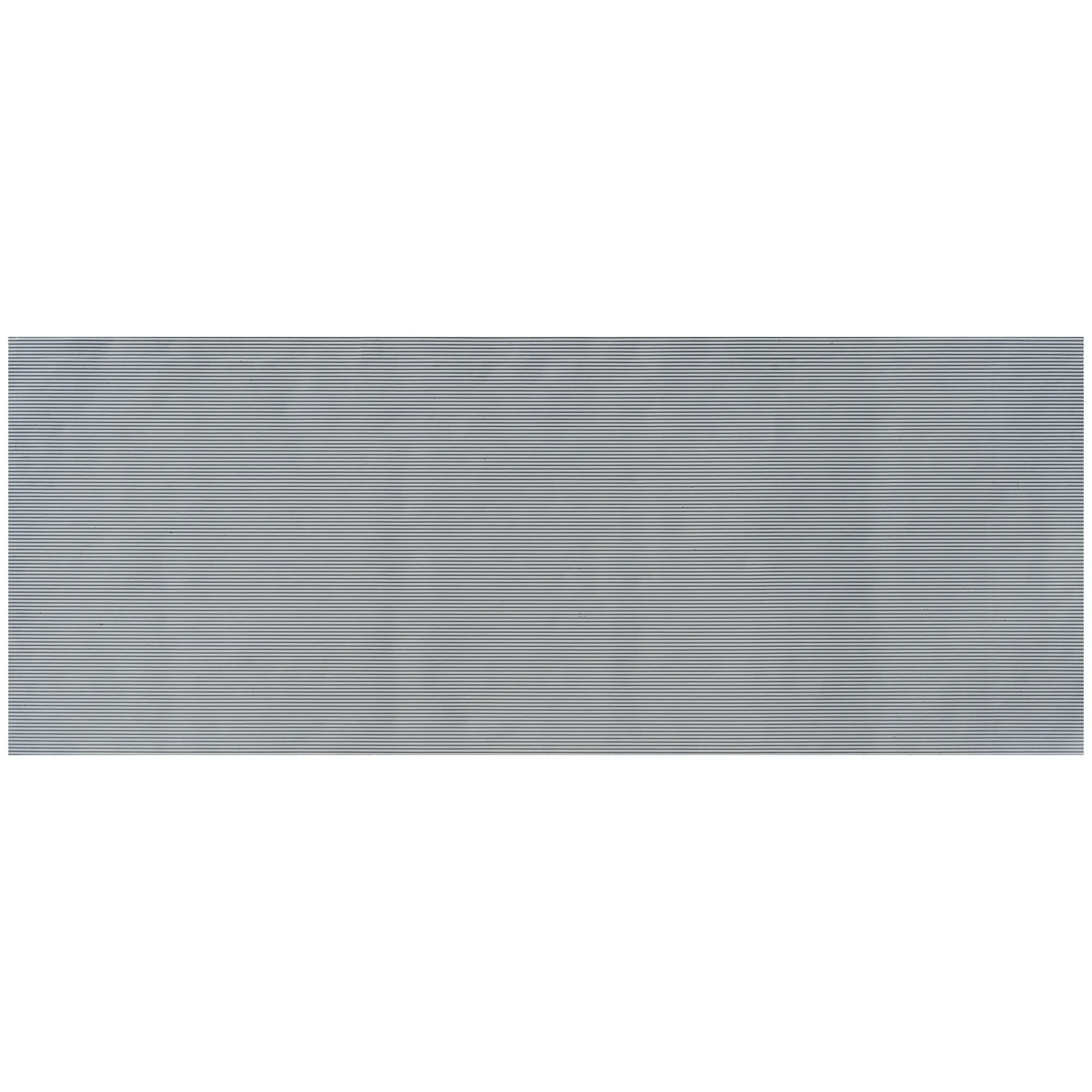
Semicircle boards, often used for decorative elements, column cladding, or unique architectural features, present a specific challenge due to their curved form. However, the repair principles remain largely consistent with flat MCM panels. The key is to work carefully, ensuring that the repair blends seamlessly with the existing curve and texture. Our focus on **** (customization) means that these unique shapes are designed with precision, and thus, repairs should aim to maintain that exact form. The beauty of MCM lies in its ability to be molded and shaped, which also makes localized repairs relatively straightforward.
Common Minor Damages and What Causes Them
Identifying the type of damage is the first step in any successful repair. Most minor issues you'll encounter with MCM semicircle boards fall into a few categories:
-
Surface Scratches:
These are usually superficial marks caused by abrasive contact. They might look unsightly but rarely affect the structural integrity of the board.
-
Small Chips or Dents:
Resulting from impact, perhaps a dropped tool or a bumped piece of furniture. These are localized imperfections where a small piece of the material has broken off or been pushed in.
-
Minor Discoloration or Stains:
While MCM is stain-resistant, prolonged exposure to certain chemicals or strong dyes, or simply everyday grime, can lead to localized discoloration.
-
Faded Areas:
Over very long periods, especially in areas exposed to harsh, direct sunlight without proper UV protection, slight fading might occur.
**Pro Tip:** Early detection and prompt attention to minor damages can prevent them from escalating into larger, more complex issues, saving you time, effort, and potential costs down the line. Regular cleaning and inspection are your best friends in maintaining the pristine condition of your MCM installations.
Essential Tools and Materials for MCM Repair
Before you begin, gather everything you'll need. Having the right tools and materials at hand will make the repair process smoother and more efficient.
-
Cleaning Supplies:
Mild detergent, warm water, soft cloths or sponges.
-
Fine-Grit Sandpaper (600-1000 grit):
For smoothing edges and light abrasion.
-
MCM Repair Kit/Filler:
This is crucial. COLORIA GROUP can advise on specific repair compounds compatible with our MCM products. These often consist of a specialized cementitious filler designed to match the MCM's properties and texture.
-
Color Pigments (Optional):
If your repair kit doesn't include matching color, you might need specific pigments to tint the filler to match your board's original hue. This is especially important for custom colors.
-
Applicator Tools:
Small putty knife, trowel, or even a craft stick for precise application.
-
Protective Gear:
Gloves, safety glasses, and a mask (especially if sanding).
-
Mixing Container:
If your filler comes in two parts or needs water added.
-
Sponge or Damp Cloth:
For wiping away excess material.
-
Sealant/Topcoat (Optional):
Depending on the original finish of your MCM board, a compatible sealant or topcoat might be needed to protect the repaired area.
Step-by-Step Guide to Minor MCM Semicircle Board Repairs
Let's walk through the repair process for different types of minor damage. Remember to always test any repair material on an inconspicuous area first, if possible, to ensure color and texture match.
Repairing Surface Scratches:
For light, superficial scratches that haven't deeply penetrated the MCM surface:
-
Clean the Area:
Thoroughly clean the scratched area with a mild detergent and warm water. Rinse well and allow it to dry completely. Any dirt or grease will hinder proper adhesion.
-
Light Sanding (Optional):
For very fine scratches, sometimes a very light buffing with extremely fine-grit sandpaper (1000 grit) can help. Move in the direction of the grain if there is one, or in gentle circular motions. Be extremely careful not to over-sand, as this can create a dull spot. This step is primarily to smooth any raised edges around the scratch.
-
Apply Repair Paste/Filler:
If the scratch is still visible after cleaning and light sanding (or if sanding isn't applicable), use a small amount of MCM repair paste. Apply it sparingly with a clean, soft cloth or a very small applicator, rubbing it into the scratch.
-
Wipe Away Excess:
Immediately wipe away any excess paste from the surrounding undamaged area with a clean, damp cloth.
-
Allow to Cure:
Let the repair paste cure according to the manufacturer's instructions. This might take several hours.
-
Buff (Optional):
Once cured, you can gently buff the area with a dry, soft cloth to restore the sheen, if applicable.
Fixing Small Chips or Dents:
This method is suitable for chips or dents that are smaller than a dime and don't affect the structural integrity of the board significantly.
-
Clean and Prepare:
Clean the chipped or dented area thoroughly with mild soap and water. Ensure it's free of loose debris. If there are any jagged edges, gently smooth them with very fine-grit sandpaper. For semicircle boards, pay extra attention to maintaining the curve.
-
Prepare the Filler:
Mix your MCM repair filler according to the product's instructions. If it's a two-part epoxy or requires water, ensure the consistency is thick enough to hold its shape but still workable. This is where color matching is crucial if your boards are a custom shade. Add pigments slowly until you achieve the desired match.
-
Apply the Filler:
Using a small putty knife, craft stick, or even your gloved finger, carefully apply the filler into the chipped area. Overfill slightly, ensuring the filler completely fills the void and forms a small mound above the surface. For semicircle boards, try to mimic the original curve as you apply.
-
Shape and Level:
Immediately after application, use the putty knife or a damp sponge to gently level the filler, making it flush with the surrounding MCM surface. For curved surfaces, use a flexible tool or even your finger (wearing a glove) to mold the filler to the existing curvature. The goal is a smooth transition.
-
Remove Excess:
While the filler is still wet, carefully wipe away any excess from the undamaged areas with a clean, damp cloth.
-
Cure Time:
Allow the filler to cure completely. This is paramount for durability. Refer to the product's instructions for specific drying times, which can range from a few hours to a full day.
-
Fine-Tune (Optional):
Once fully cured, if there are any minor imperfections or slightly raised areas, you can very gently sand them down with fine-grit sandpaper (600-800 grit) until smooth. Follow up with an even finer grit (1000 grit) for polishing. Be very light-handed, especially on textured surfaces.
-
Seal (If Necessary):
If your original MCM board has a protective sealant, reapply a compatible sealant to the repaired area to ensure consistent protection and finish.
Addressing Minor Discoloration or Stains:
MCM is quite resistant, but stubborn stains can happen.
-
Immediate Action:
For fresh stains, blot immediately with a clean, dry cloth. Do not rub, as this can spread the stain.
-
Mild Cleaning:
Start with the mildest cleaning agent. A solution of warm water and a pH-neutral cleaner is often effective. Apply, let it sit for a few minutes, then gently scrub with a soft brush or sponge. Rinse thoroughly.
-
Targeted Cleaners:
For tougher stains, you might need a specialized MCM cleaner or a very dilute solution of hydrogen peroxide or bleach for organic stains. Always test on an inconspicuous area first. Apply the cleaner, let it dwell for the recommended time, and then rinse thoroughly to remove all traces of the cleaner.
-
Repeat if Necessary:
Stubborn stains may require multiple applications.
-
Surface Repair (If Stain Persists):
If the stain has deeply permeated the material and cleaning isn't enough, you might need to treat it like a very shallow chip or a deep scratch, applying a thin layer of tinted MCM repair paste over the discolored area and blending it in.
Dealing with Faded Areas:
Fading is less common with modern MCM, especially our high-quality offerings at COLORIA GROUP, but if it occurs in older installations or extremely harsh conditions:
-
Clean Thoroughly:
Ensure the faded area is perfectly clean and dry.
-
Color Restoration Product:
Some manufacturers offer specific color restorers or enhancing sealants for MCM or similar cementitious products. These can often revive the original color. Apply according to product instructions.
-
Tinted Sealant/Topcoat:
As a more involved solution, you might consider applying a lightly tinted sealant or topcoat that matches the original color of the board. This requires precision to ensure an even application and a consistent finish across the entire board or section. This is a more advanced technique and may be better handled by a professional if covering a large area.
Prevention is Always Best: Maintaining Your MCM Semicircle Boards
While knowing how to repair minor damages is empowering, preventing them in the first place is even better. COLORIA GROUP designs its MCM products for longevity and low maintenance, but a proactive approach goes a long way.
-
Regular Cleaning:
Dust and dirt can be abrasive. Regular cleaning with mild soap and water prevents buildup and keeps your surfaces looking fresh.
-
Immediate Spill Cleanup:
Don't let spills sit, especially acidic or highly pigmented liquids. Wipe them up immediately.
-
Protect High-Traffic Areas:
In commercial settings, consider corner guards or protective barriers in areas prone to impact.
-
Use of Appropriate Cleaners:
Always use pH-neutral cleaners specifically designed for architectural surfaces or recommended by COLORIA GROUP. Avoid harsh chemicals, abrasive pads, or highly acidic/alkaline solutions.
-
Consider Sealants:
Depending on the specific MCM product and its application, a high-quality sealant can add an extra layer of protection against stains and moisture. Our MCM Flexible Stone products are highly durable, but external applications might benefit from periodic re-sealing.
-
Proper Installation:
A solid, professional installation (something COLORIA GROUP excels at as a ****) is the foundation of long-term durability, minimizing chances of edge chipping or panel displacement.
When to Call the Professionals
While many minor repairs are DIY-friendly, there are instances where professional intervention is recommended.
-
Extensive Damage:
Large cracks, deep gouges, or significant structural damage.
-
Water Damage:
If water has penetrated behind the MCM board, causing swelling or delamination.
-
Poor Initial Installation:
Issues arising from incorrect installation methods.
-
Complex Color Matching:
If you're struggling to match a unique or custom color precisely.
-
Time Constraints:
If you lack the time or confidence to undertake the repair yourself.
COLORIA GROUP, with decades of industry experience and a global presence (including our agency in Saudi Arabia), has the expertise and resources to handle more complex scenarios. Our commitment as a **** means we're here to support you from project inception to ongoing maintenance and beyond. We can provide guidance, recommend specific repair materials, or connect you with skilled professionals who specialize in MCM installations and repairs. Our emphasis on **** solutions extends to ensuring that even repairs maintain the unique character and finish of your original installation.
The Value Proposition of MCM: Beyond Just Repair
Understanding how to repair your MCM semicircle boards subtly reinforces the overall value and wisdom of choosing this material for your projects. It's not just about addressing issues; it's about appreciating a product that is designed for resilience and aesthetic continuity. Our **MCM** products, whether it's the large-format elegance of our
MCM Big Slab Board Series or the robust utility of the
MCM Project Board Series, offer a synthesis of form and function that is hard to match. The ability to perform simple, effective repairs extends the lifespan of the material, enhancing the return on investment for both residential and commercial applications.
Consider the implications of repairing versus replacing. With traditional materials, a minor chip might necessitate replacing an entire tile or section, leading to higher material costs, increased labor, and potential waste. With MCM, the localized repair strategy aligns perfectly with its **** credentials. By extending the life of existing installations through repair, we reduce the demand for new materials and minimize construction waste. This philosophy is deeply embedded in the COLORIA GROUP ethos: providing high-quality, sustainable solutions that are not only beautiful but also practical for long-term use.
|
Damage Type
|
Typical Cause
|
Recommended Repair Action
|
COLORIA GROUP MCM Benefit
|
|
Surface Scratches
|
Abrasive contact, minor friction
|
Clean, light sanding (if applicable), apply MCM repair paste, buff.
|
Homogeneous structure allows for easy blending and minimal material removal.
|
|
Small Chips/Dents
|
Impact from dropped objects, minor bumps
|
Clean, prepare filler, apply and shape filler, cure, fine-tune.
|
Flexible and durable nature helps resist deeper impact; specific fillers blend seamlessly.
|
|
Minor Discoloration/Stains
|
Prolonged exposure to certain liquids/dirt, everyday grime
|
Immediate blotting, mild cleaning, targeted cleaners, or thin layer of repair paste.
|
Inherently stain-resistant; surface treatment can often restore appearance without replacement.
|
|
Fading
|
Harsh, prolonged UV exposure (less common with modern MCM)
|
Thorough cleaning, color restorer, or tinted sealant/topcoat.
|
High-quality pigments and finishes in COLORIA GROUP MCM ensure long-lasting color stability.
|
*This table provides a general overview. Always refer to specific product guidelines for precise repair instructions.*
Embracing Longevity with COLORIA GROUP MCM
Ultimately, maintaining the beauty and performance of your MCM semicircle boards is about understanding the material and having the confidence to address minor issues as they arise. The ease with which these simple repairs can be carried out speaks volumes about the thoughtful engineering behind COLORIA GROUP's **MCM** products. From the tactile appeal of
MCM Flexible Stone to the grand scale of the
MCM Big Slab Board Series, our commitment is to provide materials that not only meet the immediate aesthetic and functional demands of your project but also offer lasting value through their durability, reparability, and sustainability.
As a global leader and a **** in architectural materials, COLORIA GROUP continues to innovate, offering **** options that empower architects, designers, and builders to create spaces that are both stunning and sustainable. These minor repair guidelines are just one facet of the comprehensive support we aim to provide, ensuring that your investment in MCM materials continues to shine brightly, seamlessly integrating into your residential or commercial masterpiece for decades to come. Don't let minor damages detract from the sophisticated appeal of your MCM surfaces; armed with these simple fixes, you're well-equipped to keep them looking impeccable.













