
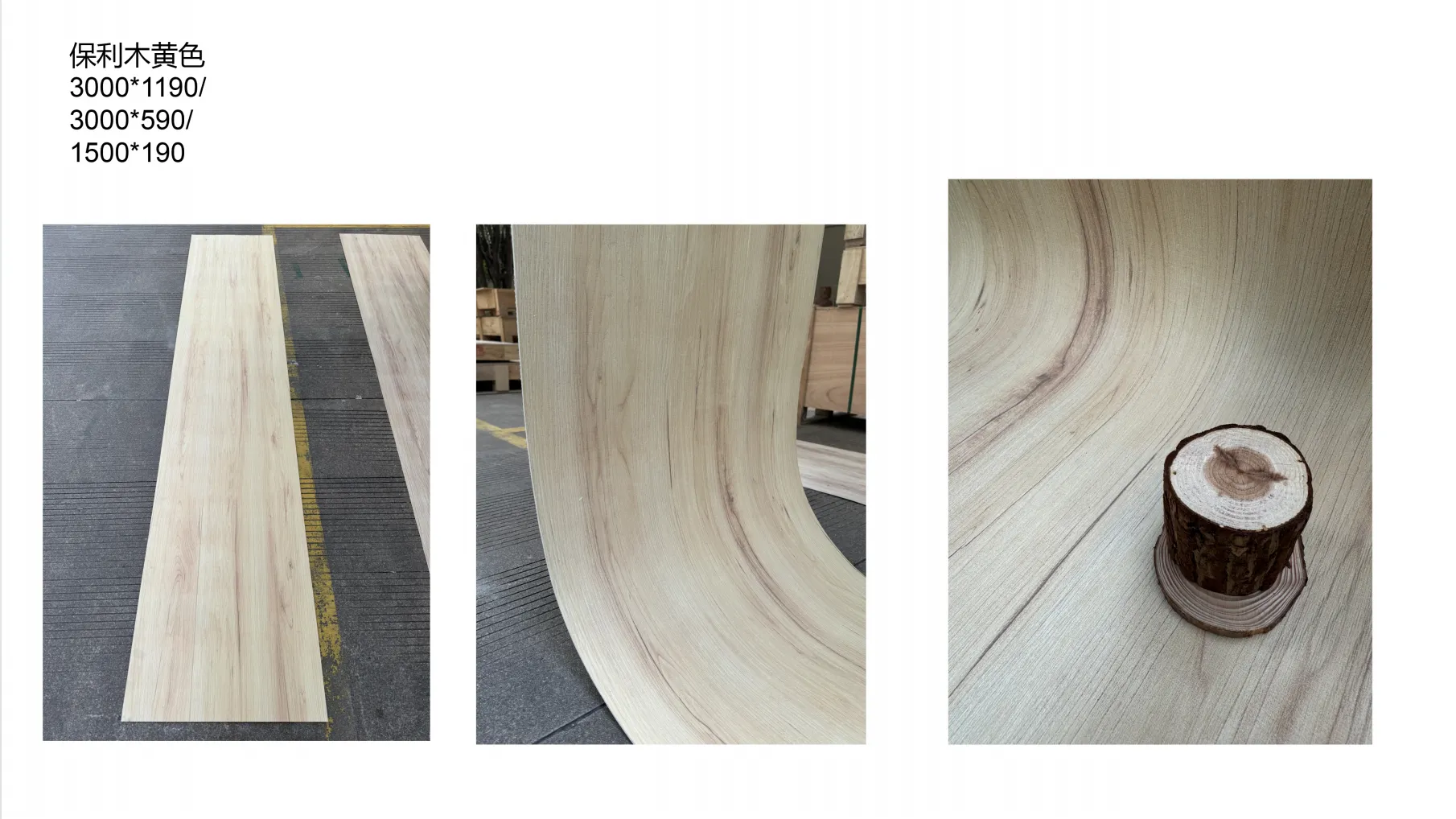
Picture this: You've just finished setting up your new outdoor patio, and the centerpiece is a stunning poly wood board table—smooth, warm, and built to withstand the elements. Or maybe it's the accent wall in your living room, adding that perfect blend of rustic charm and modern durability. Poly wood board has become a favorite for homeowners and designers alike, thanks to its resistance to rot, warping, and pests. But even the toughest materials need a little TLC. Scratches from moving furniture, cracks from extreme temperatures, or that one time you accidentally spilled red wine—these small mishaps can take the shine off your poly wood board. The good news? Most common issues are fixable with a little patience and the right know-how. Today, we're breaking down how to repair poly wood board, plus diving into COLORIA MCM's maintenance solutions that make caring for these materials a breeze.
Before we jump into repairs, let's get to know poly wood board better. Made from recycled plastic and wood fibers, it mimics the look and feel of real wood without the high maintenance. It's weather-resistant, fade-proof (mostly), and easy to clean—no wonder it's used everywhere from decking to furniture to wall panels. But even superhero materials have kryptonite. Here are the most common issues you might run into:
The key here? Most of these issues are cosmetic or minor structural problems. With the right tools and steps, you can fix them at home without calling in a pro. Let's roll up our sleeves and get to repairing.
Not all damage is the same, so we've broken down the most common problems and how to tackle them. Grab your toolkit, and let's get started!
| Problem | Tools You'll Need | Repair Steps |
|---|---|---|
| Shallow Surface Scratches | Fine-grit sandpaper (220 or 320 grit), microfiber cloth, poly wood board cleaner, color-matched wax stick or repair pen |
1. Clean the area with poly wood board cleaner and dry with a microfiber cloth.
2. Gently sand the scratch in the direction of the "wood grain" (even if it's faux) using fine-grit sandpaper. Don't press too hard—you just want to smooth the edges. 3. Wipe away dust with the cloth. 4. Rub the color-matched wax stick over the scratch, then buff with a clean cloth until the wax blends into the surface. For deeper scratches, use a repair pen to fill in the gap before buffing. |
| Edge Chips | Poly wood board filler (color-matched), putty knife, fine-grit sandpaper, cleaner, microfiber cloth |
1. Clean the chipped area thoroughly and let it dry.
2. Apply a small amount of color-matched filler to the chip using the putty knife, overfilling slightly (it will shrink as it dries). 3. Let the filler dry completely (check the product label for drying time—usually 2-4 hours). 4. Sand the filled area with fine-grit sandpaper until it's flush with the board's surface. Wipe away dust, then clean again to remove residue. |
| Small Cracks | Polyurethane adhesive (clear or color-matched), clamp (if the crack is on a flat surface), sandpaper, cleaner, cloth |
1. Clean the crack and surrounding area. If the crack is open, use a toothpick to remove any debris inside.
2. Apply a thin line of polyurethane adhesive into the crack. For longer cracks, work in sections. 3. Gently press the edges of the crack together (use a clamp for flat surfaces, wrapping the board in cloth first to avoid damage). Wipe away excess adhesive with a damp cloth. 4. Let the adhesive dry overnight. Once dry, sand the area lightly to smooth any bumps, then clean. |
| Color Fading | Poly wood board stain/paint (color-matched), foam brush, painter's tape, drop cloth, cleaner, sandpaper (optional) |
1. Clean the entire surface of the board with cleaner and let it dry. For severe fading, lightly sand the surface with 320-grit sandpaper to help the stain adhere.
2. Tape off any areas you don't want to stain (like adjacent walls or hardware). 3. Apply the stain/paint with a foam brush in thin, even coats, following the "grain" direction. Let each coat dry completely (1-2 hours) before adding another. 4. Once the final coat is dry, remove the tape and admire your refreshed board! |
Repairs are great, but prevention is even better. That's where COLORIA MCM's product line shines. Known for innovative, durable materials, COLORIA MCM offers a range of options that not only look stunning but are built to resist the very issues we've been talking about. Let's take a closer look at a few standout products that make maintenance a snap:
COLORIA MCM's poly wood board is engineered with extra UV stabilizers to fight fading, and its dense composition resists scratches and cracks better than standard poly wood. It's also moisture-resistant, so spills wipe right off with a damp cloth—no need for harsh chemicals. Whether you're using it for decking, outdoor furniture, or interior accent walls, this material is designed to age gracefully with minimal upkeep.
Looking for something with the elegance of natural stone but the durability of modern materials? MCM flexible stone is a game-changer. Thin, lightweight, and surprisingly flexible, it's resistant to chipping and cracking, even in high-traffic areas. Unlike real stone, it doesn't require sealing, and minor scratches can be buffed out with a soft cloth. Pair it with poly wood board for a dynamic, low-maintenance design—think a stone accent wall behind your poly wood board fireplace.
If you love the warmth of wood but hate the upkeep, COLORIA MCM's wood grain board is for you. With hyper-realistic wood textures (think oak, maple, or walnut), it mimics the look of solid wood without the risk of rot, warping, or termites. It's stain-resistant, easy to clean, and like poly wood board, it stands up to scratches and fading. Use it for kitchen cabinets, bathroom vanities, or even ceiling panels—no need to worry about water damage or yearly refinishing.
For a modern, industrial vibe, fair-faced concrete from COLORIA MCM is unbeatable. Its smooth, matte finish adds texture to any space, and it's incredibly durable—resistant to stains, heat, and scratches. A quick wipe with a mild soap and water is all it takes to keep it looking fresh. Pair it with poly wood board for a contrast of textures (concrete floors with poly wood board walls, anyone?) that's as easy to maintain as it is stylish.
Even with durable materials like COLORIA MCM's, a little regular care goes a long way. Here's how to keep your poly wood board (and other materials) in top shape:
While most minor repairs are DIY-friendly, some issues are better left to professionals. If you notice deep cracks that run through the entire thickness of the board, severe warping, or structural damage (like a deck board that's loose and wobbly), it's time to reach out to a COLORIA MCM certified installer. They have the tools and expertise to handle bigger repairs or replacements, ensuring your material stays safe and looks great for years to come.
Poly wood board is more than just a building material—it's an investment in your space's style and functionality. With a little know-how, you can fix those small scratches and chips, and with COLORIA MCM's low-maintenance materials, you can spend less time repairing and more time enjoying your home. Whether you're sipping coffee on your poly wood board deck or admiring your MCM flexible stone accent wall, remember: a little care goes a long way. Here's to many years of beautiful, durable, and hassle-free poly wood board!
Recommend Products












