Hey everyone! Let's talk about something that can be a real headache for any homeowner or project manager: dealing with damage to your beautiful building surfaces. We're not just talking about any surface here; we're diving deep into maintaining and repairing panels that mimic the stunning look of rust board granite, specifically focusing on the incredible versatility of
MCM (Modified Cementitious Material) series products
. Whether it's a minor chip or a more noticeable crack, knowing how to properly fix these issues can save you a lot of time, money, and hassle. At COLORIA GROUP, we understand the importance of durability and aesthetics, and we're here to guide you through keeping your surfaces pristine.
You might be thinking, "Rust board granite? Is that the same as MCM?" Well, not exactly. MCM panels, especially our
MCM Flexible Stone
series, are designed to replicate the natural beauty and texture of materials like granite, wood, brick, and yes, even weathered or "rust board" stone, but with significantly enhanced properties. This means you get the gorgeous aesthetic without the inherent challenges of natural stone, such as excessive weight, high cost, or complex installation. These panels are increasingly popular for both
interior/exterior wall decoration
due to their lightweight, flexibility, and stunning visual appeal. But just like any surface, accidents happen, and wear and tear are inevitable. So, let's get into the nitty-gritty of how to tackle repairs.
Why MCM Panels Are a Game Changer (and Worth Repairing!)
Before we jump into the repair process, it's worth reiterating why MCM panels from COLORIA GROUP are such a smart choice in the first place. We pride ourselves on being a
one-stop solution provider
in the building materials domain, ensuring you get not just a product, but a complete experience from selection to aftercare. Our MCM products, including the
MCM Big Slab Board Series
and
MCM Project Board Series
, are not only incredibly versatile but also boast superior characteristics:
-
Eco-Friendly:
One of the biggest draws is their
green and environmentally friendly
nature. They consume fewer resources in production and are often made from natural, non-toxic materials.
-
Flexible & Lightweight:
This is huge for installation! It means easier handling, less structural strain, and quicker project completion.
-
Durable:
Despite their flexibility, MCM panels are incredibly tough, resistant to fading, weathering, and general wear.
-
Customization Options:
We offer unparalleled
customization
, allowing you to achieve virtually any look, texture, and color you desire, perfectly mimicking everything from sleek granite to rustic brick or the unique aesthetic of rust board stone.
-
Cost-Effective:
Compared to natural stone, MCM panels offer a more budget-friendly alternative without compromising on quality or aesthetics.
Given these benefits, it's clear why preserving their integrity through proper repair is so important. You've invested in a fantastic product; now let's make sure it lasts!
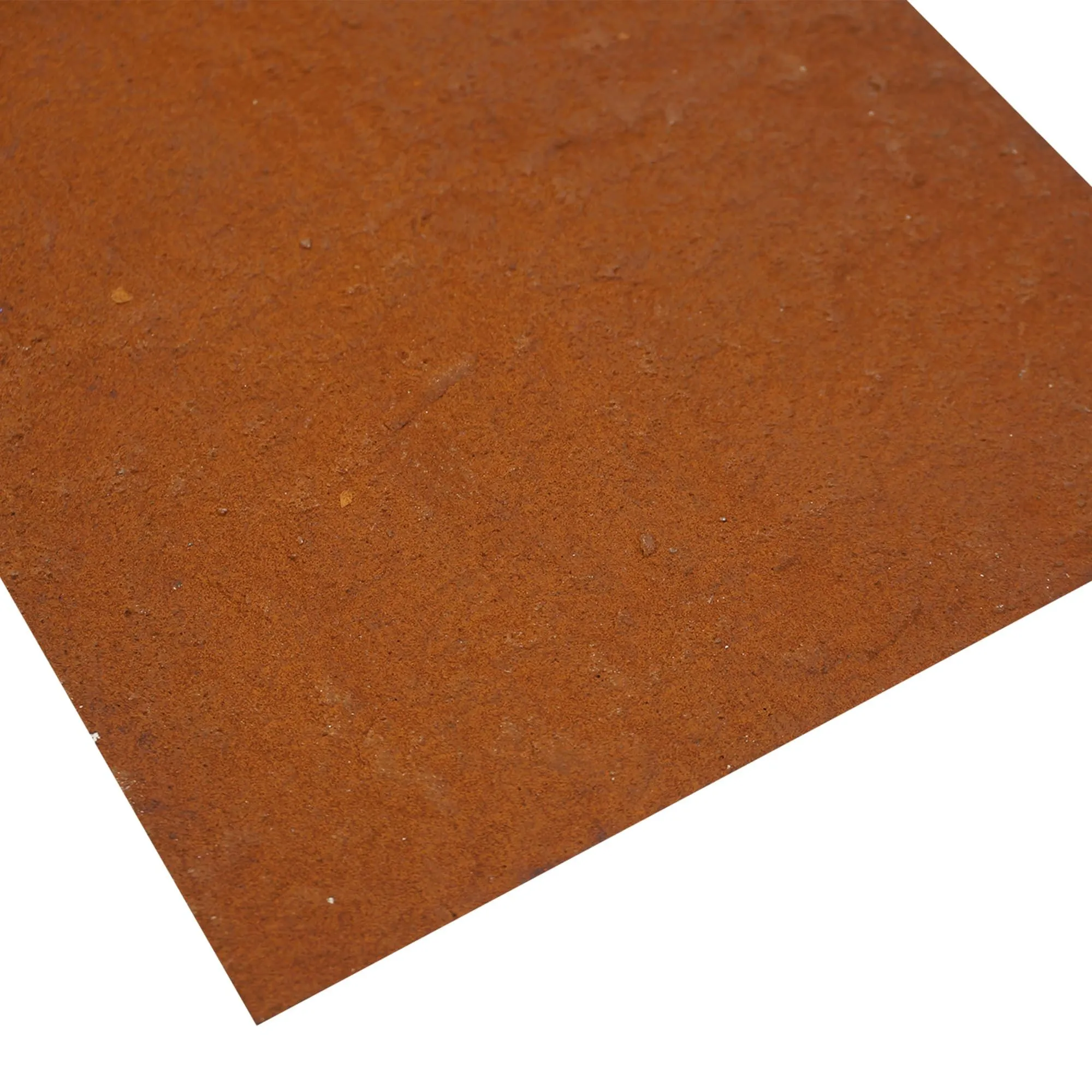
Understanding the Damage: Chips vs. Cracks
Before you grab your tools, it's crucial to understand the type of damage you're dealing with. While both chips and cracks are imperfections, their repair methods can differ slightly.
-
Chips:
These are typically smaller, localized losses of material, often caused by impact. They might be shallow or go deeper, exposing the substrate beneath. Think of a small piece breaking off the edge or surface.
-
Cracks:
These are linear separations in the material. They can range from hairline fractures to larger, more pronounced breaks that might extend across the panel. Cracks can be superficial or indicate a deeper structural issue (though less common with MCM due to its flexibility).
Identifying the extent of the damage will help you choose the right materials and approach for a seamless repair.
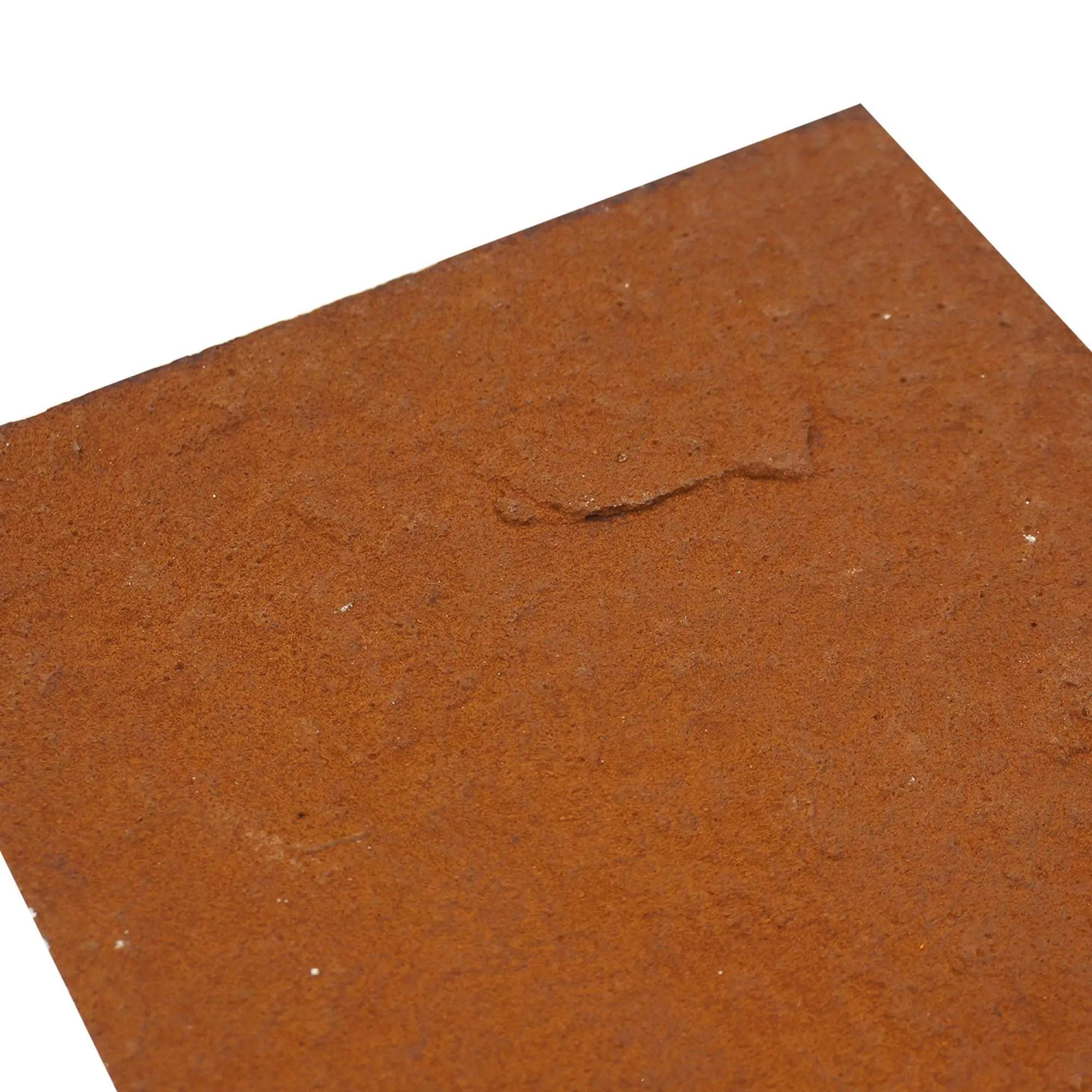
Tools and Materials You'll Need for MCM Panel Repair
Preparation is key! Gather these items before you start to ensure a smooth and efficient repair process. Remember, for best results, always refer to specific product guidelines provided by COLORIA GROUP, as our
MCM series products
might have specific recommendations.
-
Cleaning Supplies:
Mild detergent, clean cloths, and water.
-
Repair Filler/Compound:
This is crucial. For MCM panels, you'll typically use a specialized cement-based or polymer-modified repair mortar that matches the color and texture of your existing panels as closely as possible. COLORIA GROUP might offer specific repair kits or recommendations tailored to our products.
-
Trowel or Putty Knife:
For applying and smoothing the filler.
-
Fine-Grit Sandpaper (180-220 grit):
For smoothing out dried filler.
-
Sponge or Damp Cloth:
For cleaning and finishing.
-
Gloves and Safety Glasses:
Always protect yourself!
-
Optional: Masking Tape:
To protect surrounding areas if needed.
-
Optional: Matching Paint or Sealant:
If the repair compound isn't perfectly color-matched, or if a protective sealant is required.
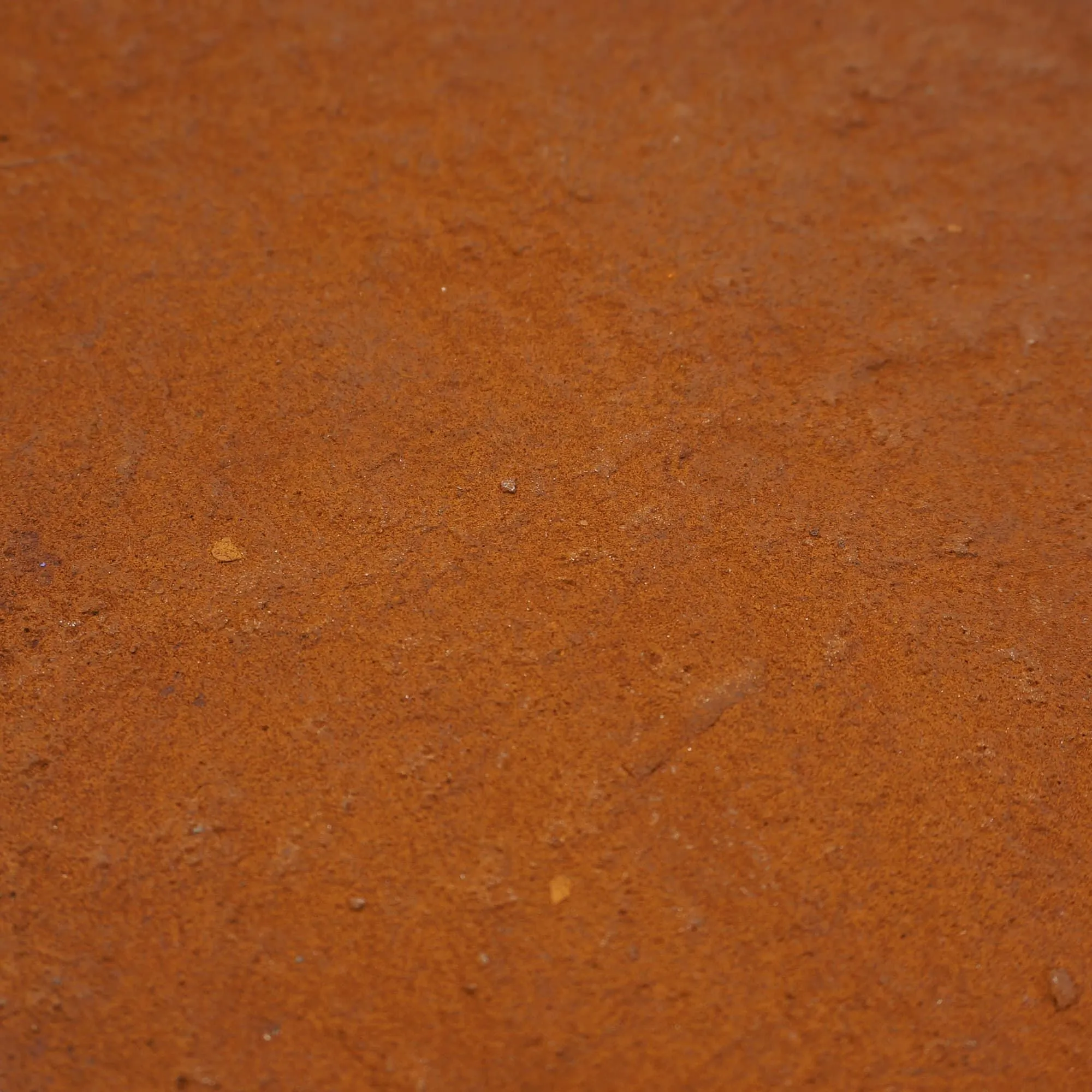
Step-by-Step Guide to Repairing Chips in MCM Panels
Let's tackle those pesky chips first. This process is generally straightforward and can be done by most DIY enthusiasts.
-
Clean the Area:
Start by thoroughly cleaning the chipped area and its surroundings. Use a mild detergent and water to remove any dirt, dust, or debris. Allow it to dry completely. A clean surface ensures good adhesion of the repair material.
-
Prepare the Filler:
If you're using a two-part epoxy or a mix-on-site cementitious filler, follow the manufacturer's instructions carefully. Mix only a small amount at a time, as these materials can harden quickly. Ensure the color is as close a match as possible to your "rust board granite" or other MCM panel finish.
-
Apply the Filler:
Using a small trowel or putty knife, carefully apply the prepared filler into the chipped area. Press it firmly to ensure it fills all voids and adheres well to the panel. Overfill slightly, as the material may shrink as it dries.
-
Smooth the Surface:
Immediately after application, use the edge of your trowel or putty knife to smooth the filler, making it flush with the surrounding MCM panel surface. Try to mimic the original texture as best you can. For textured finishes like our
MCM Flexible Stone
, you might need to gently dab or stipple the surface of the filler with a sponge or brush to blend it in.
-
Curing Time:
Allow the filler to cure completely according to the manufacturer's instructions. This can range from a few hours to a full day, depending on the product and environmental conditions. Do not rush this step!
-
Final Sanding and Cleaning:
Once fully cured, gently sand any high spots with fine-grit sandpaper (180-220 grit) until the repair is perfectly flush and smooth with the rest of the panel. Wipe away any sanding dust with a damp cloth.
-
Optional: Sealing/Painting:
If your panels are sealed or if the repair material isn't a perfect color match, you might apply a matching sealant or a small amount of paint to blend the repair seamlessly. COLORIA GROUP often provides specific recommendations for post-repair finishing to ensure long-term durability and aesthetic consistency.
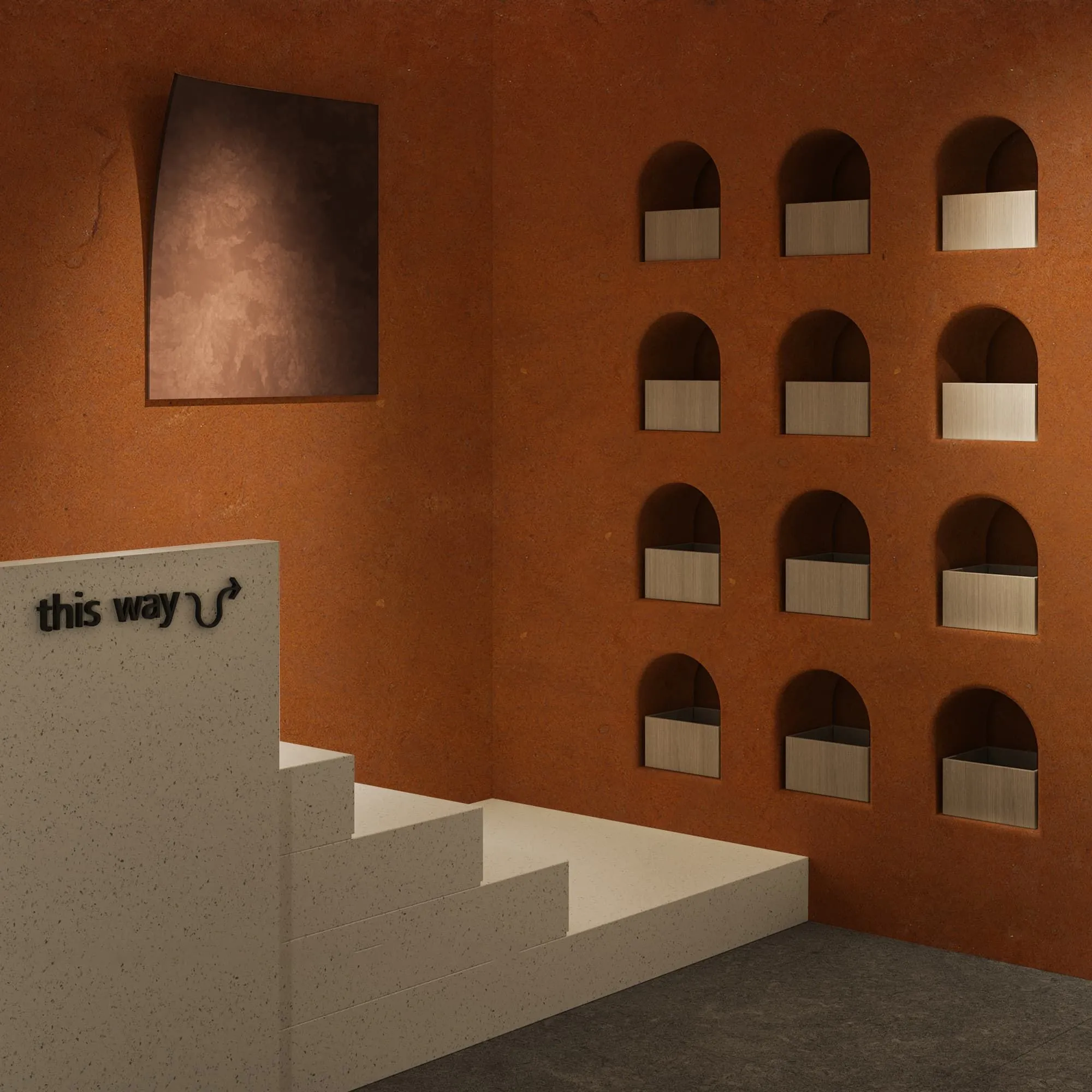
Step-by-Step Guide to Repairing Cracks in MCM Panels
Cracks require a slightly different approach to ensure they don't worsen and that the repair holds strong. This is especially true if you have a larger panel from our
MCM Big Slab Board Series
, where structural integrity is paramount.
-
Clean the Area:
Just like with chips, a clean surface is non-negotiable. Clean the cracked area thoroughly with a mild detergent and water, ensuring all dirt and debris are removed from within and around the crack. Let it dry completely.
-
Widen the Crack (if necessary):
For very thin hairline cracks, you might need to very carefully widen the crack slightly (a V-cut or U-cut) using a utility knife or a specialized crack-opening tool. This creates a better channel for the repair filler to penetrate and bond, forming a stronger repair. Be gentle and only widen enough to allow filler access.
-
Prepare the Filler:
Mix your repair compound according to the manufacturer's directions. Again, color matching is important, especially for a prominent finish like rust board granite.
-
Apply the Filler into the Crack:
Use a putty knife or a specialized caulk gun (if using a tube product) to force the filler deep into the crack. Ensure there are no air bubbles trapped inside. For wider cracks, you might need multiple passes.
-
Smooth and Level:
Once the crack is filled, use your trowel or putty knife to smooth the surface, making it flush with the surrounding MCM panel. Work quickly before the filler begins to set. Again, for textured panels, try to replicate the original finish.
-
Remove Excess:
While the filler is still wet, carefully wipe away any excess material from the surrounding undamaged areas using a damp cloth or sponge. This makes the final cleanup much easier.
-
Curing Time:
Allow the filler to cure completely. This is a critical step for crack repairs, as improper curing can lead to the crack reopening.
-
Final Sanding and Finishing:
Once cured, lightly sand any irregularities and clean the area. Apply any recommended sealants or matching paint if necessary to achieve a perfect blend with your existing
building materials
.
Troubleshooting Common Repair Challenges
Even with the best intentions, you might run into a few snags. Here are some common issues and how to tackle them:
-
Color Mismatch:
If your repair stands out too much, consider a specialized color-matching kit or a high-quality exterior paint designed for masonry/cementitious surfaces. Always test on an inconspicuous area first.
-
Poor Adhesion:
This usually stems from an unclean surface or improper filler preparation. Ensure surfaces are perfectly clean and dry, and mix fillers exactly as directed.
-
Shrinkage/Cracking of Filler:
Some fillers shrink slightly as they dry. You might need a second, thin application after the first layer has partially cured. For persistent cracking in the filler itself, consider a more flexible, polymer-modified repair compound.
-
Texture Discrepancy:
Achieving a perfect texture match for something like rust board granite can be tricky. Practice on a spare piece of MCM or an inconspicuous area. Using a textured sponge or even a brush with stiff bristles can help create a more natural, weathered look.
Preventative Measures: Keeping Your MCM Panels Pristine
Of course, the best repair is no repair! Taking a few preventative steps can significantly extend the life and beauty of your COLORIA GROUP MCM panels:
-
Regular Cleaning:
Keep your panels clean to prevent buildup of dirt and grime, which can eventually lead to degradation or make minor damages more noticeable. A simple wash with water and mild detergent usually suffices.
-
Gentle Handling:
During installation or when moving objects near the panels, be mindful to avoid impact that could cause chips or cracks.
-
Proper Installation:
Ensure that your MCM panels, whether they are from our
MCM Big Slab Board Series
or
MCM 3D Printing Series
, are installed correctly according to COLORIA GROUP guidelines. Proper substrate preparation and adhesive application are crucial for long-term stability.
-
Protective Sealants:
For exterior applications or high-traffic interior areas, consider applying a high-quality sealant. This adds an extra layer of protection against moisture, UV rays, and general wear.
-
Address Issues Promptly:
Don't let small chips or cracks fester. Repairing them quickly prevents them from worsening and becoming larger, more complex problems.
Why Choose COLORIA GROUP for Your Building Material Needs?
At COLORIA GROUP, we're not just selling products; we're providing comprehensive solutions. Our decades of experience in the
building materials
industry, coupled with our commitment to innovation, mean you're getting top-tier materials and expert support. We cover the
global market
, with a strong presence in regions like Saudi Arabia, demonstrating our capability to deliver excellence worldwide.
Our
MCM (Modified Cementitious Material) series products
are at the forefront of modern architectural design. They offer unmatched versatility, allowing for incredible
customization
to fit any project aesthetic, from the rustic charm of rust board granite to sleek, modern finishes. Our dedication to being a
green and environmentally friendly
supplier means you're making a responsible choice for your projects and the planet.
Whether you're specifying materials for a large commercial complex or designing an intricate residential facade, our
MCM Project Board Series
,
MCM Big Slab Board Series
,
MCM 3D Printing Series
, and
MCM Flexible Stone
offer durable, beautiful, and sustainable options for all your
interior/exterior wall decoration
needs. As a
one-stop solution provider
, we streamline your procurement process, offering quality products and reliable service every step of the way.
Comparison: MCM Panels vs. Traditional Granite/Stone
To truly appreciate the value of MCM, especially when we talk about mimicking materials like rust board granite, it's helpful to see a direct comparison. This table highlights why COLORIA GROUP's MCM panels are often the superior choice for modern construction projects, balancing aesthetics, performance, and sustainability.
|
Feature
|
COLORIA GROUP MCM Panels (e.g., Flexible Stone)
|
Traditional Rust Board Granite / Natural Stone
|
|
Weight
|
Extremely lightweight (approx. 3-6 kg/m²)
|
Very heavy (approx. 20-30 kg/m²)
|
|
Flexibility
|
Highly flexible, can be applied to curved surfaces without cracking
|
Rigid, prone to cracking on impact or structural movement
|
|
Installation
|
Easy, fast, and cost-effective; often self-adhesive or simple mortar
|
Complex, requires specialized lifting equipment, skilled labor, and strong structural support
|
|
Environmental Impact
|
Green and environmentally friendly
, low energy consumption, often from recycled materials
|
High energy consumption for quarrying, cutting, and transportation; non-renewable resource
|
|
Aesthetic Versatility
|
Unlimited
customization
in color, texture (e.g., perfect rust board granite mimicry), and shape (
MCM 3D Printing Series
allows intricate designs)
|
Limited to natural variations of the stone; unique pieces can be expensive
|
|
Durability & Maintenance
|
Excellent weather resistance, UV stable, easy to clean, repairs are straightforward
|
Requires sealing, can stain, susceptible to efflorescence, repairs are costly and often visible
|
|
Cost
|
Significantly lower material and installation costs
|
High material and labor costs
|
|
Application Scope
|
Versatile for both
interior/exterior wall decoration
, high-rises, renovations, public spaces
|
Primarily high-end applications, often limited by weight and structural considerations
|
As you can see, while traditional granite offers natural beauty, MCM panels from COLORIA GROUP provide a smarter, more sustainable, and ultimately more practical solution for a vast array of projects. Our products stand as a testament to innovation in
building materials
.
A Final Word on Longevity and Beauty
Keeping your MCM panels, whether they emulate rust board granite or any other exquisite finish, in top condition is a testament to the quality of your project and the care you put into it. By following these repair guidelines, you can effectively address chips and cracks, ensuring that your surfaces continue to look fantastic for years to come. Remember, COLORIA GROUP is your trusted partner for high-quality
building materials
and solutions. Our commitment extends beyond providing exceptional
MCM series products
; we aim to empower you with the knowledge and support to maintain their beauty and performance.
The beauty of materials like our
MCM Flexible Stone
is that they offer the aesthetic appeal of natural elements with superior performance characteristics. This means that a minor repair, when done correctly, will integrate seamlessly, preserving the overall look and feel you originally desired. Don't let small damages detract from the sophisticated appearance of your
interior/exterior wall decoration
. With a little effort and the right approach, you can keep your COLORIA GROUP MCM panels looking as magnificent as the day they were installed!
Note:
Always ensure you are working in a well-ventilated area and wearing appropriate personal protective equipment (PPE) during any repair work. For extensive damage or if you are unsure, it's always best to consult with a professional installer or reach out to COLORIA GROUP directly for specific product guidance and support. We are always here to help our global clientele achieve perfection in their projects.













