
A guide to aligning aesthetic vision with sustainability and responsibility
In an era where buildings are no longer just structures but statements of values, green building projects are leading the charge—prioritizing materials that tread lightly on the planet while uplifting communities. Among these materials, travertine (vintage silver) has emerged as a favorite, prized for its soft, weathered luster that blends rustic charm with modern elegance. But here's the catch: not all travertine is created equal. Ethical sourcing isn't just a buzzword; it's the backbone of projects that truly honor the "green" promise—ensuring your vintage silver travertine doesn't come at the cost of exploited labor, deforested landscapes, or polluted waterways.
This article dives into the art and science of sourcing ethical travertine (vintage silver), breaking down why it matters, how to spot responsible suppliers, and how this choice can elevate your project from "sustainable" to meaningfully sustainable. Whether you're an architect, developer, or design enthusiast, let's explore how to turn your material selection into a story of purpose.
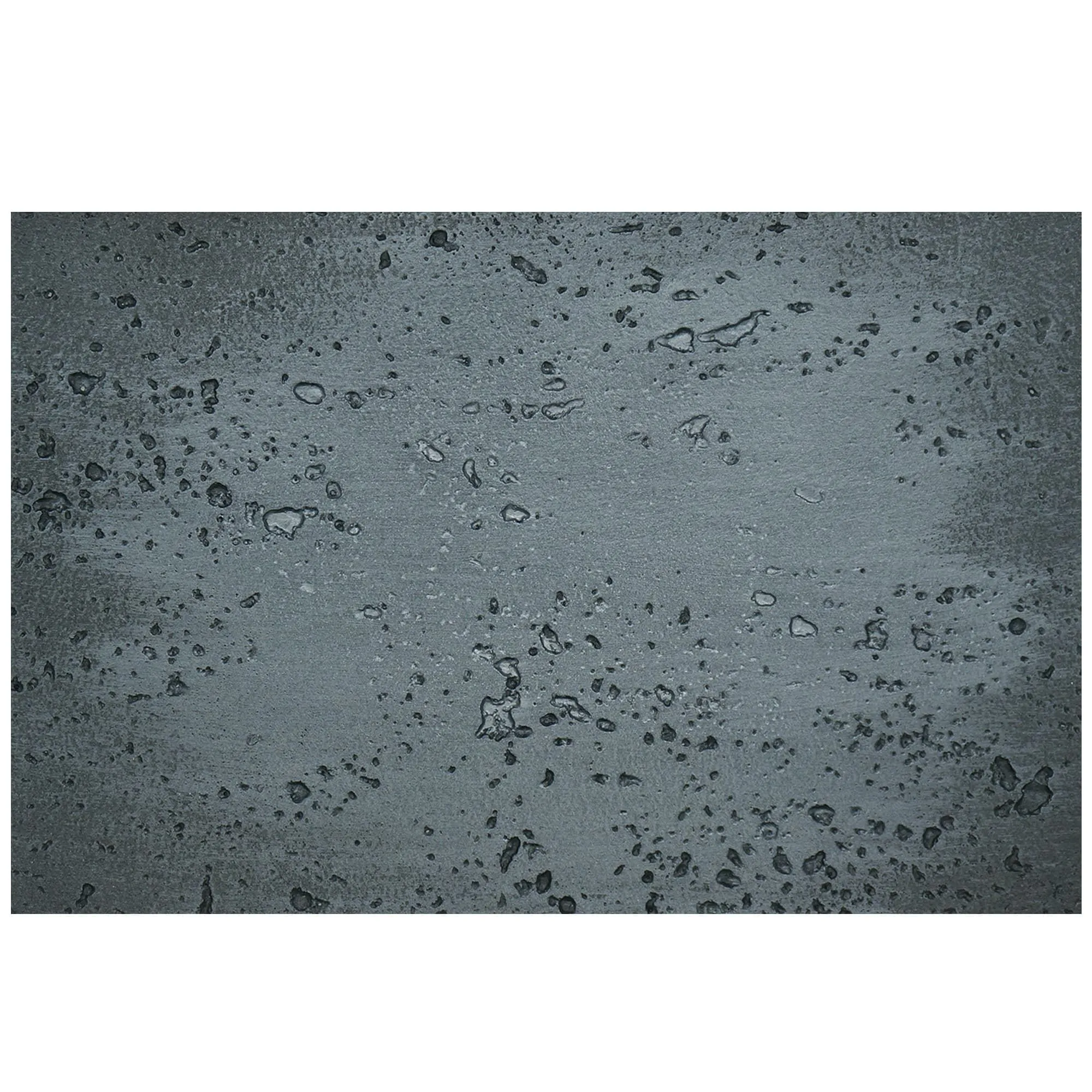
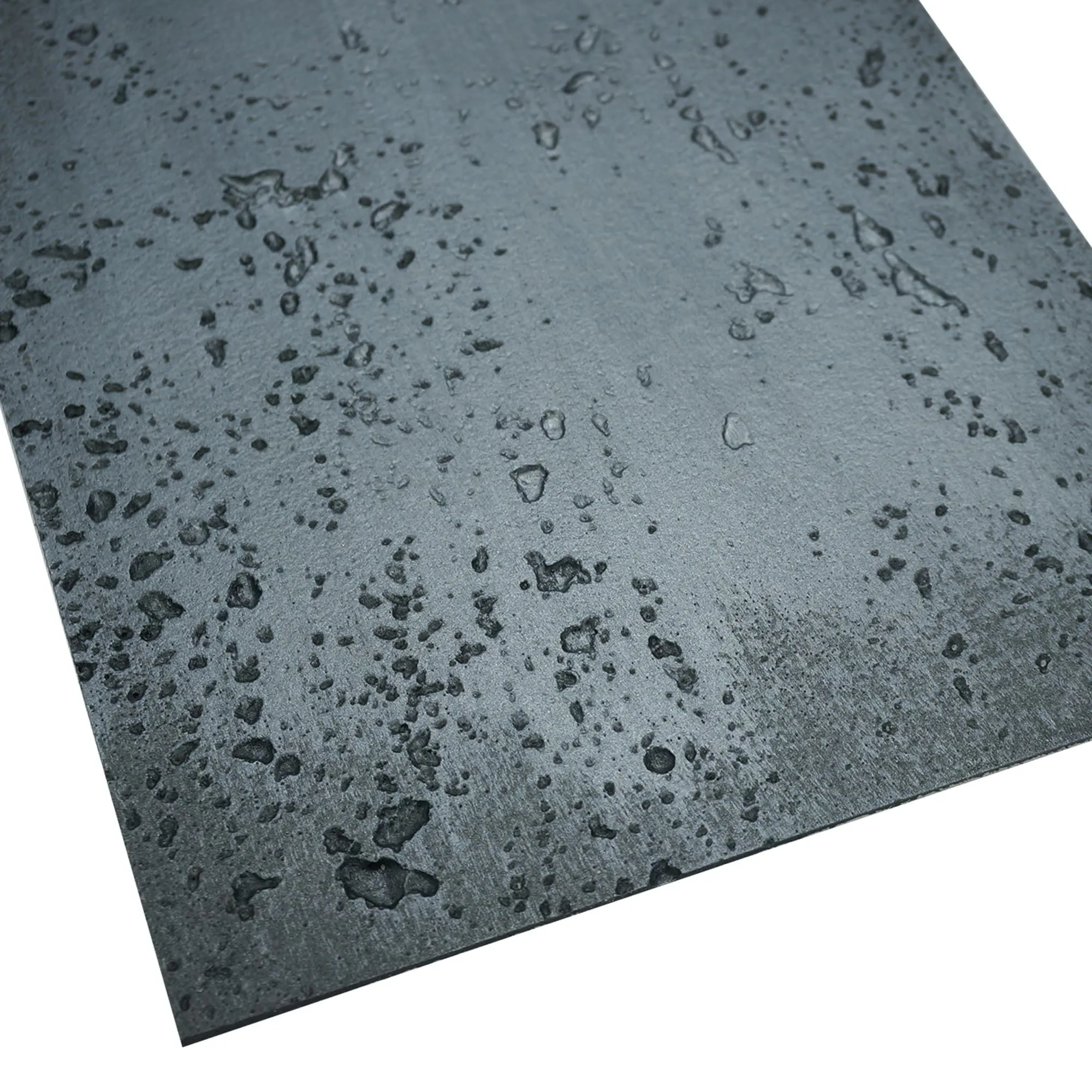
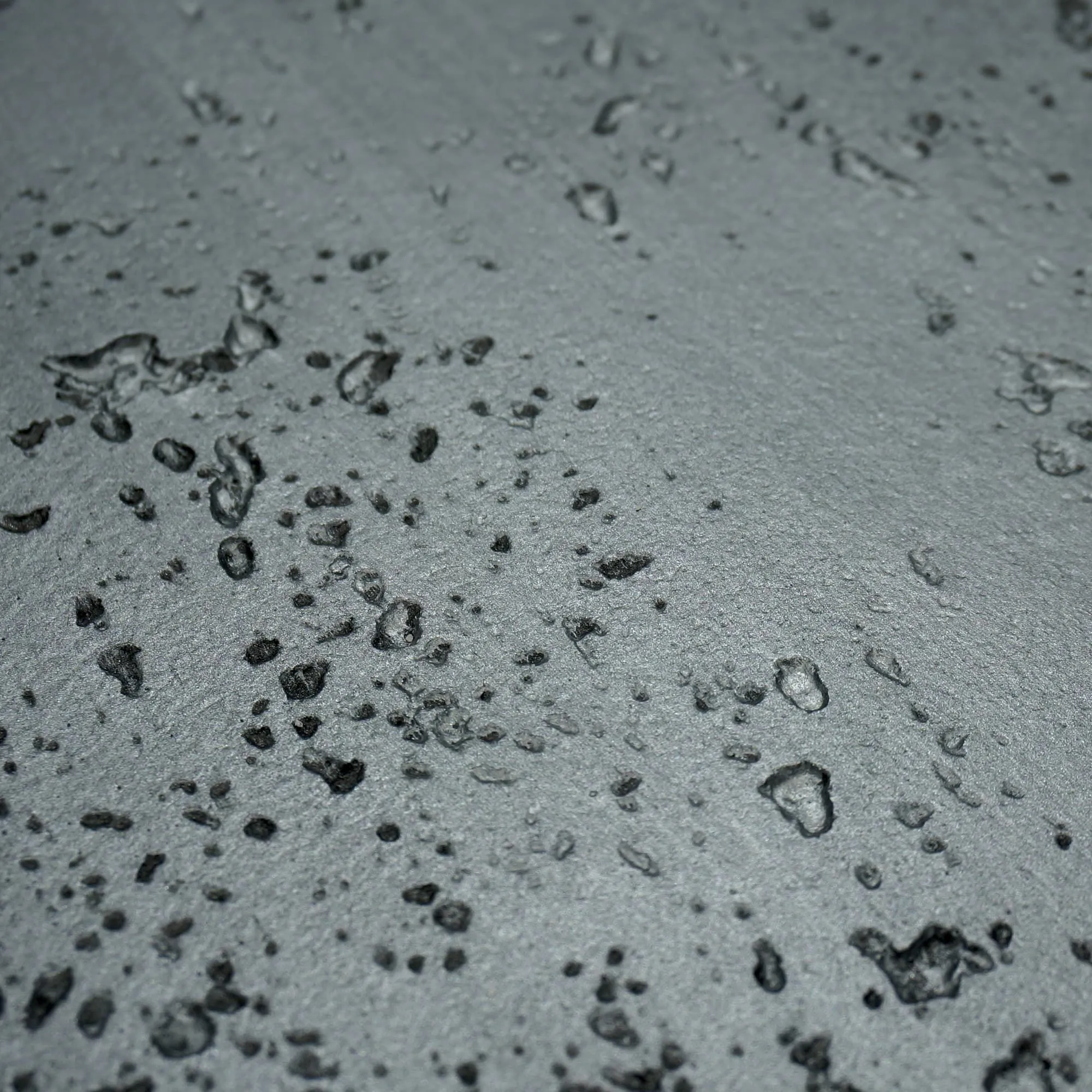
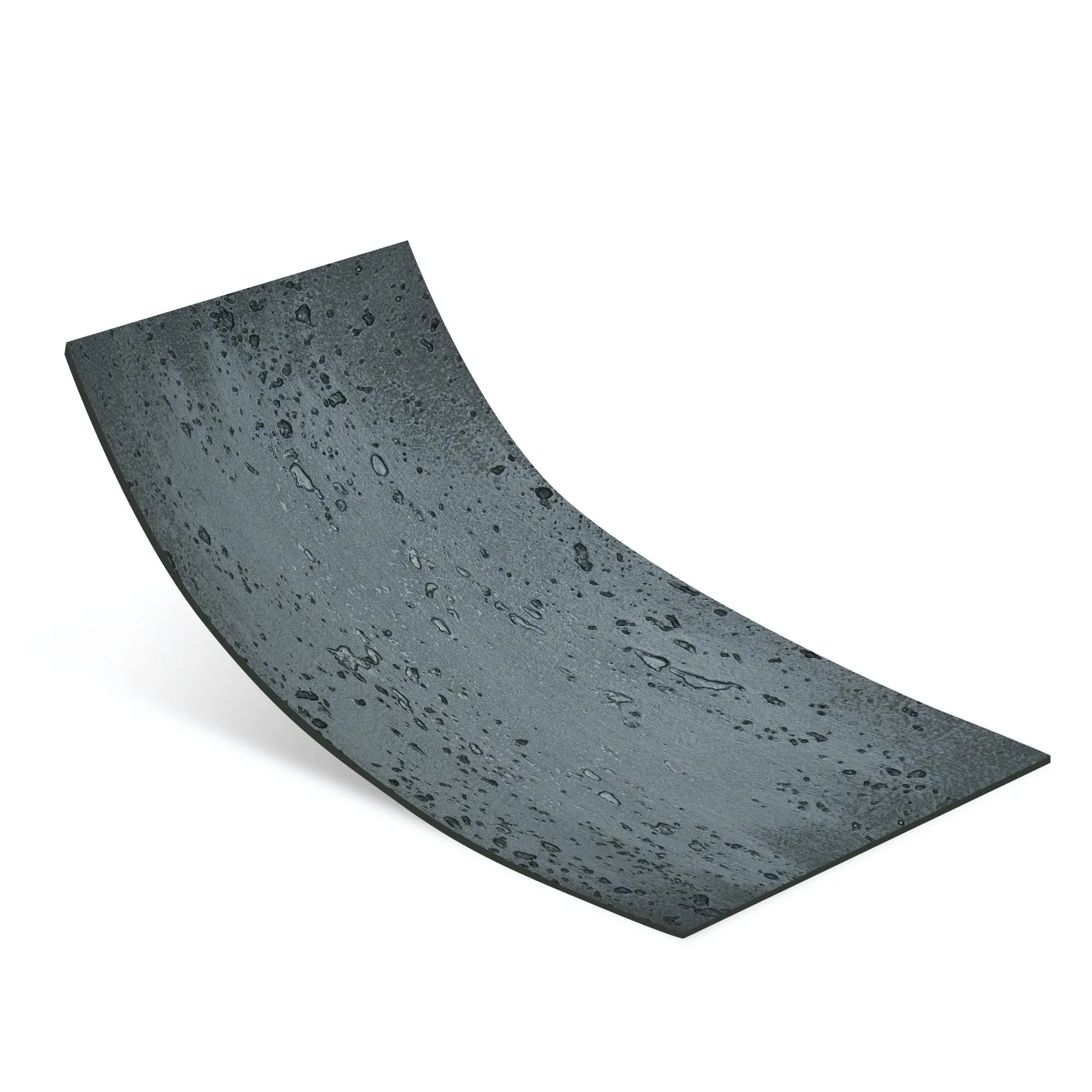
First, let's get clear on the star of the show: travertine (vintage silver) . A type of limestone formed by mineral-rich spring water, travertine is known for its porous surface and warm, earthy tones. The "vintage silver" variant leans into a muted, silvery-gray hue with subtle cream veining—think the patina of an old silver coin, softened by time. It's versatile, used for everything from feature walls and flooring to outdoor cladding, adding depth to both industrial-chic lofts and cozy residential spaces.
But "ethical" travertine? That's about the journey from quarry to construction site. It means the stone was extracted without stripping ecosystems bare, that workers earned fair wages in safe conditions, and that the supply chain is transparent enough to trace every slab back to its origin. It's travertine with a conscience—and in green building, that conscience is non-negotiable.
Sourcing ethical travertine (vintage silver) isn't about checking a single box. It's a balancing act of three pillars: environmental stewardship, fair labor, and supply chain transparency. Let's break them down.
Quarrying stone can be destructive—imagine bulldozers flattening hillsides, chemicals leaching into rivers, or carbon emissions from transporting slabs across continents. Ethical suppliers mitigate this by:
Behind every slab of travertine is a team of workers—quarry laborers, cutters, transporters. Ethical sourcing means ensuring these workers are treated with dignity:
If a supplier can't tell you where their travertine comes from, or how it was processed, that's a red flag. Transparency means:
| Criteria | Ethical Travertine Sourcing | Non-Ethical Travertine Sourcing |
|---|---|---|
| Environmental Impact | Quarries are reclaimed; minimal water/air pollution; carbon offset programs. | Deforestation, chemical runoff, unregulated waste dumping. |
| Labor Conditions | Living wages, safety training, healthcare benefits. | Below-minimum wages, child labor risks, unsafe equipment. |
| Certifications | LEED, GreenGuard, or local sustainability labels. | No third-party certifications; vague "eco-friendly" claims. |
| Supply Chain | Publicly shared origin maps, audit reports, and supplier profiles. | Opaque; "sources from global suppliers" with no specifics. |
Now that you know what to look for, let's turn theory into action. Here's how to find a supplier you can trust.
Before reaching out to suppliers, clarify your project's green objectives. Are you aiming for LEED Platinum? Do you want to highlight local sourcing? This will shape your criteria. For example, if carbon footprint is key, prioritize suppliers with quarries within 500 miles to reduce transportation emissions.
Skip generic Google searches for "vintage silver travertine." Instead, look for suppliers who explicitly market their ethical practices. Check their websites for:
Pro tip: Reach out to industry groups like the U.S. Green Building Council (USGBC) for recommended suppliers—they often vet members for sustainability claims.
A supplier might say, "We're ethical!" but can they prove it? Ask for:
If they hesitate or provide vague answers, walk away. Transparency isn't optional.
Order a few slabs of travertine (vintage silver) to inspect both aesthetics and ethics. Check for:
Ethical sourcing isn't a one-time transaction. Partner with suppliers who want to grow with you—negotiate bulk discounts for repeat orders, collaborate on sustainability innovations (like carbon-neutral shipping), and ask for input on new product lines (e.g., "Can we develop a vintage silver travertine with recycled content?").

Let's look at a real-world example: the EcoVista Community Center in Portland, Oregon. The architects wanted a feature wall that felt both timeless and eco-conscious, so they chose travertine (vintage silver) sourced from a family-owned quarry in Tuscany, Italy.
The supplier, StoneEthics, provided:
Result? The project earned 3 LEED Material Credits, shaved 15% off its carbon footprint, and became a community talking point. "People don't just compliment the wall—they ask about the story behind it," says lead architect Maria Gonzalez. "That's the power of ethical sourcing: it turns materials into conversation starters."
Let's be honest: ethical sourcing isn't always easy. Here are common hurdles and workarounds:
Ethical travertine can cost 10–20% more than non-ethical options. Solution: Frame it as a long-term investment. LEED-certified buildings often command higher rents, and sustainability-focused buyers are willing to pay premiums. Plus, bulk orders or multi-project contracts can lower per-unit costs.
Not every region has ethical travertine suppliers. Solution: Expand your search globally (e.g., Italy, Turkey, or Mexico have strong ethical stone industries) and factor in slower shipping times. Alternatively, pair vintage silver travertine with complementary sustainable materials like fair-faced concrete to reduce the total amount of travertine needed.
Some suppliers claim to be "ethical" but cut corners. Solution: Use third-party verifiers like the Ethical Trading Initiative (ETI) or hire a sustainability consultant to audit claims. If it sounds too good to be true (e.g., "100% eco-friendly for $5/sq ft"), it probably is.
Sourcing ethical travertine (vintage silver) isn't just about checking boxes for a green building certificate. It's about recognizing that every material choice ripples outward—affecting ecosystems, communities, and the legacy of your project. When you choose stone that's been extracted responsibly, you're not just building walls; you're building trust.
So the next time you run your hand over a slab of vintage silver travertine, ask: What story does this stone tell? With ethical sourcing, it's a story of respect—for the planet, for the people who shaped it, and for the future we're all building, one responsible choice at a time.
Recommend Products












