
A guide to navigating materials, trust, and design excellence in global construction
Walk into any thoughtfully designed space—whether a boutique hotel in Milan, a corporate headquarters in Dubai, or a cultural center in Tokyo—and you'll likely feel it before you see it: the quiet confidence of a material that tells a story. For architects and designers chasing that "lived-in elegance," dolomitic travertine (claybank) has emerged as a silent hero. Its soft, earthy hues—think sunbaked terracotta mixed with whispers of sand—add warmth without overwhelming, making it a chameleon in both modern and traditional settings. But here's the catch: not all claybank travertine is created equal. Sourcing high-quality slabs that meet global standards, resist wear, and maintain that signature texture? It's a journey that requires equal parts expertise, patience, and trust.
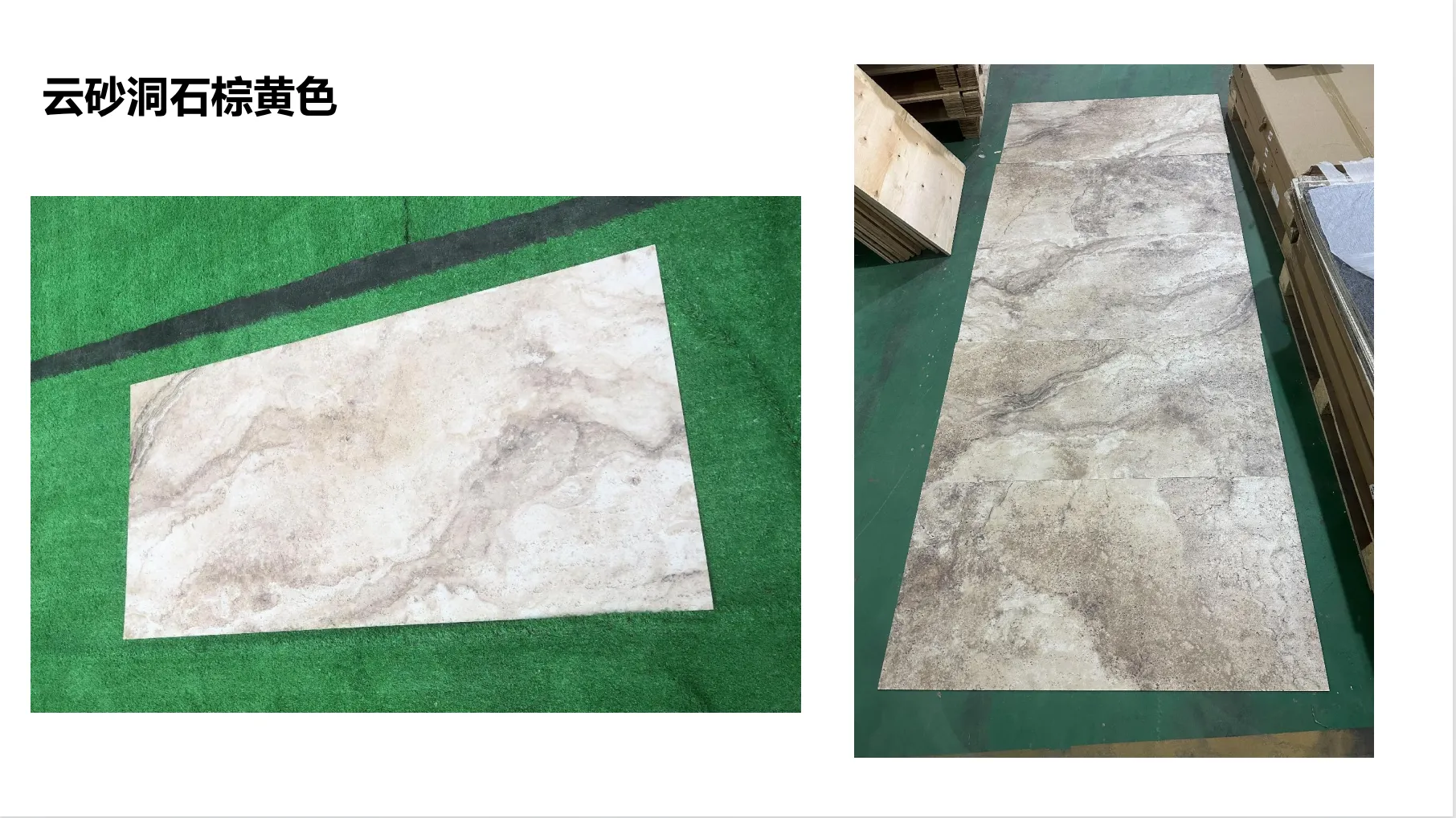
Dolomitic travertine, for the uninitiated, is a sedimentary rock formed from mineral-rich waters, layered over centuries to create its distinct porous surface and veining. The "claybank" variant, with its warm, taupe undertones, stands out for its versatility—it pairs beautifully with wood grains, contrasts sharply with sleek metals like foamed aluminium alloy board (vintage silver), and even complements bolder materials like rusty red or cloud-dragon stone. But when sourcing for global projects, the stakes are high: delays, inconsistencies, or subpar quality can derail timelines, inflate costs, and dilute the design vision. So, how do you ensure you're getting the real deal?
I recently sat down with Maria, a project manager at a leading architecture firm in Chicago, who described her team's struggle to source dolomitic travertine (claybank) for a luxury resort in Bali. "We needed 500 slabs, all matching in tone and veining," she recalled. "Our first supplier sent samples that looked perfect—warm, consistent, just like the reference photos. But when the full shipment arrived? Half were too pink, the other half had dark streaks. We had to delay construction by six weeks. That's when we realized: sourcing isn't just about picking a material—it's about picking a partner."
Maria's story isn't unique. Global sourcing brings a host of challenges: inconsistent geological formations (travertine from Turkey vs. Iran can vary dramatically), language barriers, opaque manufacturing processes, and even logistical nightmares (imagine shipping fragile slabs through monsoon season). Add to that the rise of "knockoff" materials—cheap imitations that mimic travertine's look but crumble under heavy use—and it's no wonder many designers feel overwhelmed.
But here's the silver lining: with the right criteria, you can cut through the noise. Let's break down what matters most.
Not all suppliers are created equal. To ensure you're investing in quality, focus on these non-negotiables:
Dolomitic travertine's quality starts at the source. Look for suppliers who are transparent about their quarries—preferably those with a reputation for ethical mining (no child labor, minimal environmental impact) and consistent geological formations. For claybank specifically, regions like Italy's Tuscany or Turkey's Denizli are known for producing the warm, uniform tones designers crave. Avoid suppliers who can't trace their stone back to a specific quarry.
Travertine is porous by nature, which means it needs proper sealing and finishing to withstand moisture, stains, and foot traffic. Ask suppliers about their finishing processes: do they use high-quality sealants? Are slabs cut with precision (critical for large installations like MCM big slab board series)? For global projects, consistency is key—look for suppliers who use advanced machinery (like 3D scanning) to ensure each slab matches the approved sample.
Reputable suppliers will have certifications to back their claims. Look for ISO 9001 (quality management) and ISO 14001 (environmental management) certifications, as well as third-party testing reports for durability (like water absorption rates, compressive strength, and frost resistance). For high-traffic areas (think hotel lobbies or airports), aim for a water absorption rate below 3%—anything higher increases the risk of staining.
A supplier might talk a big game, but can they deliver on a global scale? Ask for case studies: have they worked on projects similar to yours (e.g., luxury resorts, commercial high-rises)? Do they have experience shipping to your target country? For example, MCM's project board series is trusted by architects worldwide for its consistency—their 3D printing series even allows for custom textures, a boon for unique designs.
Today's clients care about more than aesthetics—they want materials that align with their green goals. Look for suppliers who prioritize sustainability: do they use recycled water in quarrying? Are their production facilities powered by renewable energy? Some innovative suppliers, like those offering foamed aluminium alloy board (vintage gold), even use recycled metals, but for travertine, focus on quarries with reforestation programs or carbon offset initiatives.
Navigating the supplier landscape can feel like searching for a needle in a haystack, but a few names consistently rise to the top. Here's a snapshot of providers known for dolomitic travertine (claybank) excellence, along with their standout offerings:
| Supplier | Key Strengths | Global Projects | Sustainability Focus |
|---|---|---|---|
| MCM Stone | Architectural big slab solutions, 3D printing series for custom textures, strict quality control | Dubai Mall expansion, Tokyo Tower renovation | Carbon-neutral quarries, recycled packaging |
| Etruscan Travertine (Italy) | Heritage quarries (since 1890), claybank consistency, hand-finished slabs | Louvre Abu Dhabi, Paris Opera House extension | Reforestation programs, water recycling |
| Anatolia Stones (Turkey) | Cost-effective, large inventory, fast shipping to Middle East/Europe | Istanbul Airport, Riyadh Metro stations | Solar-powered factories, waste reduction |
Pro tip: Always request a "master sample" from suppliers—keep it on file and compare every shipment against it. And don't be afraid to visit quarries or factories if possible; seeing the process firsthand builds trust.
Even with a trusted supplier, due diligence is critical. When your dolomitic travertine (claybank) shipment arrives, roll up your sleeves and check for these red flags:
If you're unsure, hire a third-party inspector—their expertise can save you from costly mistakes down the line.
Dolomitic travertine (claybank) rarely shines alone—it's a team player. For global projects, consider pairing it with these materials to elevate your design:
Sleek, modern, and lightweight—perfect for accent walls or ceiling panels in commercial spaces. The cool silver tones contrast beautifully with claybank's warmth.
Adds drama and depth—ideal for feature walls in hotels or restaurants. The bold red pops against travertine's neutral backdrop.
Brings warmth and texture—pair with travertine flooring for a cozy, organic vibe in residential or hospitality projects.
Let's circle back to Maria, the project manager from Chicago. After her initial sourcing disaster, her team turned to MCM Stone for their Bali resort project. "We explained our needs: 500 slabs, all claybank, with minimal veining. MCM sent us 20 master samples, each labeled with the quarry batch number. We picked our favorite, and they guaranteed consistency across the entire shipment."
The result? A lobby with floor-to-ceiling travertine walls, paired with foamed aluminium alloy board (vintage gold) accents and bamboo mat board ceilings. "Guests walk in and immediately comment on the 'natural feel'—like the space has been there for decades," Maria said. "And best of all? No delays, no surprises. That's the power of choosing the right supplier."
Sourcing dolomitic travertine (claybank) for global projects isn't just about checking boxes—it's about investing in a material that will shape spaces for decades. It's about the architect who wants their design to feel timeless, the project manager who refuses to compromise on quality, and the client who dreams of a space that tells a story.
So, take your time. Ask questions. Visit quarries. Demand transparency. And when you find that supplier who "gets it"—who understands that claybank isn't just a stone, but a feeling—hold onto them. Because in the world of global construction, trust is the most valuable material of all.
Recommend Products












