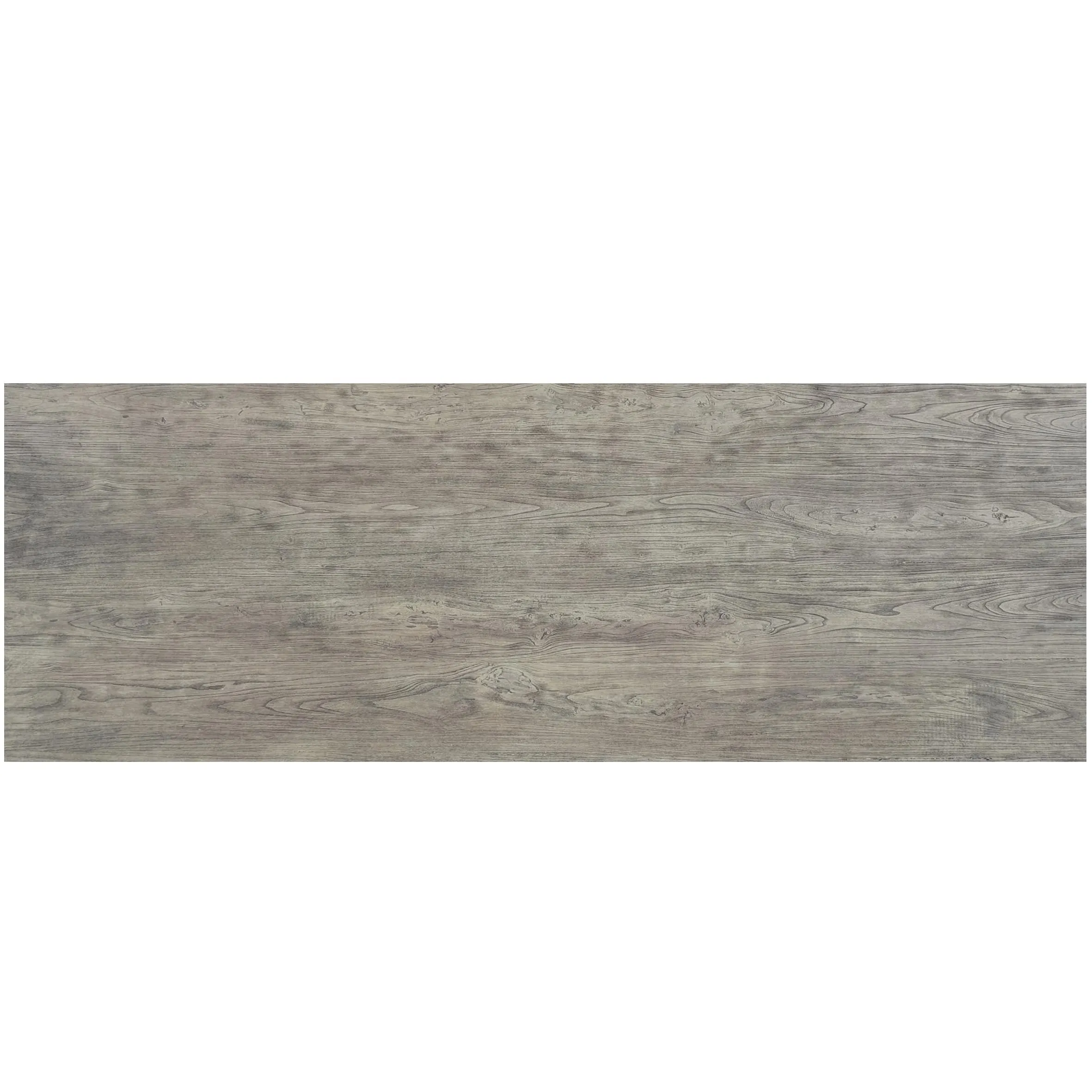
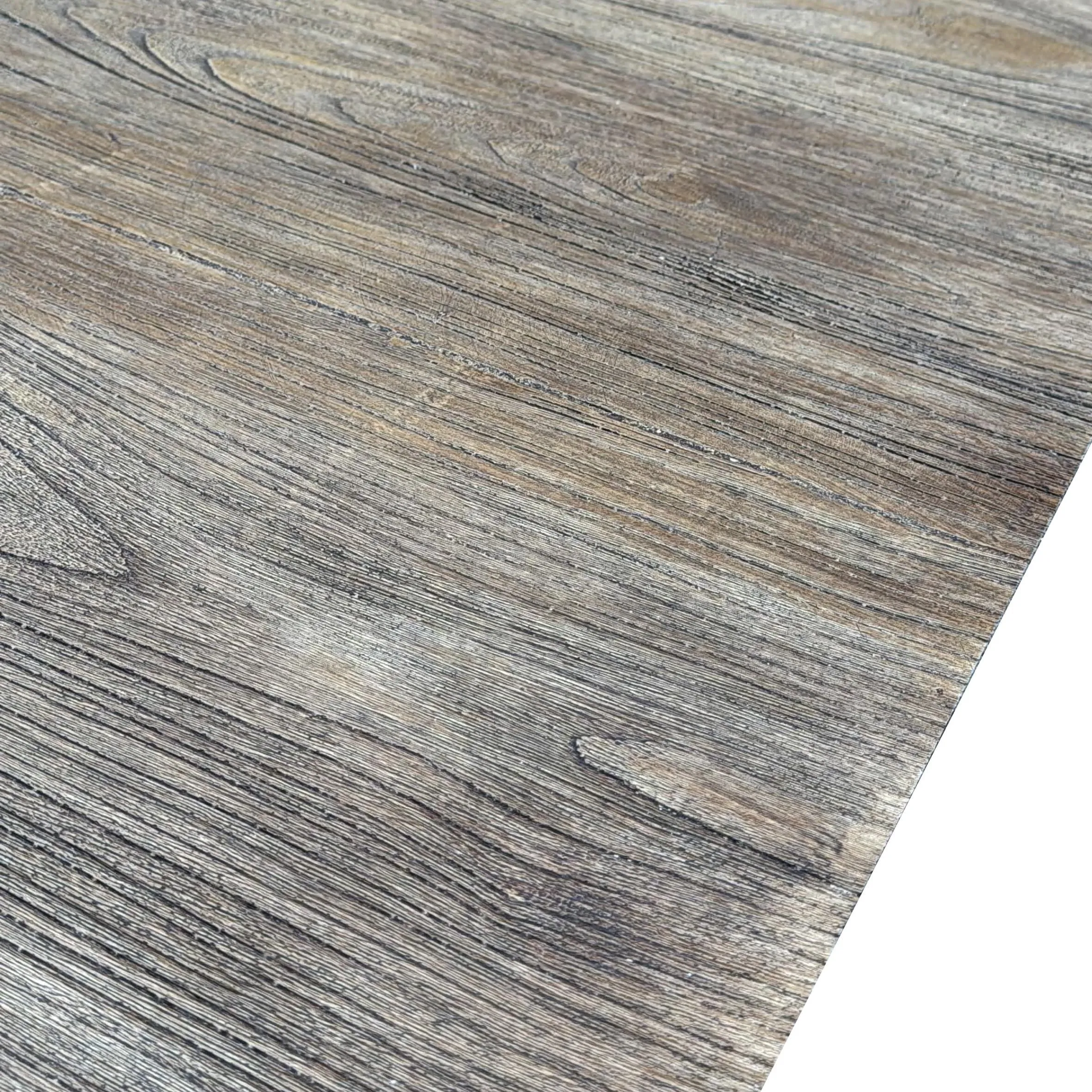
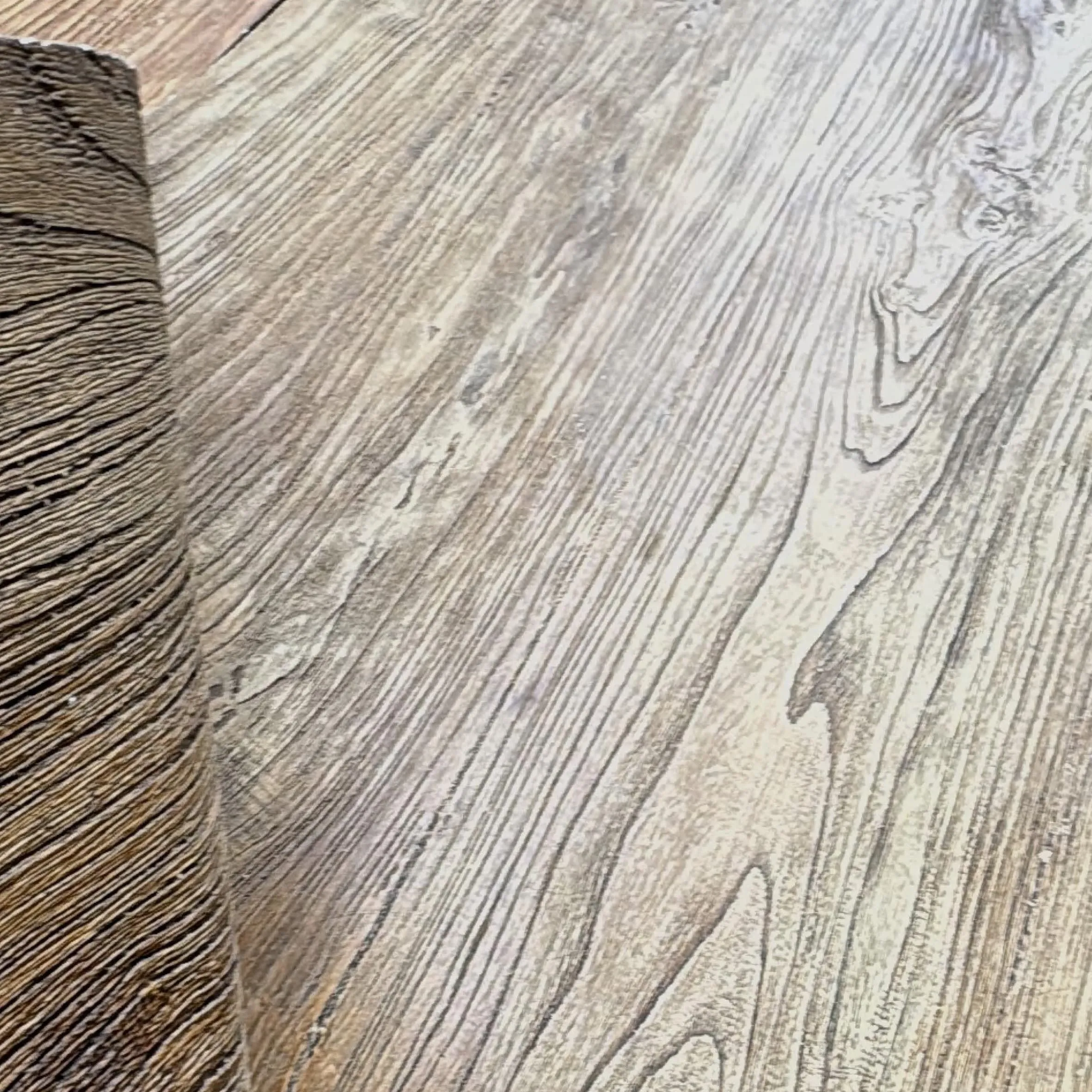
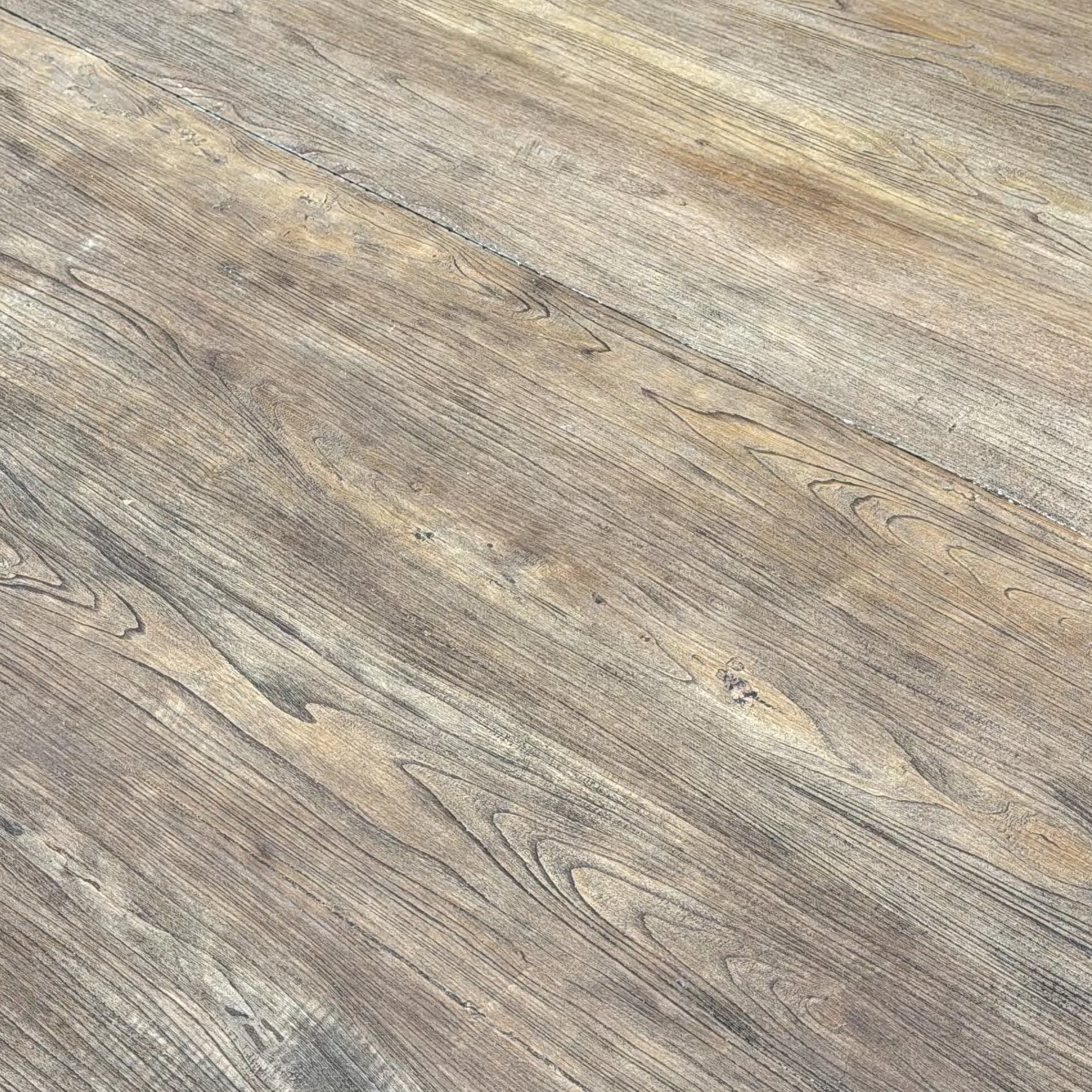
Now that you know what to look for, where do you actually find these suppliers? Saudi Arabia's construction market is a mix of local distributors, international manufacturers with regional offices, and B2B platforms. Each has pros and cons—let's weigh them.
Pro Tip:
Always cross-reference multiple channels. A supplier might shine on paper but have hidden flaws (e.g., long lead times, poor after-sales support) that only surface when you compare them to others.
Local Suppliers: Speed vs. Selection
Local distributors are convenient—they're based in Saudi Arabia, so lead times are short (often 2–4 weeks) and communication is easy (no time zone issues). Many stock popular wood grain board options, making them great for urgent projects or small orders. However, their selection is often limited to mainstream products, and prices can be higher due to import markups.
To find local suppliers, check directories like the Saudi Council of Engineers or attend trade shows like The Big 5 Saudi (a major construction expo in Riyadh). Ask for references from contractors who've worked on similar projects—word of mouth is gold here. For example, a local supplier in Dammam might specialize in boards for coastal areas, while one in Riyadh focuses on desert-climate durability.
International Manufacturers: Specialization & Scale
For large projects or unique requirements (e.g., custom wood grain patterns, MCM flexible stone substrates), international manufacturers are worth considering. Countries like Turkey, Italy, and China are major producers, with some offering Saudi-specific lines designed for heat resistance. The upside? More control over customization, bulk pricing discounts, and access to cutting-edge tech (like 3D-printed wood grain textures).
The downside? Longer lead times (8–12 weeks for shipping and customs) and the hassle of navigating import regulations. You'll need to factor in costs like shipping, customs duties (typically 5% in Saudi Arabia), and potentially hiring a local agent to handle paperwork. Also, ensure the manufacturer has experience exporting to Saudi—some skimp on testing for regional conditions, assuming "global standards" are enough (they're not).
B2B Platforms: Convenience with Caution
Platforms like Alibaba, Made-in-China, or even regional sites like TradeKey can connect you with dozens of suppliers in minutes. They're great for initial research—comparing prices, reading reviews, and requesting quotes without leaving your desk. But proceed with caution: not all profiles are verified, and photos can be misleading. A board that looks stunning online might arrive with mismatched colors or thin substrates.
If using B2B platforms, filter for suppliers with "Gold Supplier" badges or third-party verification (e.g., SGS audits). And never skip sample testing—most suppliers will send free or low-cost samples; if they refuse, walk away.
Comparison: Which Channel is Right for You?
|
Sourcing Channel
|
Best For
|
Pros
|
Cons
|
|
Local Suppliers
|
Small orders, urgent projects, simple requirements
|
Short lead times, local support, easy communication
|
Limited selection, higher prices
|
|
International Manufacturers
|
Large projects, custom designs, specialized substrates (e.g., MCM flexible stone)
|
Customization, bulk discounts, advanced materials
|
Long lead times, import complexity, higher upfront costs
|
|
B2B Platforms
|
Initial research, comparing options, small to medium orders
|
Convenient, wide range of suppliers, easy price comparison
|
Risk of unverified suppliers, potential quality issues
|