
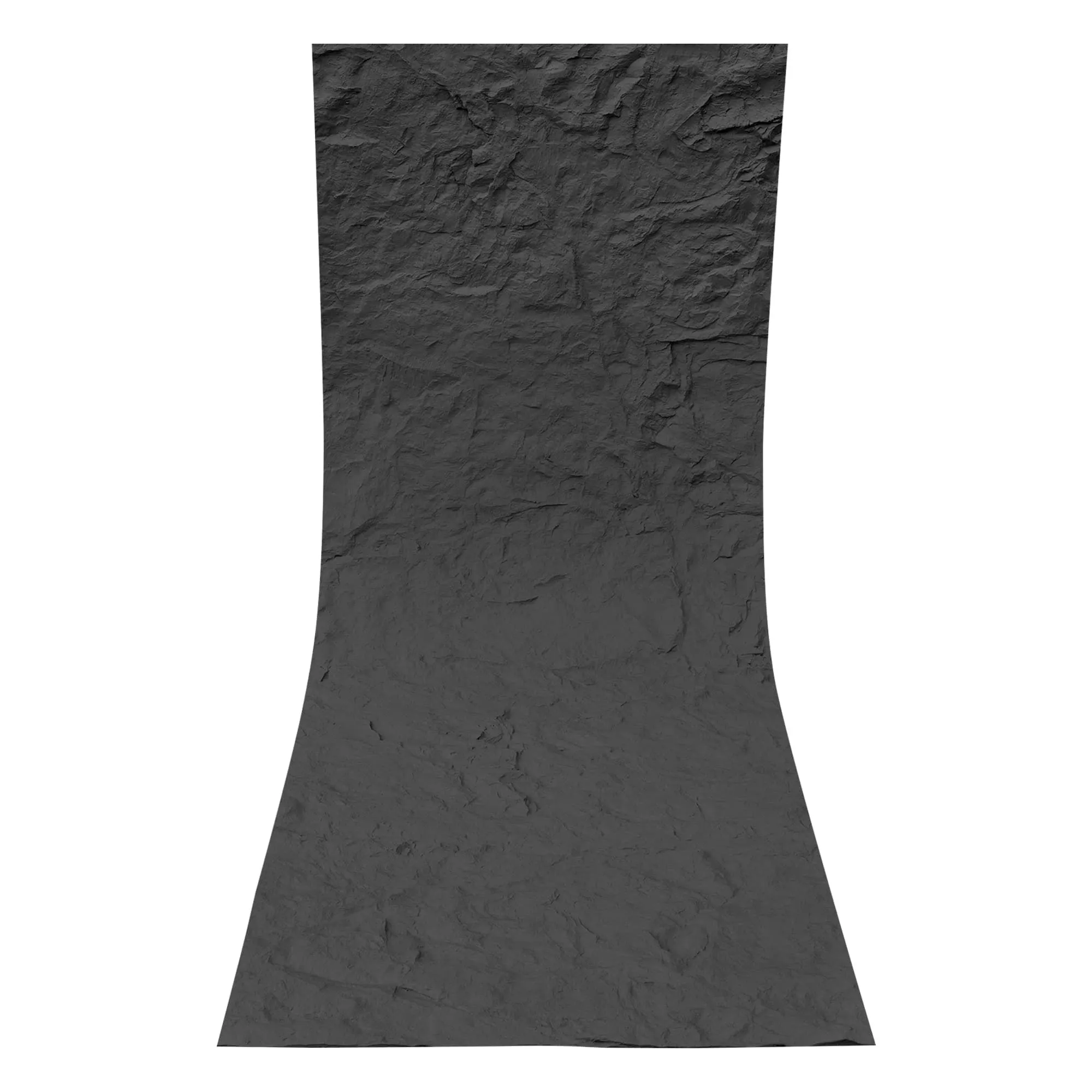
Where Timeless Stone Meets Seamless Global Sourcing
Walk into any high-end boutique hotel, a sleek modern office, or a cozy artisanal café, and you might find yourself pausing at the wall—a surface that feels less like "material" and more like a narrative. Chances are, that surface is vintage black boulder slab: a stone that doesn't just decorate spaces, but anchors them. Its deep, inky hue, marked by subtle veining and a weathered "vintage" patina, balances ruggedness with refinement, making it a darling of designers chasing both industrial edge and timeless elegance. But here's the catch: sourcing this stone globally—with consistency, authenticity, and sustainability in mind—isn't just a logistical puzzle; it's a quest to marry nature's unpredictability with human precision.
Enter COLORIA. As a leader in architectural materials, COLORIA doesn't just sell stone—it curates experiences. Their approach to sourcing vintage black boulder slab, a standout in their boulder slab series , is a masterclass in how global supply chains can turn challenges into opportunities. In this article, we'll unpack the allure of vintage black boulder slab, the hurdles of sourcing it worldwide, and how COLORIA's innovative supply chain transforms "hard-to-find" into "effortlessly accessible."
Before diving into sourcing, let's talk about why vintage black boulder slab commands such attention. Unlike glossy black marbles or uniform concrete, this stone carries a story in its texture. The "vintage" label isn't just marketing—it refers to a deliberate aesthetic: a slightly weathered surface that mimics the look of stone aged by time, rain, and wind, without losing structural integrity. Think of it as stone with character: tiny pits, irregular veining in charcoal or silver, and a matte finish that softens light rather than reflecting it harshly. It's the difference between a brand-new leather jacket and one broken in over years—comforting, authentic, and full of personality.
Within COLORIA's boulder slab lineup, vintage black holds its own against its siblings: boulder slab (vintage silver) with its cool, metallic undertones and boulder slab (vintage gold) with warm, sunlit veins. But black? It's the chameleon. Pair it with brass fixtures in a mid-century modern home, and it feels luxurious. Combine it with raw wood and Edison bulbs in a café, and it leans industrial. In a minimalist bathroom, it becomes a striking backdrop for white porcelain. Designers love it not just for its versatility, but for its ability to add depth—literally and metaphorically—to a space.
But here's the rub: natural stone is, by definition, inconsistent. Two slabs from the same quarry can vary in veining, color intensity, or texture. For designers working on large projects—say, a 500-room hotel or a sprawling retail complex—this inconsistency can derail a vision. Add global sourcing to the mix, and the challenges multiply: How do you ensure the stone from a quarry in Turkey matches the sample from Italy? How do you transport massive slabs without cracking them? And how do you do it all while keeping sustainability at the forefront?
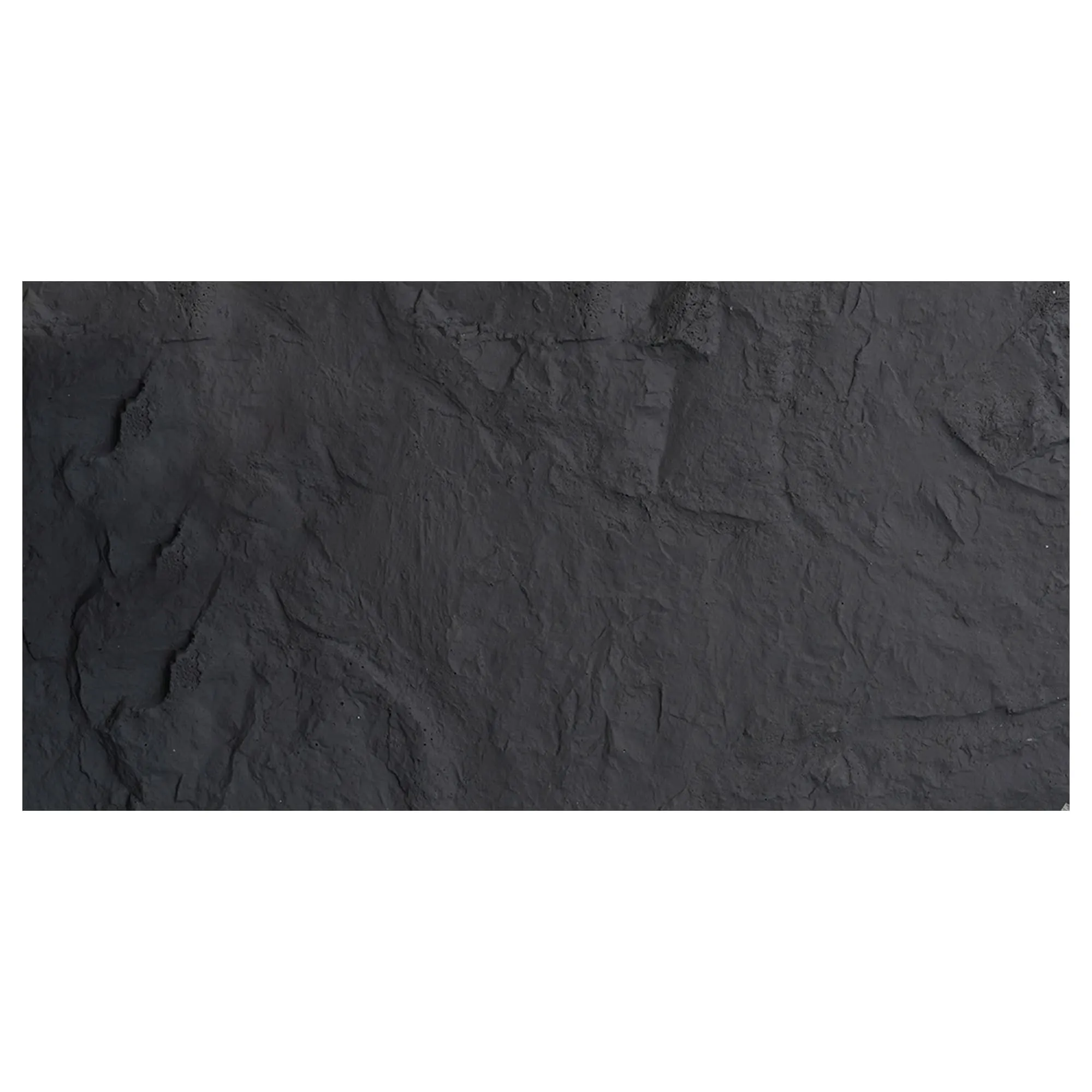
Sourcing vintage black boulder slab globally is a bit like hunting for a rare book: you need to know where to look, how to verify authenticity, and how to bring it home intact. Let's break down the key hurdles:
Vintage black boulder slab's unique texture comes from specific geological conditions—slow mineral deposition, pressure, and natural weathering. Top-quality deposits are found in select regions: parts of Italy (known for travertine and marble), Turkey (famous for travertine), and even some areas in the American Southwest. But these quarries are often small, family-run operations with limited output. Sourcing globally means coordinating with multiple partners, each with their own standards, lead times, and language barriers. A miscommunication about "vintage" intensity—say, a quarry in Spain interpreting it as "lightly weathered" while a designer wants "heavily distressed"—can lead to costly rejections.
Natural stone is beautiful because it's imperfect—but that imperfection becomes a problem when a client expects 100 identical slabs. A single quarry can produce stone with variations in color (from deep ebony to charcoal gray) and veining (thick silver streaks vs. fine spiderwebbing). Without rigorous quality checks, a shipment might arrive with slabs that clash, forcing designers to scramble for replacements. Traditional sourcing often relies on manual inspections, which are subjective and prone to human error.
Vintage black boulder slabs are heavy—often 200-300 kg per slab—and fragile. Transporting them across oceans, through customs, and to job sites requires specialized handling. Standard shipping crates might not protect against vibration or humidity; a single crack during transit can render a slab useless. Add to that unpredictable lead times—delays at ports, strikes, or even bad weather—and projects can fall behind schedule, costing clients time and money.
In an era where eco-conscious design is non-negotiable, traditional stone sourcing often falls short. Quarrying can disrupt local ecosystems, generate excessive waste, and contribute to carbon emissions via long-haul transportation. Designers today don't just ask, "Is this stone beautiful?"—they ask, "Is it ethical?" Sourcing globally without a sustainability strategy can leave a project with a hidden environmental footprint, damaging both reputations and the planet.
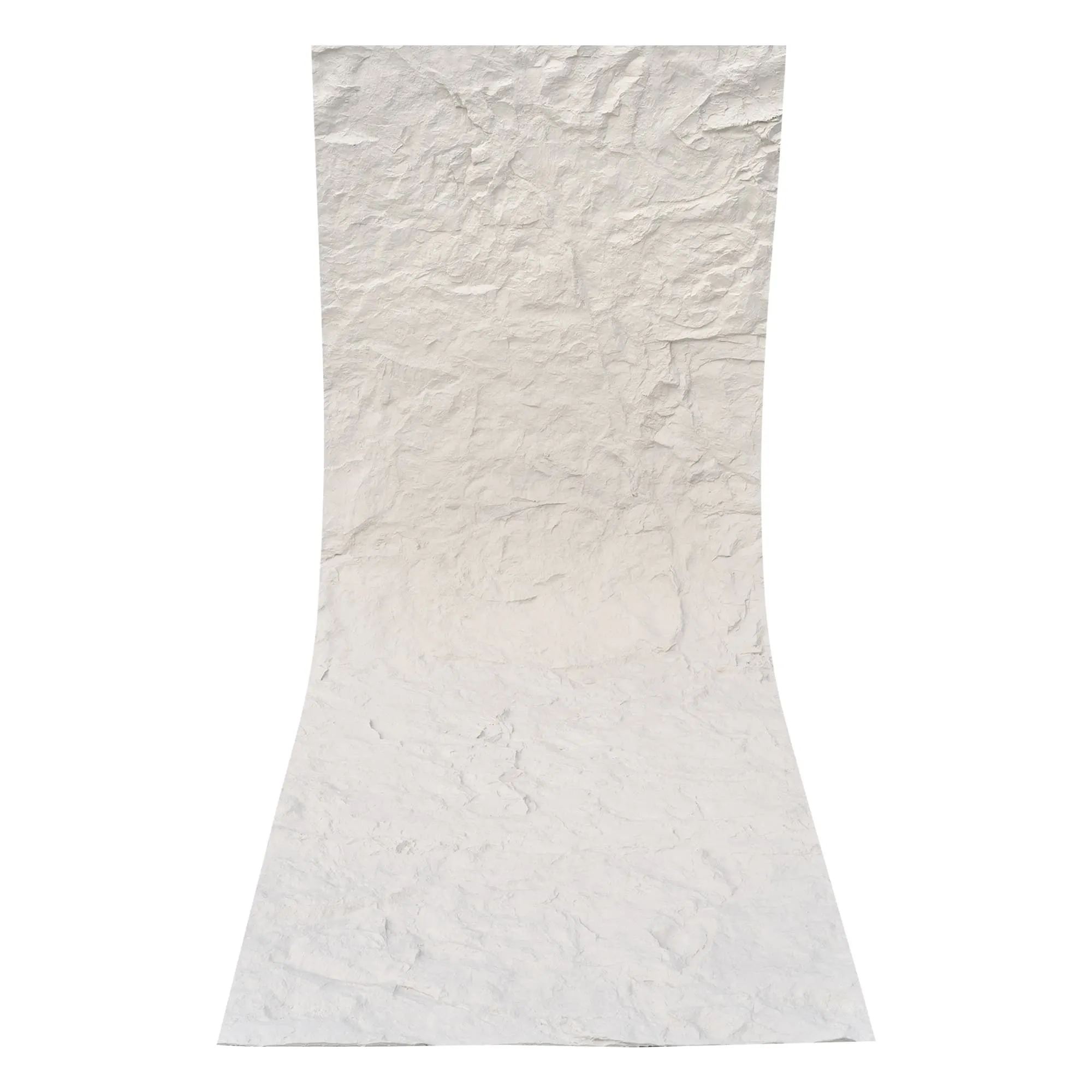
COLORIA didn't just build a supply chain—they reimagined it. By blending traditional craftsmanship with cutting-edge technology, they've created a system that addresses every pain point of global sourcing. Here's how they do it:
Instead of casting a wide net, COLORIA partners with a select network of quarries and artisans—some with decades of experience—who share their commitment to quality and sustainability. For vintage black boulder slab, they've zeroed in on regions with a proven track record for the stone's signature texture: a small quarry in the Apennine Mountains of Italy, known for its slow-weathered limestone, and a family-run operation in Turkey specializing in travertine with natural "vintage" patinas. These partnerships aren't transactional; they're collaborative. COLORIA works with quarries to refine extraction techniques, ensuring that the stone meets their exacting standards for color depth, veining, and durability.
To tackle natural variability, COLORIA leverages its 3D printing series and advanced scanning technology. Here's how it works: When a new batch of stone arrives, each slab is 3D-scanned to create a digital model of its texture and veining. Designers can then review these models online, selecting slabs that align with their vision—no need to fly to a quarry. For projects requiring near-identical slabs, COLORIA uses 3D printing to replicate the stone's natural texture on lightweight, eco-friendly flexible stone panels. This hybrid approach—combining natural slabs with 3D-printed replicas—ensures consistency without sacrificing authenticity.
But technology doesn't replace the human touch. COLORIA's quality control team, with decades of stone expertise, manually inspects each slab for structural integrity, ensuring no hidden cracks or weaknesses. It's the best of both worlds: precision of machines, intuition of craftsmen.
COLORIA's logistics network is built for stone. They've partnered with specialized freight companies that use climate-controlled containers to protect slabs from humidity and temperature fluctuations. Each slab is crated in custom foam padding, designed to absorb shock during transit. And with real-time tracking, clients can monitor their shipment's journey from quarry to delivery, eliminating the stress of "where's my stone?"
For urgent projects, COLORIA offers air freight options (though they prioritize sea freight for lower carbon emissions), and their global warehouses—located in key design hubs like Milan, New York, and Dubai—stock popular materials, reducing lead times from months to weeks.
As a global construction solutions provider , COLORIA knows sustainability isn't optional. Their approach starts at the quarry: partners must adhere to strict environmental standards, including reforestation of mined areas and water recycling. For every ton of stone extracted, COLORIA funds tree-planting initiatives in the region. They also prioritize flexible stone —a lightweight alternative to traditional stone that reduces transportation emissions by up to 60%. And their 3D printing series minimizes waste by using only the exact amount of material needed, unlike traditional cutting methods that generate excess stone dust and scraps.
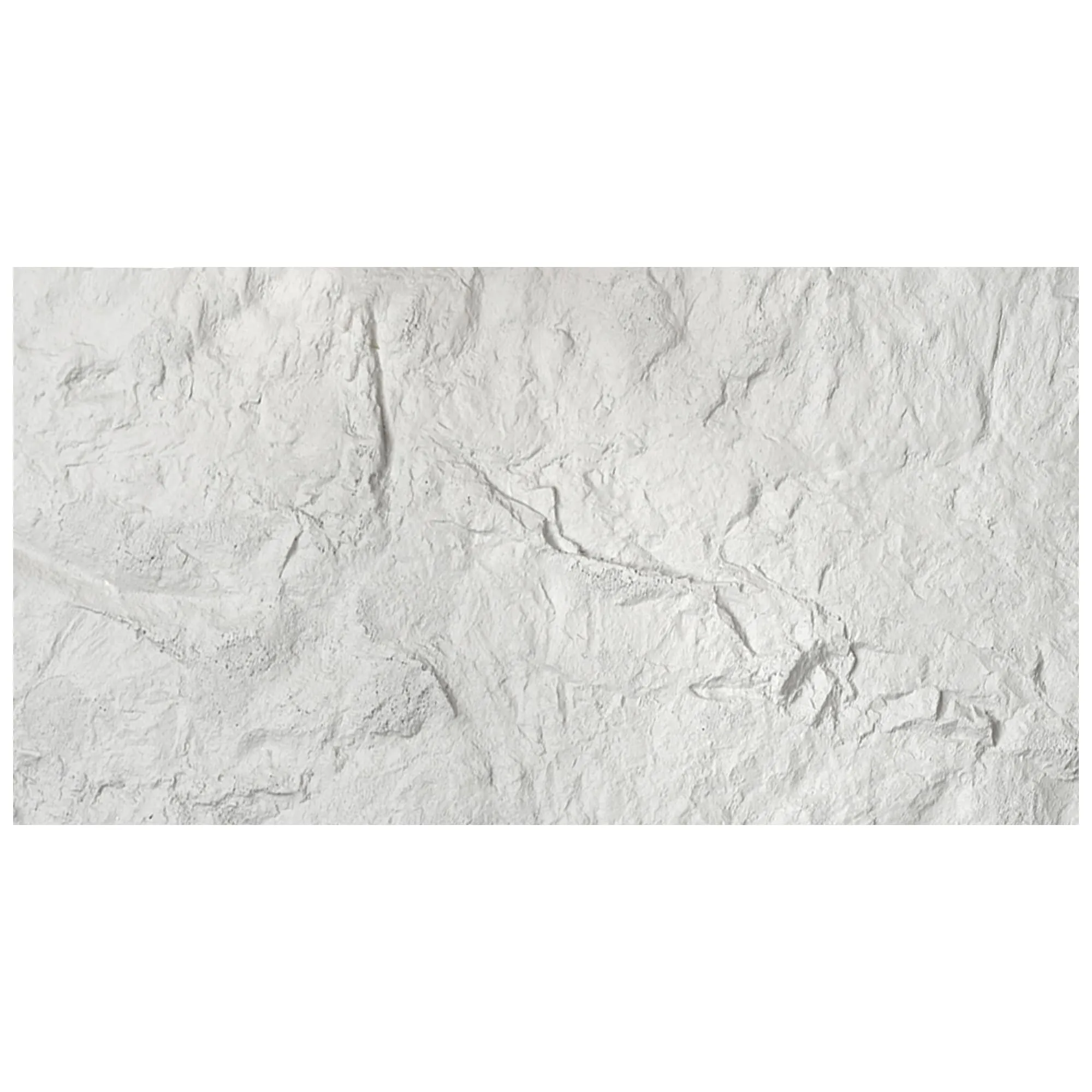
| Aspect | Traditional Global Sourcing | COLORIA's Supply Chain |
|---|---|---|
| Quality Consistency | High variability due to natural stone inconsistencies; manual inspections prone to error. | 3D scanning + human expertise; 3D printing series for replica consistency; digital pre-approval for clients. |
| Sustainability | Often lacks transparency; high carbon footprint from unoptimized logistics; minimal waste reduction. | Eco-certified quarries; flexible stone reduces emissions; 3D printing minimizes waste; reforestation partnerships. |
| Lead Time | 6-12 weeks (unpredictable due to logistics delays). | 4-8 weeks (global warehouses + optimized shipping routes). |
| Cost Efficiency | Hidden costs (rejected slabs, delays, rush shipping). | Transparent pricing; reduced waste and delays; bulk shipping discounts. |
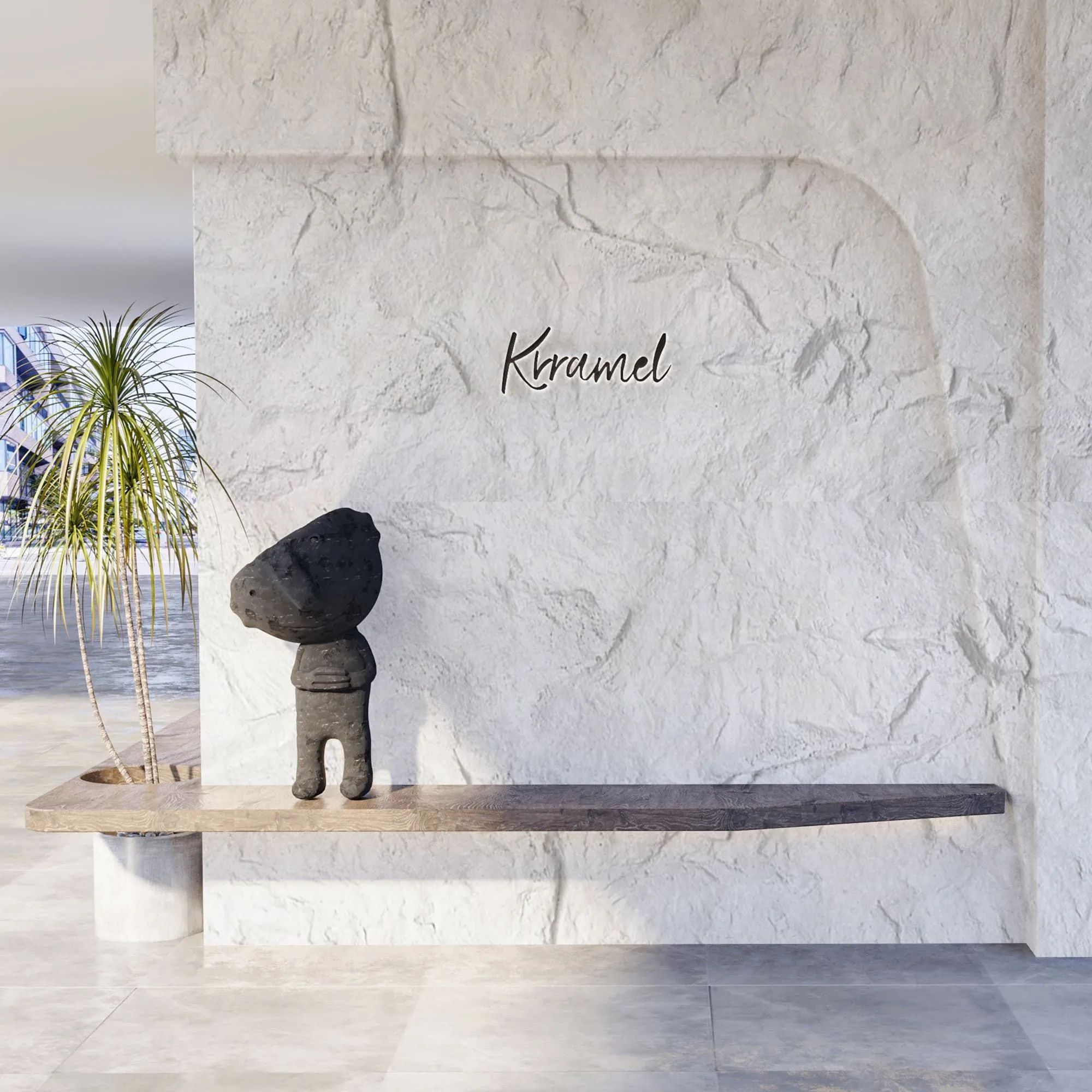
To see COLORIA's supply chain in action, look no further than the Grand Mirò Hotel in Milan—a 5-star property nestled in the heart of the city's design district. The hotel's design team wanted to create a lobby that felt both grand and intimate, with a material that would age gracefully over time. They chose vintage black boulder slab for the feature wall behind the reception desk, paired with warm brass accents and soft lighting.
The challenge? The lobby required 20 large slabs (each 3m x 1.5m) with near-identical veining to create a cohesive backdrop. Traditional sourcing would have meant visiting quarries across Europe, risking delays and inconsistencies. Instead, the team partnered with COLORIA, who provided 3D scans of 50+ slabs from their Italian quarry partner. The designers selected 15 natural slabs and 5 3D-printed flexible stone replicas (for hard-to-reach corners) to ensure the wall flowed seamlessly.
The result? A lobby that feels like a timeless masterpiece. Guests often remark on the wall's "lived-in luxury"—the way the vintage black stone absorbs light in the morning and glows softly at night. And thanks to COLORIA's logistics, the slabs arrived in Milan in just 6 weeks, on time for the hotel's grand opening. As the hotel's designer put it: "Working with COLORIA wasn't just about getting stone—it was about getting peace of mind."
As design trends evolve—leaning into biophilia, industrial minimalism, and heritage-inspired spaces—vintage black boulder slab will only grow in demand. And COLORIA's supply chain is evolving with it. They're exploring AI-driven predictive sourcing, using machine learning to forecast quarry yields and identify potential quality issues before they arise. Blockchain technology will soon add transparency, allowing clients to trace a slab's journey from quarry to installation with a single click.
But at the heart of it all is a commitment to storytelling. Vintage black boulder slab isn't just a material—it's a bridge between the past (the stone's natural formation) and the future (sustainable, tech-driven design). COLORIA's supply chain doesn't just deliver stone; it delivers the confidence to create spaces that matter.
Vintage black boulder slab is a material that demands respect—for its beauty, its complexity, and its role in shaping spaces. Sourcing it globally shouldn't be a headache; it should be a journey of collaboration, innovation, and shared vision. With COLORIA, that journey becomes seamless. Their supply chain isn't just about moving stone—it's about moving ideas, turning design dreams into tangible, timeless realities.
So whether you're designing a boutique hotel, a corporate headquarters, or a cozy home, remember: the right material is out there. And with the right partner, sourcing it globally is easier than you think.
Recommend Products












