
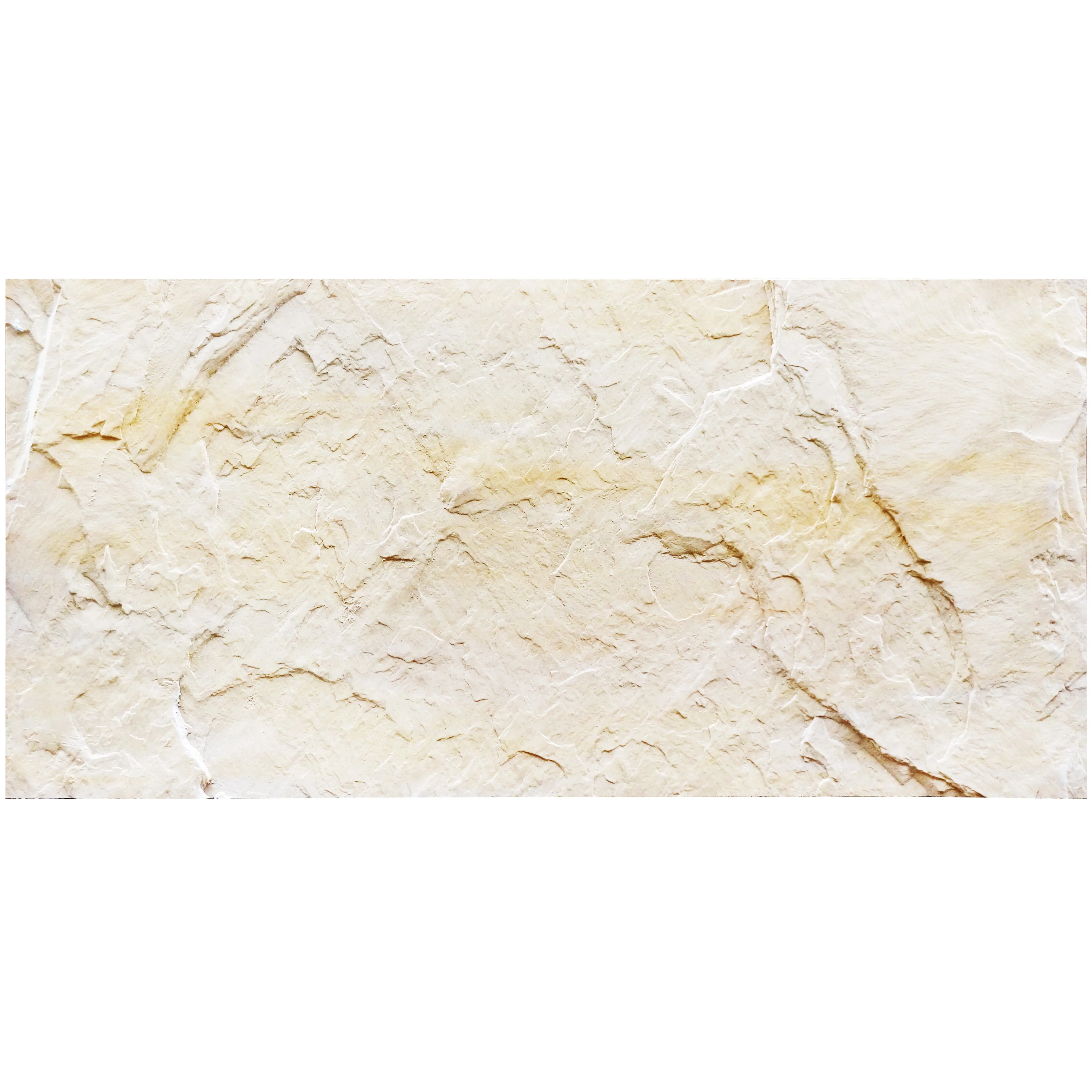
Walk into a well-designed commercial space—a boutique hotel lobby, a bustling restaurant, or a sleek retail store—and you'll notice it immediately: the materials chosen don't just fill the room; they shape the experience. They set the mood, guide movement, and leave a lasting impression on visitors. For designers and architects tasked with creating such spaces, selecting the right material is more than a practical choice—it's a storytelling decision. And if you're aiming for a balance of warmth, durability, and understated elegance, there's one material that deserves a spot at the top of your list: slate sunnye.
Slate sunnye isn't just another stone. It's a material with character—a natural canvas that carries the quiet beauty of sunlit landscapes, with soft, earthy hues that range from warm terracottas to gentle golds, all swirled with subtle veins of gray and cream. But what truly sets it apart is its versatility: it can anchor a rustic café's floors, elevate a modern office's accent wall, or add depth to a luxury hotel's outdoor terrace. In this guide, we'll walk through everything you need to know to specify slate sunnye for your next commercial project—from understanding its unique qualities to pairing it with complementary materials, and ensuring it thrives for years in high-traffic spaces.
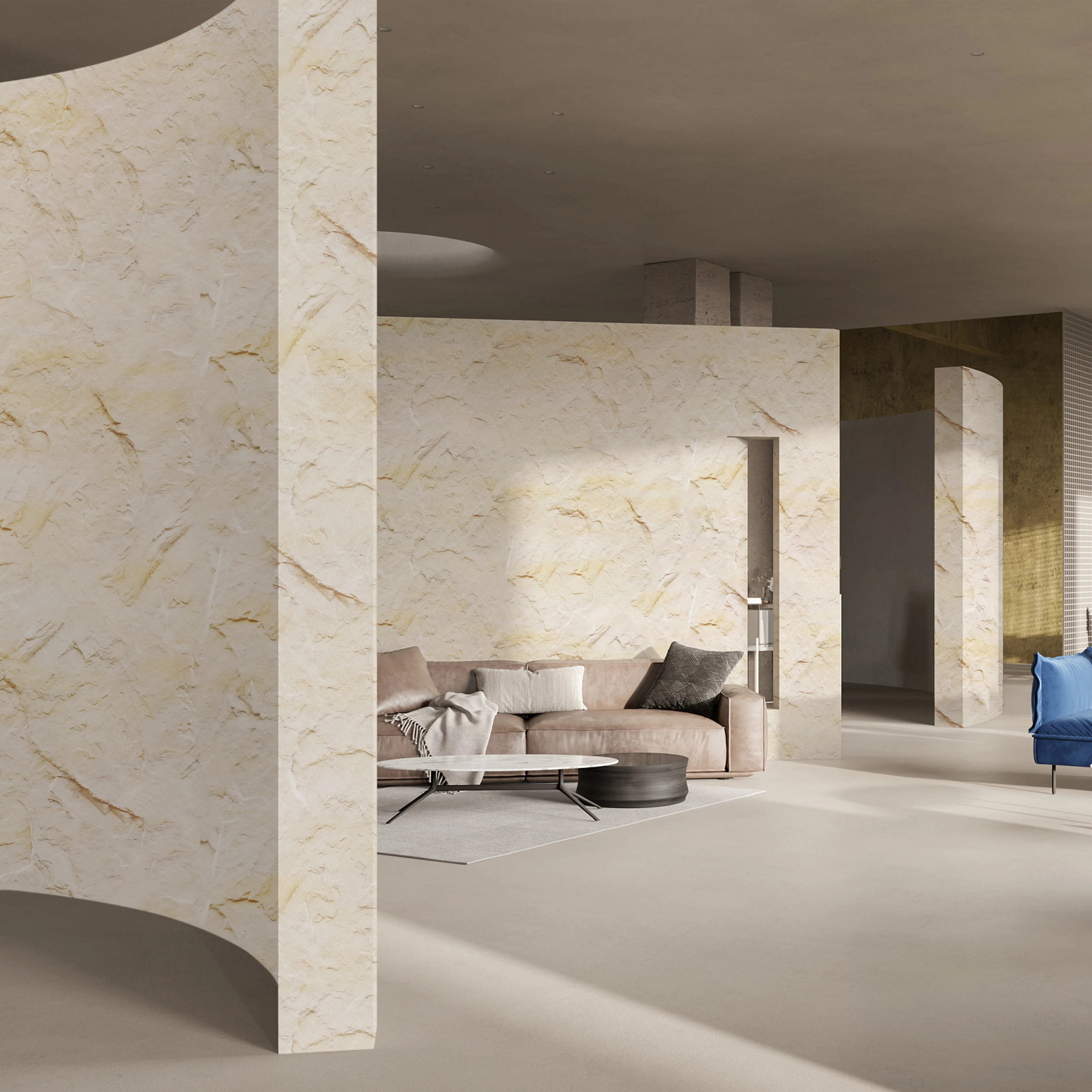
First, let's get to know the star of the show. Slate sunnye is a type of metamorphic rock, formed over millions of years from sedimentary deposits compressed by heat and pressure. Its name hints at its most striking feature: a warm, sunlit color palette that leans toward soft oranges, honeyed beiges, and muted golds, with occasional flecks of white or gray that mimic sunlight dappling through leaves. Unlike darker slates like slate portoro (with its bold black and gold veins) or slate veil white (a crisp, pale option), slate sunnye feels inherently inviting—it doesn't shout, but it doesn't fade into the background either.
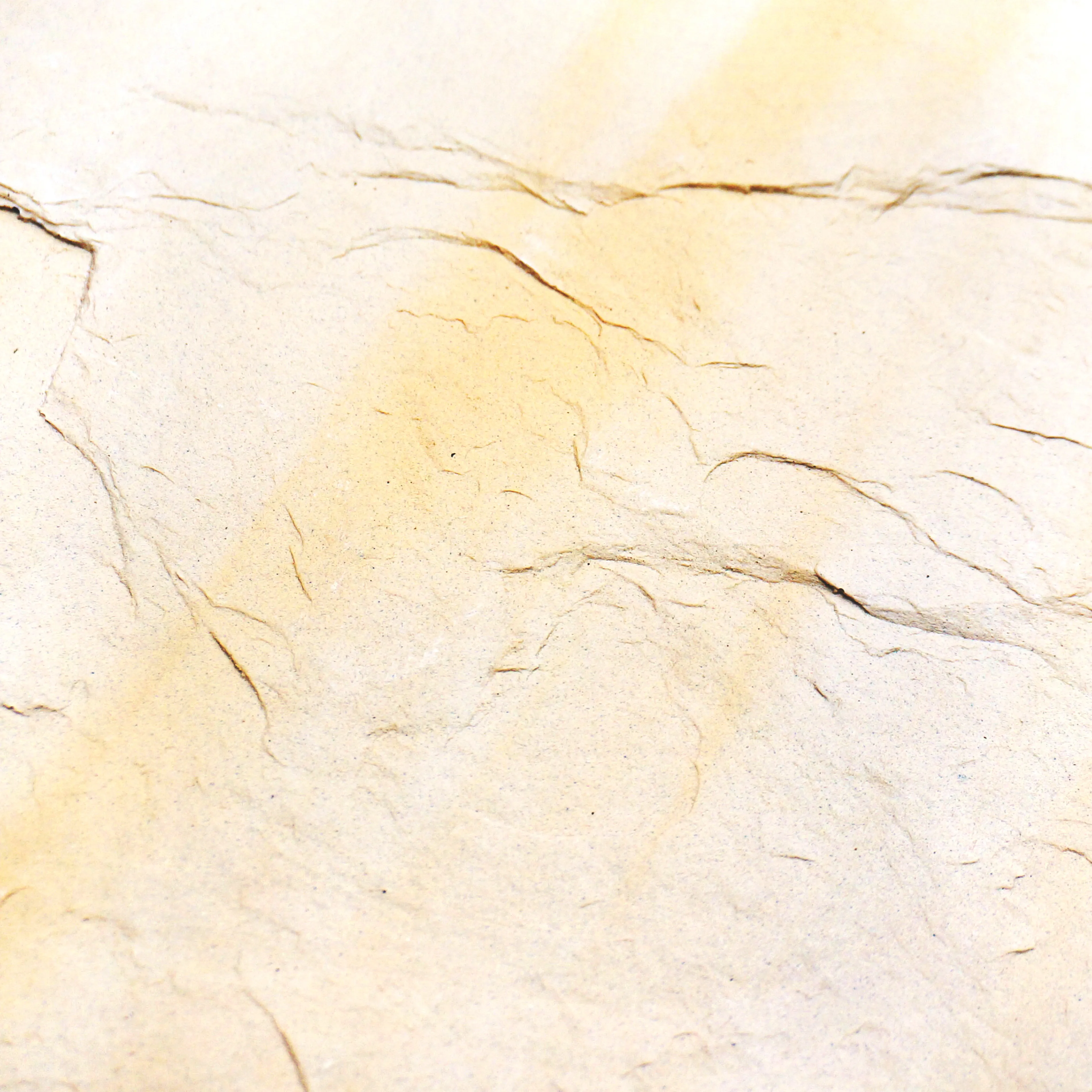
Geologically, it's part of the same family as other slates, but its mineral composition gives it a unique texture: slightly more granular than, say, the smooth finish of marble veil white, but far less porous than travertine (beige). This sweet spot makes it ideal for commercial settings, where durability and low maintenance are non-negotiable. Imagine a busy airport lounge where thousands of travelers pass through daily—slate sunnye's hard-wearing surface resists scratches and chips, while its natural slip resistance (when properly sealed) keeps safety a priority.
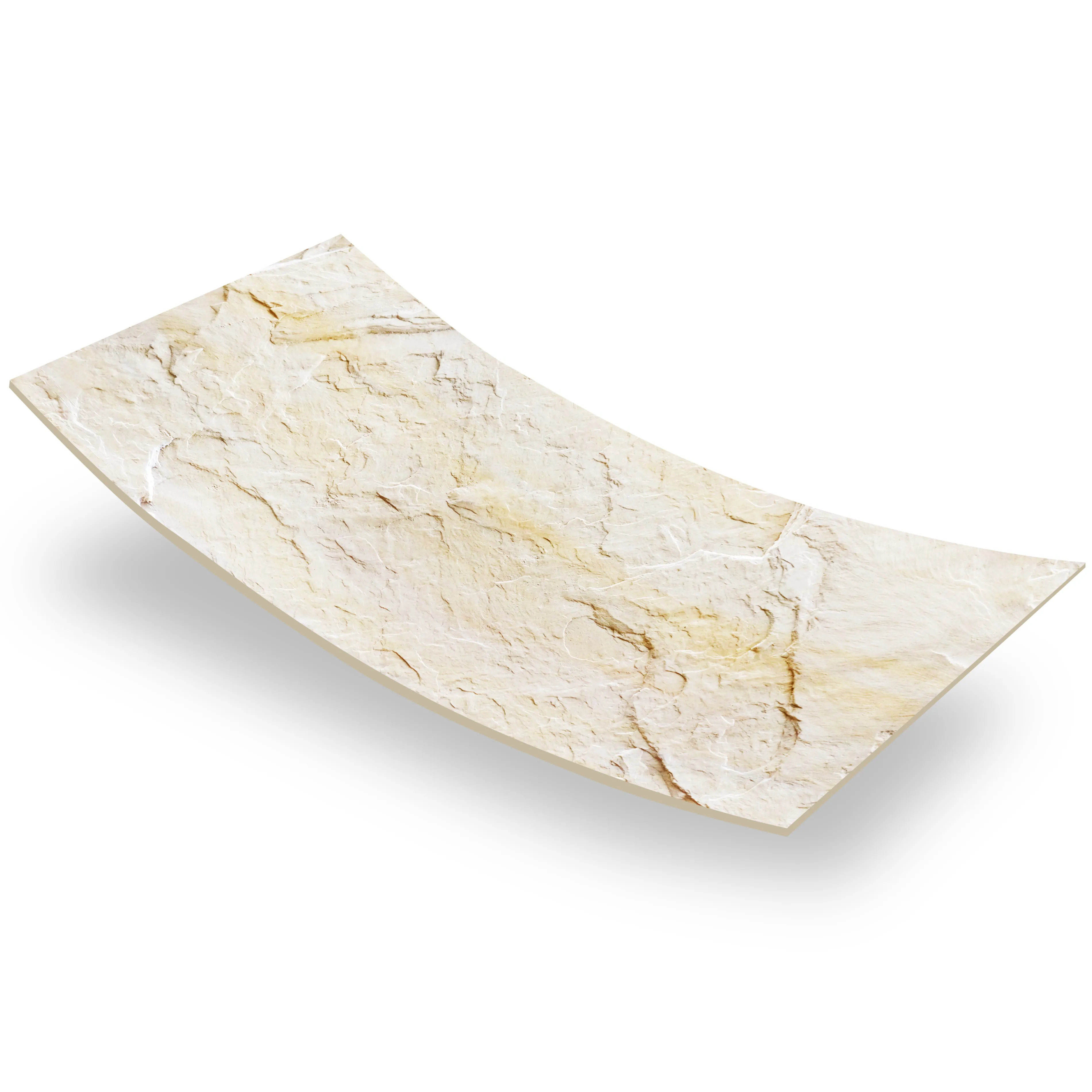
Before diving into specifications, let's break down why slate sunnye is a standout choice for commercial projects. These are the qualities that make it more than just a pretty face:
1. Durability That Handles the Hustle Commercial spaces are tough on materials. Think of a restaurant floor after a Saturday night rush, or a hotel lobby during peak check-in times—spills, scuffs, and constant foot traffic are par for the course. Slate sunnye's density (it ranks 6-7 on the Mohs hardness scale) means it stands up to this abuse better than softer stones like travertine (beige) or even some granites. It's also resistant to heat, making it suitable for areas near fireplaces, ovens, or outdoor patios exposed to direct sunlight.
2. Aesthetic Versatility Slate sunnye plays well with others, which is crucial in commercial design where spaces often blend multiple styles. Pair it with industrial elements like fair-faced concrete for a modern warehouse vibe, or with warm woods like bamboo mat board for a cozy café feel. Its neutral-yet-warm tones act as a "blank canvas" that lets other design elements—art, lighting, furniture—shine. For example, in a retail store, slate sunnye floors could complement woven (khaki) textiles in displays, creating a cohesive, earthy aesthetic that feels intentional.
3. Natural Variation Adds Character No two slabs of slate sunnye are identical. Each piece has its own pattern of veins, color intensity, and texture, which means your project will have a one-of-a-kind look. This variation is a feature, not a flaw—especially in commercial spaces that aim to feel authentic and memorable. A hotel using slate sunnye for its lobby walls won't feel generic; instead, guests might remark on the "unique stone" that makes the space feel special.
4. Low Maintenance, High Reward Unlike marble (which requires frequent sealing) or polished concrete (prone to showing stains), slate sunnye is relatively easy to care for. A yearly seal (using a penetrating sealer) keeps it resistant to liquids, and regular sweeping/mopping with a pH-neutral cleaner is usually all it needs. For busy facility managers, this translates to lower long-term costs—a big win for commercial projects with tight budgets.
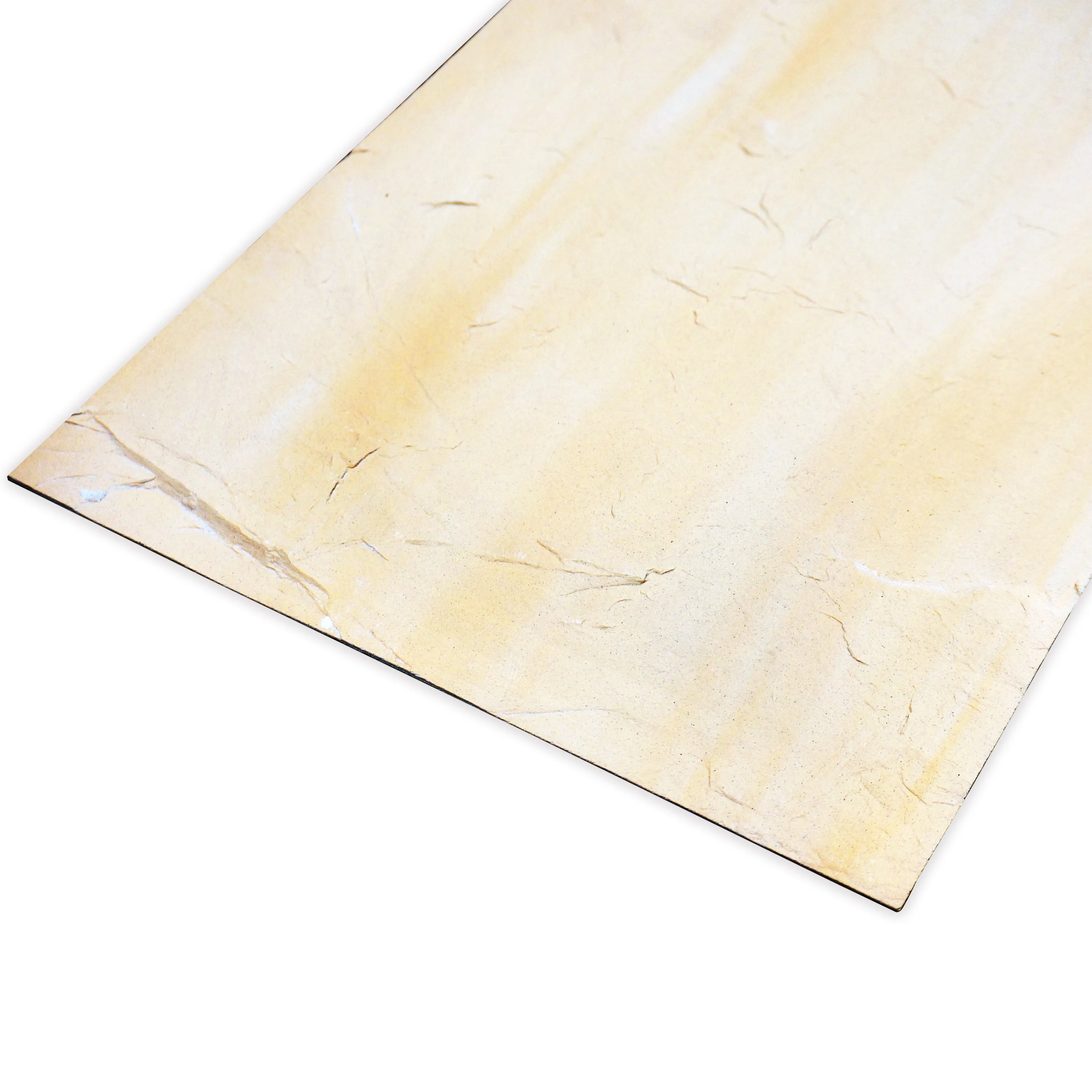
Now that you're sold on slate sunnye's appeal, let's get into the nitty-gritty of specifying it for your project. These are the questions to ask (and answer) before placing your order:
1. Indoor vs. Outdoor Use: Know the Environment Slate sunnye performs beautifully both inside and out, but the specifics of your project will dictate the type of finish and thickness you need. For indoor floors or walls, a honed or polished finish (with a smooth, matte surface) works well, as it's easy to clean and adds a touch of sophistication. For outdoor areas like terraces or pool surrounds, opt for a tumbled or brushed finish—these textures enhance slip resistance, which is critical when the stone gets wet. Thickness matters too: indoor tiles can be 12-20mm thick, while outdoor pavers should be at least 25mm to withstand weather and heavy furniture.
2. Traffic Volume: Match the Material to the Crowd A small boutique with moderate foot traffic has different needs than a convention center ballroom hosting 500 people. For high-traffic zones (think: mall walkways, airport corridors), prioritize larger format tiles (18x18 inches or bigger) to minimize grout lines (which can collect dirt) and select a denser batch of slate sunnye (ask your supplier for a water absorption rate below 0.5%—the lower, the better). For low-traffic areas like private office walls, you can get creative with smaller, more decorative cuts without worrying as much about wear and tear.
3. Design Intent: What Mood Are You Trying to Create? Slate sunnye's warmth can amplify coziness, but it can also feel sleek if paired with the right elements. If your project calls for a minimalist, modern look, pair it with cool-toned materials like ethereal shadow travertine (a pale, gray-tinged stone) or foamed aluminium alloy board (vintage silver) for contrast. For a rustic or bohemian vibe, mix it with textures like weaving (jacinth) or rough granite stone (medium grey). The key is to sample the stone in person with your other materials—lighting can drastically change how its colors appear, so test samples under both natural and artificial light in your project space.
4. Budget: Balancing Cost and Longevity Slate sunnye sits in the mid-to-high range of natural stone costs, typically pricier than concrete board (white) but more affordable than premium marbles like marble interstellar gray. While upfront costs might be higher than synthetic options, remember: its durability means you won't be replacing it in 5-10 years. Factor in long-term savings on maintenance and replacement when justifying the investment. Pro tip: Buy extra slabs during initial purchase—matching replacement pieces later can be tough due to natural variation.
No material exists in a vacuum, and slate sunnye shines brightest when paired with others that enhance its strengths. Here are a few combinations we love for commercial spaces:
| Complementary Material | Why It Works with Slate Sunnye | Ideal Project Type |
|---|---|---|
| Fair-faced concrete | Raw, industrial texture contrasts with slate sunnye's warmth, creating a modern, edgy look. | Tech offices, art galleries, co-working spaces |
| Travertine (starry blue) | Deep blue veins pop against slate sunnye's golds, adding drama to accent walls or backsplashes. | Hotels, upscale restaurants, luxury retail |
| MCM flexible stone | Lightweight and easy to install, it can mimic slate sunnye's look on curved surfaces or ceilings. | Airport terminals, curved lobby walls |
| Woven (khaki) | Soft, textile texture balances slate sunnye's hard surface, adding warmth to seating or drapes. | Cafés, boutique hotels, wellness centers |
For example, a recent project we consulted on—a boutique hotel in the mountains—used slate sunnye for the lobby floor, paired with fair-faced concrete walls and travertine (starry blue) accent panels behind the reception desk. The result? A space that felt both grounded (thanks to the slate) and airy (from the concrete), with the blue travertine adding a pop of color that tied into the nearby lake views. Guests consistently mentioned the "inviting yet sophisticated" vibe, which the materials played a huge role in creating.
Even the best materials fail if installed poorly. Here's how to ensure your slate sunnye performs for decades:
Installation: Prep is Everything Start with a clean, level substrate—concrete floors should be free of cracks and properly cured, while walls need to be stable and moisture-sealed (especially in bathrooms or kitchens). Use a high-quality thin-set mortar designed for natural stone (avoid mastic, which can stain). When laying tiles, stagger the joints to avoid weak points, and leave a 1/8-inch grout line (use a sanded grout for durability, and match the color to the slate's lighter veins to hide dirt). Finally, seal the entire surface with a penetrating sealer before grouting to prevent grout from staining the stone, then apply a second coat after grouting is complete.
Maintenance: Simple Steps for Longevity Daily care is straightforward: sweep or vacuum regularly to remove grit (which can scratch the surface), and mop with a pH-neutral cleaner (avoid vinegar, bleach, or acidic products, which eat away at sealant). For spills, blot immediately—don't wipe, which can spread the liquid. Every 1-2 years (more often for high-traffic areas), reapply sealer to keep the stone resistant to stains. If a chip or scratch occurs, a stone repair kit (with color-matched epoxy) can hide minor damage; for larger issues, consult a professional stone restorer.
Let's put this all together with a real-world example. A local café, "Sunny Side," wanted to revamp its interior to feel more welcoming and durable (their old wooden floors were warping from spills). The design brief called for a space that felt "bright, earthy, and low-maintenance." Here's how slate sunnye came into play:
Challenge: High foot traffic (800+ customers/week), frequent food/drink spills, and a tight budget.
Solution: Specified 12x24-inch honed slate sunnye tiles for the main floor (dense batch, water absorption 0.4%), paired with woven (beige) banquette cushions and a feature wall of muretto stone (light grey) to add texture. The slate's warm tones made the space feel brighter, even on cloudy days, while its durability stood up to daily wear.
Result: After 2 years, the floors still look new—minor scratches are barely visible thanks to the stone's natural variation, and the owner reports spending 50% less on maintenance than with the old wooden floors. Customers often comment on the "cozy, sunlit" atmosphere, which the café attributes to the slate's warm palette.
At the end of the day, specifying materials for commercial projects is about balancing function and feeling. Slate sunnye nails both: it's tough enough to handle the chaos of busy spaces, and warm enough to make those spaces feel like more than just buildings—they feel like places where people want to linger, connect, and return. Whether you're designing a restaurant, office, or hotel, this stone offers a rare combination of beauty, durability, and versatility that's hard to match.
So, as you plan your next project, consider this: when your clients walk through the door, what will they remember? The layout? The lighting? The materials. Slate sunnye doesn't just fill a space—it tells a story of warmth, resilience, and thoughtful design. And in commercial design, that story is what turns first-time visitors into loyal patrons.
Recommend Products












