
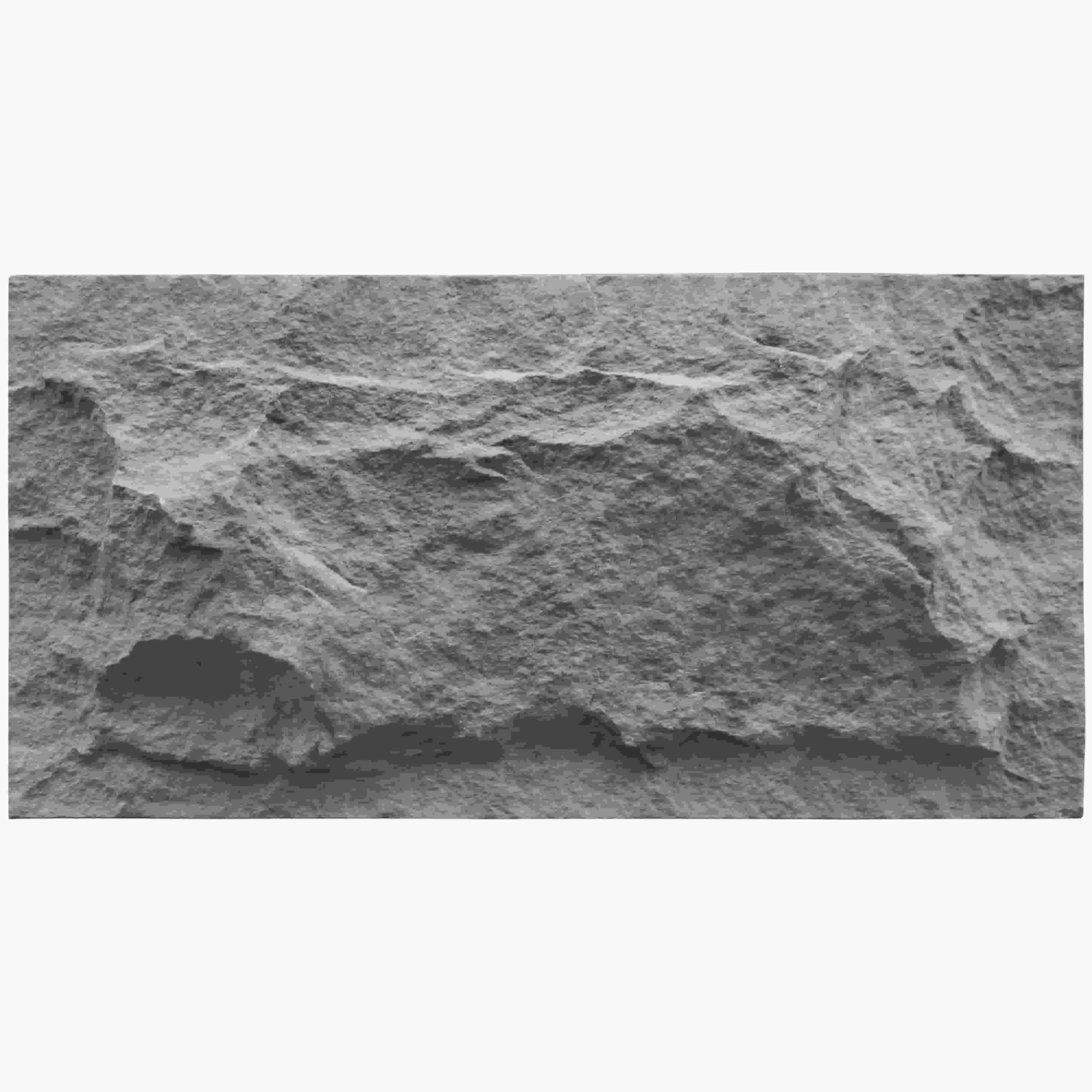
When it comes to designing with natural stone, every detail matters—but few decisions carry as much weight as choosing the right thickness for your Crossare Mushroom Stone043. This distinctive material, with its textured, organic surface reminiscent of weathered rock formations, has become a favorite for architects and designers aiming to infuse spaces with rustic charm or modern edge. Yet, thickness isn't just a number on a spec sheet; it's the silent bridge between your design vision and real-world functionality. Too thin, and you risk durability issues; too thick, and you might strain structural supports or overwhelm a room's proportions. In this guide, we'll walk through the key factors that influence thickness choices, share actionable insights for different applications, and help you strike that perfect balance between aesthetics and practicality—all while keeping an eye on how materials like MCM flexible stone, fair-faced concrete, and even wood grain board play into the equation.
Before diving into specifics, let's ground ourselves in why thickness is non-negotiable. Crossare Mushroom Stone043, like many natural and engineered stones, derives much of its performance from its depth. Thickness impacts three critical areas: structural integrity, longevity, and visual impact. For instance, a 10mm slab might look striking as a backsplash, but install it on an exterior wall in a region prone to high winds or freeze-thaw cycles, and you could be looking at cracks or delamination within a few years. Conversely, a 30mm slab on a lightweight interior partition wall might cause sagging over time, turning your design statement into a maintenance headache.
Then there's the aesthetic layer. Thicker stones often read as more substantial, evoking a sense of permanence—think ancient stone walls or mountain lodges. Thinner stones, by contrast, can feel lighter, more delicate, and better suited to modern, minimalist spaces where clean lines take precedence. Even the way light interacts with the stone changes with thickness: a 15mm slab might cast softer shadows, while a 25mm piece creates deeper, more dramatic texture. It's not just about "how thick," but "how does this thickness make the space feel?"
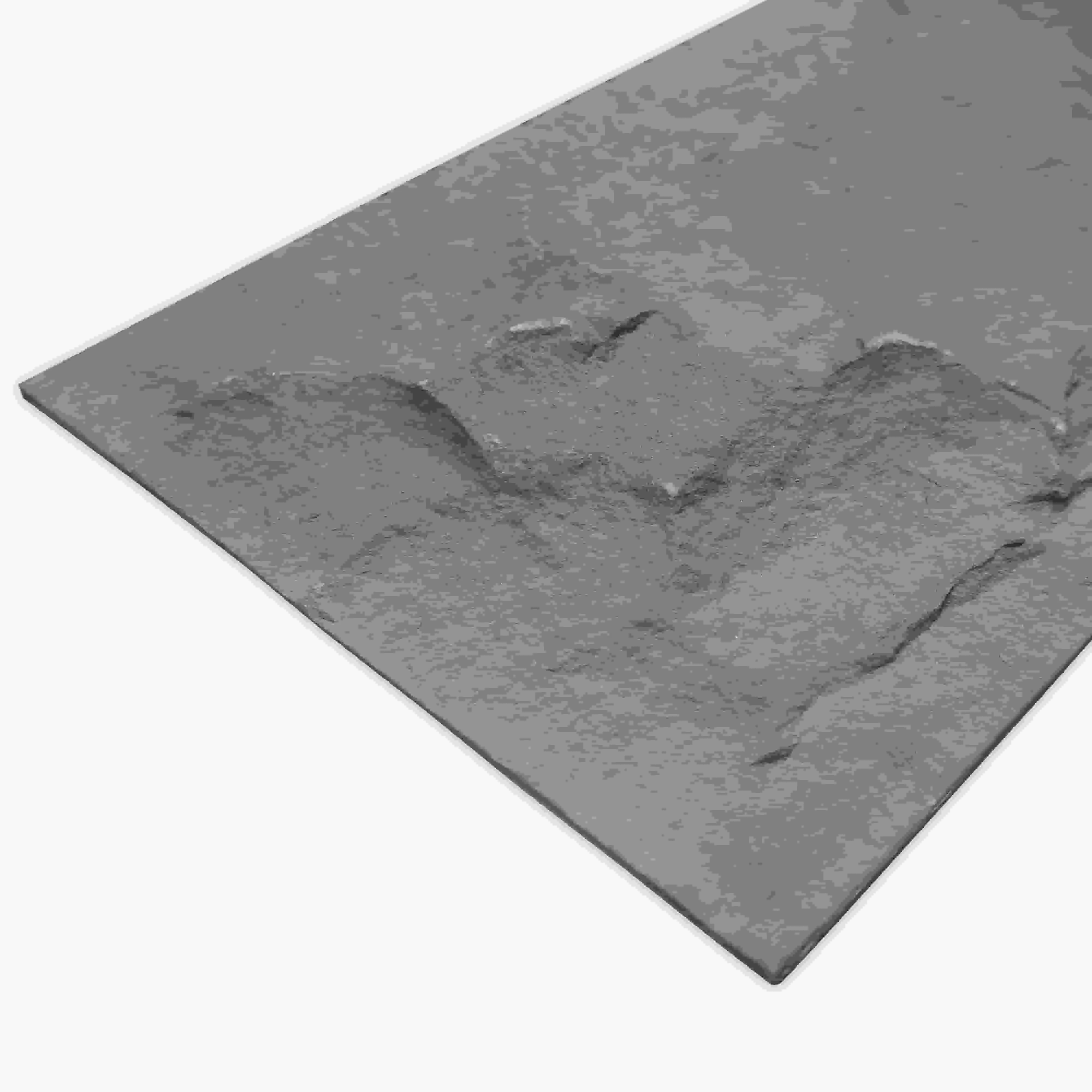
The first question to ask is: Is this for indoors or outdoors? The answer alone can narrow your thickness options significantly. Let's break it down:
Indoor Applications: Interior spaces generally offer more flexibility, as they're sheltered from the elements and often have controlled environments. For example, a Crossare Mushroom Stone043 accent wall in a living room—where foot traffic is low and structural support is abundant—can thrive with a thickness of 8–15mm. This range keeps the stone lightweight enough to mount on standard drywall (with proper adhesive) while still delivering the material's signature texture. Similarly, kitchen backsplashes, where the stone is protected from direct impact, might opt for 6–12mm; thinner slabs here make installation easier around cabinets and fixtures, and their reduced weight minimizes stress on wall mounts.
But not all indoor spaces are created equal. High-traffic areas like commercial lobbies or restaurant interiors demand thicker options. A Crossare Mushroom Stone043 feature wall in a hotel lobby, where guests might brush against it or luggage could scrape it, benefits from 15–20mm thickness. The extra depth adds scratch resistance and structural heft, ensuring the stone holds up to daily wear. Similarly, fireplace surrounds—exposed to heat and occasional contact—often use 18–25mm slabs to prevent warping or cracking from temperature fluctuations.
Outdoor Applications: Here, thickness becomes a matter of survival. Exterior walls, facades, and patio flooring face rain, UV rays, freeze-thaw cycles, and physical impacts (think hailstones or falling branches). For these, thinner stones simply don't cut it. Exterior cladding typically requires 20–30mm thickness; the added density helps resist water penetration and reduces the risk of chipping. For example, a Crossare Mushroom Stone043 facade on a coastal home—exposed to salt spray and high winds—might even push to 25–35mm, paired with a waterproof backing layer for extra protection.
Outdoor flooring is another category where thickness matters. A patio or walkway using Crossare Mushroom Stone043 needs to support foot traffic, furniture, and possibly vehicles (for driveways). Here, 25–40mm is standard; the thicker slab distributes weight more evenly and resists cracking under pressure. Compare this to indoor flooring, where 15–25mm often suffices, thanks to controlled foot traffic and stable subfloors.
Even the most beautiful stone choice falls flat if the structure can't support it. Thickness directly impacts weight, and every building has limits. For example, drywall alone can rarely support stones thicker than 15mm over large areas—beyond that, you'll need additional support like metal brackets, plywood backing, or structural studs spaced closer together.
This is where materials like MCM flexible stone shine as a point of comparison. MCM (Modified Composite Material) is engineered to be lightweight and flexible, often allowing for thinner profiles (8–12mm) without sacrificing durability. If your space has strict weight restrictions—say, a high-rise apartment with load-bearing limits—opting for MCM flexible stone might let you achieve a similar aesthetic to Crossare Mushroom Stone043 with a thinner, lighter slab. But if structural support is ample (like a concrete wall in a new build), you have the freedom to choose thicker Crossare Mushroom Stone043 for a more authentic, substantial look.
Always consult a structural engineer when in doubt. They can calculate load-bearing capacities and recommend thicknesses that align with your space's specs. Skipping this step is a common mistake; overestimating your wall's strength can lead to sagging, cracks, or even safety hazards down the line.
Your local climate plays a starring role in thickness selection. In regions with extreme temperature swings—think the frozen north or desert southwest—thicker stones are often safer. Why? Because stone expands and contracts with temperature changes; thinner slabs, with less mass, are more prone to cracking from these fluctuations. For example, in Minnesota, where winters hit -20°F and summers reach 90°F, a Crossare Mushroom Stone043 exterior wall would benefit from 25–30mm thickness to withstand thermal stress. In contrast, a mild coastal climate like Seattle, with smaller temperature ranges, might use 20–25mm for the same application.
Moisture is another climate factor. Areas with heavy rainfall or high humidity (like the Southeast U.S.) need thicker stones with lower porosity to prevent water absorption, which can lead to mold, mildew, or freeze-thaw damage. Crossare Mushroom Stone043, with its natural texture, can trap moisture in crevices; a thicker slab (20mm+) provides more material to resist water penetration, while a thinner one (under 15mm) might require additional sealing, adding maintenance costs over time.
Thickness isn't just functional—it's a design tool. Do you want the stone to be a bold focal point or a subtle backdrop? A 30mm Crossare Mushroom Stone043 slab on a fireplace wall makes a statement; its depth and texture draw the eye, creating a sense of grandeur. In contrast, an 8mm slab used as a backsplash in a minimalist kitchen recedes gently, letting other elements (like cabinetry or countertops) take center stage.
Designers often pair Crossare Mushroom Stone043 with other materials to play up thickness contrasts. For example, combining a 25mm Crossare Mushroom Stone043 accent wall with a 10mm wood grain board wainscot creates visual interest through texture and depth differences. Similarly, using 12mm Crossare Mushroom Stone043 alongside fair-faced concrete (a material prized for its raw, industrial look) can balance warmth and coolness, with thicknesses chosen to ensure neither material overwhelms the other.
Pro tip: Order sample slabs in different thicknesses (10mm, 20mm, 30mm) and test them in your space. View them at different times of day to see how light interacts with each—you might be surprised by how much a 10mm difference changes the mood.
Crossare Mushroom Stone043 rarely exists in isolation. It's often paired with adhesives, grouts, sealants, and neighboring materials, all of which influence thickness. For example, if you're installing it over a boulder slab (another textured material), you'll need to account for the uneven surface of the boulder slab itself. A thicker Crossare Mushroom Stone043 (20–25mm) can bridge minor irregularities in the substrate, while a thinner slab (under 15mm) might follow the boulder slab's contours, leading to an uneven finish.
Adhesives matter too. Thin-set mortars, commonly used for tile and stone, have weight limits—most can handle up to 20kg per square meter. A 25mm Crossare Mushroom Stone043 slab weighs roughly 60–75kg/m² (depending on density), which may require a heavy-duty adhesive or mechanical fasteners. Thinner slabs (10–15mm) clock in at 30–45kg/m², well within the range of standard thin-set, making installation faster and more cost-effective.
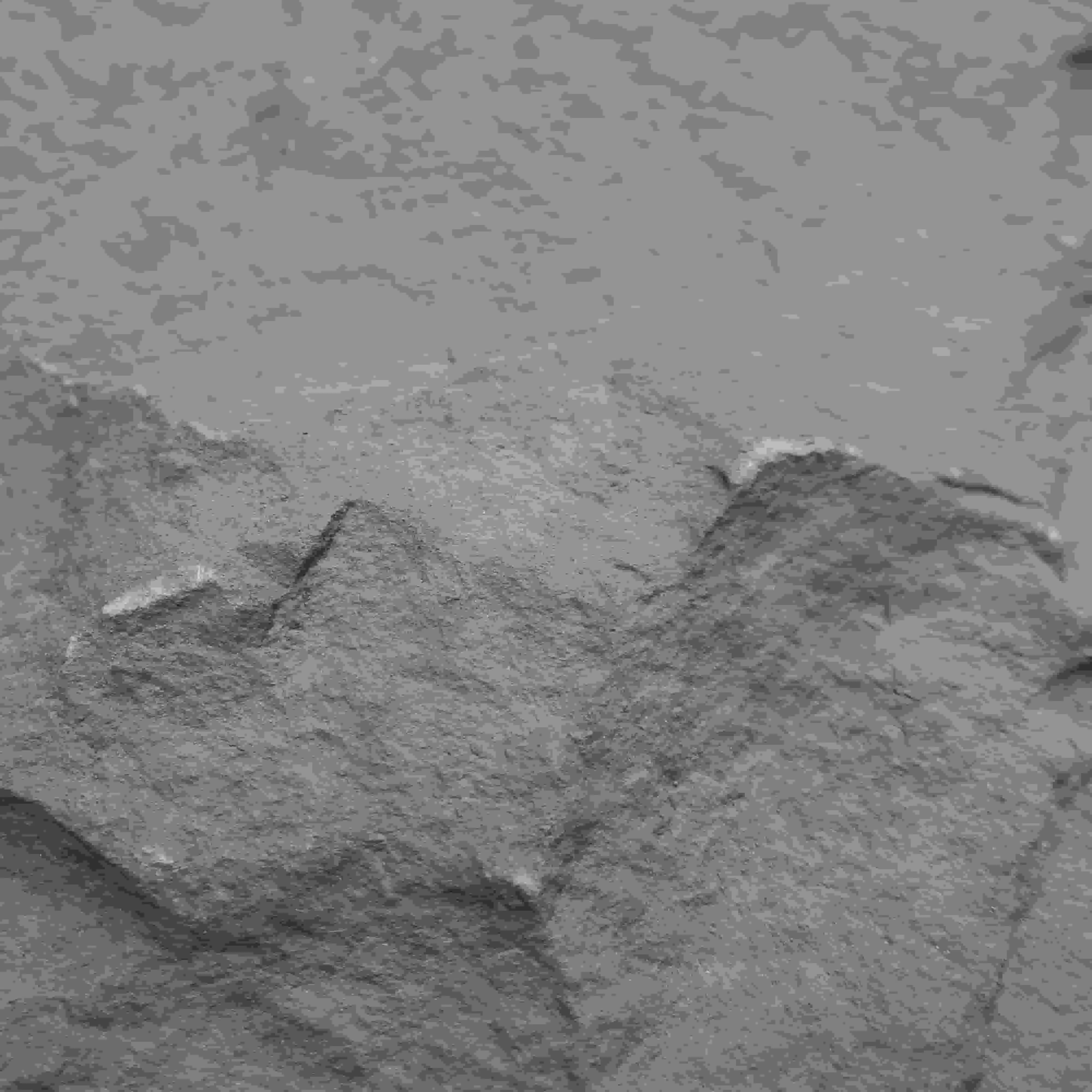
To make this actionable, we've compiled a table of recommended thickness ranges for common Crossare Mushroom Stone043 applications, along with key considerations for each. Use this as a starting point, then adjust based on your specific project needs.
| Application Type | Recommended Thickness Range (mm) | Key Considerations | Example Scenario |
|---|---|---|---|
| Interior Accent Wall (Low Traffic) | 8–15mm | Lightweight; easy to install on drywall with standard adhesive. Prioritize aesthetics over extreme durability. | A home office feature wall behind a desk, with minimal contact. |
| Interior Accent Wall (High Traffic) | 15–20mm | Added thickness for scratch resistance. Use plywood backing for stability. | A restaurant dining room wall where patrons may lean against it. |
| Fireplace Surround | 18–25mm | Heat resistance; thickness helps prevent warping from temperature changes. | A wood-burning fireplace in a living room, exposed to direct heat. |
| Indoor Flooring (Residential) | 15–25mm | Supports foot traffic; pair with a reinforced subfloor. Thicker slabs (20–25mm) for open-concept spaces. | A bedroom or hallway with standard foot traffic. |
| Indoor Flooring (Commercial) | 20–30mm | High durability for heavy foot traffic (e.g., retail, offices). Use mechanical fastening for large areas. | A shopping mall corridor with daily pedestrian traffic. |
| Exterior Cladding (Mild Climate) | 20–25mm | Balances weight and weather resistance. Include waterproof underlayment. | A home facade in California, with mild rains and little frost. |
| Exterior Cladding (Extreme Climate) | 25–35mm | Extra thickness for freeze-thaw resistance and wind load. Consult structural engineer for high-wind zones. | A coastal home in Maine, exposed to salt spray and winter storms. |
| Outdoor Flooring (Patio/Walkway) | 25–40mm | Heavy-duty to support foot traffic, furniture, and weather. Use a gravel/sand base for drainage. | A backyard patio with dining sets and occasional grill use. |
| Outdoor Flooring (Driveway) | 35–50mm | Maximum thickness for vehicle weight. Reinforce with concrete subbase. | A private driveway for 2–3 cars. |
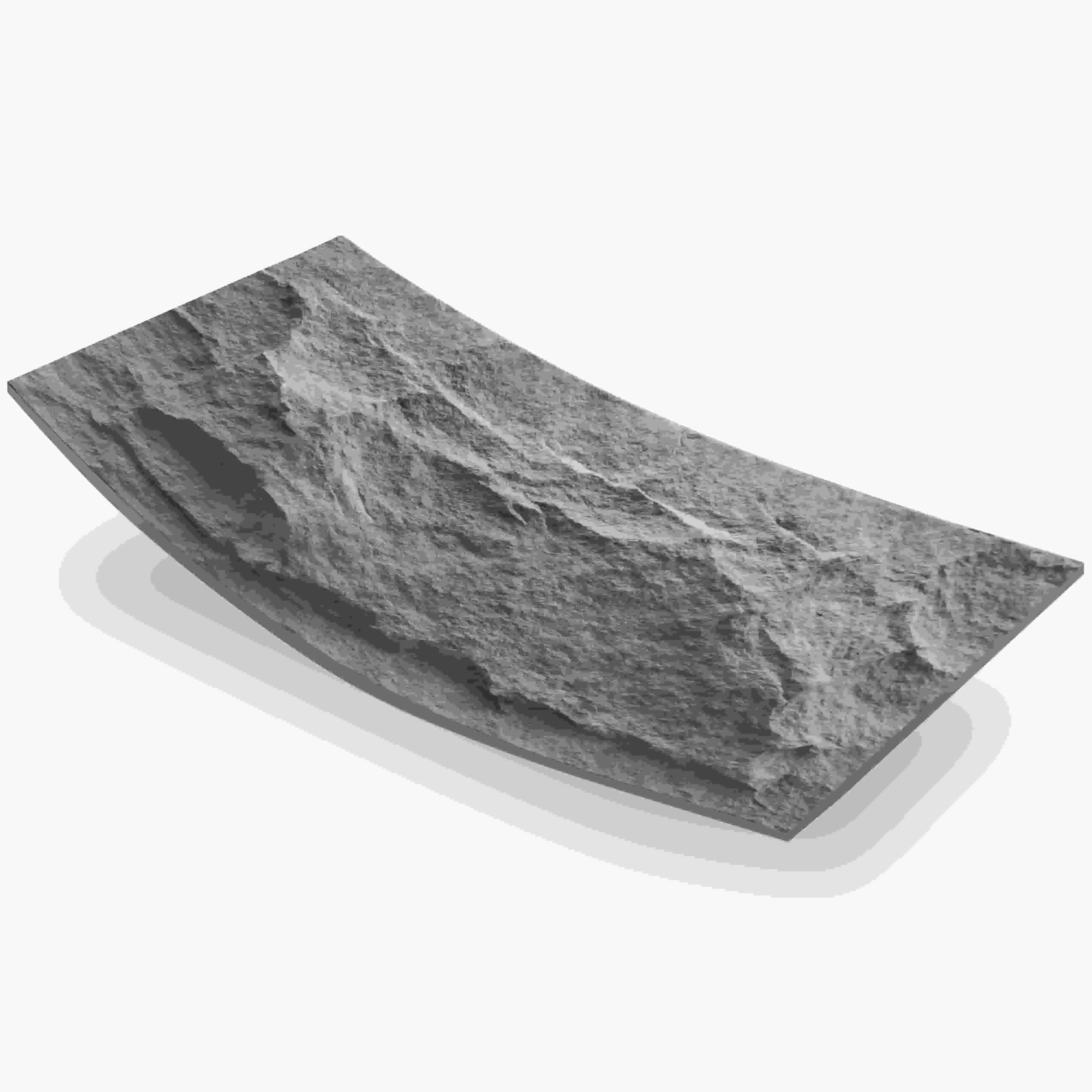
Even seasoned designers can misstep when choosing thickness. Here are three pitfalls to avoid:
Mistake 1: Choosing Thickness Based on Trends Alone —Just because "ultra-thin stone" is trending doesn't mean it's right for your project. A 6mm slab might look sleek in a magazine, but if you're installing it in a kids' playroom, it will scratch and chip within months. Always prioritize function over fashion.
Mistake 2: Ignoring Substrate Quality —A thick stone on a weak substrate is a disaster waiting to happen. If your wall is old or has loose drywall, even a 15mm Crossare Mushroom Stone043 could cause sagging. Fix the substrate first, then choose thickness accordingly.
Mistake 3: Overlooking Long-Term Maintenance —Thicker stones can be harder to repair. A cracked 30mm slab may require full replacement, while a 10mm slab might be patched or replaced in sections. Factor in maintenance costs when deciding—thicker isn't always "better" if repairs will break the bank.
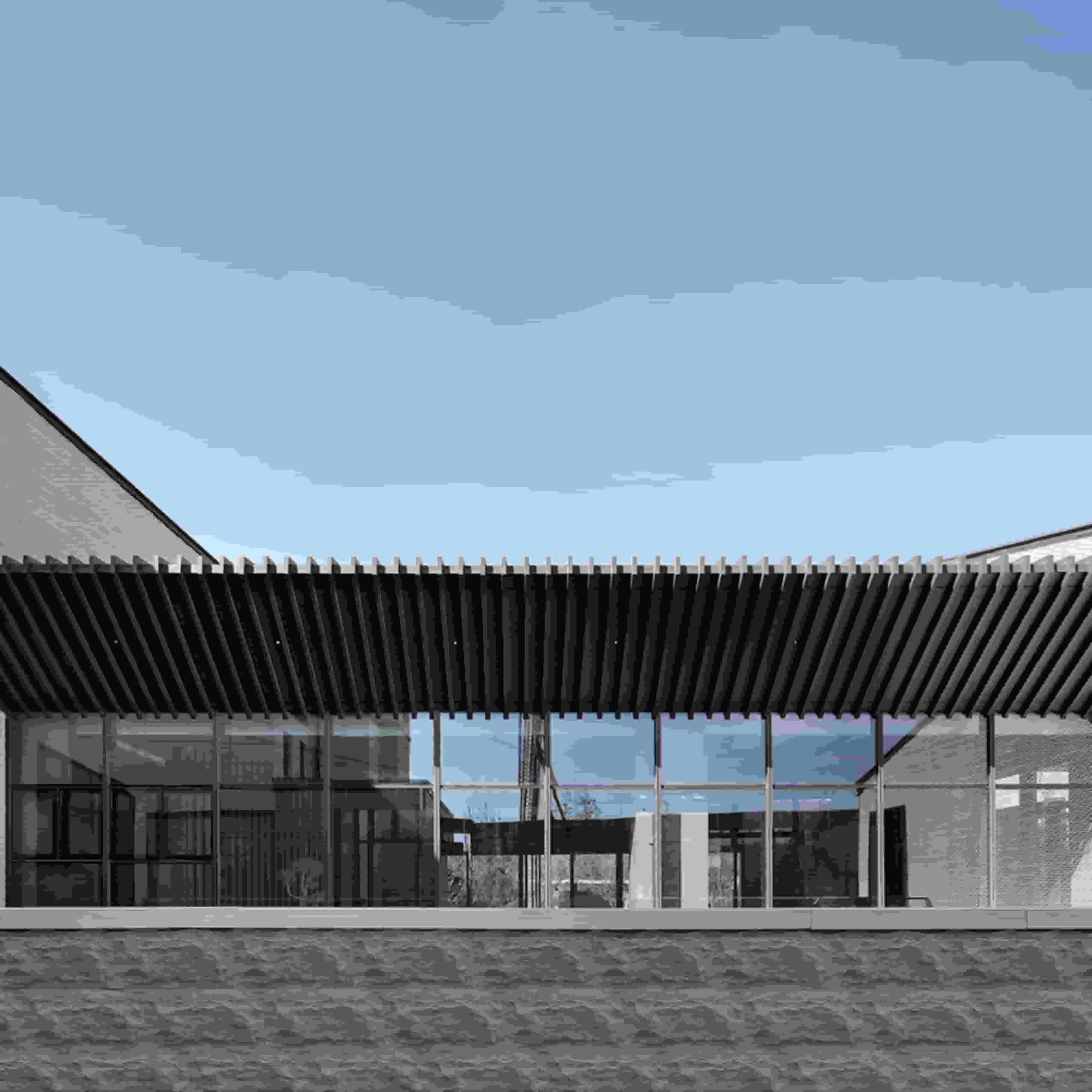
Selecting the right thickness for Crossare Mushroom Stone043 isn't about following a one-size-fits-all rule—it's about understanding your project's unique needs. Whether you're designing a cozy interior accent wall or a rugged exterior facade, thickness is the thread that weaves together durability, aesthetics, and structural sense. By considering application, support, climate, design intent, and material compatibility, you'll choose a thickness that not only looks beautiful today but stands the test of time.
And remember: when in doubt, test, consult, and collaborate. Order samples, talk to structural engineers, and work with suppliers who understand both the material and your vision. After all, the best stone installations aren't just built—they're crafted , with thickness serving as the foundation of that craft.
Recommend Products












