
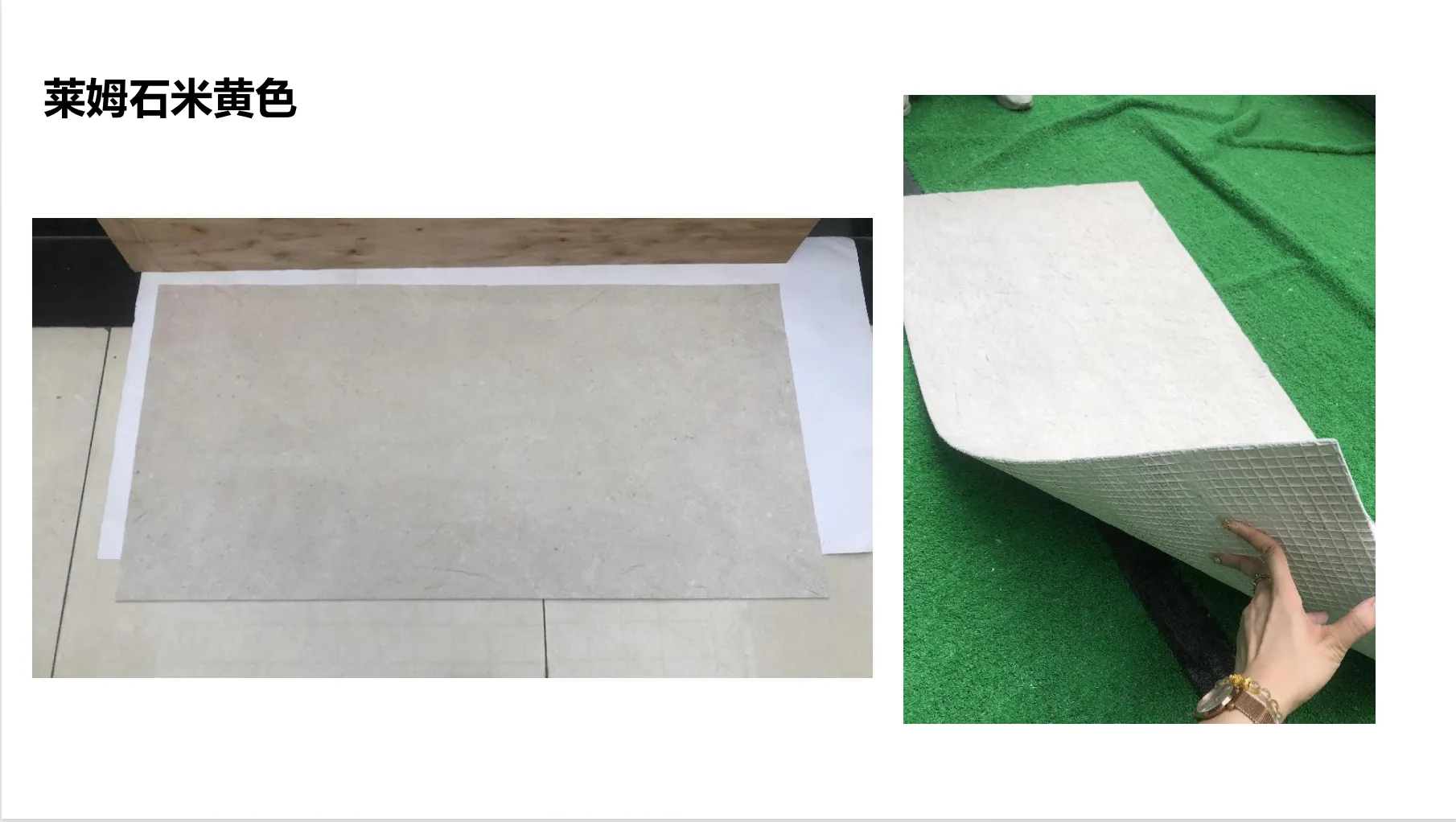
Imagine an architect sitting across from a client, flipping through a portfolio filled with sleek digital renderings. The designs are impressive—clean lines, balanced proportions, and a vision for a space that feels both modern and timeless. But when the conversation turns to materials, something falls flat. The client squints at the screen, a section labeled "limestone" and says, "It just looks… flat. Like a computer-generated rock, not something I'd want to touch or live with." Sound familiar? For too long, architectural visuals have relied on generic stock images or overly polished 3D renders that strip natural materials of their soul. But there's a better way: lime stone real photos. These aren't just pictures—they're windows into the texture, warmth, and authenticity of limestone, turning abstract designs into tangible experiences clients can connect with.
Limestone, especially variants like lime stone(beige) , is a material that thrives on subtlety. Its beauty lies in the tiny pores that catch the light, the soft veining that tells a story of geological time, and the way its color shifts from warm ivory to gentle taupe depending on the light. Stock images or basic renders often flatten these nuances—turning a living, breathing stone into a static swatch of color. Real photos, on the other hand, capture limestone as it truly is: imperfect, organic, and full of character.
| Aspect | Stock Images/Generic Renders | Lime Stone Real Photos |
|---|---|---|
| Texture Detail | Smooth, artificial; lacks pores, veining, or natural imperfections. | Sharp, tactile; captures every indentation, mineral deposit, and surface variation. |
| Color Accuracy | Often oversaturated or washed out; misses subtle tonal shifts. | True-to-life; shows how lime stone(beige) warms up in morning light or cools down in shadow. |
| Client Engagement | Passive; clients see a material, not a feeling. | Active; clients imagine touching the surface, walking on the floor, or cooking on the countertop. |
Think of it this way: A client isn't just buying a "limestone floor"—they're buying the feeling of coming home to a space that feels grounded, natural, and uniquely theirs. Limestone real photos don't just show the material; they sell that feeling.
Not all real photos are created equal. To make your renderings and blueprints sing, you need photos that are as intentional as your design. Here's what to look for:
Natural light is limestone's best friend. Photos taken in harsh, direct flash will wash out texture, while soft, diffused light (think overcast days or indirect sunlight) highlights every ridge and pore. For example, a close-up of lime stone(beige) taken on a cloudy morning might reveal tiny fossilized shells embedded in the stone—details that add depth and storytelling to your design. Avoid overly edited photos with heavy filters; they'll make the stone look plastic, not authentic.
Mix close-ups with wide shots. A macro photo of limestone's surface is great for showing texture, but clients also need to see how the stone behaves at scale. A wide-angle shot of a lime stone(beige) wall in a restaurant, for instance, can demonstrate how the material interacts with furniture, lighting fixtures, and human movement. Pro tip: Include a familiar object (like a hand, a book, or a plant) in the frame to give viewers a sense of size—this is especially helpful for blueprints, where scale can be abstract.
Low-res photos turn to pixelated blurs when enlarged in renderings or printed in blueprints—ruining the illusion of authenticity. Aim for high-resolution images (300dpi or higher) so clients can zoom in and explore every detail without losing clarity. If you're working with a photographer, ask for raw files; they'll give you more flexibility to adjust lighting and color later without sacrificing quality.
Once you've curated your photos, it's time to weave them into your designs. The goal is to make the limestone feel like a natural part of the space, not a tacked-on afterthought. Here's how:
If your rendering has cool, north-facing light, use a limestone photo taken in similar conditions. A warm, golden-hour photo of lime stone(beige) will clash with a rendering bathed in blue-toned artificial light, confusing clients about how the material will look in reality. Software like Photoshop or SketchUp lets you adjust brightness, contrast, and color temperature to align the photo with your rendering's lighting scheme.
A common mistake is stretching a small limestone photo to fit a large surface, which distorts the texture and makes the stone look unnatural. Instead, tile the photo (if the pattern is consistent) or use a seamless texture map created from high-res real photos. For example, if you're designing a 10-foot-tall limestone fireplace, use a photo that captures at least 3 feet of the stone's surface—this ensures the veining and pores scale correctly, avoiding a "repeating wallpaper" effect.
Limestone rarely stands alone in a design. It pairs beautifully with materials like wood grain board or fair-faced concrete , and real photos can help clients visualize these combinations. For a residential kitchen, try overlaying a photo of lime stone(beige) countertops with a wood grain board backsplash—suddenly, the space feels warm and cohesive, not just a collection of materials. Similarly, a commercial facade rendering might pair limestone with fair-faced concrete ; real photos of both materials side by side show how limestone's organic texture softens concrete's industrial edge, creating balance.
Even with great photos, missteps can undermine your design. Watch out for these mistakes:
For designs that truly resonate, go beyond the basics with these pro moves:
A photo of a family gathered around a lime stone(beige) dining table isn't just about the stone—it's about connection. Lifestyle shots show clients how the material fits into their daily lives, making the design feel personal and aspirational.
Limestone ages beautifully, and photos of weathered stone (e.g., a centuries-old limestone wall or a patio with slight patina) reassure clients of its longevity. This is especially powerful for outdoor designs, where durability is a key concern.
Combine limestone real photos with snapshots of wood grain board , fair-faced concrete , and other materials to create a mood board. This visual storyboard helps clients see how the entire palette works together, turning abstract concepts into a cohesive vision.
At the end of the day, architecture is about people—and people connect with authenticity. Lime stone real photos aren't just tools for presentations; they're bridges between your design vision and your client's imagination. They let lime stone(beige) reveal its true self: not a flat swatch, but a material with history, texture, and warmth. So the next time you sit down to create a rendering or blueprint, reach for real photos. Your clients—and your designs—will thank you.
Recommend Products












