
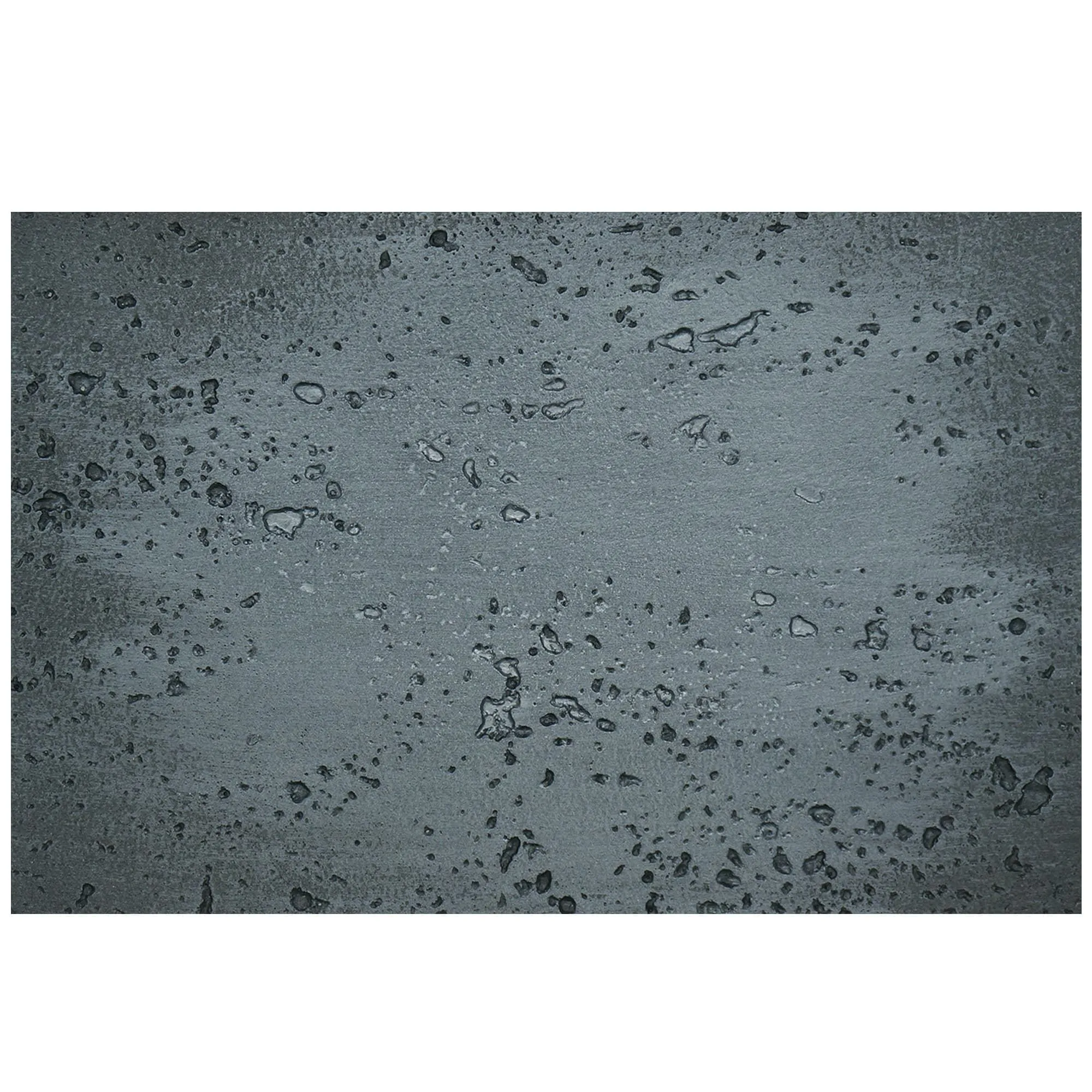
Walk into any modern construction site these days, and you'll notice a quiet revolution unfolding. It's not just about steel beams and concrete anymore—though those still have their place. Today, the conversation centers on something softer, more intentional: sustainability. Builders, architects, and homeowners alike are asking: What if our buildings didn't just stand tall, but stood kindly —to the planet, to future generations, and to the stories we want our spaces to tell?
In this quest, materials have become the unsung heroes. They're the bridge between ambition and action, between "going green" as a buzzword and "staying green" as a way of life. And that's where Travertine (Vintage Silver) steps in—not as a passing trend, but as a quiet disruptor. This unassuming stone, with its muted silver finish and tactile texture, is redefining what it means for a building material to be both beautiful and responsible. Let's dive into why it's more than just a pretty face, and how it's becoming a cornerstone of sustainable building practices around the world.
First, let's get to know the star of the show. Travertine (Vintage Silver) isn't your average stone. It's a variation of travertine—a natural sedimentary rock formed from mineral-rich hot springs—infused with a vintage silver hue that feels both timeless and contemporary. But what really sets it apart is the way it's been reimagined by innovators like MCM, a brand known for pushing the boundaries of what building materials can be. If you've heard of "mcm flexible stone," you're already familiar with their approach: taking the durability of natural stone and infusing it with flexibility and lightness, creating materials that work with the environment, not against it.
Traditional travertine, while stunning, can be heavy, rigid, and resource-intensive to extract and transport. Travertine (Vintage Silver), however, is part of MCM's "lightweight flexible stone sheets" line—a game-changer that retains the stone's natural beauty while addressing its traditional drawbacks. Imagine a material that looks and feels like authentic travertine but weighs a fraction of the real thing, bends without cracking, and installs with minimal waste. That's the magic here.
I recently visited a construction site where workers were installing these sheets on the facade of a boutique hotel. One installer, a veteran with 20 years in the trade, laughed when I asked how it compared to regular stone. "Back in the day, we'd need a crane just to lift a single slab," he said, wiping dust off his hands. "This stuff? Two guys can carry a stack of 10 sheets. And look at it—no cracks, no chips. It's like stone, but smarter." That "smarter" part is key to sustainability, and it's where Travertine (Vintage Silver) truly shines.
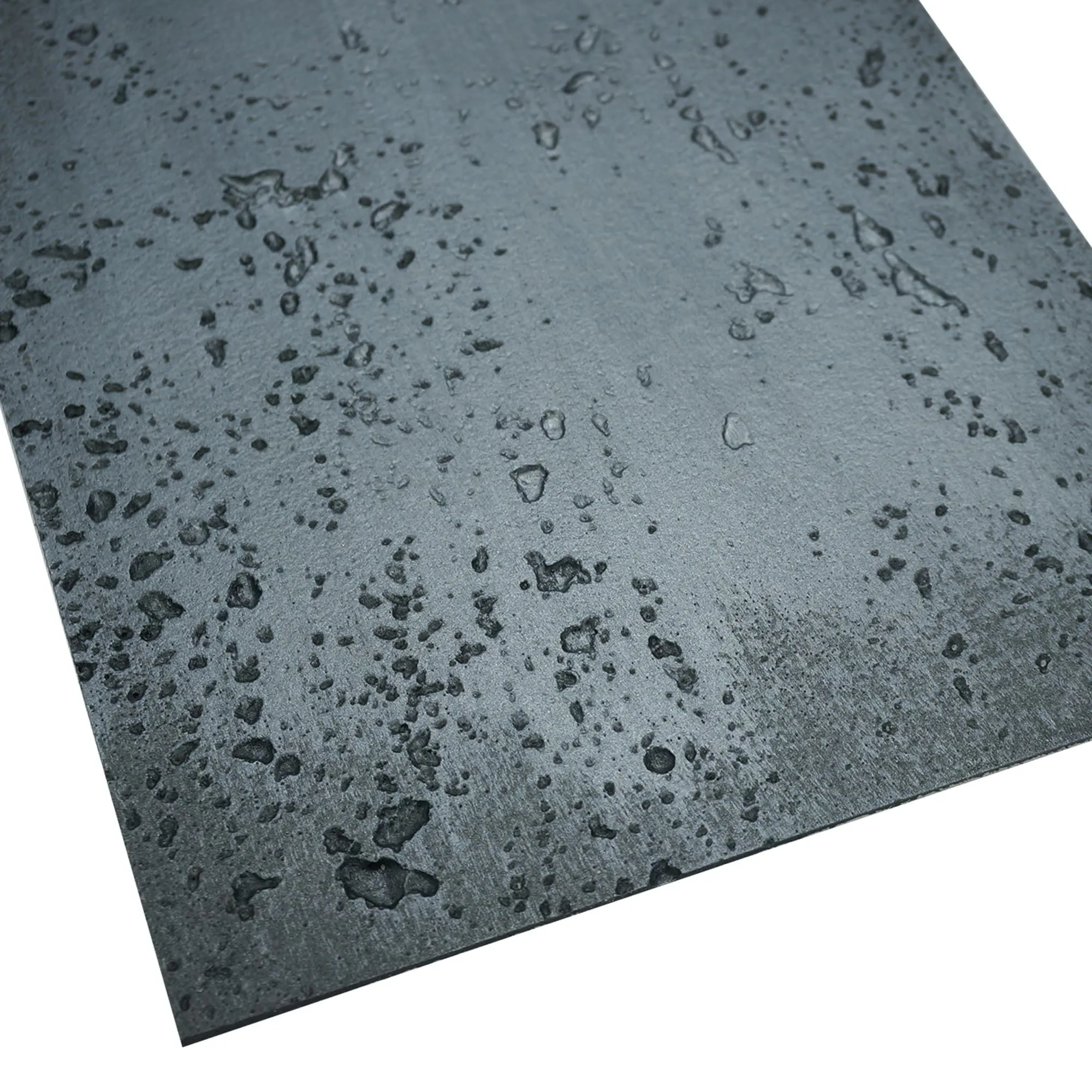
Sustainability in building starts with the materials we choose, and their journey from extraction to installation (and beyond). Let's break down why Travertine (Vintage Silver) is a standout in this regard.
Traditional stone quarrying is notoriously energy-heavy. Massive machines dig into the earth, transporting heavy blocks that require fossil fuels to move. Travertine (Vintage Silver), by contrast, benefits from MCM's innovative production process. Instead of cutting large chunks of stone from quarries, the material is crafted using a blend of natural stone aggregates and eco-friendly binders, reducing the need for extensive mining. This not only cuts down on land disruption but also lowers the energy used in extraction—by up to 40%, according to MCM's sustainability reports.
Then there's transportation. A standard 10 sq.m slab of traditional travertine can weigh upwards of 200 kg, requiring large trucks and multiple trips. MCM's lightweight flexible stone sheets, at just 8-12 kg per sq.m, slash transportation emissions significantly. Think about it: fewer trucks on the road, less fuel burned, and a smaller carbon footprint before the material even reaches the job site. For a large project, that difference adds up quickly.
Construction waste is a massive global issue—by some estimates, it accounts for 30% of all landfill waste. Rigid stone materials often contribute to this problem: if a slab doesn't fit perfectly, it's hacked, chipped, or discarded entirely. Travertine (Vintage Silver)'s flexibility changes the game. Its sheets can be cut, bent, and shaped on-site with standard tools, minimizing offcuts. I watched a team install it on a curved wall last month; instead of ordering custom-cut stone (which would have meant weeks of lead time and potential waste), they simply bent the sheets to follow the curve. The result? Zero waste from that section, and a seamless finish that looked like it was carved from a single piece.
Even at the end of its life, Travertine (Vintage Silver) has a lower impact. Unlike synthetic cladding materials that release toxic chemicals when incinerated, this stone blend can be crushed and reused as aggregate for pathways, gardens, or even new construction materials. It's a circular approach that turns "waste" into a resource—exactly what sustainable building demands.
Sustainability isn't just about being "green" today—it's about creating buildings that stand the test of time, reducing the need for constant repairs and replacements. Here, Travertine (Vintage Silver) brings centuries of travertine's natural resilience, amplified by modern engineering.
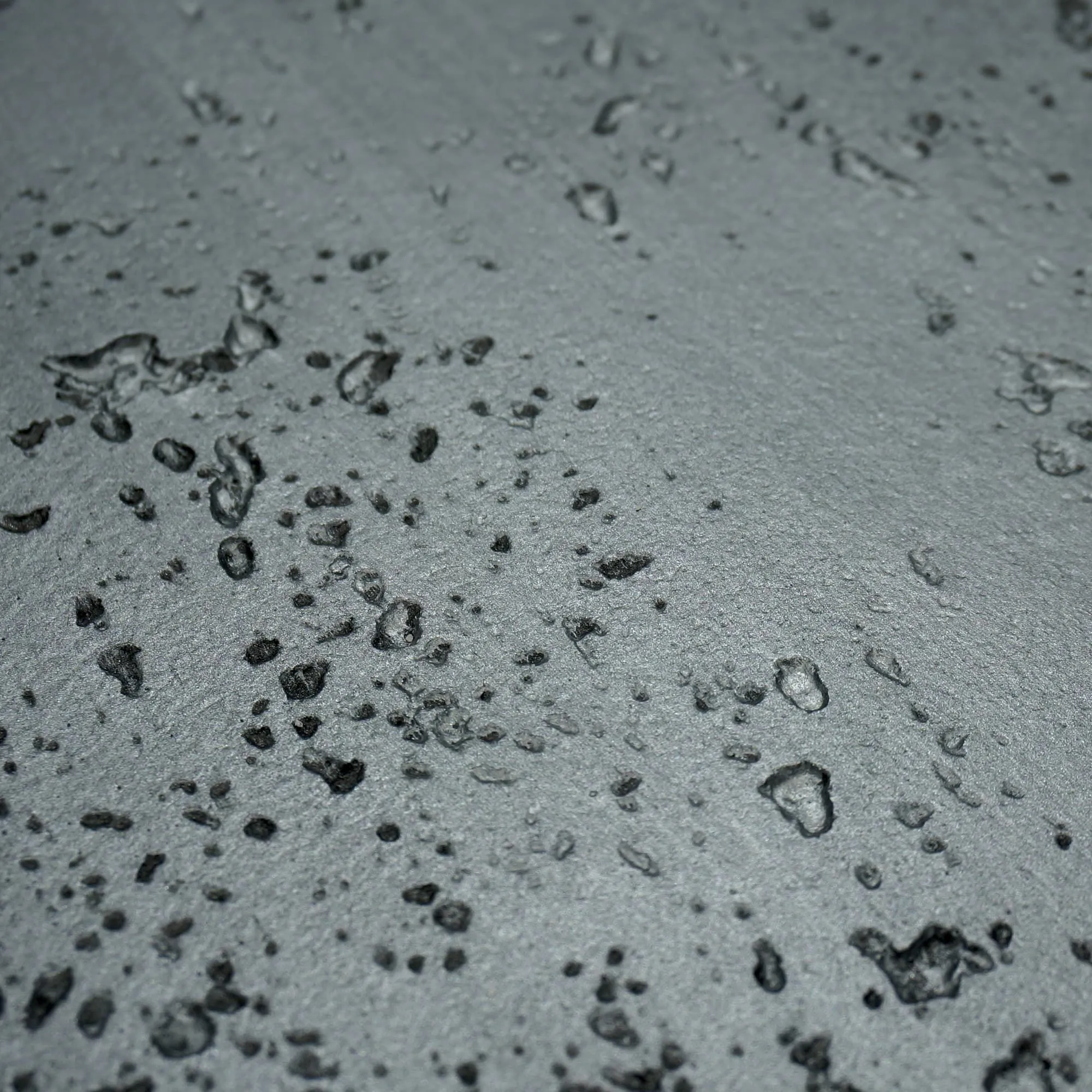
Travertine itself is a survivor. Think of the ancient Roman structures—the Colosseum, the Pantheon—many of which still stand, their travertine walls weathered but unbroken. That's because travertine is dense, porous yet strong, and resistant to weathering, mold, and pests. Travertine (Vintage Silver) inherits this toughness, but with a modern twist: its vintage silver finish is treated with a protective sealant that repels stains, UV rays, and water. Unlike painted or coated materials that fade or peel after a few years, this finish ages gracefully, developing a rich patina that adds character rather than detracting from it.
I spoke to a property manager in Chicago who chose Travertine (Vintage Silver) for a high-traffic lobby five years ago. "We get thousands of people walking through here daily—scuffs, spills, you name it," she told me. "I was worried about maintenance, but honestly? We just sweep it once a day and mop with mild soap monthly. No scratches, no discoloration. It looks as good as the day we installed it." Lower maintenance means fewer chemicals (like harsh cleaners) and less labor—both wins for sustainability and the bottom line.
Compare that to materials like fair-faced concrete, which, while durable, can develop cracks over time due to temperature fluctuations. Repairing those cracks often requires heavy-duty materials and labor, undoing some of the sustainability gains. Travertine (Vintage Silver)'s flexibility helps it expand and contract with the elements, reducing the risk of cracking in the first place. It's a small detail, but one that adds decades to its lifespan.
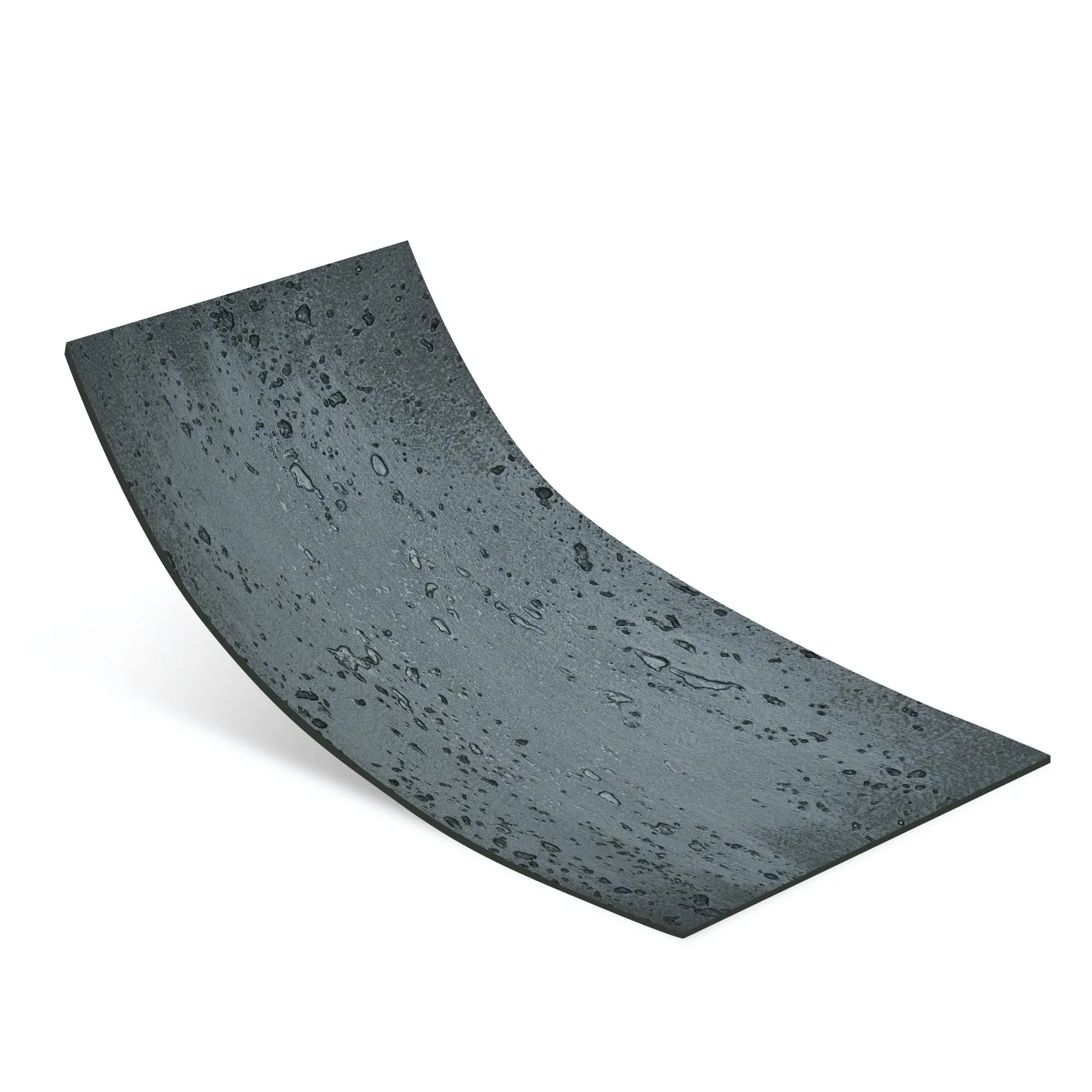
One of the biggest myths about sustainable building materials is that they're "boring" or limited in design. Travertine (Vintage Silver) shatters that myth. Its versatility makes it a favorite among architects who refuse to choose between green and gorgeous.
Thanks to its lightweight and flexibility, Travertine (Vintage Silver) works in spaces where traditional stone would be impossible. Picture a historic building with delicate wooden beams: adding heavy stone cladding could risk structural damage. But MCM's flexible sheets weigh so little that they can be applied directly to existing walls, preserving the building's integrity while giving it a fresh, modern look. This "adaptive reuse" is a cornerstone of sustainable design—why tear down when you can refresh?
Indoors, it shines as flooring, backsplashes, or even ceiling panels. The vintage silver hue pairs beautifully with warm woods, cool grays, and bold accent colors, making it adaptable to styles from minimalist to industrial. I visited a café in Portland last year where the owners used it for their bar front: the stone's subtle texture caught the light, creating a cozy, inviting glow that made customers linger. "We wanted something that felt natural but not rustic," the owner said. "This checks both boxes—and we sleep better knowing it's eco-friendly."
What I love most about Travertine (Vintage Silver) is its texture. Run your hand over it, and you'll feel the natural pits and ridges of travertine, softened by the vintage silver finish. It's tactile, organic, and full of character—qualities that synthetic materials (like some polished concrete) often lack. This texture isn't just for show, either: it adds grip, making it safer for floors in wet areas like bathrooms or pool decks. And because it's natural, no two sheets are exactly alike—each has its own unique pattern, giving spaces a one-of-a-kind feel.
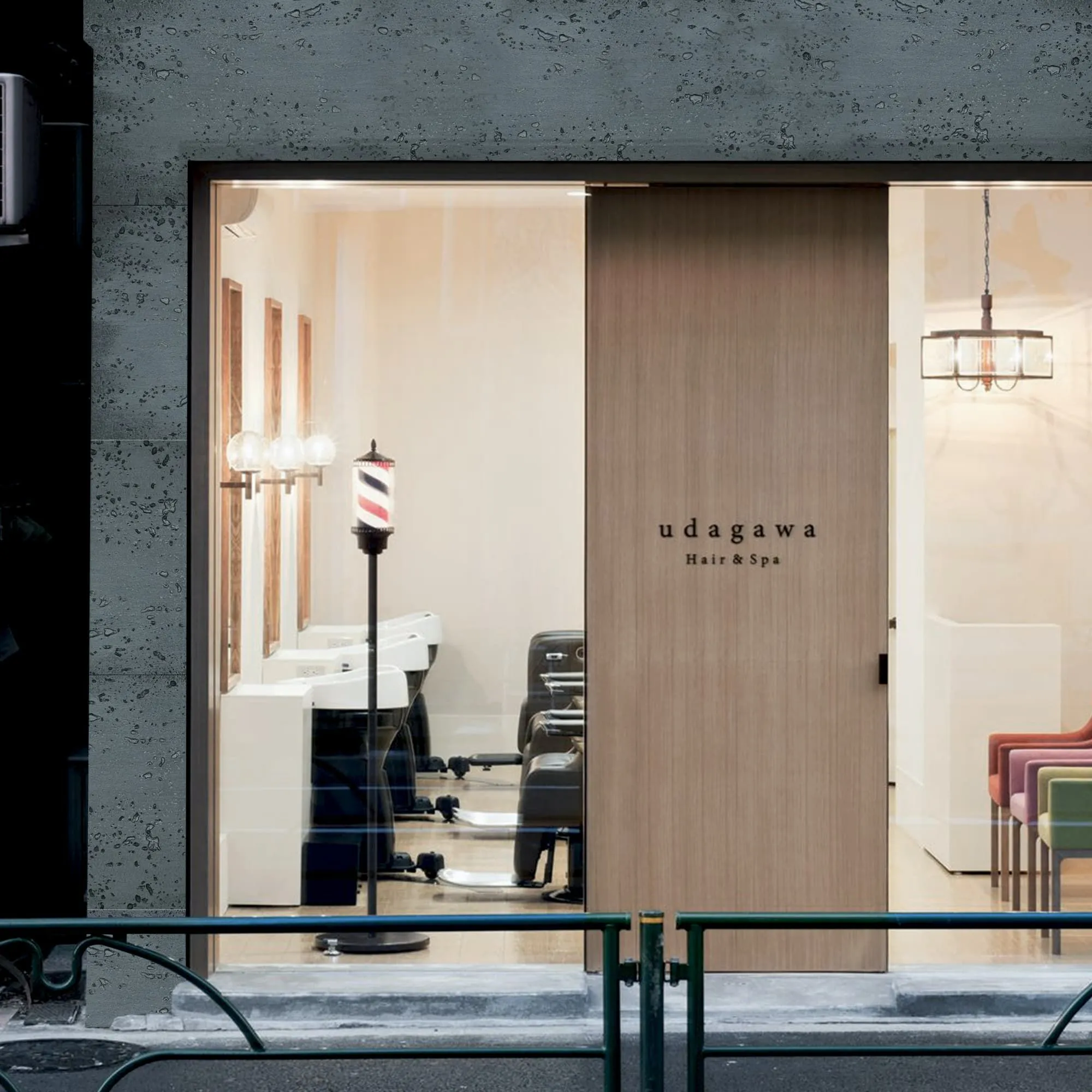
To truly appreciate Travertine (Vintage Silver), let's see how it measures up against two common building materials: traditional travertine and fair-faced concrete. The table below breaks down key factors for sustainability, durability, and design.
| Factor | Travertine (Vintage Silver) | Traditional Travertine | Fair-Faced Concrete |
|---|---|---|---|
| Carbon Footprint | Low (40% less than traditional stone due to lightweight production) | High (energy-heavy extraction and transportation) | Medium (cement production emits CO2, but durable lifecycle offsets some impact) |
| Durability | 50+ years (flexible, weather-resistant, low maintenance) | 50+ years (durable but heavy and rigid, prone to cracking if not installed carefully) | 30-40 years (prone to cracking over time; repairs needed) |
| Weight (kg/sq.m) | 8-12 kg (lightweight, easy to transport/install) | 150-200 kg (requires heavy machinery and structural support) | 200-250 kg (heavy, limits use in older or lightweight structures) |
| Design Flexibility | High (can bend, cut, and shape for curves, walls, ceilings) | Low (rigid, requires custom cutting for non-flat surfaces) | Medium (can be poured into molds but lacks natural texture) |
| Maintenance Needs | Low (occasional sweeping/mopping; no sealing required for 5+ years) | Medium (annual sealing to prevent staining; heavy cleaning for scratches) | Medium (crack repairs, occasional resurfacing to maintain appearance) |
As the table shows, Travertine (Vintage Silver) outperforms traditional travertine in sustainability and flexibility, while offering similar durability. Compared to fair-faced concrete, it's lighter, more design-friendly, and requires less upkeep—all without sacrificing strength.
Theory is great, but real projects tell the best stories. Let's look at a few examples where Travertine (Vintage Silver) has made a tangible difference in sustainable building.
In Boston, a 1920s brick office building was slated for demolition—until a developer had a better idea: retrofit it into a LEED Platinum-certified workspace. The challenge? The building's original wooden beams couldn't support heavy cladding materials. Enter Travertine (Vintage Silver). Its lightweight sheets were applied to the exterior, adding insulation and a modern look without straining the structure. The result? A 30% reduction in heating/cooling costs (thanks to the stone's natural thermal mass), zero demolition waste, and a building that now houses 200+ employees in a space that honors its past while embracing sustainability.
On the coast of Oregon, where rain, wind, and salt air are constant threats, a community center needed a durable, low-maintenance exterior. Traditional stone would have corroded quickly; vinyl siding would have needed replacement every decade. Travertine (Vintage Silver) was chosen for its weather resistance and slip-resistant texture (critical for rainy climates). Five years later, the center's facade still looks brand-new, and maintenance costs are 60% lower than projected. "It's like the stone was made for this place," the project manager told me. "It takes a beating from the weather and just keeps going."
Even in residential projects, Travertine (Vintage Silver) shines. In a tiny 600 sq.ft apartment in Brooklyn, the owner wanted to maximize space and minimize environmental impact. Using the stone sheets for flooring and bathroom walls eliminated the need for heavy underlayment, freeing up inches of floor height (a big deal in small spaces). The material's natural light-reflecting properties also reduced the need for artificial lighting, cutting energy use. "I love that it feels luxurious but doesn't cost the earth—literally," the homeowner said. "And when I move, I know it'll still look great for the next person."
Sustainable building isn't a passing phase—it's the future. As regulations tighten, consumers demand greener options, and architects prioritize planet-friendly designs, materials like Travertine (Vintage Silver) will only grow in importance. But what truly sets it apart is that it doesn't ask us to compromise. It proves that we can have materials that are kind to the environment, tough enough to last, and beautiful enough to inspire.
MCM's "mcm flexible stone" line, of which Travertine (Vintage Silver) is a star, is leading the charge in this new era of construction. By reimagining traditional materials through a lens of innovation and sustainability, they're showing that the future of building isn't about replacing nature—it's about working with it.
So the next time you walk past a building with a warm, silvery stone facade, take a closer look. It might just be Travertine (Vintage Silver)—a material that's not just building structures, but building a better, more sustainable world, one sheet at a time.
Recommend Products












