
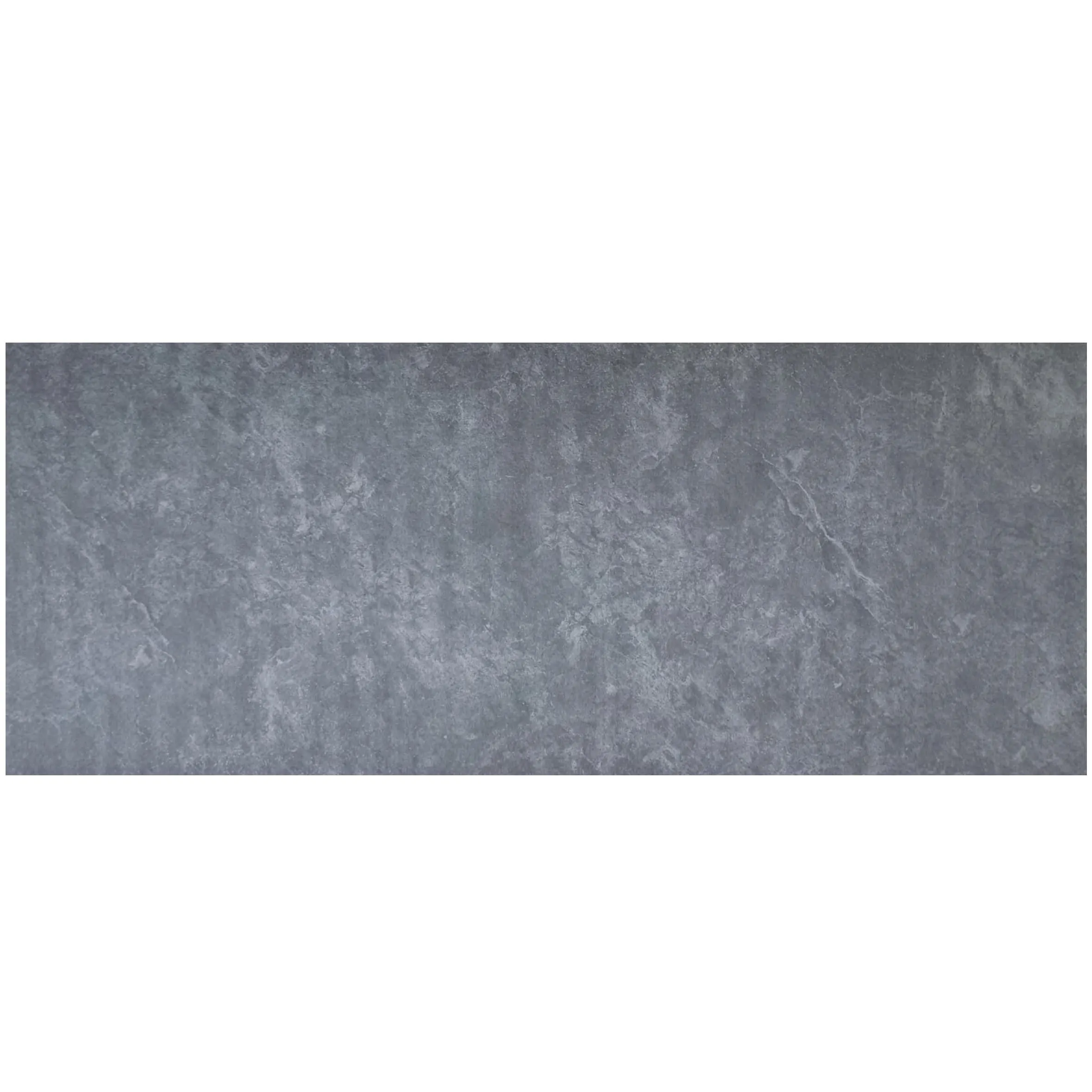
Walk into any high-end restaurant, boutique hotel, or modern office lobby these days, and there's a good chance your eyes will land on a surface that stops you in your tracks—smooth, sophisticated, with a depth that feels almost alive. More often than not, that surface is marble. But not just any marble. We're talking about marble interstellar gray —a stone that's taken the architectural world by storm with its moody, (galaxy-like) veining and chameleon-like ability to shift from cool silver to deep charcoal under different lights. It's beautiful, no doubt—but beauty, as they say, fades. Or does it? Today, we're diving into a question that keeps architects, designers, and homeowners up at night: How does weathering affect the long-term performance of marble interstellar gray? And more importantly, is this stone built to stand the test of time?
Before we talk about weathering, let's get to know our star material. Marble interstellar gray isn't your grandma's marble. It's a modern iteration of the classic stone, quarried from select sites where geological conditions have created a unique blend of minerals—think calcium carbonate mixed with hints of graphite and pyrite. The result? A surface that looks like someone spilled a constellation across a storm cloud. Its popularity isn't just about looks, though. Unlike some marbles that are soft and porous, interstellar gray is relatively dense, making it a top pick for both interior and exterior use. From kitchen countertops to building facades, it's everywhere. But here's the catch: when you take a stone that's meant to shine indoors and expose it to the great outdoors—rain, snow, UV rays, pollution—what happens next?
To answer that, we need to talk about weathering. Not the "oh, it's a bit windy today" kind, but the slow, steady process by which nature breaks down materials over time. Weathering is like that quiet neighbor who never seems to do much—until one day, you realize they've been subtly rearranging your garden all along. For stone, it's the same: tiny, invisible changes that add up to big transformations over years (or decades) of exposure.

Weathering isn't a one-trick pony. It comes in three main flavors, each with its own way of messing with marble interstellar gray. Let's break them down:
Imagine a cold winter day. Rain falls on your marble interstellar gray patio, seeping into tiny cracks and pores. Overnight, the temperature drops below freezing, and that water turns to ice. Here's the problem: ice expands by about 9%, which means those tiny cracks? They just got bigger. Come spring, the ice melts, leaving gaps that now let in more water. Rinse and repeat. This is called freeze-thaw cycling, and it's public enemy number one for exterior marble in cold climates.
Then there's wind abrasion. In coastal areas or windy cities, sand, dust, and even tiny rock particles get picked up by the wind and hurled at surfaces like a natural sandblaster. Over time, this wears down the marble's polished finish, leaving it looking dull and pitted. Think of it like taking a Brillo pad to a mirror—slowly but surely, the shine fades.
Marble is mostly calcium carbonate, which sounds fancy, but here's what it means: it's reactive. When rainwater mixes with carbon dioxide in the air, it forms a weak acid called carbonic acid. When that acid hits marble interstellar gray, it starts to dissolve the stone's surface—a process called carbonation. You might not notice it at first, but over time, it creates a chalky, powdery residue (called efflorescence) and etches away the veining that makes interstellar gray so unique.
Pollution makes it worse. In cities with high levels of sulfur dioxide (from cars, factories), that weak rainwater becomes even more acidic—acid rain. Acid rain doesn't just etch; it can eat deep into the marble, creating pits and holes that are impossible to polish away. In one study, researchers found that marble facades in industrial areas showed 30% more surface erosion after just 10 years compared to those in rural areas. Yikes.
You might not see them, but tiny life forms are everywhere—and they love marble. Algae, moss, and lichens thrive in damp, shaded areas, and they're not just looking for a home; they're looking for food. These organisms secrete enzymes that break down the marble's minerals, using them as nutrients. The result? Green or black streaks that stain the surface, and over time, a breakdown of the stone's structure. Even tree roots can get in on the action, growing into cracks and widening them as they expand. It's nature's way of saying, "This stone isn't just yours—it's ours too."

So, we know weathering happens—but how fast does it happen to marble interstellar gray? To find out, we looked at real-world case studies and lab tests. Let's start with a 15-year study conducted by the International Stone Institute, which tracked marble interstellar gray panels on a building facade in Seattle (a city known for rain and mild winters) and another in Phoenix (hot, dry, and sunny). Here's what they found:
Another study, this time in a coastal city (Miami), looked at interstellar gray used in outdoor pool decks. Saltwater spray and high humidity (accelerated) chemical weathering, leading to pitting on the surface after 8 years. But here's the kicker: the areas that were sealed annually showed 50% less damage than those that weren't. Maintenance, it turns out, is a game-changer.

Marble interstellar gray is great, but it's not the only player in town. Let's see how it compares to two popular alternatives: marble concrete board (a composite material that blends marble dust with concrete) and polish concrete (a budget-friendly, ultra-durable option). We've crunched the numbers into a handy table:
| Material | Physical Weathering Resistance | Chemical Weathering Resistance | Biological Weathering Resistance | Maintenance Needs |
|---|---|---|---|---|
| Marble Interstellar Gray | Moderate (Vulnerable to freeze-thaw and wind abrasion) | Low (Reacts to acid rain and saltwater) | Low (Prone to algae/moss in humid areas) | High (Seal annually; clean with pH-neutral cleaners) |
| Marble Concrete Board | High (Concrete base resists cracking; less porous) | Moderate (More resistant to acid than pure marble) | Moderate (Less porous, so fewer places for microbes to grow) | Moderate (Seal every 2-3 years) |
| Polish Concrete | Very High (Dense, no freeze-thaw issues) | High (Resistant to acids and saltwater) | High (Non-porous surface; microbes struggle to attach) | Low (Seal every 3-5 years; easy to clean) |
The takeaway? Marble interstellar gray isn't the most durable option out there—but it's also not the most fragile. Its Achilles' heel is chemical weathering (acid rain, salt) and biological growth, but with the right care, it can hold its own. And let's be honest: when it comes to aesthetics, nothing beats that natural marble look. Marble concrete board comes close, with better durability, but it lacks the depth and uniqueness of real stone. Polish concrete is tough as nails, but it's a more industrial look—not everyone's cup of tea.

Okay, so weathering happens. But that doesn't mean you have to watch your marble interstellar gray turn into a dull, stained mess. With a little TLC, you can slow down the process dramatically. Here are our top tips, based on interviews with stone restoration experts:
Sealing is non-negotiable. A good quality stone sealer (look for one labeled "impregnating") soaks into the marble's pores, creating a barrier against water, oil, and stains. For exterior marble interstellar gray, seal it once a year . For interiors (like countertops), every 2-3 years is fine. Pro tip: Test the sealer on a small, hidden area first to make sure it doesn't darken the stone too much.
Forget harsh chemicals (bleach, vinegar, ammonia)—they'll eat away at the marble's surface. Instead, use a pH-neutral cleaner (you can find stone-specific ones at home improvement stores) and a soft cloth or sponge. For outdoor surfaces, a gentle power wash (low pressure!) works wonders to remove dirt and algae. Avoid wire brushes or scouring pads—they'll scratch the finish.
A tiny crack today can become a big problem tomorrow. If you notice a chip or hairline crack, fill it with a marble repair epoxy as soon as possible. These epoxies are color-matched to interstellar gray, so they blend right in. Ignoring it? Water will seep in, freeze (if it's cold), and expand—turning that small crack into a gaping hole.
For exterior marble interstellar gray, adding a awning or planting a tree to provide shade can reduce UV damage and slow down algae growth. Even a simple overhang can cut down on rain and snow exposure, giving your stone a fighting chance.
At the end of the day, marble interstellar gray is like a high-performance sports car: it's beautiful, thrilling to look at, but it needs regular maintenance to run smoothly. If you're using it indoors (think kitchen countertops, bathroom walls), it's a no-brainer—minimal weathering, maximum impact. Outdoors? It depends on your climate and commitment. In mild, dry areas with low pollution, it'll thrive with annual sealing. In harsh coastal or industrial zones, you might want to think twice—or pair it with a protective coating (like a clear, breathable sealant designed for high-weather areas).
Here's the thing: beauty is subjective, but durability is measurable. Marble interstellar gray might not last 100 years outdoors without significant wear, but neither does most natural stone. What it does offer is a level of elegance and uniqueness that's hard to replicate with composites or concrete. And in a world where so much of our built environment feels generic, that's worth something.
So, to answer the big question: Yes, weathering affects marble interstellar gray—but with the right care, it can age gracefully, developing a patina that tells a story. And isn't that what we want from our spaces? A little character, a little history, and a whole lot of beauty. After all, nothing worth having comes without a little effort—even marble.
Recommend Products












