
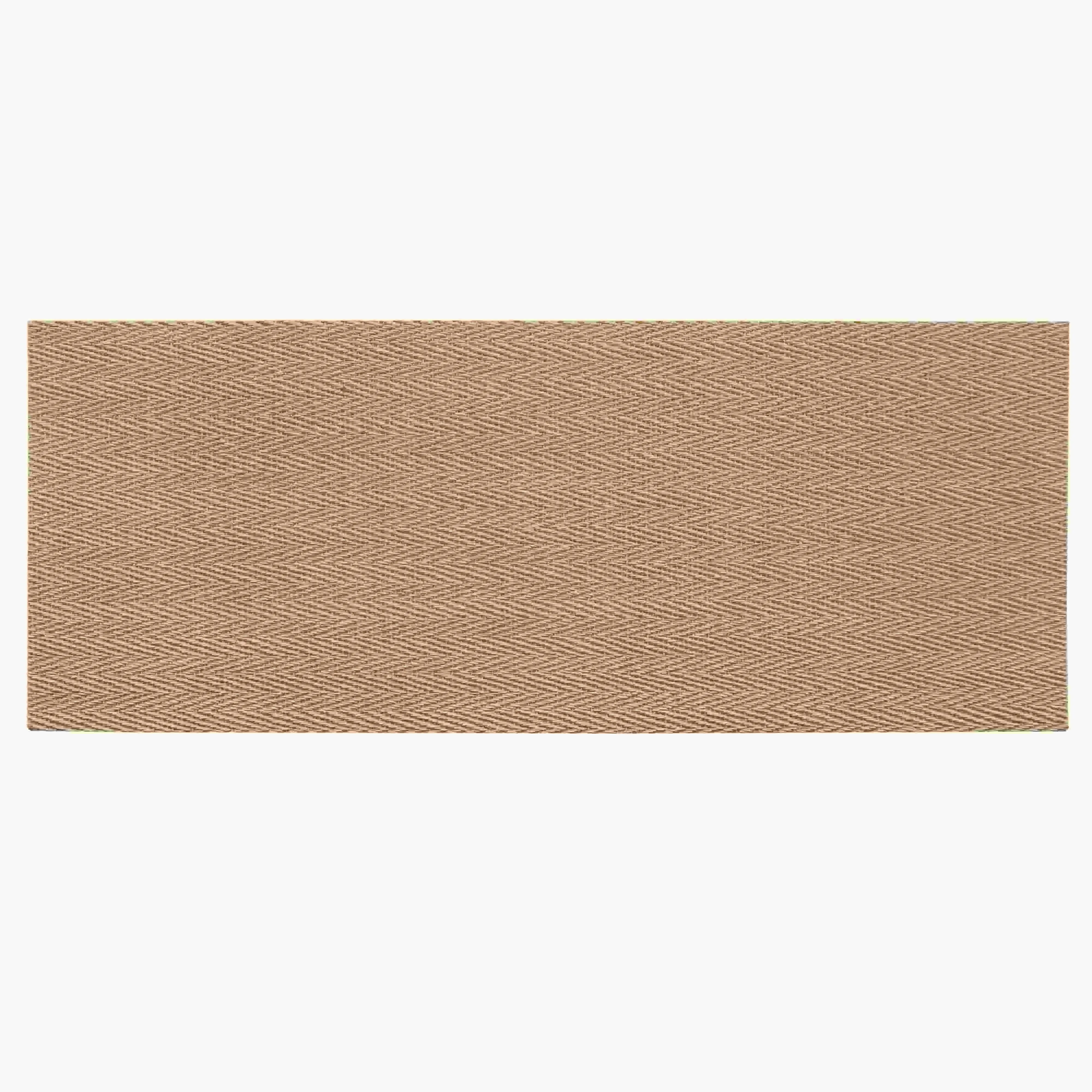
Sarah, a seasoned project manager at a mid-sized construction firm, stared at the budget spreadsheet in front of her, her brow furrowed. The commercial building project she was overseeing—a sleek, modern office complex in downtown Portland—was already six weeks in, and costs were creeping upward. The client wanted a facade that balanced industrial edge with warmth, but every material she'd considered seemed to come with hidden downsides: fair-faced concrete was heavy and required specialized labor, wood grain board looked great but would need frequent replacement in the rainy climate, and even foamed aluminium alloy board, while durable, came with a price tag that made her team wince. "There's got to be a better way," she muttered, scrolling through a catalog of building materials. That's when she saw it: Weaving (Khaki) MCM , a product under the MCM flexible stone line. Intrigued, she dug deeper—and what she found would change the trajectory of her project.
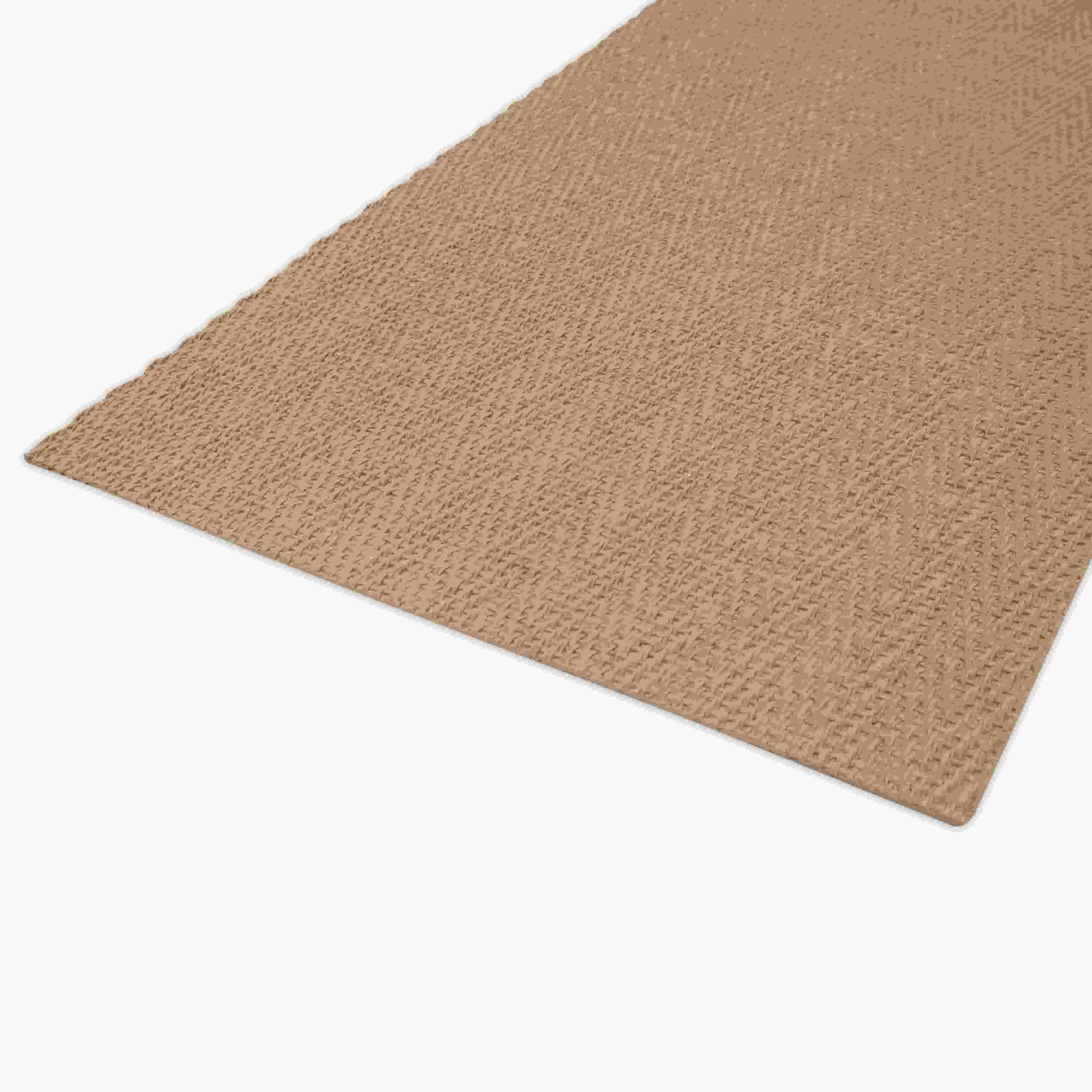
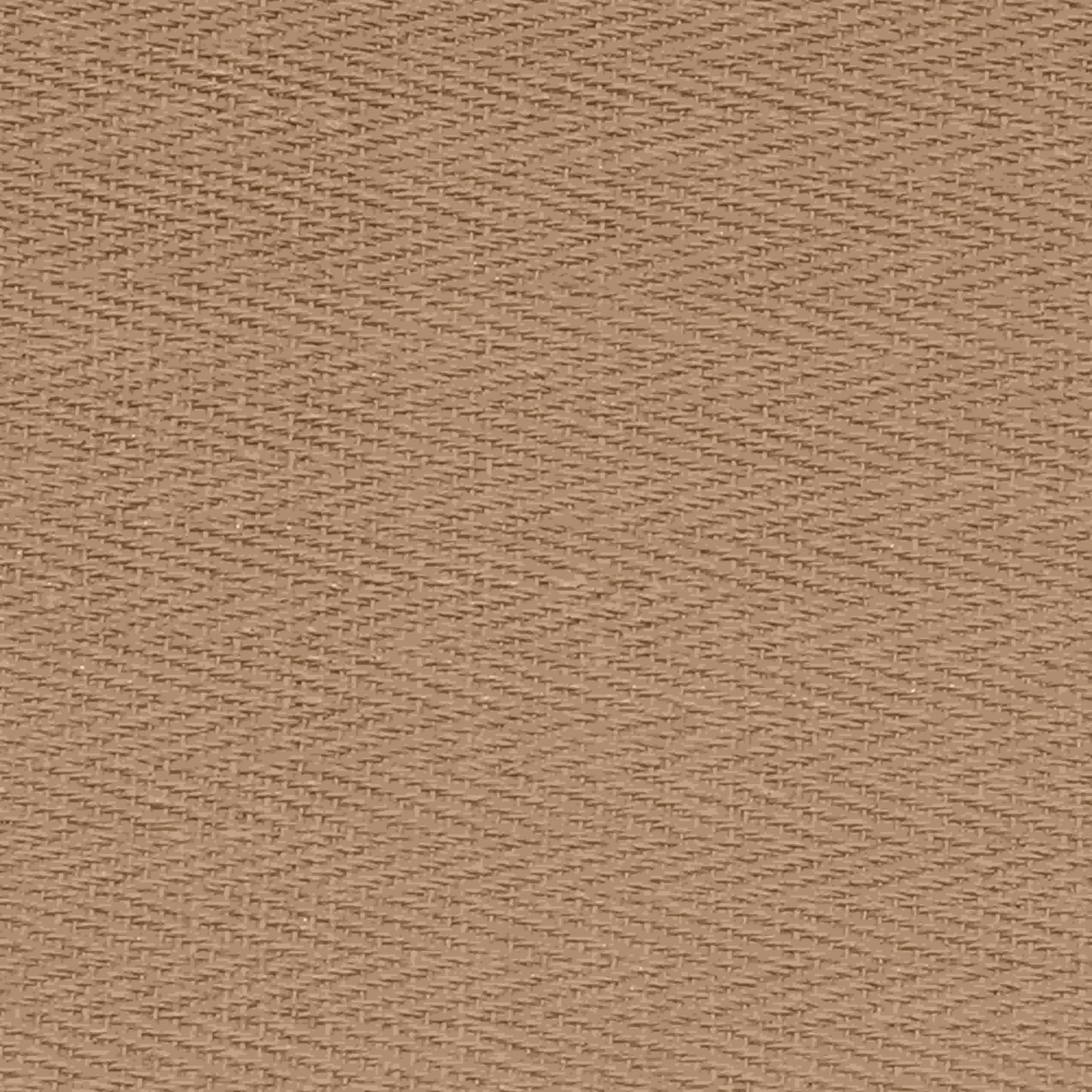
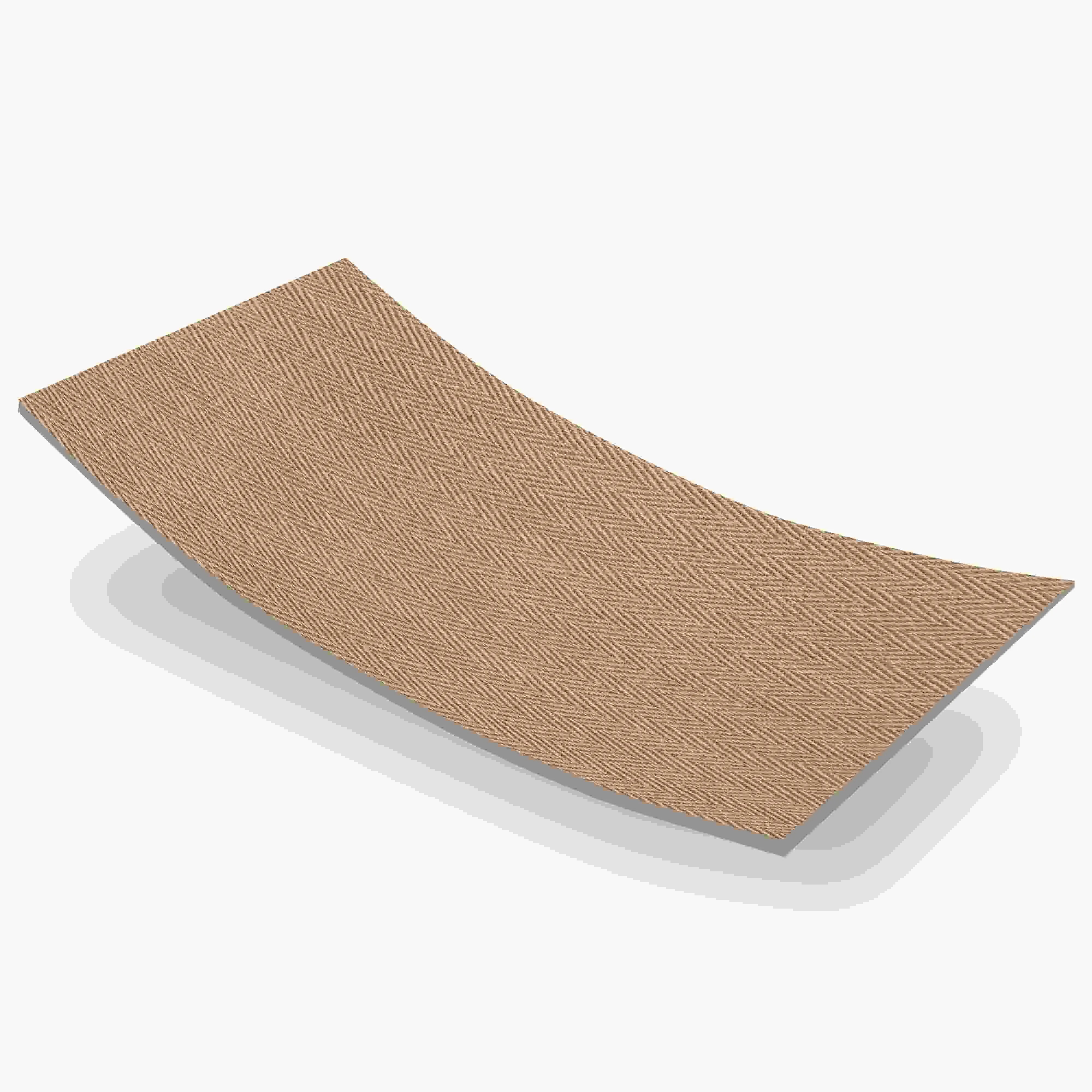
Before we dive into how it saves money, let's unpack what makes Weaving (Khaki) MCM unique. Part of the broader MCM project board series, this material is a standout in the MCM flexible stone category—a blend of natural minerals, high-performance polymers, and reinforced fibers that marries the best of nature and technology. Unlike rigid stone slabs or clunky concrete panels, it's thin (just 3-5mm thick), lightweight (around 4kg per square meter), and surprisingly flexible, able to bend slightly without cracking. The "weaving" in its name refers to its textured surface, which mimics the look of handwoven fabric—warm, tactile, and rich with visual depth. It's available in a soft khaki hue that complements both modern and rustic designs, making it a chameleon in the world of architectural finishes.
But what really sets it apart? It's engineered to be resilient . Think of it as stone with a backbone: it resists UV rays, moisture, and temperature fluctuations, and it won't fade, warp, or chip easily. For Sarah, that durability was the first clue that this might be more than just a pretty face—it could be a budget-saver, too.
To understand why Weaving (Khaki) MCM is a cost-cutter, let's first talk about the materials Sarah was originally considering—and the hidden expenses that make them more expensive than they seem.
Fair-faced concrete, with its raw, industrial aesthetic, is a staple in commercial builds. But Sarah quickly realized its downsides. First, it's heavy —around 240kg per square meter. That means needing stronger structural support (think reinforced steel beams) and more workers to haul and install each panel. On her 10,000 sq ft project, that translated to hiring an extra crew for two weeks, adding $15,000 to labor costs. Then there's cracking: concrete shrinks as it cures, and over time, temperature shifts cause hairline fractures. Fixing those? A yearly maintenance cost of $3,000, not to mention the visual damage that could turn off clients.
Wood grain board was the client's initial favorite for its warmth, but Sarah knew better. In Portland's rainy winters, wood absorbs moisture, leading to rot, mold, and warping. Even treated wood needs resealing every 2-3 years ($2,500 per treatment) and full replacement every 15-20 years. For a 10,000 sq ft facade, replacing wood grain board would cost $40,000—money the client didn't have budgeted for mid-project.
Foamed aluminium alloy board (vintage silver) was another option—sleek, modern, and durable. But its initial cost was 30% higher than concrete, and installing it required specialized tools (a $5,000 rental) and workers trained in metal fabrication. "We'd save on maintenance, but the upfront hit would blow our budget," Sarah explained to her team. "It's a long-term investment, but we need to stay under $200,000 for the facade. This puts us at $260,000 before we even start."
When Sarah ran the numbers on Weaving (Khaki) MCM, she was skeptical at first. The initial cost per square foot was slightly higher than fair-faced concrete but lower than wood grain board and far less than foamed aluminium. But it was the long-term math that made her eyes widen. Let's break down where the savings add up:
Weighing just 4kg per square meter, Weaving (Khaki) MCM panels are a breeze to handle. Unlike concrete, which requires cranes and 4-5 workers per panel, two people can carry and install a 10 sq ft MCM sheet in minutes. Sarah's crew of five finished the entire 10,000 sq ft facade in 10 days—half the time it would have taken with concrete. "We cut labor costs by 40%," she said. "Instead of $40,000 for concrete installation, we spent $24,000. That alone saved us $16,000." No need for extra structural support, either: the lightweight panels didn't require reinforcing the building's frame, another $10,000 saved.
MCM flexible stone is built to last. Unlike wood (15-20 years) or concrete (20-30 years), Weaving (Khaki) MCM has a projected lifespan of 50+ years. That's because its polymer core resists moisture and UV damage, and the reinforced fibers prevent cracking. For Sarah's client, that means no mid-project replacements. "If we'd gone with wood, we'd be replacing the facade in 2040," she noted. "With MCM, they won't need to touch it until 2075. That's $40,000 in replacement costs avoided—easily."
Traditional materials demand constant care, but Weaving (Khaki) MCM? It's low-maintenance to the extreme. No sealing, no painting, no power washing. A quick hose-down with soapy water once a year is all it takes to keep the woven texture looking fresh. Compare that to concrete's $3,000/year crack repairs or wood's $2,500 resealing: over 20 years, that's $60,000 saved on concrete maintenance, $50,000 on wood. "The client's facilities team was thrilled," Sarah laughed. "They're already stretched thin—this took a huge item off their to-do list."
The client wanted a facade that mixed textures—industrial on the ground floor, warm and inviting on the upper levels. With traditional materials, that would mean using concrete for the base and wood for the top, requiring two separate material orders, two installation crews, and two maintenance plans. Weaving (Khaki) MCM? Its woven texture works for both styles. "We used the same panels everywhere," Sarah said. "No need to source, order, or install multiple materials. That saved us $8,000 in logistics and $12,000 in design adjustments." Plus, MCM can be cut into custom shapes—arches, curves, even 3D elements—without special tools, so the client got their "feature wall" without hiring a sculptor.
| Material | Initial Cost (10,000 sq ft) | Annual Maintenance | Lifespan | Total 20-Year Cost* |
|---|---|---|---|---|
| Weaving (Khaki) MCM | $180,000 | $500 | 50+ years | $190,000 |
| Fair-Faced Concrete | $160,000 | $3,000 | 25 years | $220,000 |
| Wood Grain Board | $170,000 | $2,500 | 15 years | $270,000** |
| Foamed Aluminium Alloy (Vintage Silver) | $240,000 | $1,000 | 40 years | $260,000 |
*Includes initial cost + maintenance. **Wood grain board requires full replacement at 15 years, adding $170,000.
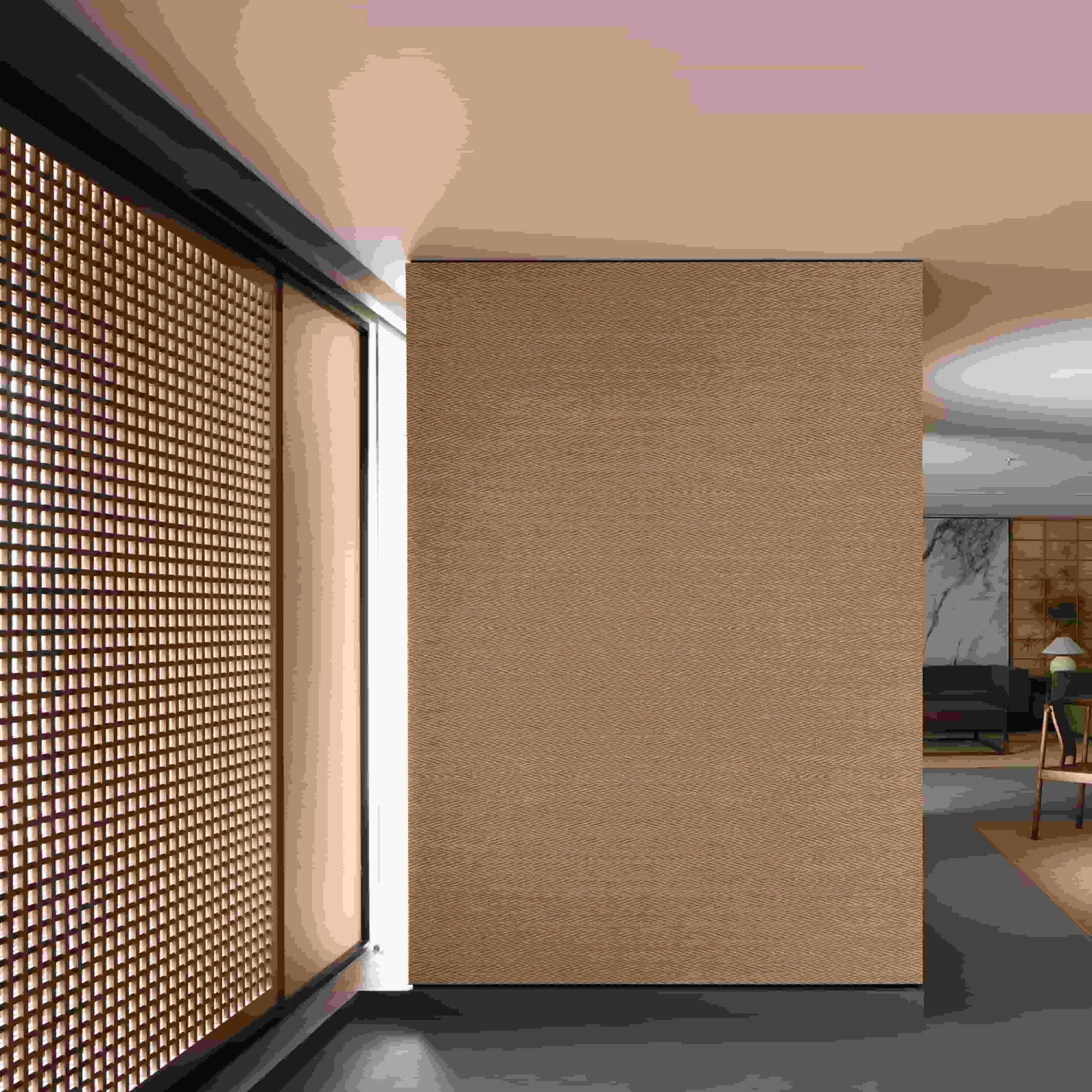
Six months after installing Weaving (Khaki) MCM, Sarah's project wrapped on time and $32,000 under budget. The client was thrilled with the facade: the woven khaki texture caught the light beautifully, and visitors often commented on its "organic, inviting feel." But the real win? The numbers. "We saved $16k on labor, $10k on structural support, $10k on maintenance over 20 years, and avoided $40k in wood replacement costs," Sarah calculated. "That's $76,000 in savings—money the client reinvested into upgrading the lobby and adding green spaces. Now they're using MCM flexible stone on their next project, too."
It's not just Sarah's project, either. Across the country, architects and builders are swapping traditional materials for Weaving (Khaki) MCM. A boutique hotel in Seattle used it for their exterior and reported a 25% drop in energy costs (the material's insulating properties helped regulate temperature). A retail chain in Arizona chose it for its resistance to desert heat and sun fading, eliminating the need for yearly repainting. "It's more than a material," says Mark, a contractor in Texas. "It's a cost-smart investment that lets us deliver better results without breaking the bank."
At the end of the day, building materials shouldn't just look good—they should work hard for your budget. Weaving (Khaki) MCM does both. It's a product of the MCM flexible stone line, engineered to be lightweight, durable, and versatile, with a texture that adds warmth to any design. For Sarah and countless others, it's proven that saving money doesn't mean sacrificing quality or aesthetics. In fact, it often means enhancing them.
So, if you're staring down a project budget and wondering how to stretch every dollar, consider this: the cheapest material upfront might cost you more in the long run. Weaving (Khaki) MCM is an investment in durability, efficiency, and peace of mind—one that pays off in lower costs, happier clients, and a building that stands the test of time. As Sarah puts it: "Why build for today when you can build for 50 years from now? With MCM, you don't have to choose."
Recommend Products












