
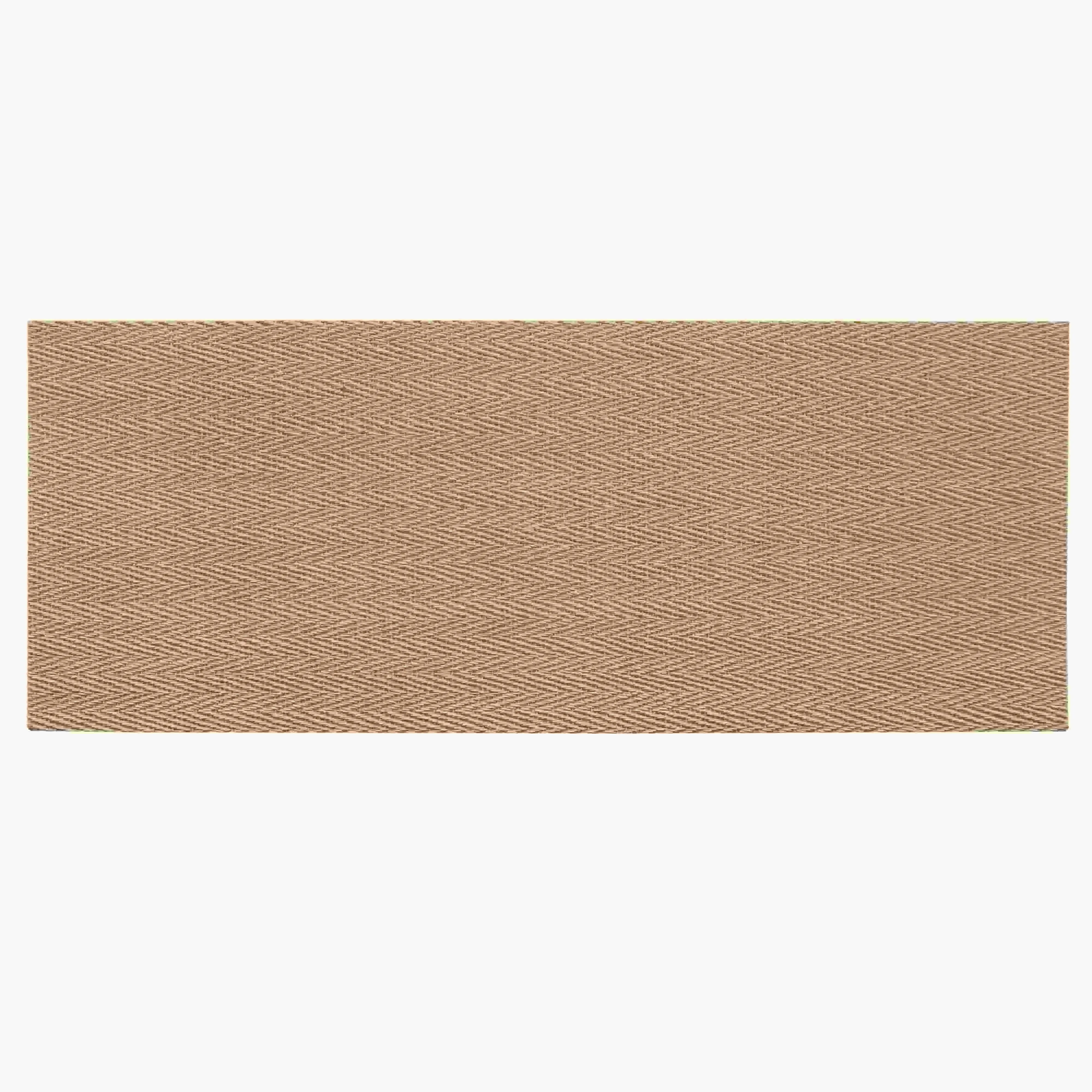
In the world of modern architecture, where glass skyscrapers and sleek steel structures often dominate city skylines, there's a quiet revolution happening: a return to texture. Architects and designers are rediscovering that a building's beauty isn't just in its shape or height, but in the way its surfaces feel—how they catch light, invite touch, and stir emotion. Among these tactile materials, one stands out for its warm, organic charm: weaving (khaki) texture. Far more than a decorative flourish, this material is redefining how we experience space, blending the nostalgia of handcrafted artistry with the demands of contemporary design. Let's dive into how weaving (khaki) texture is transforming building aesthetics, and why it's becoming a staple in projects that prioritize heart over harsh minimalism.
For decades, modern architecture leaned into the "less is more" mantra, favoring smooth, unbroken surfaces that projected efficiency and progress. Glass, polished concrete, and reflective metals became the norm, creating buildings that felt pristine but often cold—spaces that looked impressive from a distance but lacked intimacy up close. But in recent years, there's been a shift. Architects are waking up to a simple truth: humans are sensory beings. We don't just see buildings; we live in them, touch their walls, and breathe in their atmosphere. Texture speaks to that primal connection, grounding us in a world that often feels disconnected from nature and tradition.
Texture is the unspoken language of architecture. A rough-hewn stone wall evokes strength and history; a woven textile panel feels soft and nurturing. These surfaces tell stories, triggering memories of childhood summers spent in a grandmother's knit blanket or walks through a sun-dappled forest with bark beneath your fingertips. In this context, weaving (khaki) texture emerges as a particularly eloquent speaker. Its interlaced pattern—reminiscent of handwoven fabrics or basketry—carries the warmth of human touch, even in the most modern of structures. It's a material that doesn't just decorate a building; it invites you to engage with it.
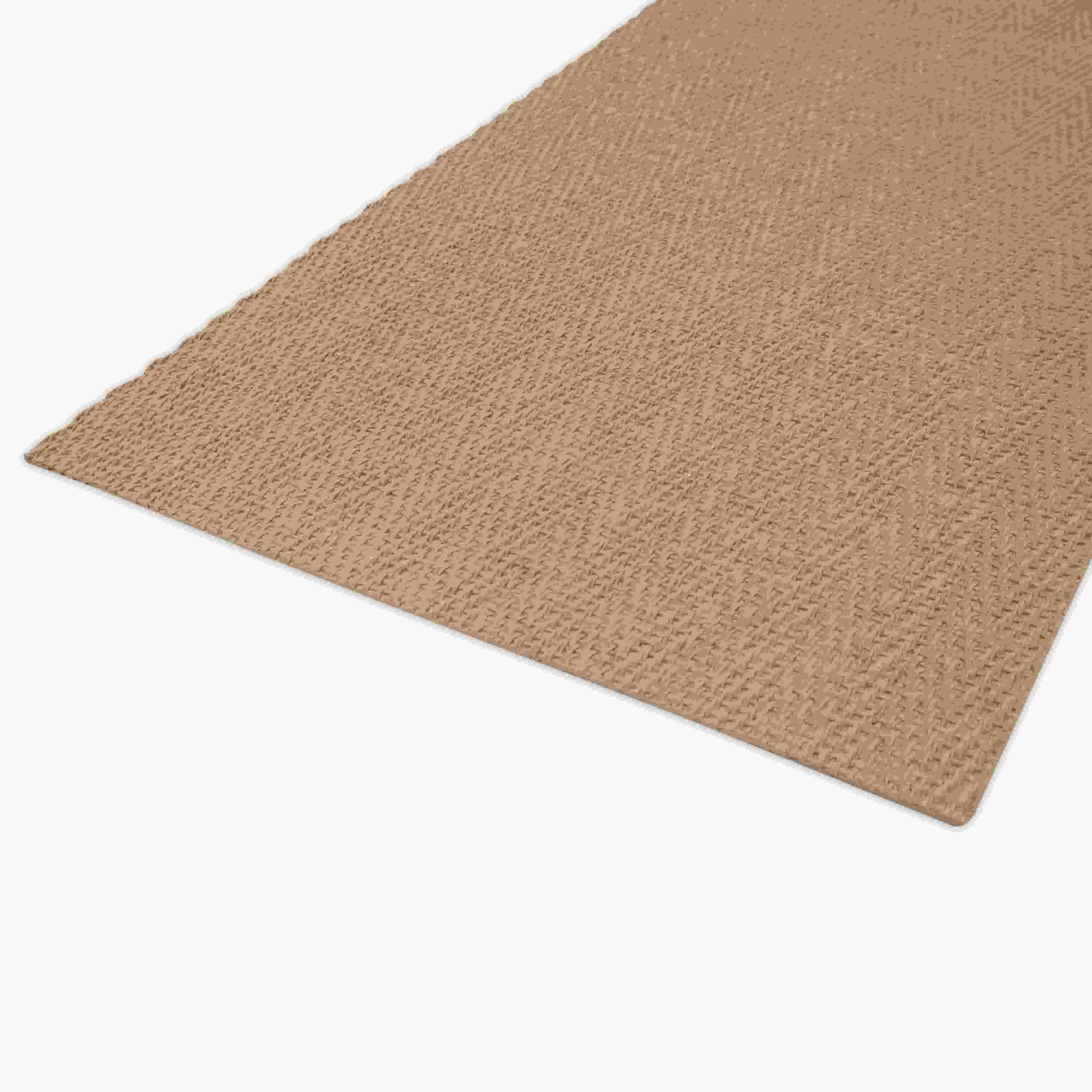
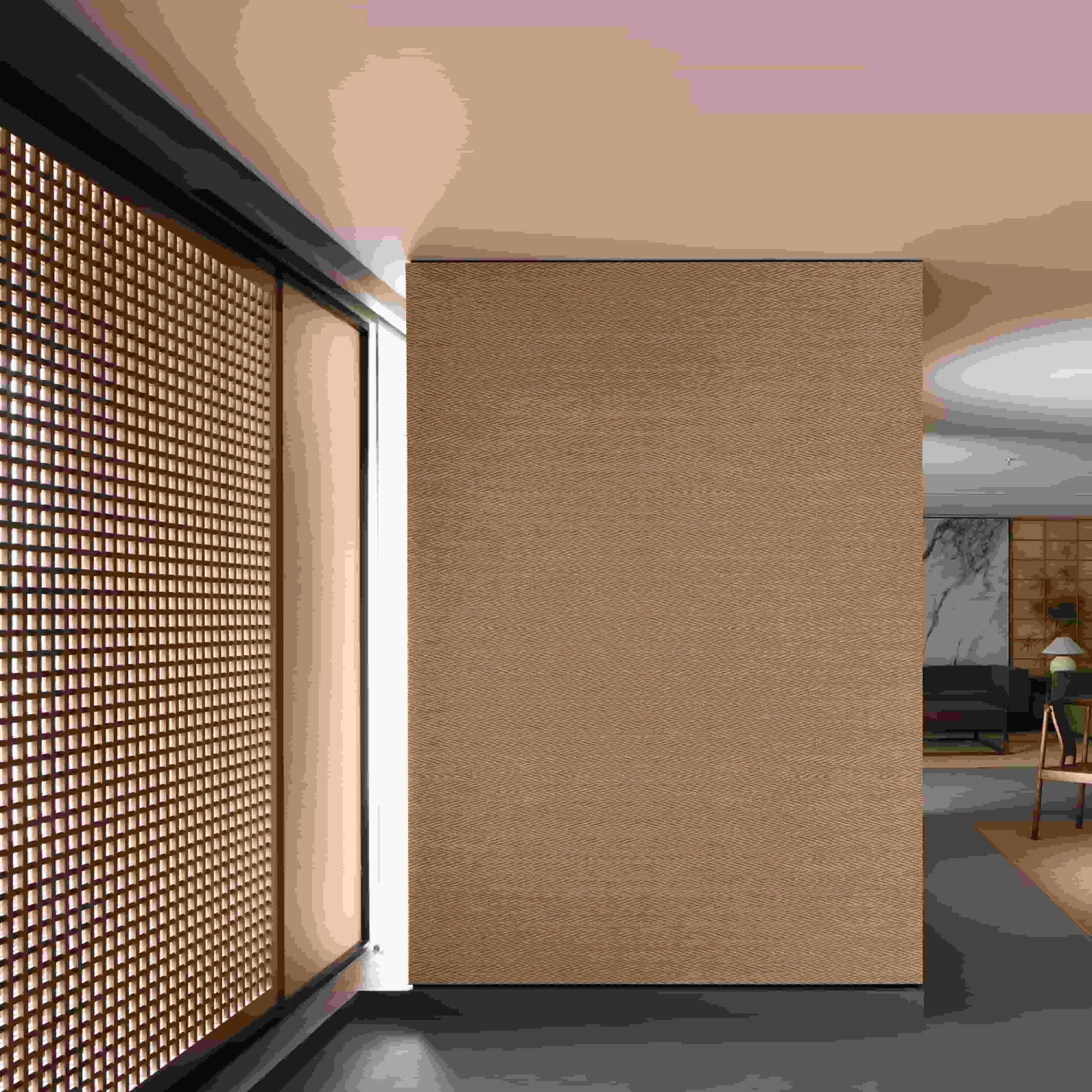
To understand weaving (khaki) texture, it helps to start with its name. "Weaving" refers to its distinct pattern: thin strands or strips interlaced over and under each other, creating a grid-like design that's both ordered and organic. The "khaki" hue, a soft, earthy tone ranging from warm beige to muted olive, is intentional. It's a color that blends seamlessly with natural landscapes, whether set against a desert horizon or a lush garden, and it softens the harsh lines of urban environments. Unlike bold reds or stark whites, khaki doesn't demand attention—it invites it, aging gracefully as sunlight and time gently fade its edges, like a well-loved book.
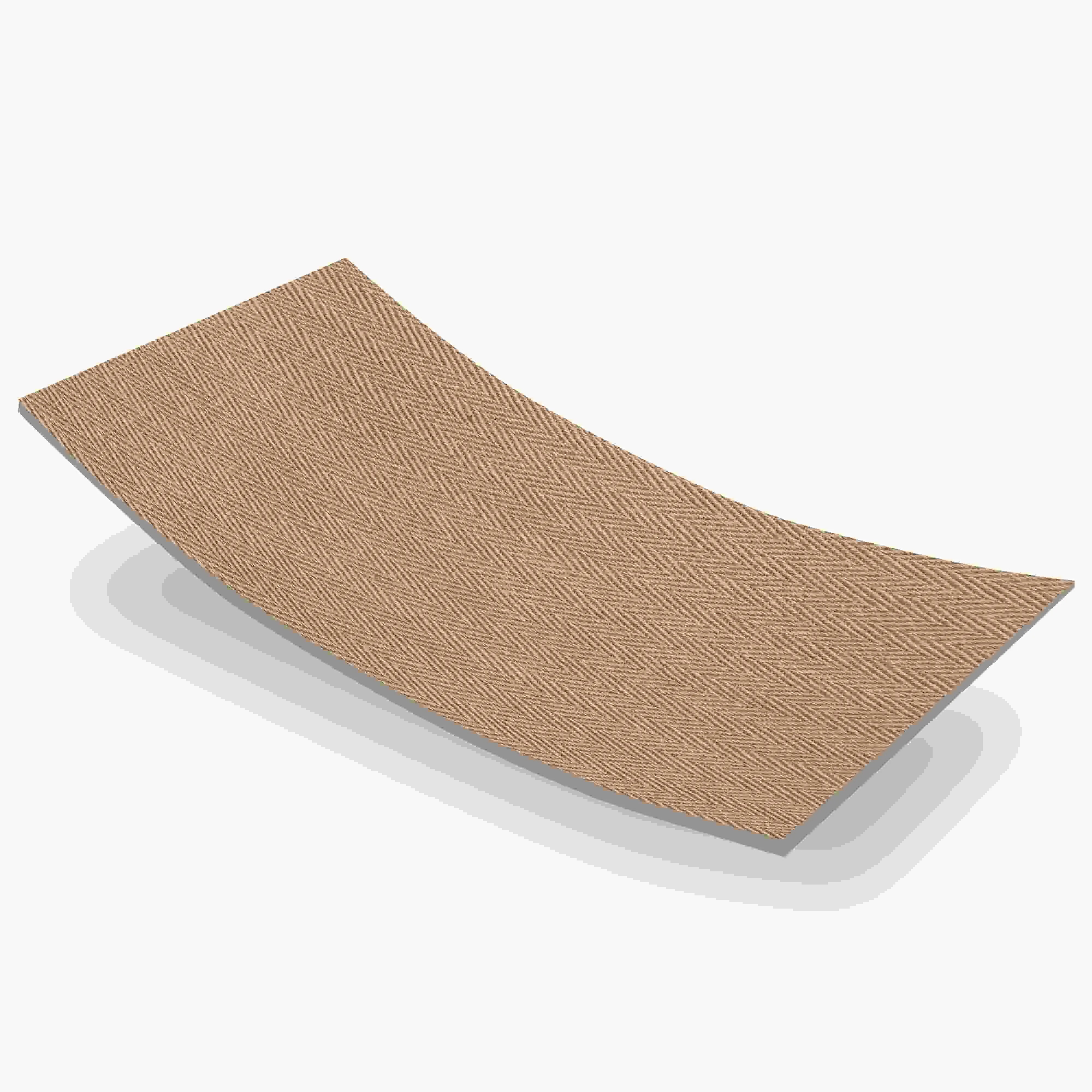
But what truly sets weaving (khaki) texture apart is its versatility. Unlike traditional woven materials like wool or cotton, modern iterations are often crafted from durable, weather-resistant composites, making them suitable for both interior and exterior use. This adaptability is thanks in part to innovations in building materials, such as mcm flexible stone—a modified composite material that mimics the look and feel of natural textures but with added flexibility and strength. MCM flexible stone allows weaving (khaki) patterns to be applied to curved surfaces, large facades, or even furniture, breaking free from the limitations of rigid materials.
The texture itself is a study in contrast. Up close, the interwoven strands create a tactile surface that begs to be touched—rough enough to feel substantial, yet smooth enough to run your palm over without catching. From a distance, the pattern softens into a gentle rhythm, adding depth to a building's facade without overwhelming it. It's a material that plays with light, too: morning sun highlights the peaks of the woven strands, casting delicate shadows that shift throughout the day, while evening light turns the khaki hue warm and golden, making the building feel like a beacon in the dusk.
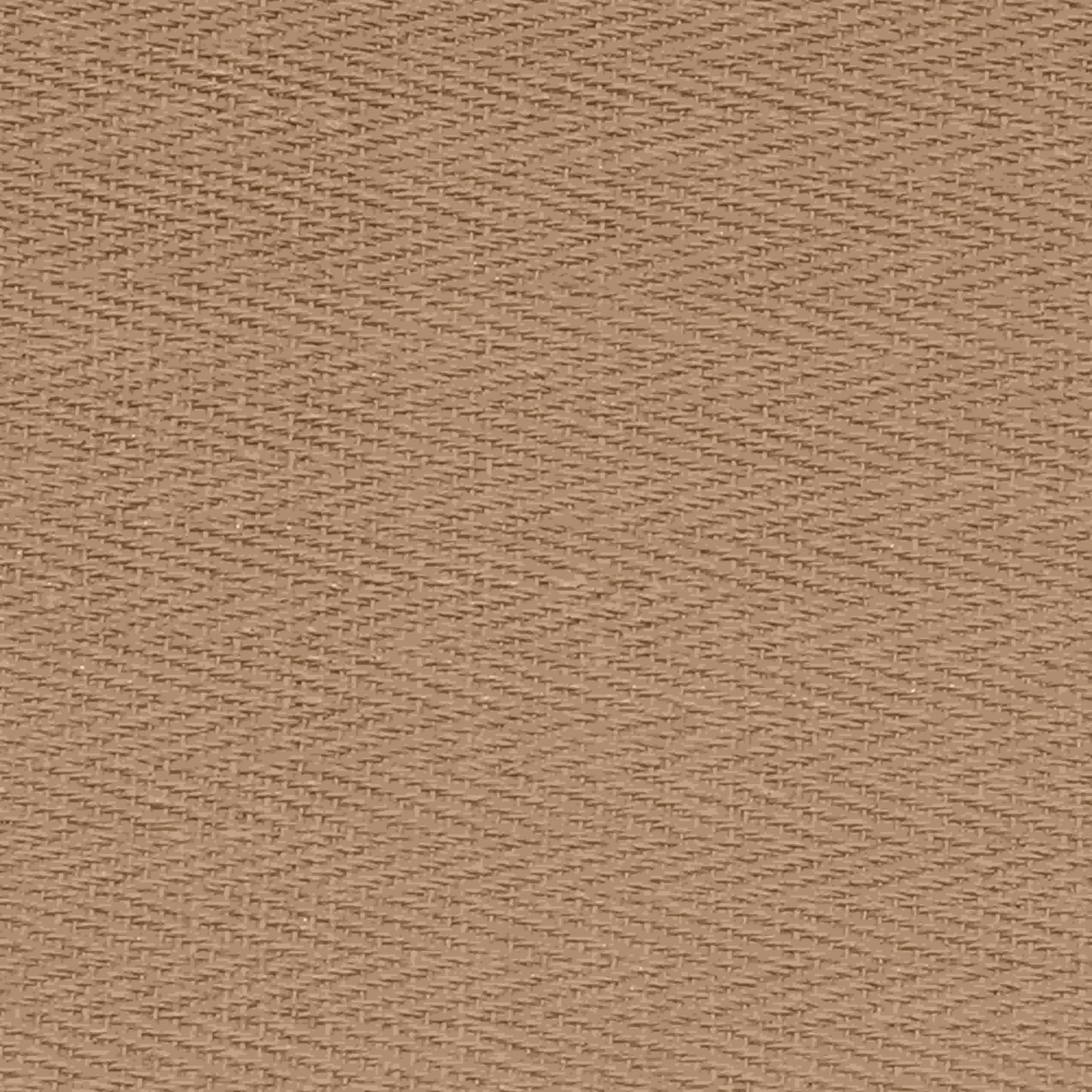
Great architecture engages all the senses, and weaving (khaki) texture is a masterclass in sensory design. Let's start with sight. Unlike a flat, smooth wall that reflects light uniformly, weaving (khaki) texture creates a dynamic surface. The interplay of light and shadow means the material never looks the same twice. On a cloudy day, it appears soft and muted, almost velvety; on a sunny afternoon, the woven ridges catch the light, creating a subtle sparkle that draws the eye. This ever-changing appearance keeps a building feeling alive, avoiding the static monotony of more uniform materials.
Then there's touch. Run your hand along a weaving (khaki) panel, and you'll feel the slight bumps and grooves of the interlaced strands. It's a texture that feels familiar, like the rough weave of a canvas backpack or the wicker of a porch chair. This tactile quality is deeply comforting. In a world where so much of our lives is spent interacting with cold screens and smooth plastics, a textured wall becomes a small act of rebellion—a reminder that buildings are meant to be felt, not just observed. In hospitals, for example, weaving (khaki) panels in waiting rooms have been shown to reduce anxiety, as patientsly trace the pattern with their fingers, finding calm in the repetitive, organic design.
Even sound is affected. Hard, smooth surfaces reflect noise, creating echoey, chaotic spaces. Weaving (khaki) texture, with its porous, layered structure, absorbs sound, softening the acoustics of a room. Imagine a bustling office lobby with weaving (khaki) accent walls: the chatter of visitors, the clink of coffee cups, and the hum of elevators all blend into a gentle murmur instead of a harsh din. It's a subtle detail, but one that transforms how we experience a space—making it feel more human, less industrial.
One of the greatest strengths of weaving (khaki) texture is its ability to play well with others. In modern architecture, buildings rarely rely on a single material; instead, they're a symphony of textures, colors, and finishes. Weaving (khaki) acts as a versatile collaborator, complementing both organic and industrial materials to create balanced, harmonious designs. Let's explore how it pairs with a few common architectural staples.
| Material | Why They Work Together | Design Effect |
|---|---|---|
| Fair-Faced Concrete | Fair-faced concrete is raw and industrial, with a cool, gray tone and subtle grain. Weaving (khaki) adds warmth and softness, balancing the concrete's austerity. | Creates a contrast between hard and soft, modern and traditional—ideal for warehouses converted into lofts or cultural centers. |
| Wood Grain Board | Both materials evoke nature: wood grain with its linear, tree-inspired pattern and weaving (khaki) with its textile-like texture. Together, they create a cozy, earthy vibe. | Perfect for residential spaces or boutique hotels, where the goal is to feel like a "home away from home." |
| MCM Flexible Stone | MCM flexible stone, known for its durability and customizability, can mimic the look of natural stone or concrete. Weaving (khaki) adds a softer, more tactile layer to MCM's structured finish. | Great for exterior facades, where MCM provides weather resistance and weaving (khaki) adds visual interest without sacrificing performance. |
| Glass | Glass is transparent and reflective, creating a sense of openness. Weaving (khaki) panels behind glass add depth, turning a plain window into a work of art as light filters through the pattern. | Ideal for storefronts or office exteriors, where the goal is to attract attention while maintaining a modern, sleek look. |
Take, for example, the Riverbank Community Center in Portland, Oregon. Designed by local firm GreenSpaces Architecture, the building combines fair-faced concrete walls with weaving (khaki) texture panels on the main entrance facade. The concrete provides a strong, grounded base, while the weaving (khaki) adds warmth and movement, welcoming visitors with its soft color and tactile pattern. Inside, wood grain board ceilings complement the weaving (khaki) accent walls in the auditorium, creating a space that feels both modern and intimate—like a barn reimagined for the 21st century.
Another example is the Azure Hotel in Bali, which uses weaving (khaki) texture alongside local bamboo and stone. The hotel's lobby features a massive weaving (khaki) screen that divides the reception area from the lounge, filtering sunlight into dappled patterns on the floor. Paired with the rough texture of bali stone walls and the smoothness of polished wood floors, the weaving (khaki) becomes the thread that ties the space together, honoring Balinese craft traditions while feeling fresh and contemporary.
Nestled in Seattle's Capitol Hill neighborhood, the Canopy House is a residential project that showcases weaving (khaki) texture as a central design element. Designed by Olson Kundig Architects, the home was built for a family of artists who wanted a space that felt connected to nature and inspired creativity.
The exterior features a striking combination of mcm flexible stone (in a muted gray) and weaving (khaki) texture panels. The mcm stone provides a durable, weather-resistant shell, while the weaving (khaki) panels—applied in a diagonal pattern—add movement and warmth. From the street, the house looks like a modernist structure with a playful twist; up close, the weaving (khaki) texture invites touch, with neighbors often pausing to run their hands over the panels as they walk by.
Inside, weaving (khaki) takes center stage in the living room, where a full wall is covered in the material. Paired with wood grain board floors and large windows overlooking a backyard garden, the space feels like an extension of the outdoors. The homeowners report that the texture has become a conversation starter, with guests often commenting on how the room "feels like a hug." Even the children, who have their play area adjacent to the weaving (khaki) wall, love tracing the pattern with their crayons, turning the architecture into a canvas for their imagination.
What makes the Canopy House so successful is how weaving (khaki) texture bridges the gap between form and function. It's not just beautiful; it's practical. The material is easy to clean, resistant to scuffs (important with kids), and, thanks to its mcm flexible stone base, lightweight enough to be installed without reinforcing the wall structure. It's a testament to how modern materials can honor traditional textures while meeting the demands of contemporary living.
As the world shifts toward more sustainable building practices, weaving (khaki) texture is poised to play a starring role. Many modern versions of the material are made using recycled fibers or low-VOC (volatile organic compound) composites, reducing their environmental impact. Additionally, mcm flexible stone—the base for many weaving (khaki) panels—is known for its durability and energy efficiency. Unlike traditional stone or concrete, which are heavy and require significant energy to transport and install, mcm flexible stone is lightweight, cutting down on carbon emissions during construction. It's also resistant to mold, mildew, and fading, meaning buildings clad in weaving (khaki) texture require less maintenance over time, reducing long-term waste.
Customization is another area where weaving (khaki) texture shines. In the past, textured materials were often one-size-fits-all, limiting design possibilities. Today, advances in manufacturing allow architects to tailor the pattern, color, and scale of weaving (khaki) panels to fit a project's unique needs. Want a tighter weave for a minimalist office? Or a looser, more organic pattern for a beachfront resort? It's all possible. Some companies even offer digital tools that let designers upload their own patterns, merging traditional weaving techniques with cutting-edge technology. This level of customization means weaving (khaki) texture can adapt to any architectural style, from brutalist to bohemian, making it a favorite among forward-thinking firms.
Looking ahead, we're likely to see weaving (khaki) texture integrated into smart buildings, where its porous structure could be combined with sensors to monitor temperature, humidity, or air quality. Imagine a hospital where the weaving (khaki) accent walls not only calm patients but also track room conditions, ensuring optimal healing environments. Or a retail store where the texture changes color subtly to reflect sales or promotions, blending aesthetics with functionality. The possibilities are endless, limited only by the imagination of designers willing to embrace texture as more than just decoration.
In a world that often prioritizes speed, efficiency, and sleekness, weaving (khaki) texture is a reminder that architecture is about more than function—it's about feeling. It's a material that honors our need for connection: to nature, to tradition, and to each other. Whether paired with fair-faced concrete in a urban loft, wood grain board in a family home, or mcm flexible stone in a commercial space, weaving (khaki) texture adds depth, warmth, and humanity to buildings, turning them from structures into stories.
As architects continue to explore the power of texture, we can expect to see more buildings that engage all our senses, creating spaces that feel not just designed, but lived-in. Weaving (khaki) texture is at the forefront of this movement, proving that the most innovative architecture isn't about breaking new ground—it's about remembering what makes us human. In the end, that's the true beauty of weaving (khaki) texture: it doesn't just enhance a building's aesthetics; it makes us fall in love with the spaces we inhabit.
Recommend Products












